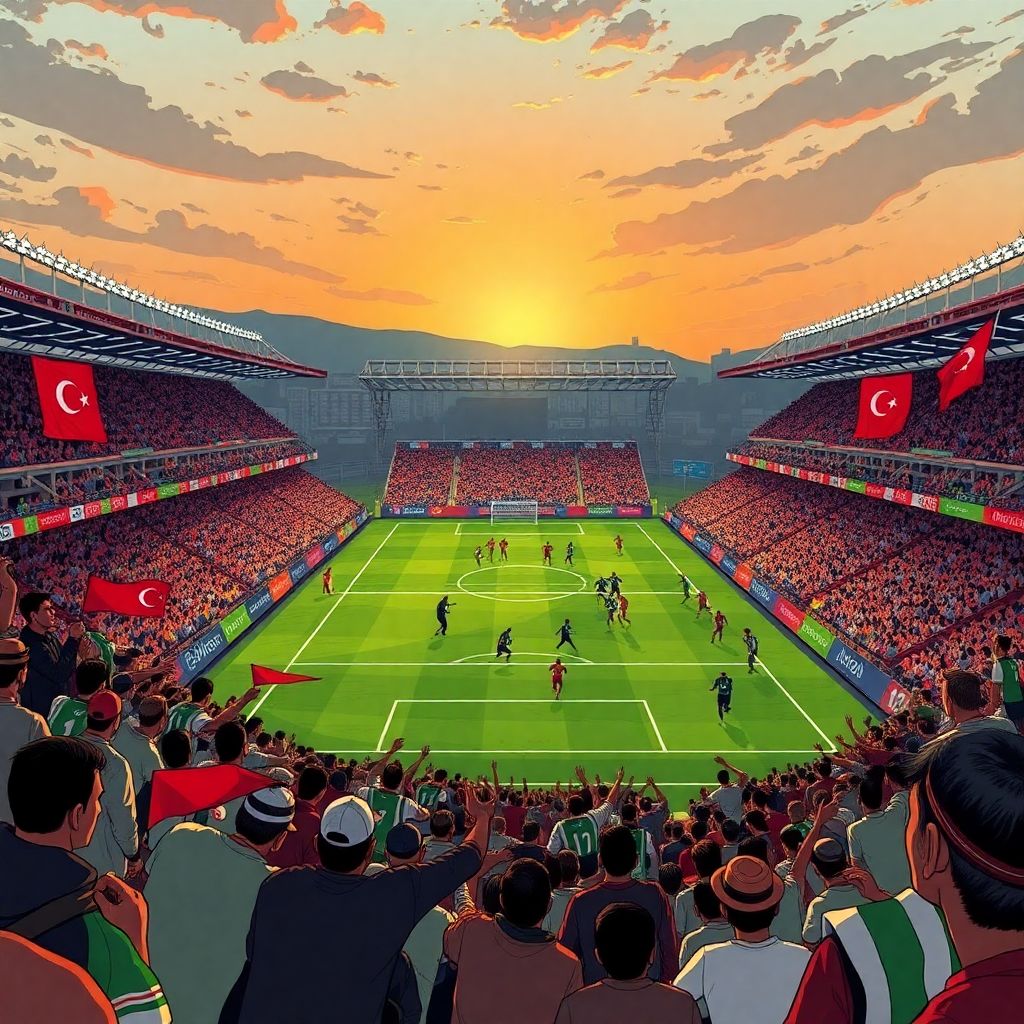
Why Süper Lig underdogs are everyone’s second‑favorite team
When people talk about Turkish football, they usually jump straight to Galatasaray, Fenerbahçe and Beşiktaş. Big budgets, huge stadiums, decades of trophies. But the soul of the league often lives a little further down the table – in the small‑budget Süper Lig clubs that somehow keep punching above their weight, ruining accumulator bets and stealing points in impossible away games. These underdog stories are not accidents; they follow patterns you can actually study, understand and even use as a guide if you want to pick the best Süper Lig underdog clubs to support this season.
And yes, they also tend to make Süper Lig tickets cheap matches far more fun than their price suggests.
Историческая справка: как родились турецкие андердоги
Ever since the national league was formed in 1959, Turkish football has had a built‑in hierarchy: the “Üç Büyükler” (the Big Three) in Istanbul at the top, everyone else trying to survive below. Yet, every decade or so, a smaller club has kicked that door open. Bursaspor’s 2009–10 title is the clearest example: a modest club from a manufacturing city outplayed the giants across an entire season, not just in a one‑off cup run. Earlier, Trabzonspor in the 1970s and 80s showed that a provincial side could build a dynasty through smart talent identification and brutal home advantage on the Black Sea coast, even against wealthier rivals.
Those shocks didn’t just bring trophies; they rewired how coaches, scouts and chairmen across the country thought about building teams.
От романтики к системе: эволюция маленьких клубов
By the 2000s and 2010s, “miracle seasons” stopped looking like freak events and more like the products of deliberate strategy. Sivasspor’s title challenge in 2008–09, and again their top‑four pushes under Rıza Çalımbay a decade later, came from systematic scouting of undervalued players and a game model tailored to harsh winter conditions and a tough pitch. Konyaspor’s rise into regular European qualification spots was built on solid defensive structure, set‑piece mastery and incremental year‑on‑year improvement rather than big‑name signings. Even clubs like Akhisarspor, who never dominated the league, managed to win the Turkish Cup in 2018 and lift the Super Cup thanks to clear ideas and efficient use of limited funds.
In short, the underdog stories shifted from fairytales to repeatable blueprints.
Базовые принципы: как слабые бьют сильных
1. Четкая идентичность важнее громких имен
Ask analysts who work with mid‑table and small‑budget sides in Turkey, and you’ll hear the same thing: identity beats ego. A club that knows exactly what kind of football it wants to play will almost always outperform another that just signs the biggest available name. Sivasspor and Alanyaspor are good case studies here – both built reputations for fast transitions and exploiting wide spaces, then recruited to that model year after year. Instead of shopping randomly, their sporting directors looked at data and video for players who were already comfortable in similar systems, even if those players were sitting on benches in bigger leagues.
So while the giants chased headlines, these clubs quietly collected perfect puzzle pieces.
2. Рынок свободных агентов и “вторые шансы”
Because they simply can’t afford transfer fees at the same level as the Big Three, underdogs lean heavily on free transfers and loan deals. But that doesn’t mean gambling blindly. One performance director who has worked with Süper Lig underdogs described their approach like this: “We don’t buy names, we buy motivation plus fit. The players who feel they still have something to prove.” That usually means signing guys who failed to settle in Western Europe, ex‑youth internationals whose careers stalled, or older pros who still have two elite seasons left if used correctly.
The common thread: you’re paying not for star status, but for hunger aligned with a specific role in the system.
3. Физическая подготовка как скрытое оружие
On a pure wage bill comparison, most small clubs will always lose to the Istanbul giants. Where they can equalize – or even gain an edge – is in fitness and intensity. Sports science staff at these teams often focus on being able to repeat high‑intensity runs for the full 90 minutes, even if it means sacrificing a touch of “flair”. At altitude in places like Sivas or in the summer heat of Antalya, this becomes brutal for technically superior but less conditioned opponents. Multiple coaches have openly said: “Our first big signing is our fitness coach.” They know that if their players can press for 80–90 minutes, they stay in games long enough for talent gaps to shrink.
Fitness doesn’t make you a genius tactician, but it buys you the time to execute your plan.
4. Домашний стадион как крепость
Another principle experts highlight is maximizing home advantage. Smaller Süper Lig clubs invest in creating intense matchday atmospheres, sometimes with very local flavor: regional music, banners referencing town history, and direct contact between players and supporters. When your stadium feels almost personal, opponents feel it from the warm‑up. That’s why so many title races in Turkey have turned on unexpected points dropped in “difficult away grounds”, where the pitch, the weather and the crowd all feel different from the polished arenas of Istanbul.
For underdogs, every home game is less about entertainment and more about psychological warfare.
Примеры реализации: живые истории андердогов
Бурсаспор: чемпионство, изменившее карту лиги
Bursaspor’s 2009–10 title win remains the reference point for modern Turkish underdogs. They didn’t have a huge budget; what they had was a compact, aggressive team that knew exactly how to suffer without the ball and strike quickly once they won it. Their recruitment focused heavily on domestic talent and overlooked foreigners, putting together a roster that understood the league’s rhythm and refereeing tendencies. Analysts still point to that season as a lesson in stable coaching, minimal mid‑season panic and consistent tactical identity across 34 games.
It proved once and for all that the “Big Three” monopoly could be broken in the Süper Lig era.
Сивасспор и Коньяспор: долгосрочный проект вместо одной вспышки
Sivasspor’s repeated top‑four pushes and Konya’s steady climb into European places are the best modern demonstrations of sustained overperformance. Both clubs worked with coaches who stayed longer than a quick six‑month cycle, building squads gradually instead of doing a full reset every summer. They deliberately targeted players comfortable in high‑work‑rate, compact systems and emphasized tactical discipline over pure individualism. An analyst who worked with a mid‑table side during that era summed it up neatly: “Our goal wasn’t to beat the giants every week. It was to make sure we never collapsed, so we were always around when they stumbled.”
In other words, consistency is the most underrated superpower an underdog can have.
Аланьяспор и Антальяспор: использование географии
Clubs on the Mediterranean coast, like Alanyaspor and Antalyaspor, offer another lesson: use what your city gives you. They’ve often built squads around technically clean players from Brazil, Portugal and Africa who adapt well to good pitches and warmer weather. While they might struggle away on a frozen pitch in the interior in January, at home they can dominate with fluid, possession‑based football. This is no accident; scouting departments there often prioritize profiles that suit both climate and playing style, rather than simply grabbing whoever is famous.
The “home as a weapon” principle isn’t just about fans – it’s also about the environment itself.
Как болельщику выбрать “своего” андердога
If you’re thinking of adopting a smaller club as your Süper Lig team, it helps to follow a simple process instead of just picking a random badge that looks cool. Experts who advise international fans and even sponsors on this kind of choice usually recommend looking at a mix of culture, style and access. That way, your support isn’t just a temporary crush during one lucky season but can actually last years and feel grounded in real connection with the club and city.
Here’s a straightforward sequence to follow:
1. Decide what you value most: attacking football, intense crowds, or youth development.
2. Check recent seasons: look for clubs that regularly finish mid‑table or better on small budgets.
3. Read about the city: you’ll enjoy the story more if you like the place behind the club.
4. Look at coaching stability: avoid clubs that change managers every two months.
5. See how easy it is to watch and follow them from abroad.
This is the same kind of checklist some data‑driven investors quietly use when they look at potential partnerships with Turkish clubs.
Частые заблуждения про андердогов Süper Lig
Заблуждение 1: “Это только разовые чудеса”
One of the laziest assumptions is that when a small club overperforms, it’s just “luck” or a one‑off miracle season. Historical patterns in the Süper Lig say otherwise. When you step back and track underdog success over 10–15 years, you see recurring themes: stable coaches, low‑drama boards, strong fitness programs, and a clear transfer philosophy. Even when squads change, the underlying structure stays, and so does the club’s ability to annoy the traditional giants regularly. That’s why certain grounds are notorious among big‑club fans: they’ve been losing points there for a decade, not just for one freak year.
Luck matters in single matches, but structure explains repeated overperformance.
Заблуждение 2: “Небольшой бюджет = слабая инфраструктура”
Another misconception is that if a club has a small wage bill, everything around it must be amateurish. In reality, several underdog teams have quietly built modern training facilities, invested in GPS and performance tracking, and hired specialized analysts – they just don’t shout about it on social media. Coaches will often tell you that they would rather have one good analyst and one top‑class fitness coach than an extra aging star on a big salary. The money that isn’t spent on transfers goes into making the training environment more professional.
That’s why you sometimes see small teams looking better prepared tactically than clubs with five times their budget.
Заблуждение 3: “У андердогов нет фан‑культуры”
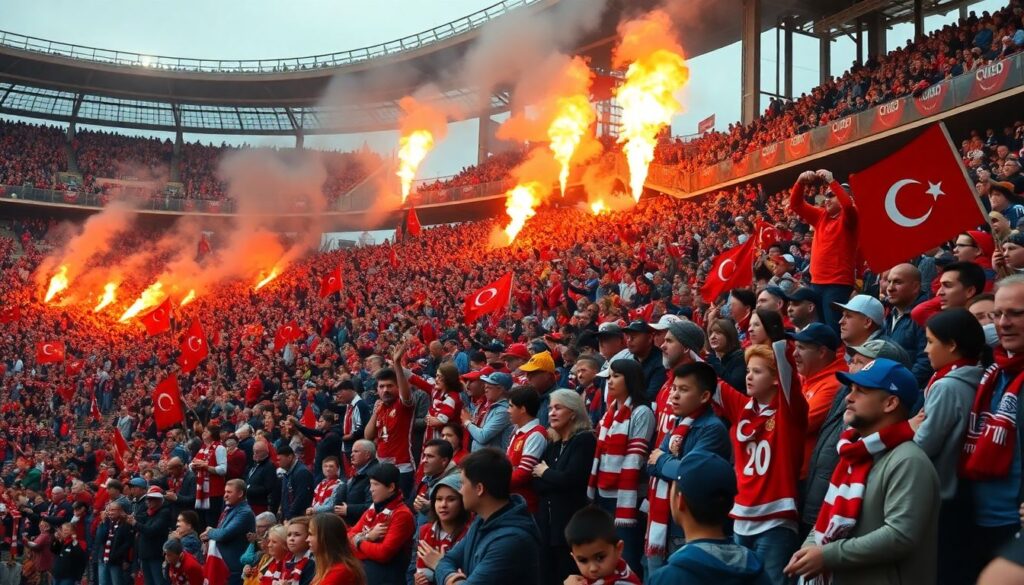
From the outside, it can look like all the passion is concentrated in Istanbul’s big stadiums, but that’s an illusion created by TV cameras and marketing. In many provincial cities, the local Süper Lig club is the main cultural event of the week. Ultra groups, family traditions and regional identity all come together on matchday. Turkish football underdog teams merchandise – scarves, vintage shirts, local‑designed hoodies – often sells out in these towns, even if you never see it in international shops. For locals, supporting the small club is as much about representing the city as it is about football itself.
You’re not choosing a “less serious” fandom if you back an underdog; you’re choosing a different kind of intensity.
Практические советы для болельщиков: как войти в мир андердогов
Как следить за матчами и не потеряться
If you’re watching from abroad, the main challenge is simply access. To really feel the story of a small club over a season, you need consistent viewing, not just the occasional highlight clip. Many international services now let you stream Süper Lig underdog team matches live, especially when they’re facing the giants, but a smart move is to track the club’s official channels too. They often upload extended highlights, tactical breakdowns from coaches, and behind‑the‑scenes training clips that big clubs are too polished to show. This raw access gives you a better sense of how the team works day to day.
In other words, combine broadcast coverage with the club’s own storytelling.
Бюджет поездки и атмосфера на стадионе
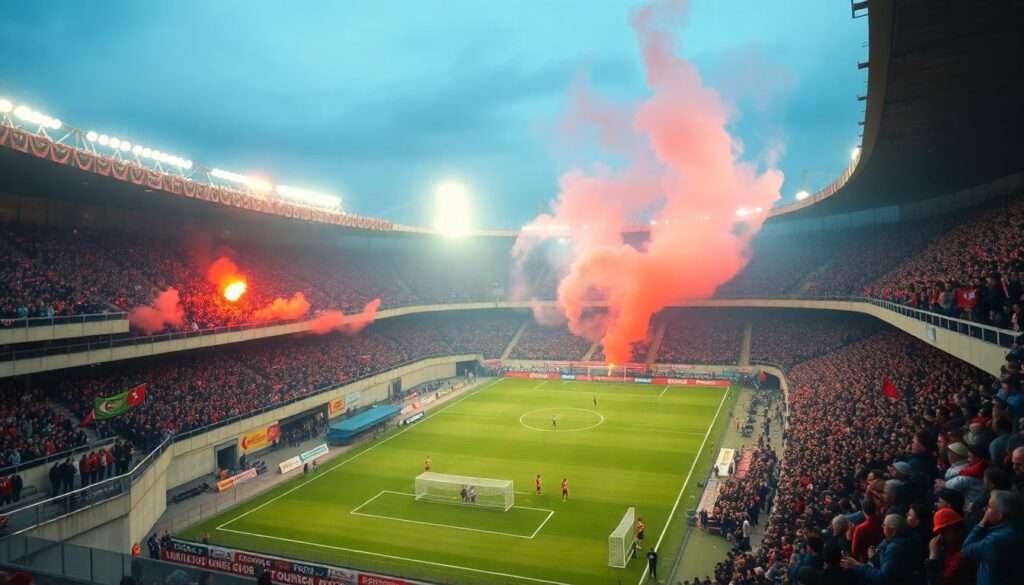
For groundhoppers and adventurous supporters, small‑club stadiums can be the best value proposition in European football. Süper Lig tickets cheap matches are not a myth; for many underdog sides, you can get into a fiery league game for the price of a cinema ticket in Western Europe. Add to that the fact that Süper Lig travel packages for football fans increasingly include stops in “secondary” cities like Konya, Antalya or Izmir, and you get a very cost‑effective way to experience intense football and local culture in one hit. Travel experts often advise picking a weekend where your chosen underdog hosts a giant – the city comes alive in a way you won’t forget.
Your total spend on one of these trips can be lower than a single big‑club matchday in England or Spain.
Как поддержать клуб дистанционно
If you can’t easily travel, you can still make your support matter. Buying official gear directly from the club shop (not just big multi‑brand retailers) sends more money into the local system. Many smaller Turkish sides have upgraded their English‑language online stores precisely because of overseas interest in underdogs. Beyond that, following and sharing their social content helps them grow their international profile, which in turn can attract better sponsors and partnerships. Sports marketing consultants will tell you: every extra percentage point of online visibility makes future negotiations a little easier for these clubs.
You’re not just a distant spectator; your clicks and purchases genuinely move the needle.
Выбор клуба под свой характер
Finally, be honest about what kind of story you want to live with. If you crave constant drama, high‑pressing chaos and last‑minute survival escapes, pick a club that regularly flirts with relegation but fights like crazy at home. If you prefer steady progression and tactical nerdery, look for a team with a reputation for developing players and selling them on. Experts who consult with new fans often suggest reading one or two longform articles about a club’s history and community before committing. You’ll quickly feel whether that mix of city, colors and playing style fits your own football personality.
Choose with care, and the relationship with your underdog can last for decades.
Вывод: андердоги как будущее Süper Lig
Small‑budget Süper Lig clubs aren’t just background characters in someone else’s title race; they are laboratories where new ideas are tested under real pressure. From innovative scouting and sports science to ruthless exploitation of home advantage, they show that money is only one part of success. For fans, they offer something the giants sometimes struggle to provide: authenticity, proximity and the feeling that your support actually matters to the people on the pitch. Whether you’re planning a trip, refreshing the club shop for new Turkish football underdog teams merchandise, or simply following from your sofa, there has never been a better time to connect with these teams.
In the long run, the health and excitement of the league will depend as much on its underdogs as on its traditional powers – and that’s exactly what makes supporting them so compelling.