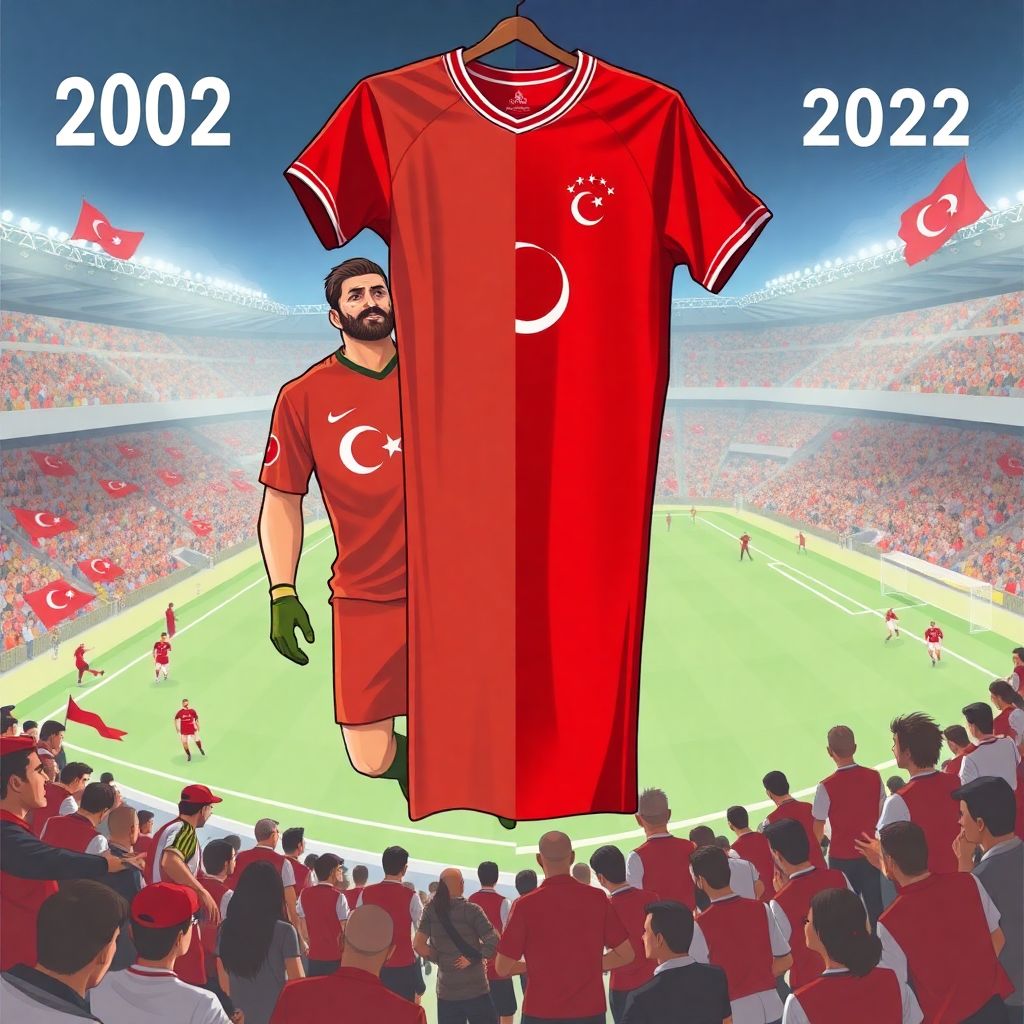
Why the 2002 golden generation still matters in 2026
Turkey’s 2002 World Cup team is the reference point every discussion circles back to: semi-finalists, fearless, and packed with leaders.
The 2026 side, coming off Euro 2024 and heading toward the 2026 World Cup cycle, lives in that shadow—but also does a few things better.
To compare them fairly, it helps to treat it not as nostalgia vs. hype, but as a kind of step‑by‑step football analysis project: what they had, what we have, and where trends are heading.
—
“Tools” you need to compare 2002 and 2026
H3: Tactical and statistical tools
You don’t need a PhD in data science, but you do need some basic tools to make sense of how Turkey has changed:
– Full‑match replays or extended highlights of 2002 World Cup games and Euro 2024 games
– Basic stats: possession, xG, pressing intensity, passing maps
– Line‑up graphics to see shapes (3‑5‑2, 4‑2‑3‑1, 4‑4‑2, etc.)
In 2002, we mostly spoke about “spirit” and “heart.” In 2026, Turkey national team 2024 squad analysis is full of heat maps, progressive passes and pressing triggers. The tools changed the way we talk about the team, not just how the team plays.
H3: Emotional and cultural “tools”
Short but important:
You also need context—what Turkish fans expected back then versus now, how social media amplifies every mistake, and how things like Turkey football shirts 2024 home kit launches or hype videos shape a squad’s image before they even kick a ball.
—
Step‑by‑step process: how to compare generations without getting lost in nostalgia
H3: Step 1 — Define what “golden generation” even means
In 2002, “golden” meant:
1. Deep run at a global tournament
2. Core of players at big European clubs
3. Recognisable, resilient playing identity
By 2026, the bar is slightly different. It’s not just results, but: continuous qualification, high‑end talent in top‑5 leagues, and a style of play that travels well from tournament to tournament.
So, the 2002 guys hit the first definition perfectly; the 2026 group is still being judged by the second—and stricter—version.
H3: Step 2 — Compare leaders and personalities
Longer look here, because this is where nostalgia is loudest.
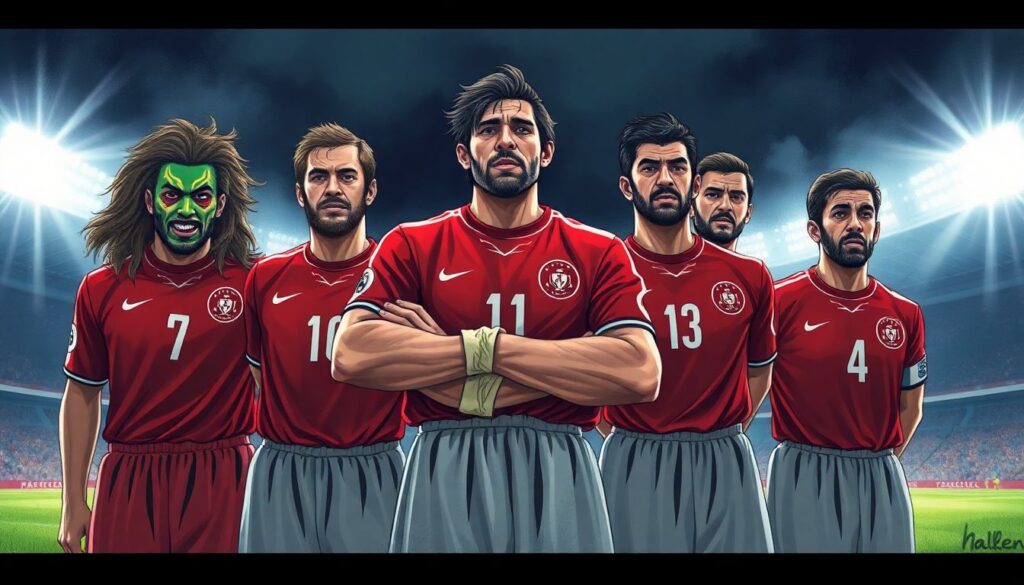
– 2002: Rüştü Reçber, Bülent Korkmaz, Alpay Özalan, Tugay, Hasan Şaş, Hakan Şükür. These were players who looked like they were made for knockout football: combative, slightly chaotic, but unbreakable. The captaincy was almost symbolic—there were leaders everywhere.
– 2024–2026: Hakan Çalhanoğlu, Merih Demiral, Çağlar Söyüncü, Kaan Ayhan, and the younger stars like Arda Güler and Kenan Yıldız. This group is more technical and more polished, but still learning how to manage tournament pressure. At Euro 2024, you could feel the team oscillating between brave, front‑foot football and nerves when defending a lead.
The 2002 team was built around grown men in their late 20s and early 30s. The current side is more of a talent wave—younger, higher ceiling, but emotionally less stable game‑to‑game.
H3: Step 3 — Style of play: grit vs. structure
The simplest split:
– 2002: Compact, reactive, dangerous in transitions, ruthless from set pieces. Think: survive, then punch.
– 2024–2026: More possession‑based, better at building from the back, pressing higher when the coach trusts the back line’s pace and positioning.
You can actually see the broader modern football trends here. Modern Turkey tries to keep the ball and create high‑quality chances; the 2002 side was fine winning ugly as long as they advanced. Neither is “better” in isolation; it depends on the opponent and context.
—
Modern trends that reshape the comparison
H3: Analytics and scouting

Today’s staff can dissect every phase of play. Back then, a lot was intuition and experience. Now:
– Opponent analysis is deeper
– Players’ load is monitored
– Squad building is more deliberate (finding specific profiles, not just “good players”)
This is why current debates don’t end with “we need more passion.” They talk about balance between double pivot and No. 10, optimal pressing heights, whether full‑backs invert, and so on.
H3: Globalisation and player pathways
Short but crucial:
In 2002, many stars came through domestic giants and then moved abroad. In 2026, a chunk of the squad grew up in German academies or moved early to Italy, Spain, England. The current Turkey is basically a hybrid of Super Lig and European schooling, which is a big reason the team is technically sharper than ever.
—
Today’s squad vs 2002: position‑by‑position feel
H3: Goalkeepers
Rüştü in 2002 was a one‑man aura: shot‑stopping, wild energy, face paint, the lot.
Current keepers are calmer, cleaner with their feet, and more suited to modern build‑up—but have yet to deliver a Rüştü‑style “I’m dragging us through this tournament” performance.
H3: Defence
Long paragraph for a messy area.
2002’s defence was old‑school: aggressive centre‑backs, full‑backs who could run all day, tight marking. They were vulnerable in space but compensated with sheer will and good organisation.
The 2026 defence is more comfortable on the ball but has had issues with concentration and decision‑making, especially in transitions. When Turkey presses high, the back line is left one‑on‑one, and this has been exploited by elite opponents. The flip side: when they get it right, they win the ball high and create better chances than the 2002 side ever did from open play.
H3: Midfield
2002 had workers and a couple of technicians. Tugay’s passing, Emre Belözoğlu’s energy, and a lot of runners around them. It was functional and brave, but not designed to dominate the ball at 60–65% possession.
Now, with Çalhanoğlu and a supporting cast of modern midfield profiles, Turkey can dictate rhythm against mid‑tier teams. The downside: the team sometimes falls in love with sideways possession and forgets the directness that made 2002 so deadly. The best games in the 2024 cycle were when the side combined both: controlled build‑up and rapid vertical attacks once spaces opened.
H3: Attack
Short contrast:
Hakan Şükür gave 2002 a fixed reference point—classic No. 9, a magnet for crosses. The current front line is more fluid and position‑less. Wingers drift inside, the “9” often drops out, and the team relies more on combinations than on constant crossing.
It’s more modern and harder to defend when it clicks, but it also means Turkey sometimes lacks that late‑game “just get it in the box to the big man” option.
—
Fan experience: from radio memories to multi‑screen reality
H3: Watching and following the team
In 2002, many fans still remember who had the good TV or the loudest radio. Now you follow live stats, instant replays, and social media hot takes in parallel.
If you’re planning a football trip, you don’t just look for tickets Turkey national football team matches; you also check seating views on forums, pyro rules, and whether you’ll be in the middle of an ultra section or a family stand. The experience has become more curated and data‑driven, just like the football itself.
H3: Kits, merchandise and identity
The 2002 shirt is retro gold now—literally museum‑piece territory for collectors.
The Turkey football shirts 2024 home kit pushed a cleaner, more minimalist aesthetic that matches modern football’s branding style: simple lines, tighter cuts, lots of marketing around youth and “new era” energy.
Merch culture exploded. You’re not hunting for a bootleg jersey in a market; you’re browsing a Turkish national team merchandise online store, comparing player‑issue vs fan version, adding scarves, caps and training tops to the cart. The national team has become a brand as much as a patriotic symbol, which again mirrors how the modern squad is built: more professional, more global, more commercial.
—
Betting, data, and how they skew perception
H3: From vibes to probabilities
People used to say, “We have heart, anything can happen.” Now you open an app and see betting odds Turkey Euro 2024 matches as cold, hard numbers about how likely progress is.
That shapes the conversation: if the algorithm said Turkey were slight underdogs in a knockout, a narrow loss now “confirms” expectations—something that didn’t exist in 2002. The golden generation feels even more magical in hindsight because we didn’t have pre‑game models calling their path.
—
Practical guide: how to make your own fair comparison
H3: Step‑by‑step comparison method
Here’s a simple process you can follow, whether you’re arguing in a café or writing a blog post:
1. Pick three tournaments to compare: 2002 World Cup, Euro 2024, and the most recent qualifiers (2025/26).
2. Watch one full match per tournament, not just highlights. Focus on off‑the‑ball movement, pressing, and positional discipline.
3. Note the game‑state behaviour: how Turkey plays at 0–0, 1–0 up, and 0–1 down. 2002’s mental strength stands out here.
4. Compare key metrics: average possession, shots conceded, where the ball is lost most often. This gives structure to gut feelings.
5. Layer in context: quality of opposition, injuries, and tactical trends at the time. A deep run in 2002 doesn’t automatically mean that team would walk past modern sides.
Short version: if you do the above, you’ll probably end up respecting both generations more—and arguing less emotionally.
—
Troubleshooting your own bias
H3: Common “errors” when comparing 2002 and 2026
Longer breakdown, because these traps are everywhere.
– Nostalgia bias
“Everything was better back then.” You remember the big wins and forget the scrappy group‑stage moments. Remedy: rewatch full matches, not just the goals vs. Brazil.
– Recency bias
Overreacting to the last bad performance in 2026 and declaring the current team “spineless.” Remedy: zoom out to whole cycles, not single games.
– Ignoring opponent level
Beating a weaker side comfortably in qualifiers today doesn’t necessarily equate to beating a strong World Cup opponent in 2002. Remedy: label every match with opponent strength.
– Confusing style with quality
Just because the 2024–2026 team plays more attractive, modern football doesn’t automatically mean they’re more effective in tournaments. Remedy: look at knockout‑stage results and game‑state management.
H3: How to argue about it without losing your mind
Short tip section:
When debate gets heated, ask one question: “Are we judging by emotion or by tournaments?” If your standard is “Who gave me more unforgettable nights?”, 2002 probably wins. If the standard is “Which era has more players who could start for Champions League clubs?”, the current one has a strong case. Different questions, different answers.
—
So who’s better: 2002 or the 2026 generation?
The honest answer:
– 2002 is still the high‑water mark for achievement and mentality in one short burst.
– 2024–2026 is the most promising base of talent Turkey has ever had, shaped by modern trends, better coaching, and deeper pathways abroad.
The story isn’t finished. The 2002 golden generation wrote an incredible one‑off tournament run. This current group will be judged on something broader: can they turn promise into a *sustained* presence at the sharp end of Euros and World Cups?
If they manage a deep run at the 2026 World Cup or Euro 2028, the conversation will change from “Can they match 2002?” to “Did 2002 just start something that this generation is finally finishing?”
Until then, maybe the best way to honour both is simple: wear the retro shirt, grab the new kit, fight for tickets Turkey national football team matches, and keep the arguments going—just with a bit more structure than “it was better in my day.”