
Historical background: from “play through pain” to planned recovery
Not so long ago, Turkish clubs treated injuries with a simple rule: if you can walk, you can play. In the early years of the Süper Lig, medical setups were tiny, data was almost non‑existent, и recovery meant ice, bandage and a prayer before the weekend game. As broadcasting money grew and European competitions became a serious goal, injuries suddenly turned into a financial and sporting problem, not just bad luck. Clubs started copying European models, investing in team doctors, physios and basic labs. That shift laid the groundwork for modern sports injury recovery programs for professional football players, where decisions are based on structured protocols instead of the head coach’s instinct or the player’s pride.
Basic principles: building a system around the player, not the matchday
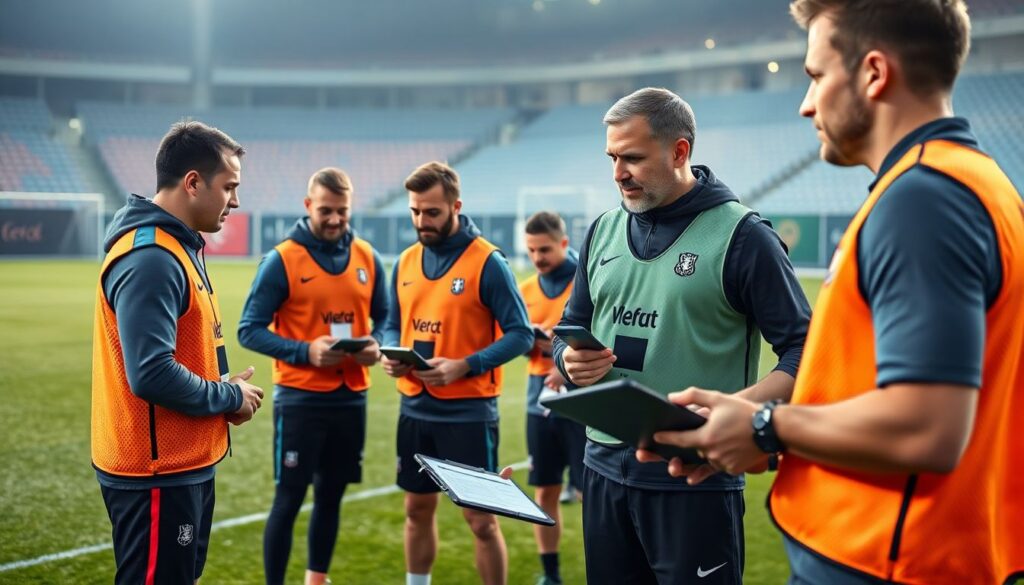
Today top Süper Lig sides think in systems, not quick fixes. The core idea is simple: every training load, sprint and recovery session is planned and measured. Player fitness tracking and monitoring solutions for football clubs combine GPS vests, heart‑rate sensors, wellness questionnaires and sometimes sleep data. Medical teams translate these numbers into practical choices: who needs reduced minutes, who must skip contact drills, whose strength program has to be adjusted. The focus shifts from “Is he available for Sunday?” to “Will he still be at his peak in April?”. When this logic drives preparation, re‑injury rates drop and expensive stars stay on the pitch instead of in the treatment room.
Basic principles: multidisciplinary care and smart rehab progressions
Modern Süper Lig setups rely on a multidisciplinary chain: team doctors, physios, strength coaches, analysts and psychologists. Effective football injury prevention and rehabilitation services start with honest diagnosis, continue with controlled loading, and end with a gradual return to full training. A winger with a hamstring problem, for example, will go through mobility work, isolated strength, then linear runs, curved runs, and only after that full‑speed sprints and one‑on‑one duels. Many clubs also cooperate with the best sports medicine clinics for footballers in Turkey when they need advanced imaging, surgery or second opinions, making sure that each serious case is checked from more than one medical angle before the player returns.
Examples of implementation: how Süper Lig clubs structure daily routines
Take a typical week at a competitive Süper Lig club. The day after a match, players are split: heavy‑load guys go into recovery mode with pool sessions, light cycling and massage, while those who didn’t play much do a sharper training block. Staff use data from training and games to set the next day’s drills, adapting intensity by position and individual needs. Physiotherapy and rehab centers for Süper Lig football players often host injured squad members for morning therapy and afternoon gym work, synchronized with the club’s own schedule. This constant communication prevents overlaps and ensures that when a player is cleared, he is not just pain‑free but physically prepared for real match tempo.
Examples of implementation: using technology without becoming a slave to numbers

Technology is a big help, but it is not allowed to dictate every decision. Analysts may flag that a full‑back’s high‑speed running has spiked for two weeks in a row, while the medical team observes mild tightness on clinical tests. They will then reduce his volume, adjust his gym program and add extra soft‑tissue work, often preventing a strain before it happens. Some clubs even integrate outside sports injury recovery programs for professional football players during pre‑season camps abroad, combining local climate benefits with advanced rehab tools. The trick is to treat data as a conversation starter, not a verdict, and to always cross‑check with how the player actually feels and moves on the pitch.
Common misconceptions: myths that still hurt players and careers
One stubborn myth says that more training always equals better performance. In reality, many muscle injuries in the Süper Lig happen when players are overloaded while still fatigued from previous games or travel. Another misconception is that pain is just “part of football” and must be ignored. That attitude turns manageable issues into months‑long absences. Some fans still believe that sending a star to a famous foreign doctor is automatically better than using local expertise, yet many of the best sports medicine clinics for footballers in Turkey match European standards. The key is continuity: a good long‑term plan beats one flashy visit to a big‑name specialist almost every time.
Common misconceptions: typical rookie mistakes in managing fitness
Newcomers to professional football—young players, new coaches, even fresh medical staff—often repeat the same errors. Rookies chase quick comebacks, begging to skip rehab steps because they “feel fine”. They underestimate how much controlled strength and coordination work is needed after the pain is gone. Others copy social‑media workouts instead of following club protocols, overloading themselves with extra runs and gym sessions. Staff new to the league may focus on impressive gadgets, forgetting that football injury prevention and rehabilitation services only work when players actually buy in. Ignoring sleep, nutrition and stress management is another classic rookie mistake that quietly undermines even the best‑designed recovery plans.
Common misconceptions: short‑term thinking vs sustainable performance
Perhaps the most damaging error is short‑term thinking. Some coaches push half‑fit players into key matches, gambling on a quick boost and ending up with long layoffs. Younger footballers, eager to impress, hide symptoms, take painkillers and skip check‑ins, which only masks problems. A smarter mentality treats the season as a marathon, not a sprint. Clubs that align their medical, fitness and coaching staff, invest in realistic timelines and use reliable player fitness tracking and monitoring solutions for football clubs build deeper squads and longer careers. When everyone accepts that smart rest is part of high performance, the so‑called injury crisis becomes a manageable challenge rather than an unavoidable disaster.