Setting the scene: why politics and football mix in Turkey
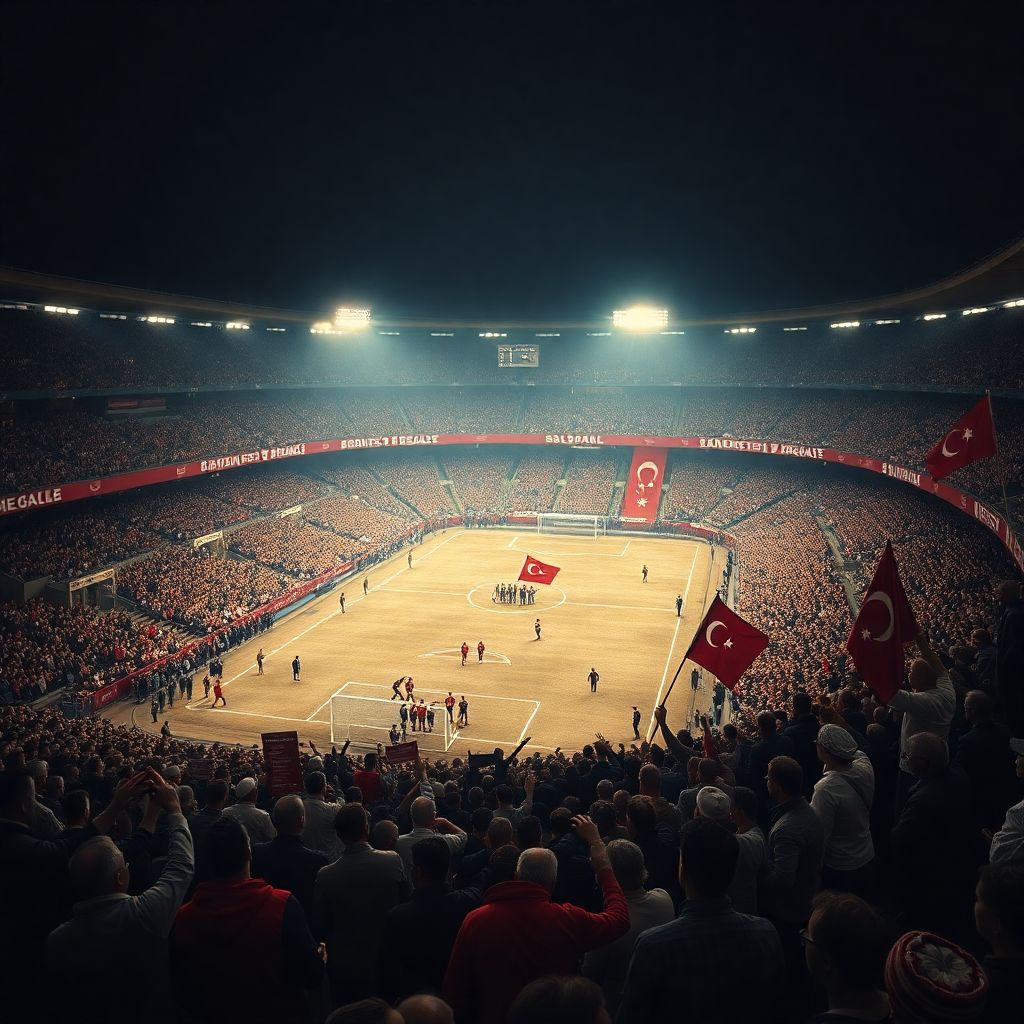
Talk to any Turkish fan and you realise pretty fast: football here is never just 22 people and a ball. Stadiums work like open-air parliaments, where class, religion, nationalism and city pride all shout at once. From the fall of the Ottoman Empire to the highly polarised 2020s, political and social shifts have constantly reshaped who plays, who watches and who profits. If you want to follow the story, you almost have to treat every chant, club rivalry and transfer rule as a political document, written in real time on the pitch and in the stands, not simply in dusty archives or academic papers that few supporters actually read.
From empire to republic: building a new identity on the pitch
In the late Ottoman years, football was mostly a game of minorities and foreign schools; Muslim elites often distrusted it as a Western fad. With the republic in 1923, everything flipped. The new regime needed modern, disciplined, secular citizens, and football looked like a perfect training ground. State-backed clubs and military teams flourished, while nationalist rhetoric wrapped itself around early derbies. Reading a good Turkish football history book, you can trace how slogans about “westernisation” and “progress” were mirrored by pushes for physical education, stadium construction and the centralisation of leagues under Ankara’s careful watch. Football became both a stage and a loudspeaker for the new republic.
Cold War years: militarisation, class tension and terrace culture
During the Cold War, Turkey’s fragile multi‑party politics spilled straight onto terraces. The military saw football crowds as both a threat and an opportunity: dangerous if left alone, useful if steered. Big-city clubs like Fenerbahçe, Galatasaray and Beşiktaş symbolised different social worlds—business elites, old republican bureaucracy, rising urban migrants. Industrial teams from Anatolia echoed worker identities and local grievances. Police presence grew, chants became sharper, and hooligan groups formed their own moral codes. When you watch an old match via Turkey football documentary streaming, you’ll often glimpse more than tactics: banners about unions, hints of student movements, and a security apparatus quietly measuring how much dissent a stadium could safely absorb.
1980 coup and neoliberal turn: clubs as businesses, fans as consumers
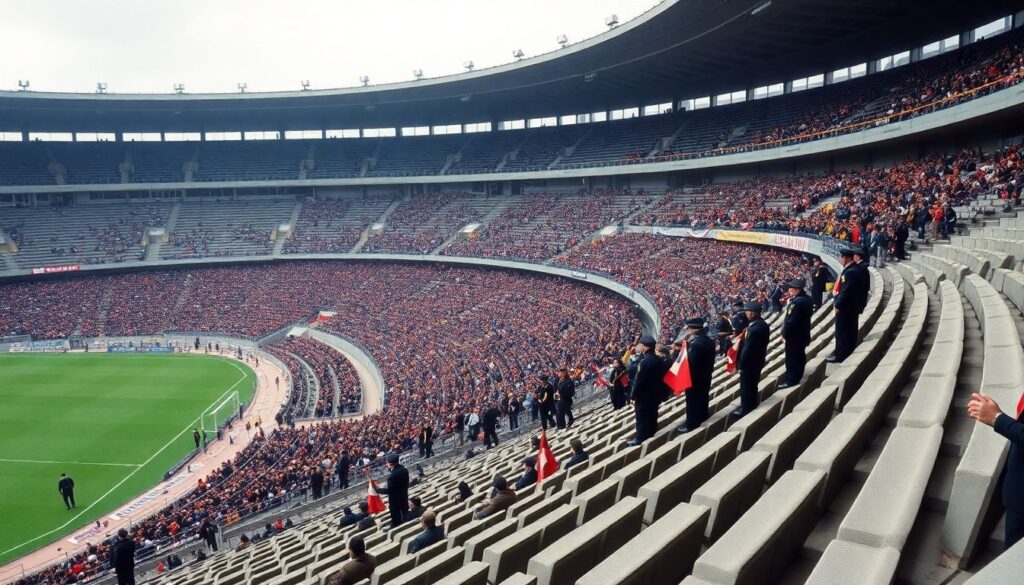
The 1980 military coup aimed to depoliticise public life, and terraces were an obvious target. Ultra-left and right-wing fan groups were repressed; heavy surveillance and strict laws tried to turn stadiums into controllable spaces. At the same time, the 1980s neoliberal reforms pushed clubs toward corporate structures and sponsorship deals. Broadcasting rights, merchandising and transfers exploded in value. Fans were subtly recast as paying customers, not political actors. Yet this shift never fully erased older habits: chants lost some ideological edge but kept their us‑versus‑them flavour, now redirected toward rival clubs and referees. The new money also deepened class divides: good seats moved out of reach for many, while local amateur fields decayed or disappeared under urban redevelopment.
EU ambitions, AKP era and soft power of the game
From the early 2000s, Turkey’s EU bid and the rise of the AKP reshaped football again. Modern stadiums, foreign coaches and a more global media image aimed to show a confident, booming country. The 2002 World Cup bronze and Galatasaray’s 2000 UEFA Cup win fed a narrative of national success. Yet politicisation simply changed costume. Municipalities controlled by different parties used club subsidies and stadium projects to reward loyal regions. Religious conservative circles, once distant from ultra culture, started claiming space in stands and boardrooms. Buying tickets for Turkish Super Lig matches in this period meant stepping into arenas that looked European on TV but still carried local battles over secularism, faith and regional inequality just below the glossy surface.
Gezi protests, digital fandom and polarised stadiums
The Gezi Park protests in 2013 marked a turning point. Ultra groups from rival clubs united in street clashes and marches, breaking the stereotype that fans only cared about scores. The state responded with legal pressure, new e‑ticketing systems and heavy policing, framed as anti‑violence measures but widely seen as tools of surveillance and control. Social media then rewired everything: clips from terraces went viral, boycotts spread quickly and online fan TV channels challenged official narratives. Today, stadiums can swing between carnival and tension in minutes, especially during politically loaded fixtures. Even away from matches, online arguments about referees, foreign players or national team selections often double as coded debates about democracy, corruption and cultural identity.
Necessary tools for exploring this entangled history
If you want to really understand how politics shaped Turkish football, treat it like a hands‑on research project. Your basic tools are varied: match archives, biographies, sociological studies and longform journalism, of course, but also fan forums, podcasts and old fanzines. Add live experience: stadium visits, conversations with supporters of different generations, even guided football history tours Istanbul fan groups occasionally organise. Visual material matters too—club murals, fan banners, TV adverts. Each source carries its own bias, so you need a comparative mindset: check what state institutions claim, what clubs publish and how ordinary fans remember the same event; the gaps between them often tell the real story.
Step‑by‑step: reading politics through clubs, games and streets
A practical way to work is to move from big structures to small details. Start by mapping regime changes—the early republic, coups, AKP dominance—and note what happened to league formats, censorship and state funding around each period. Next, pick two or three emblematic clubs, maybe one Istanbul giant and an Anatolian side, and follow their ownership, fan base and stadium moves over time. Then layer in media: historic newspapers, modern blogs, and that niche Turkey football documentary streaming channel you stumble upon late at night. Finally, walk the neighbourhoods around stadiums, if you can. Street names, graffiti and café culture often reveal more about class shifts and political loyalties than official club slogans do.
Troubleshooting myths, nostalgia and one‑sided narratives
Researching this topic, you’ll keep hitting three common problems. First is nostalgia: older fans may swear that “football used to be apolitical,” ignoring how 1960s or 1980s regimes used the sport. Second is conspiracy thinking, where every referee call becomes proof of some deep-state plot; here, cross‑checking sources is essential. Third is Istanbul‑centrism: media and even academic work often neglect Anatolian stories. To counter that, look for regional histories, local archives and even the best Turkish football memorabilia shop online, where obscure scarves and badges hint at forgotten club identities. Whenever an explanation seems too neat—“the state controls everything” or “fans are only consumers”—pause and test it against messy, conflicting evidence.
From collecting objects to collecting stories
Physical artefacts may look like simple souvenirs, but they’re miniature political documents. Old ticket stubs show pricing policies and segregation of stands; match programmes reveal official slogans of the era. Fans who carefully guard these items are, in effect, running their own grassroots archives. When you chat with collectors or browse their finds, you often hear about stadium demolitions, policing incidents or banned choreographies that never made big headlines. That’s why some researchers treat private collections almost like informal museums. Together with oral history interviews, they help recover the voices of groups usually sidelined in official records: women supporters, Kurdish fans, migrant workers, or ultra leaders who refused deals with local politicians.
Watching, reading and travelling with a critical eye
By 2026, the ecosystem around the game is sprawling. You can binge a glossy docuseries, order tickets for Turkish Super Lig matches in seconds and plan weekends around derbies. There’s even niche travel focused on stadiums and supporter culture, echoing those guided football history tours Istanbul agencies quietly promote to foreign visitors. All of that is useful, as long as you keep asking: who produced this, and what story are they trying to sell? Use documentaries, podcasts and club museums as entry points, not final answers. Put what you see on screen or in exhibitions beside what fans chant, how police behave at games and how local media frames controversies; the contradictions are where real insight hides.
Why Turkish football remains a moving political laboratory
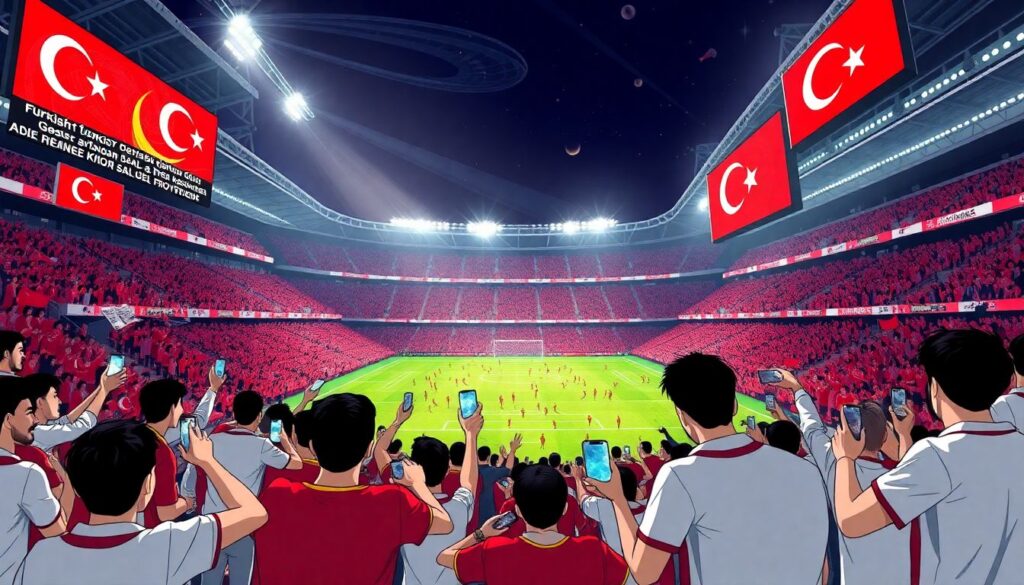
Turkish football in the 2020s is pulled in different directions at once: globalised broadcast deals, intense domestic polarisation, and a young, digital‑native fan base that can’t easily be steered from above. The national team’s mixed fortunes, debates over foreign player limits and recurring scandals around referee assignments all become proxies for deeper arguments about meritocracy, centralisation and national pride. As more material gets digitised and accessible, from classic matches to fan-shot footage, new generations can re‑read the past with fresh questions. Whether you’re writing academic work or just satisfying curiosity, the key is to see every matchday as a snapshot of how power, culture and ordinary lives intersect in contemporary Turkey.