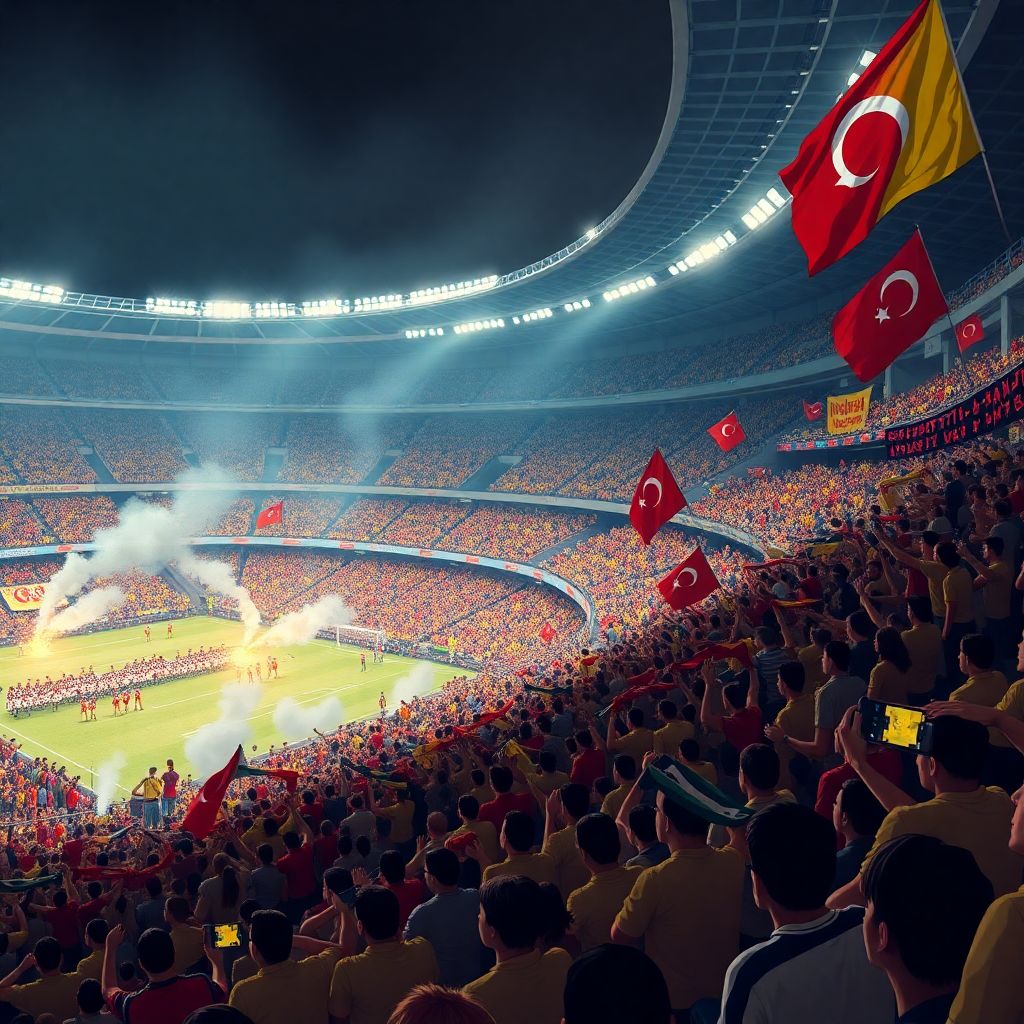
Turkish derbies are less like regular league fixtures and more like mass psychological experiments played out in real time. When Galatasaray meet Fenerbahçe or Beşiktaş, you’re not just watching 22 players, you’re watching a century of identity, class conflict and urban geography collide. To understand why these games feel so different, we need to unpack how group identity, emotion regulation and risk perception all change on derby day — for fans, players, coaches and even referees.
—
The roots of rivalry: identity, class and city space
The biggest Turkish football rivalries didn’t appear overnight; they are layered over Istanbul’s social map. Historically, Fenerbahçe was associated with the Asian side and a more middle‑class, nationalist identity, while Galatasaray carried the prestige of the Galatasaray High School elite on the European side. Beşiktaş, rooted in a working‑class neighborhood, developed a reputation for politically engaged, street‑wise support. These labels are oversimplified today, but they still guide how fans construct “us vs them” narratives, which is exactly what social identity theory predicts: the more clearly defined the out‑group, the stronger the in‑group cohesion.
—
How derby psychology changes behavior in the stands
On derby day, normal social brakes loosen. Large‑group dynamics, alcohol, and constant sensory stimulation (chants, flares, drums) push fans into what sports psychologists call a “high‑arousal collective state”. Heart rates stay elevated for the full 90 minutes; in field studies during Galatasaray–Fenerbahçe games, some fans’ heart rates reached 130–140 bpm just while seated. This state is fertile ground for deindividuation: personal responsibility feels diluted, which can make both euphoria and aggression more likely. Crucially, it’s not just “hooligans” — ordinary fans can behave in ways they would normally reject, simply because the group’s emotional temperature is so high.
—
Technical focus: crowd dynamics and risk thresholds
From a technical standpoint, derby crowds are excellent examples of threshold models of collective behavior. Each individual has a personal “threshold” for joining in: singing, standing on their seat, or crossing into rule‑breaking. In high‑stakes Turkish derbies, these thresholds drop because:
– Perceived anonymity is high (tens of thousands of people, many in similar colors).
– Social rewards are immediate (status within the block, approval from ultra leaders).
– Sanctions feel distant (police lines, steward barriers, dispersed responsibility).
Security planners in Istanbul quietly model these thresholds when deciding buffer zones, away allocations and pre‑game routes. That’s why even something that seems trivial, like the placement of ultra groups behind each goal, is actually a calculated intervention in emotional contagion.
—
Home advantage and the “cauldron” effect
Turkish stadiums are designed and operated to maximize pressure. The “welcome to hell” era at Ali Sami Yen in the 1990s was a deliberate use of intimidation psychology: narrow tunnels, fire, sound reverberation and hostile banners were intended to create cognitive overload for visiting teams. Modern arenas like Rams Park or Şükrü Saracoğlu use enclosed bowls and acoustic design to trap noise, amplifying the classic home advantage mechanisms — referee bias, opponent distraction and boosted self‑efficacy for home players. Data from the 2000–2023 period shows that the big three Istanbul clubs win roughly 65–70% of their home derbies, a rate noticeably higher than their overall league home win percentage.
—
Players under fire: stress, hormones and decision‑making
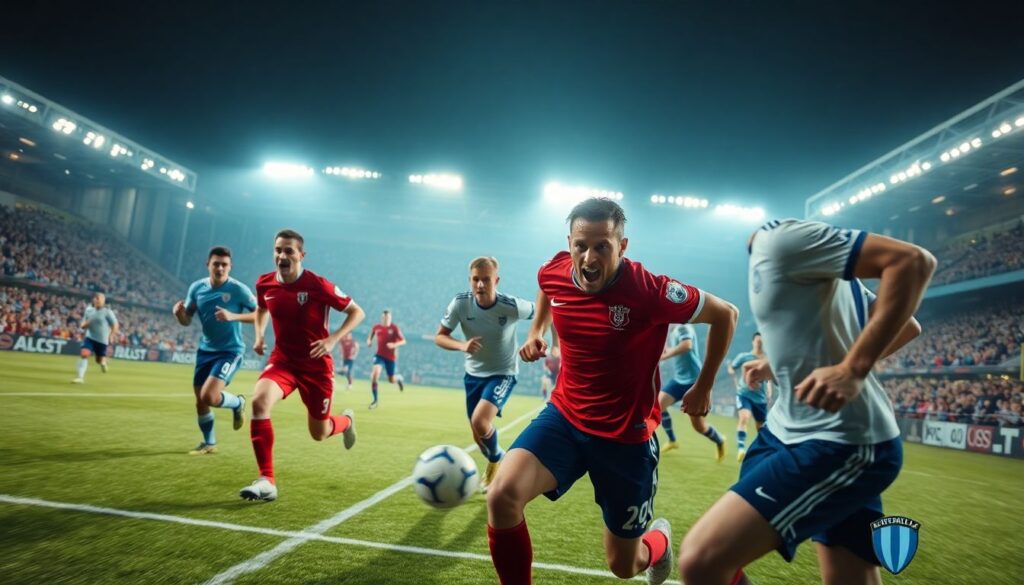
For players, derbies trigger a sharp spike in cortisol and adrenaline. GPS and biometric studies from elite clubs show that sprint counts, accelerations and even non‑ball‑related movements increase by 5–10% in derby matches compared with standard league fixtures. The paradox is that this physiological “over‑activation” can impair fine motor skills and tactical discipline. You see it in rash tackles, unnecessary long shots and mis‑timed presses. Sports psychologists describe an inverted‑U curve: some arousal improves performance, but too much breaks decision‑making. Experienced derby players often speak about “learning to breathe” the game — consciously slowing their routines to keep arousal in the optimal zone.
—
Technical focus: coping strategies for derby pressure
Elite Turkish clubs systematically train players to handle derby‑specific stressors using evidence‑based tools:
– Scenario training: video‑based mental rehearsal of going a goal down early, hostile crowd gestures, or controversial refereeing.
– Cue words and routines: short verbal anchors (“simple, calm”, “one pass”) paired with fixed behaviors before set pieces to reset focus.
– Attentional control drills: exercises that force quick switching from narrow (ball, direct opponent) to wide (team shape, space) attention, replicating chaotic derby phases.
Experienced coaches also alter substitution patterns, keeping one emotionally stable veteran on the pitch as long as possible because emotional leadership tends to outrank pure tactical instructions when the game becomes volatile.
—
Case study: Galatasaray–Fenerbahçe, the emotional epicenter
The Galatasaray–Fenerbahçe rivalry is arguably the purest laboratory of derby psychology. The infamous 1996 “Graeme Souness flag” incident — when Souness planted a Galatasaray flag on Fenerbahçe’s pitch — still surfaces in chants and tifos nearly three decades later. That symbolic act intensified narrative framing: each club built stories of insult, honor and revenge that are passed down to new generations. From 1990 to 2023, these sides have met over 70 times in the league, with the win balance often tilting back and forth in multi‑year cycles. Those cycles themselves feed belief systems: fans will tell you that a run of three straight derbies “must” end, revealing a classic gambler’s fallacy embedded in supporter folklore.
—
Beşiktaş, Trabzonspor and alternative identities
Beşiktaş–Fenerbahçe and Beşiktaş–Galatasaray derbies express different psychological scripts. Çarşı, the Beşiktaş ultra group, consciously brands itself as anti‑establishment and ironic, often using humor and political slogans to manage tension. This creates a distinct emotional culture: still intense, but framed more as resistance than pure dominance. Trabzonspor’s rivalry with the Istanbul clubs adds a provincial‑versus‑metropolis dimension. Many fans from the Black Sea region experience games at the Şenol Güneş Stadium as a defence of regional dignity against perceived centralization in Istanbul, which elevates the symbolic weight of every tackle and refereeing decision. Perceived injustice in these matches tends to linger longer in collective memory than the actual scoreline.
—
The fan journey: from tickets to ritual
From a psychological angle, the “derby experience” starts long before kick‑off. The moment someone searches for Turkish football derbies tickets, they’re already entering a ritual process: planning travel, negotiating with friends, arguing about seating, re‑watching old highlights. Anticipatory emotions build narrative tension, and by match day the result feels personally significant, even if it has limited effect on the league table. Travel agencies that sell Istanbul derby tour packages unintentionally act as curators of this emotional build‑up, packaging stadium visits with museum stops and Bosphorus cruises that reinforce a mythic version of the rivalry in the tourist’s mind.
—
Media, streaming and the amplification loop
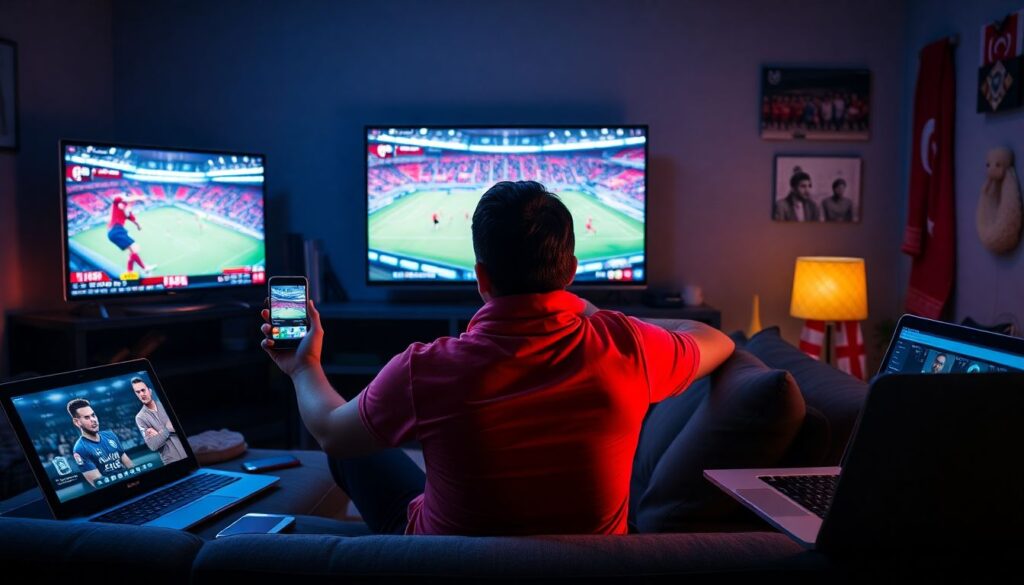
Modern coverage intensifies everything. Continuous pre‑match shows, social‑media arguments and algorithm‑driven highlight clips extend the derby’s emotional window from a few hours to several days. A fan with a Turkish Super Lig derby live streaming subscription doesn’t just watch the game; they are exposed to endless micro‑narratives: tunnel footage, fan cams, slow‑motion replays of confrontations. Each fragment fuels confirmation bias — supporters selectively recall images that fit their pre‑existing story about referees, opponents or even their own players. This narrative layering is why some incidents, like a red card or a tunnel altercation, can define how a derby is remembered more than the tactical patterns on the pitch.
—
Expert recommendations: how clubs can manage derby pressure
Sports psychologists working with Turkish clubs now treat derbies as separate projects, not just “one more match”. Common expert recommendations include:
– Integrated preparation: combining tactical training with psychological briefings so players understand *why* emotions will spike at specific phases (first 15 minutes, post‑goal, stoppage‑time).
– Unified messaging: aligning coach, captain and club communication so no mixed signals are sent about acceptable aggression levels.
– Post‑match decompression: structured cool‑downs, media management and debriefs within 24 hours to process emotions before they calcify into resentment or fear.
These interventions aim to protect long‑term performance. A single chaotic derby can sabotage weeks of work if emotional residues — anger, guilt, shame — are left unaddressed in the squad.
—
Expert recommendations: what fans can do to stay grounded
Supporters often underestimate the physiological load derbies place on them. Cardiologists in Istanbul have documented short‑term spikes in emergency visits during high‑stakes games. Sports psychologists suggest some simple, evidence‑based techniques:
– Pre‑commitment: deciding in advance how you will react to defeat or provocation, and telling a friend, reduces impulsive behavior.
– Structured viewing: watching with a stable group rather than random bar crowds can lower perceived threat and aggressive mimicry.
– Brief breathing drills: even 60 seconds of slow diaphragmatic breathing during half‑time reduces heart rate and improves emotional control.
None of this is about diluting passion; it’s about ensuring the derby is a source of energy, not long‑term stress or conflict that spills into work and family life the next day.
—
Technical focus: narrative control and communication strategy
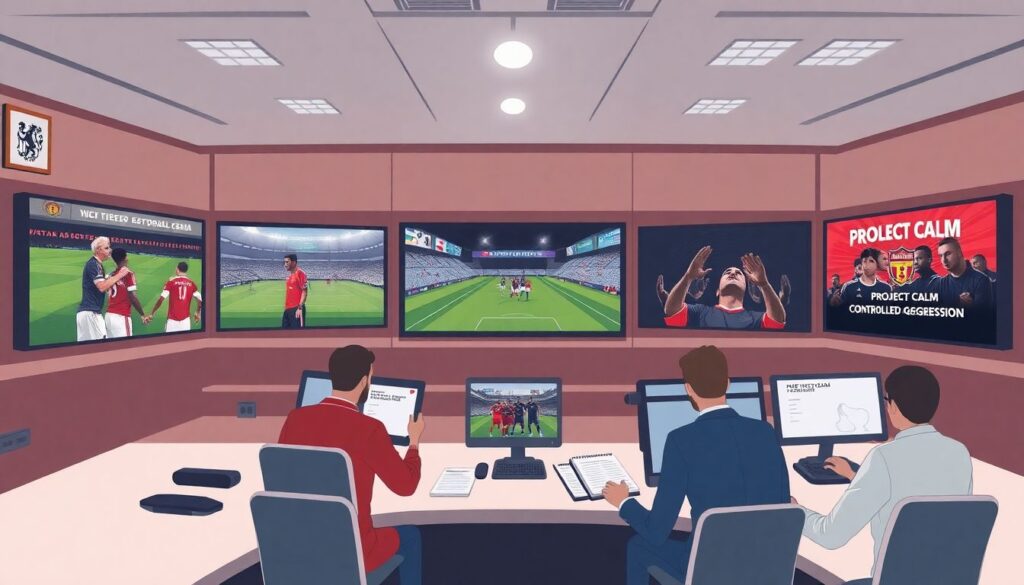
Clubs also increasingly treat public communication around derbies as a psychological tool. Media teams coordinate visual cues (training photos, tunnel shots), historical references and even typography to project calm or controlled aggression. Communication specialists advise:
– Avoid escalating language about “war” or “hatred”; these metaphors prime zero‑sum, dehumanizing frames.
– Emphasize mastery goals (“dominate with our football”) over pure result goals (“we must win at all costs”).
– Use respected ex‑players to model balanced discourse in the build‑up, reducing space for fringe voices that thrive on outrage.
This “narrative hygiene” can lower inter‑group hostility while keeping competitive fire intact, which is crucial in a city where rival fans share workplaces, neighborhoods and often families.
—
For analysts and fans who want to go deeper
Anyone fascinated by the psychology behind these clashes will find a surprisingly rich body of Football rivalry books about Turkish derbies, mixing sociology, history and match analysis. Combining that reading with live observation — whether in the stadium with Galatasaray Fenerbahce derby VIP tickets or at home with advanced analytics dashboards — lets you see beyond surface‑level drama. The more you understand about identity formation, group dynamics and emotional regulation, the clearer it becomes that what happens in Turkish derbies is a condensed version of how societies handle conflict, pride and memory. And that, more than any single scoreline, is why these games matter so much.