Modernization wave: how new stadiums changed the baseline
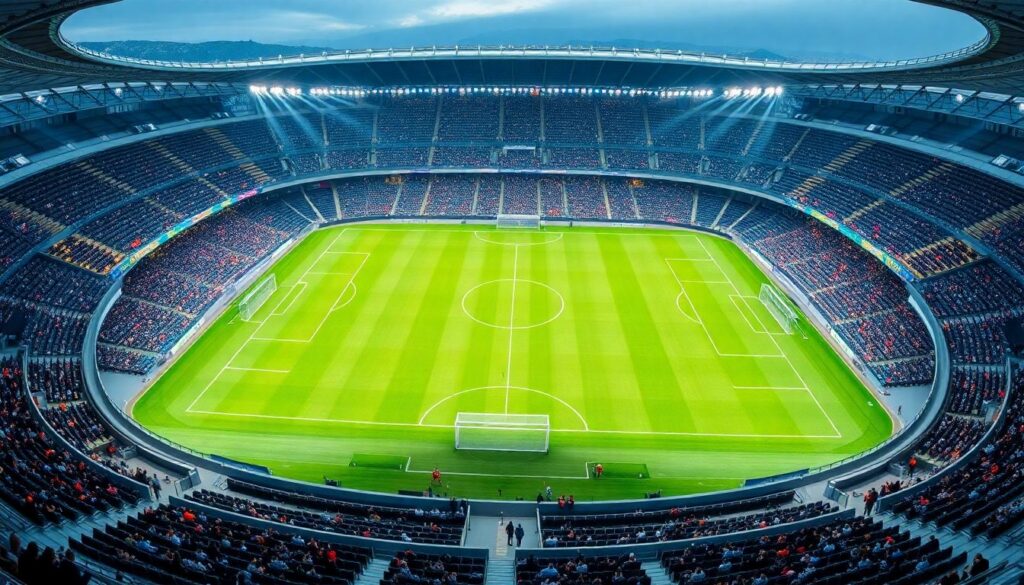
Over the last decade, Turkey has gone through a quiet revolution in stadium design. Old concrete bowls were replaced with multifunctional arenas that meet UEFA Category 4 standards and support high-density mobile networks, advanced CCTV and dynamic LED systems. According to federation data, average attendances in major cities grew notably right after openings of new grounds, driven by better comfort, improved acoustics and safer access control. Fans describe this shift simply: the match is no longer a three‑hour outing, it is a full‑day experience combining sport, entertainment and social time in a single, integrated venue ecosystem.
Tickets, access and the new matchday journey
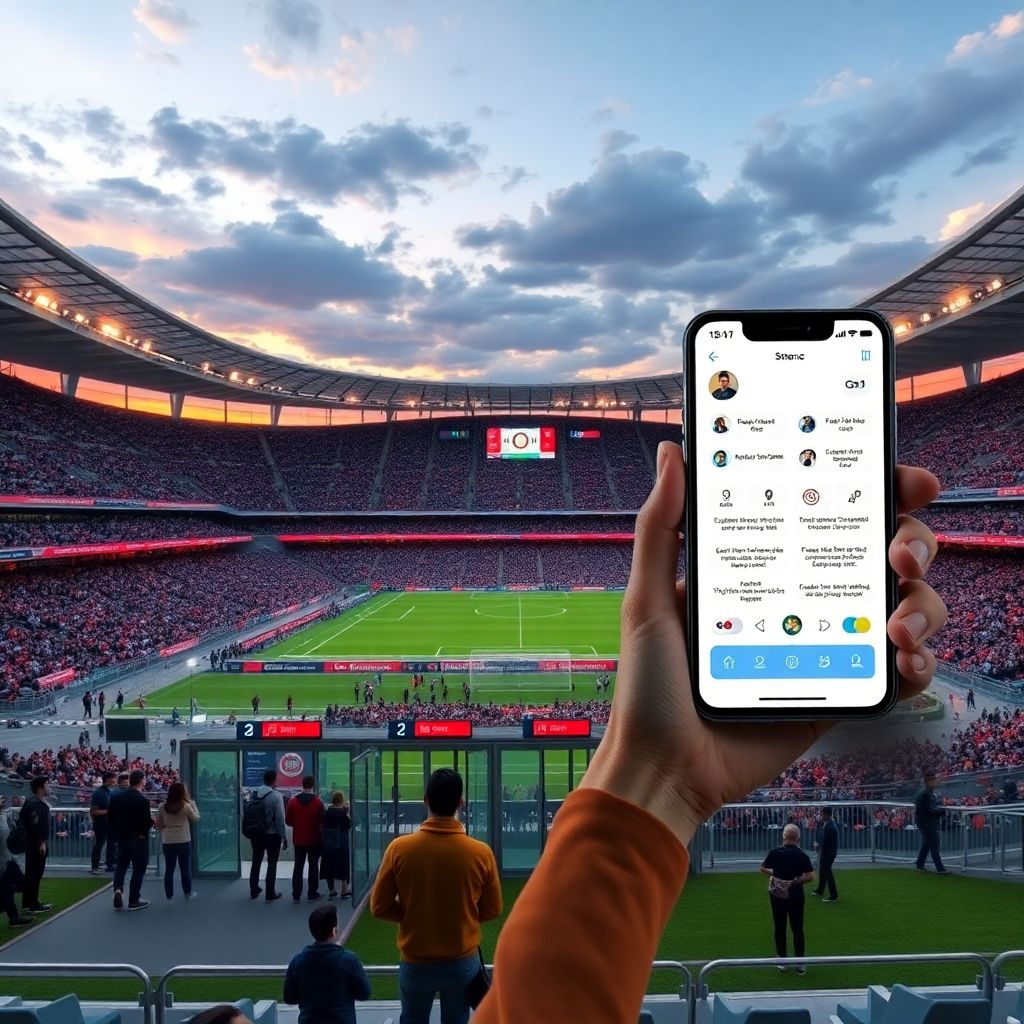
Modern arenas radically altered how supporters buy and use turkey football stadium tickets. Contactless turnstiles, mobile QR codes and centralized ticketing platforms reduced queues and informal resale, while dynamic pricing became standard for high‑demand fixtures. From the fan’s perspective, the “pain points” moved from the gate to the planning phase: deciding when to arrive, which entrance to use, which food court is less crowded. Stadium apps now bundle navigation, parking data and concession menus, effectively turning the smartphone into a personal matchday assistant and raising expectations for seamless digital integration.
Comfort, acoustics and the “wow” factor
If you ask supporters which are the best modern football stadiums in turkey, they rarely speak only about architecture; they talk about sightlines, roof coverage and sound pressure. Steeper stands and continuous roofs increased perceived intensity without compromising safety regulations. At the same time, wider concourses, family sections and barrier‑free design made attending games more inclusive for women, children and people with disabilities. The result is a dual outcome: a more intimidating environment for visiting teams and a more ergonomic, low‑stress environment for home fans, which strongly supports long‑term loyalty and repeat attendance.
Hospitality, VIP formats and revenue logic
A crucial driver of modernization has been premium inventory. New venues were designed around turkey super lig matchday hospitality packages that combine curated catering, dedicated parking and concierge‑level service. Instead of a few isolated skyboxes, we now see layered products, from club lounges to field‑level seats. This stratification lets clubs monetize different willingness‑to‑pay segments more precisely. Corporate demand for vip boxes and corporate seats turkish stadiums has risen, as companies use matches for client acquisition and internal incentives, effectively converting sporting events into relationship‑management platforms measured in sponsorship ROI rather than pure ticket income.
Broader industry impact and non‑matchday use
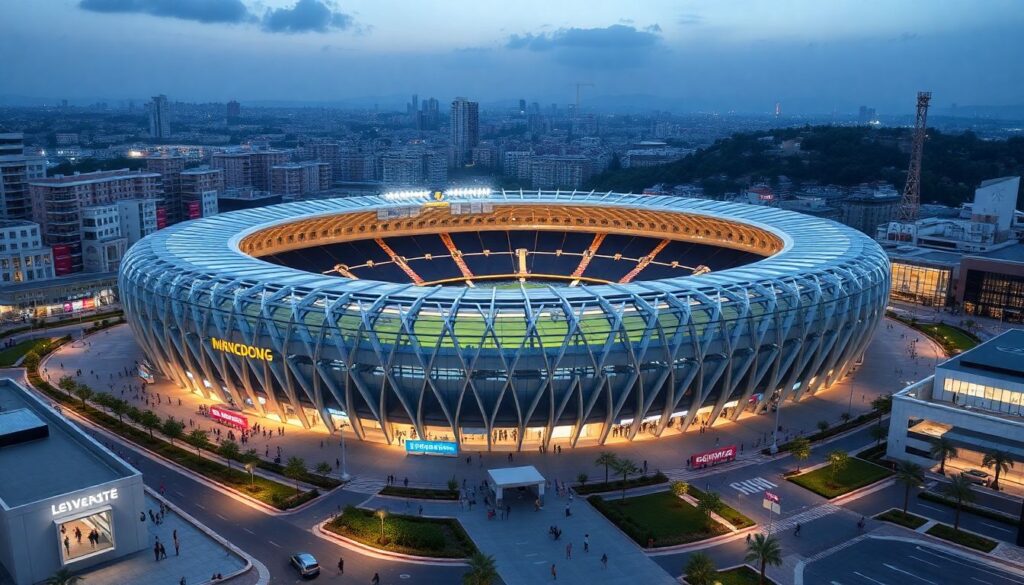
Modern stadia in Turkey no longer function merely as venues for ninety minutes of football; they act as anchor assets in urban development. By integrating retail zones, conference halls and museum spaces, operators extend usage to weekdays and off‑season periods. This diversification reshapes employment patterns, creating stable service and operations jobs beyond matchdays. At the same time, turkey football stadium tours and experiences have evolved into structured products: guided visits, interactive exhibits, even VR recreations of historic games. For clubs, this is a continuous engagement funnel that deepens emotional attachment and generates incremental revenue.
Forecasts and expert recommendations
Industry analysts expect digitalization to become the dominant differentiator over the next five years. Key scenarios include personalized pricing, AI‑based crowd flow management and fully cashless ecosystems. To keep the modernization wave sustainable, experts commonly highlight several priorities fans and decision‑makers should watch. These recommendations focus on operational excellence rather than just new construction, and they treat the stadium as a living platform that must adapt to changing supporter behavior, media formats and regulatory constraints while still preserving local identity and club culture.
1. Prioritize data‑driven operations: Experts advise clubs to centralize ticketing, F&B and merchandising data in one analytics stack, enabling precise segmentation and predictive demand models. This improves yield management, helps structure tiered offerings from budget seats to hospitality products and reduces operational waste.
2. Invest in connectivity and apps: High‑capacity Wi‑Fi, 5G coverage and robust apps are described as “non‑negotiable.” They support mobile ticketing, in‑seat ordering, real‑time crowd information and second‑screen content, turning the stadium into an extension of digital fan ecosystems.
3. Design for inclusivity and local context: Consultants stress that modernization must not produce generic arenas. They recommend maintaining visual links to club history, creating safe zones for families and away fans, and incorporating local food vendors, so the upgraded matchday experience still feels distinctly Turkish and not like a copy of foreign models.