
Turkish clubs can safely scout and sign hidden gems from Africa, South America and the Balkans by combining trusted local partners, data-based shortlists, rigorous due diligence, and structured contracts. Use verified scouting networks, cross-check all information, insist on clear ownership and compliance, and design realistic development and loan pathways tailored to each region.
Scout Intelligence Snapshot
- Build layered scouting: in-house scouts, trusted local contacts and vetted professional football scouting services for clubs, not one-off intermediaries.
- Use video and data to validate live reports and narrow down Turkish football transfer market hidden gems before travelling.
- Standardise due diligence on agents, club ownership, injuries, age and character, especially in less regulated environments.
- Mitigate legal risk: fight third‑party influence, clarify training compensation and solidarity payments, and document every agreement.
- Structure contracts with options, sell‑on clauses and performance bonuses instead of overpaying fixed fees for unproven players.
- Plan onboarding and loan strategies in advance so African, South American and Balkan players adapt smoothly to Türkiye.
Scouting Networks and Local Partnerships
This approach fits Turkish Süper Lig and 1. Lig clubs that want to access markets where competition is lower and prices are still reasonable. It works best if your club already has a basic scouting structure and can dedicate at least one staff member to coordination and follow‑up.
Avoid aggressive expansion into new regions when you:
- Lack internal capacity to track and verify information coming from multiple countries.
- Do not have budget for travel, translation, medical checks, and compliance reviews.
- Are under short‑term pressure to win the league or avoid relegation at any cost.
- Cannot offer clear development pathways (minutes, loans, language support) to young imports.
To open these regions safely:
- Identify core regions and competition levels. Prioritise 2-3 target markets: for example, West Africa U21, best South American wonderkids for transfer 2025 playing in secondary leagues, and U23 players in smaller Balkan clubs.
- Combine in‑house and external eyes. Keep final evaluation in‑house but use local scouts, reputable football scouting agencies for Balkan players, and regional consultants for Africa and South America.
- Formalise relationships. Use written agreements that define scope (reports, video, introductions), fees and non‑exclusivity. Avoid verbal “handshake” promises with intermediaries.
- Create feedback loops. After each transfer window, review which local tips became real targets, which failed, and adjust your network accordingly.
Data-Driven Scouting: Analytics, Video and Remote Trials
To modernise how European clubs scout African football talents and similar markets, Turkish clubs should combine low-cost data tools with structured video review and, when possible, remote testing.
Core requirements and tools:
- Data and competition access
- Affordable data platforms that cover African, South American and Balkan leagues you target.
- Basic performance metrics: minutes, positions played, goals/assists or defensive actions, expected metrics if available.
- Reliable databases for player identity, previous clubs and contract status.
- Video and tagging workflows
- Access to league feeds, club streams or independent filming from partners.
- Simple internal guidelines on what to tag: key actions, off-ball behaviour, transitions.
- Shared storage with standard naming so multiple scouts can review the same player.
- Remote tests and assessments
- Fitness and speed tests conducted by trusted local staff, with clear protocols.
- Short remote interviews (with translator when needed) to check mentality, language readiness and motivation.
- Optional: GPS or wearable data if the partner clubs already use them.
- Internal scoring model
- Define a simple scoring template: physical, technical, tactical, mental, and adaptation risk.
- Apply the same template to all candidates to avoid emotional decisions on highlight videos.
| Region | Primary scouting channels | Typical risks to manage |
|---|---|---|
| Africa | Local club partners, regional tournaments, academy networks, trusted agents | Unclear player ownership, age and identity concerns, uneven medical and training records |
| South America | Youth leagues, B teams, analytics shortlists, collaborations with mid‑table clubs | Complex third‑party influence, inflated prices for hype players, intense competition |
| Balkans | Direct club relationships, football scouting agencies for Balkan players, regional cups | Hidden sell‑on commitments, pressure from multiple intermediaries, political and tax nuances |
Talent Identification Criteria Across Africa, South America and the Balkans
Before detailed steps, consider these key risks and limitations when targeting Turkish football transfer market hidden gems:
- Overreliance on highlight clips without full‑match context or verified data.
- Trusting single intermediaries without background checks or written terms.
- Ignoring adaptation factors: climate, culture, language and tactical style in Türkiye.
- Skipping medical and psychological assessments to “save time”.
- Signing too many non‑local players at the same position, blocking development and value.
- Define the player profile by role and league demands
Start from your coach’s tactical model and the physical demands of the Turkish league. Describe the “must have” and “nice to have” traits for each position.- Example: For a box‑to‑box midfielder, prioritise stamina, repeat sprints, pressing intelligence and basic build‑up passing.
- Separate short‑term needs (ready to contribute now) from longer-term projects (2-3 seasons).
- Adapt criteria to regional strengths
Use regional tendencies without stereotyping individual players.- Africa: often strong physical profiles and 1v1 ability; double‑check tactical schooling and decision-making under pressure.
- South America: creativity, game intelligence and competitive mentality; assess physical robustness for Turkish tempo and winter conditions.
- Balkans: tactical discipline and game reading; evaluate top‑end athleticism and resilience at big‑club pressure level.
- Create a staged evaluation pipeline
Move players through clear gates before offering a contract.- Gate 1: Data and age check, position fit, basic minutes and injury history.
- Gate 2: Full‑match video review from different games and contexts.
- Gate 3: Live scouting by your own staff in competitive fixtures.
- Gate 4: Trial or short observation period at your club when possible.
- Score risk factors alongside potential
Avoid signing only on upside; rate risk separately.- Risk dimensions: injury history, lifestyle, agent behaviour, contract disputes, adaptation difficulty.
- Only proceed when the combination of potential and price justifies the identified risk.
- Cross-check identity, age and contract status
Before any offer, verify:- Official documents via federations or clubs, not just scans from agents.
- Consistency of birth date and previous registrations in databases.
- Existence of side letters, pre‑contracts or claims from third parties.
- Confirm character and adaptation capacity
Speak with former coaches, team‑mates and staff.- Ask about training habits, learning attitude, reaction to discipline and setbacks.
- Check whether the player has lived abroad or learned new languages before.
- For younger South Americans and Africans, gauge family support for moving to Türkiye.
Legal, Transfer and Compliance Risks to Mitigate
Use this checklist before finalising any deal for a hidden gem from Africa, South America or the Balkans.
- Club officially confirms in writing that it owns the player’s economic rights and registration.
- Any intermediaries are licensed where required and registered in the deal documentation.
- No third‑party ownership structures or side agreements exist, as prohibited by regulations.
- Training compensation and solidarity payment responsibilities are calculated and contractually allocated.
- Immigration, work permit and residency requirements for Türkiye are checked for the specific nationality.
- Player passes a complete medical (including previous injuries and surgeries) and fitness assessment.
- Background review shows no disciplinary bans, match-fixing investigations or serious legal issues.
- Contract and transfer agreement are reviewed by a sports lawyer familiar with cross‑border transfers.
- Payment terms, currencies, and bank details are clear, with penalties for late or missing payments.
- All verbal promises (bonuses, housing, family tickets) are included in the written agreement.
Negotiation Tactics and Contract Structures for Hidden Gems

Avoid these frequent mistakes when negotiating for emerging talents, including best South American wonderkids for transfer 2025 and promising African or Balkan prospects.
- Chasing hype and accepting unreasonable fees instead of walking away when valuation is unrealistic.
- Ignoring sell‑on clauses and future bonuses, which can become more expensive than the main transfer fee.
- Offering long contracts with high fixed salaries to unproven players instead of performance‑linked progression.
- Letting intermediaries split the club and player by delivering different promises to each side.
- Rushing to sign near the transfer deadline without time for medicals, compliance checks and contract reviews.
- Accepting mandatory purchase clauses in loans without protections (minimum minutes, medical conditions).
- Skipping clear behavioural clauses on discipline, off‑field conduct and social media use.
- Failing to include language on image rights, commercial activities and national-team absences.
- Not adding unilateral or mutual extension options when you have scouted an undervalued gem.
- Ignoring currency risk and tax implications when setting salaries and bonuses in foreign currencies.
Onboarding, Development Pathways and Loan Strategies
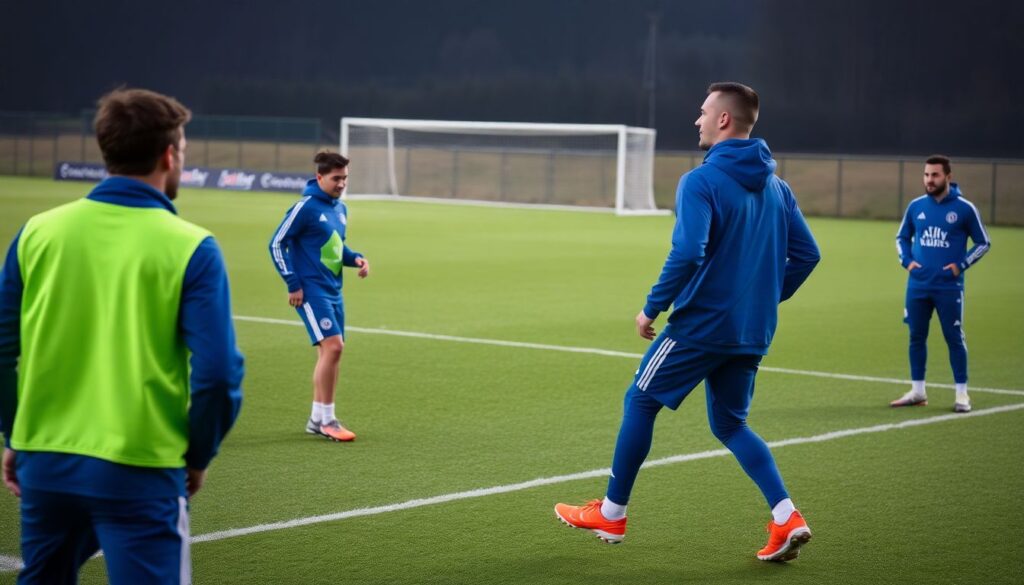
Instead of forcing every new signing directly into the first team, combine several structured pathways.
- Gradual integration into the first team
Suitable for players who are tactically ready but need adaptation to Türkiye.- Design a clear first six‑month plan: language lessons, mentor player, position-specific work.
- Give controlled minutes in cup games and late substitutions, then escalate based on performance.
- Strategic domestic loans
Works when the level gap is big but potential is high.- Loan to a Turkish club that matches your playing style and can guarantee realistic minutes.
- Include clauses on minimum playing time, position usage and regular reporting.
- Overseas or regional loans
Useful when work permits or non‑EU limits are tight, or when adapting from another continent.- For African and South American players, consider stepping‑stone leagues closer in culture or climate.
- Maintain strong communication so the player still feels part of your project.
- B-team and academy bridge
Effective when a player is young and needs structure.- Use individual development plans: physical targets, tactical goals, and language milestones.
- Review progress every transfer window to decide on promotion, loan, or further development.
Operational Questions and Practical Clarifications
How many target regions should a Turkish club focus on at the same time?
Most clubs benefit from concentrating on two or three core regions instead of trying to cover everywhere. This allows better relationships with local partners, more informed benchmarks on prices, and consistent follow‑up on tracked players.
Are highlight compilations enough to decide on a signing?
Highlights are useful only as an entry point. Always review full matches, preferably from different competitions, and use data, live scouting and reference checks before you consider a firm offer for any hidden gem.
When should we involve external scouting agencies or consultants?
Use professional football scouting services for clubs when entering new regions, needing language or cultural expertise, or covering tournaments your staff cannot attend. Keep decision-making internal and avoid exclusivity agreements that limit your flexibility.
What is the safest moment to start formal negotiations with the selling club?
Begin once you have completed football and character evaluation, basic legal checks on ownership, and confirmed the player’s interest in joining a Turkish club. Starting too early exposes you to bidding wars and pressure from agents.
How can we reduce the risk of failed adaptation to Türkiye?
Assess personality and support structure before signing, then provide language lessons, clear expectations and mentorship. Plan realistic game-time opportunities or loans so the player sees a credible path, particularly for talents arriving from Africa and South America.
Is it better to buy permanently or use loans with options for hidden gems?
Loans with options or conditional obligations offer protection when you are uncertain about adaptation or level. Permanent transfers make sense when price is low, ownership is clean, and the player perfectly fits your tactical and age profile.
How often should we review and update our scouting priorities?
At least once per season, and ideally after every transfer window. Review which regions and profiles delivered value, where negotiations consistently failed, and adjust your coverage, partnerships and data investment accordingly.