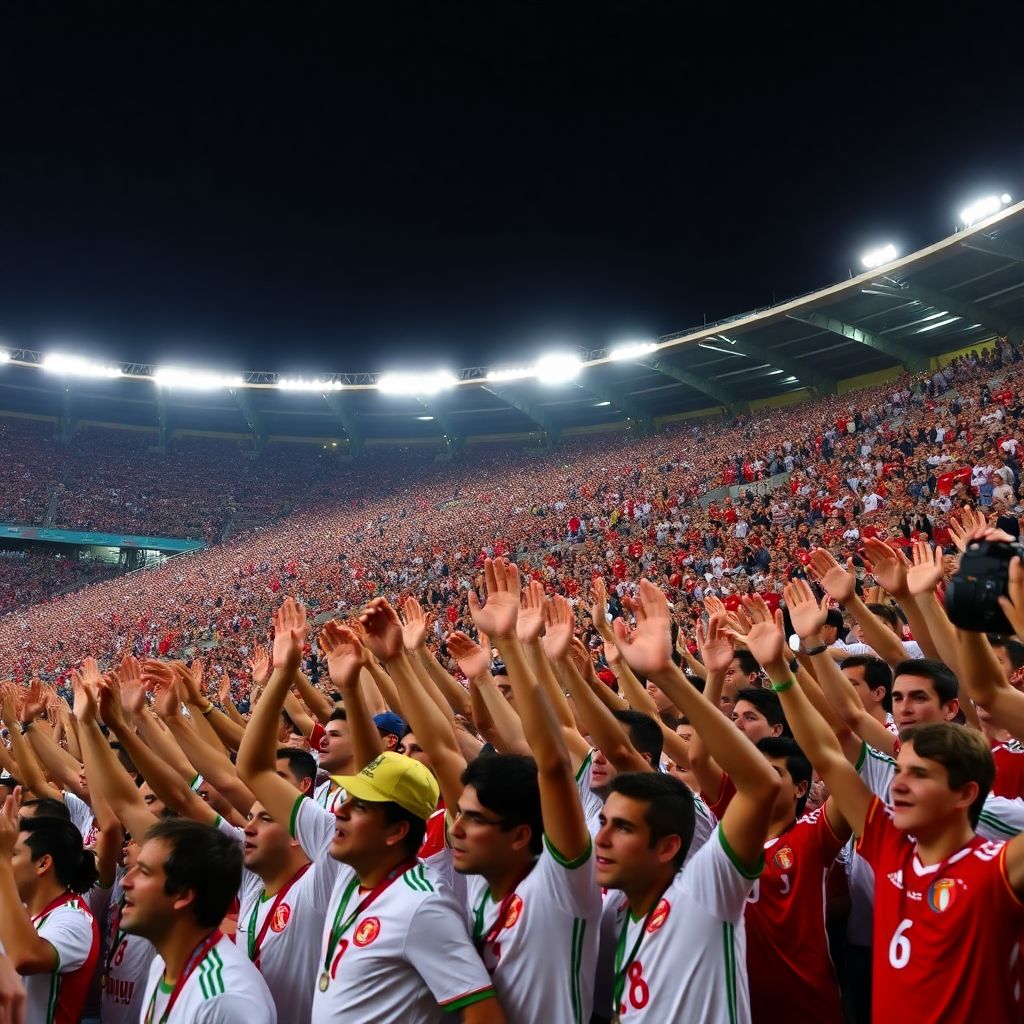
Algeria fight back from behind to stun Jordan 2-1
Algeria kept their World Cup hopes alive with a dramatic comeback victory, overturning a first‑half deficit to beat Jordan 2-1 in the second round of Group J fixtures at the 2026 World Cup. The North African side, pointless before this match, collected their first three points of the tournament, while Jordan’s defeat confirmed their early exit from the competition.
Both teams went into the game under pressure, having lost their opening group matches. The clash at Levi’s Stadium was effectively a do‑or‑die encounter, especially for Jordan, who needed a win to stay realistically in the race for the knockout stages. Algeria, meanwhile, were desperate to respond after a disappointing start and to show they could still be a factor in the group.
Jordan made the brighter start and were rewarded shortly after the half‑hour mark. In the 36th minute, Al‑Rashdan found space and finished clinically, putting his team 1-0 ahead. The goal reflected Jordan’s more aggressive approach in the opening period, as they pressed high and tried to unsettle Algeria’s build‑up from the back.
Algeria struggled to create clear‑cut chances before the interval and often appeared rushed in the final third. Their attacking moves frequently broke down on the edge of Jordan’s penalty area, with misplaced passes and a lack of composure in front of goal. As a result, the first half closed with Jordan holding a valuable 1-0 lead, and Algeria facing the prospect of another damaging defeat.
The second half, however, brought a completely different Algeria. Coach and players responded with greater intensity, pushing their defensive line higher and involving more players in attack. The introduction of fresh legs and a more direct approach helped the team gain territory and force Jordan deeper into their own half.
The equaliser arrived in the 69th minute. Ahmed Nadir Benbouali rose above the defence and steered a powerful header into the net, bringing the score to 1-1. The goal was a turning point: it not only restored parity on the scoreboard but also shifted the psychological momentum firmly in Algeria’s favour. Jordan, who had been relatively comfortable until then, suddenly looked fragile and nervous in defence.
Buoyed by the leveller, Algeria continued to press. Their midfield began to dominate second balls, and the wide players stretched Jordan’s back line, opening pockets of space in central areas. Jordan, by contrast, retreated deeper, increasingly focused on protecting the draw rather than looking for a second goal of their own.
The decisive moment came in the 82nd minute. From another set‑piece situation, Algeria capitalised again, this time through Amine Gouiri. Reacting quickest inside the box, Gouiri slotted home to put Algeria 2-1 up. It was a fitting reward for their sustained pressure after the break and underlined Algeria’s strength on dead‑ball situations, which had become a constant threat throughout the second half.
In the closing stages, Jordan tried to push forward in search of an equaliser, but their attacks lacked precision and conviction. Algeria, having completed the turnaround, managed the final minutes intelligently, slowing the tempo when needed and closing down spaces in midfield. With no further goals scored, the match ended 2-1, confirming a vital victory for Algeria.
This result dramatically altered the dynamics of Group J. Algeria, who had come into the game without a single point, suddenly re-entered the conversation for qualification from the group. The win not only improved their position in the standings but also restored belief within the squad and among their supporters that progression to the knockout rounds is still within reach.
For Jordan, the defeat was devastating. The national team’s slim hopes of advancing were extinguished, and they became one of the first nations to bow out of the tournament. After this loss, it was confirmed that Jordan joined Haiti, Turkey and Tunisia as the early eliminations of this World Cup, a bitter blow for a side that had shown promise in phases but lacked consistency over ninety minutes.
Despite being out of contention, Jordan still have one group match to play. On 28 June, they will face Argentina in what now becomes a game of pride and experience rather than progression. It will be an opportunity for younger Jordanian players to test themselves against one of world football’s giants and to leave the tournament with at least a positive performance, if not a result.
Algeria, on the same day, will meet Austria in a match that could prove decisive for the final shape of Group J. Depending on other results, a win against the European side could secure Algeria a place in the last sixteen, turning this comeback against Jordan into the spark that reignited their World Cup campaign. The coaching staff will be encouraged by the team’s resilience and second‑half character but will also know that they cannot afford another slow start.
From a tactical standpoint, this match highlighted Algeria’s ability to adapt mid‑game. After a cautious and disjointed first half, the shift to a more proactive, high‑pressing style after the break paid immediate dividends. Their effectiveness on corners and crosses, as demonstrated by both goals, will be a key weapon moving forward, especially against defensively organised opponents like Austria.
Jordan, meanwhile, can draw lessons from how the game slipped away from them. They initially executed their plan well, scoring first and controlling the tempo, but struggled to maintain defensive organisation once Algeria increased the pressure. Fitness, squad depth, and game management will be areas to address in future tournaments if they hope to turn narrow leads into points on the biggest stage.
Psychologically, this kind of comeback can transform a team’s internal dynamics. Algeria not only took three points; they proved to themselves they can respond under pressure, overturn a deficit, and finish strongly. Such experiences often forge the kind of belief teams need in tight group finales and knockout ties, where a single moment can decide an entire campaign.
For neutral observers, the match was a reminder of how quickly fortunes can change at a World Cup. A team apparently cruising at 1-0 can find itself overwhelmed within twenty minutes if concentration drops and the opponent senses weakness. Algeria’s turnaround against Jordan encapsulated the drama, unpredictability, and emotional swings that make the tournament unique.
As Group J heads toward its conclusion, Algeria’s late surge has injected fresh intrigue into the standings, while Jordan’s exit underlines the fine margins between success and failure at this level. One nation leaves with regret and hard lessons; the other marches on with renewed confidence, their World Cup story suddenly very much alive.