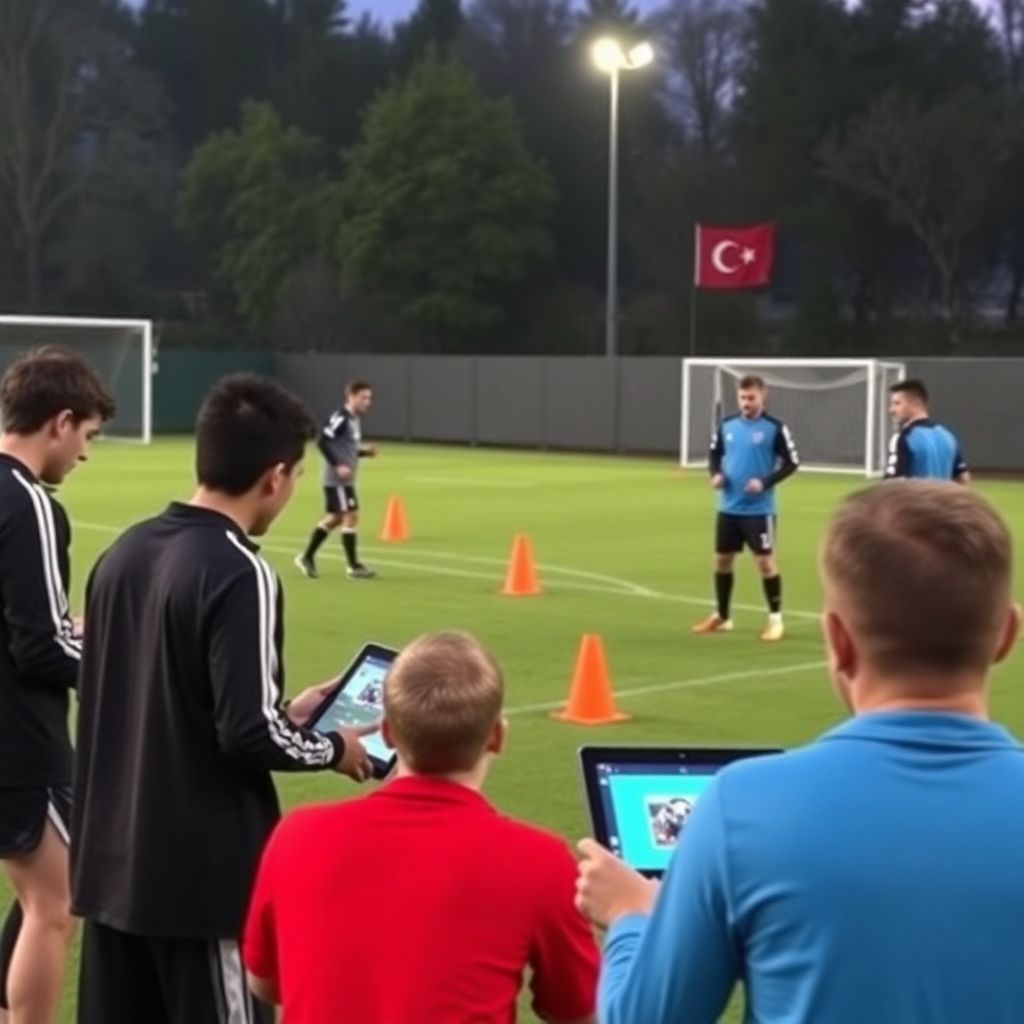
World Cup innovations shape Turkish youth coaching by sharpening tactical detail, sports science, and tech use while respecting school schedules and local competition formats. Focus on pressing, fluid positional play, smarter load management, and simple video/analytics tools. Start small, layer changes across microcycles, and connect every innovation to clear KPIs for U15-U18 development.
How World Cup innovations reshape youth coaching priorities in Turkey
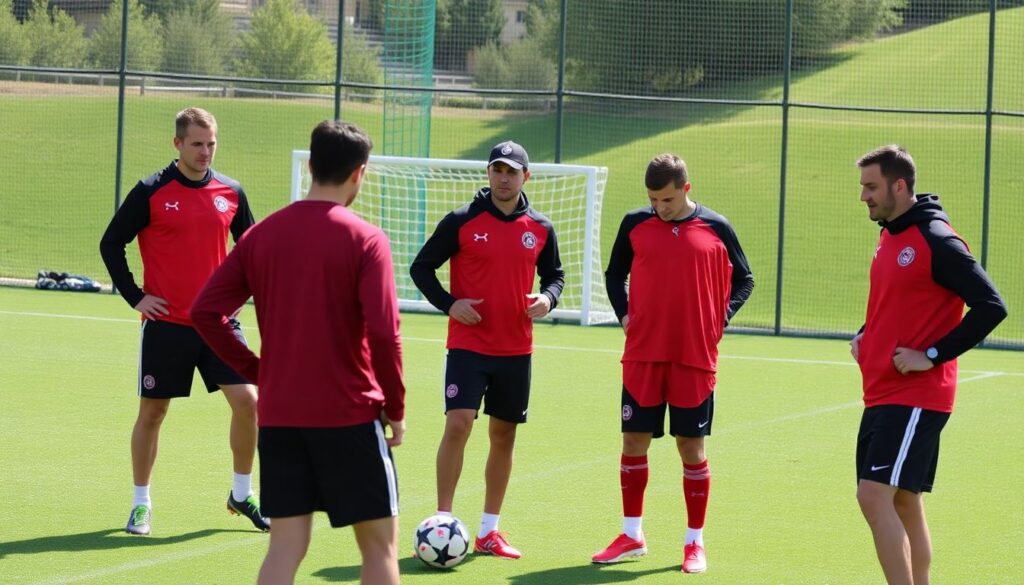
- Shift session plans toward game-real pressing, compact defending, and overload creation inspired by recent World Cup trends.
- Use basic sports-science principles to control training load, nutrition, and recovery in busy Turkish school weeks.
- Integrate simple video, GPS, and soccer analytics software for youth academies to guide individual feedback.
- Adapt periodisation to Turkish league, school, and exam calendars instead of copying European pro models blindly.
- Align coach education with World Cup ideas via targeted football coaching courses for youth coaches in Turkey.
- Define objective KPIs and testing batteries so innovations are judged by player progress, not fashion.
Translating elite tactical trends to U15-U18 session plans
Using World Cup ideas is ideal for U15-U18 teams in the best youth football academies in Turkey and ambitious amateur clubs that train at least three times per week. It suits coaches with basic tactical knowledge and willingness to film games or sessions, even with a smartphone.
You should avoid heavy tactical copying when:
- Your team trains only once a week and players still struggle with first touch and basic passing.
- Pitch, lighting, or safety conditions are poor and technical consistency is impossible.
- You coach mixed-ability or recreational groups where enjoyment and inclusion are the main goals.
- Parents or club leaders demand only short-term match results and resist patient development work.
Safe, practical ways to bring World Cup tactics into Turkish youth systems:
- Start from one clear game model idea – for example, high pressing or quick central combinations – instead of trying to copy a full national team playbook.
- Translate it into a weekly theme – e.g., “Win the ball in 6 seconds” or “Break the last line with third-man runs” for that microcycle.
- Design 2-3 core practices that repeat across the week: a warm-up rondo, a directional positional game, and a conditioned game with clear scoring rules linked to the theme.
- Limit complexity by age:
- U15: simple shapes (1-4-3-3 or 1-4-2-3-1), basic pressing triggers, clear zones.
- U16-U17: rotation patterns, overloads wide/central, basic rest-defence concepts.
- U18: opponent-specific plans and in-game adjustments.
- Use match clips as teaching tools – show a short World Cup moment, then a clip of your own team attempting the same principle.
Applying sports science advances (load, nutrition, recovery) in academies
Bringing World Cup-level sports science into Turkish youth academies does not require a full-time department. You need a few structured tools, routines, and agreements with families and schools.
Core requirements and tools:
- Simple monitoring system
- Session log (date, content, intensity rating) for each team.
- Subjective RPE scale (1-10) players call out or write after sessions and matches.
- Basic wellness check (sleep quality, muscle soreness, mood) done verbally in 20-30 seconds per player.
- Basic equipment for safe load control
- Stopwatches or smartphone timers to control work/rest ratios.
- Cones, flat markers and mini-goals to scale pitch sizes for fatigue management.
- Foam rollers, mats, and resistance bands to support recovery and strength.
- Family and school collaboration
- Short written guidelines for parents on sleep, hydration, and simple pre-match meals.
- Regular communication with teachers before exam periods to adjust session load.
- Clear rules about extra running or punishments that might overload players already tired from school sports.
- Realistic nutrition strategies
- Encourage water and simple snacks (fruit, yoghurt, nuts) rather than energy drinks and junk food.
- Agree on safe fasting and training adaptations during religious periods when needed.
- Recovery routines that fit Turkish realities
- Short post-training mobility sequence (5-8 minutes) that can be done in any small space.
- Education on active recovery days: walking, light technical ball work, and stretching instead of complete inactivity.
Coaches can complement this practical layer by attending local workshops or online modules, including those attached to UEFA coaching license programs in Turkey, to understand safe youth load guidelines.
Deploying tech: video analysis, GPS and AI for daily coach decisions
Technology that appears at World Cups can be adapted safely to youth level through simple, low-cost steps. Focus on clarity and privacy: always get club and parent approval before filming, store data securely, and only film in safe environments where players and staff are fully informed.
- Clarify your coaching questions first – do you want to analyse pressing triggers, build-up patterns, or individual off-the-ball effort? Clear questions prevent tech overload.
- Examples: “Why do we concede so many goals after losing the ball?” or “How effective is our high press against goal-kicks?”
- Choose safe and simple recording methods
- Use a smartphone or tablet on a stable tripod, away from touchlines to avoid collisions.
- Film from a high, central position where possible, such as a stand or safe balcony.
- Explain to players and parents how and why recording is used; follow club privacy policies.
- Select appropriate software and hardware
- Start with free or low-cost video tools that allow tagging of key moments, drawing, and sharing clips with players.
- If budget allows, add entry-level GPS trackers for safe monitoring of total distance and high-speed running, always checking age-appropriate guidelines.
- Use soccer analytics software for youth academies that offers youth-friendly dashboards rather than complex professional databases.
- Build a simple tagging model inspired by World Cups
- Tag 4-6 key events: goal-kicks, high press wins, counter-attacks, shots conceded, transitions after losing the ball.
- Review trends weekly instead of getting stuck in every single action.
- Translate data into clear coaching actions
- If GPS or video shows players fading after 60 minutes, add small-sided conditioning games midweek.
- If pressing success is low, adjust start positions, triggers, or line of engagement in training.
- Use 15-30 second clips in classroom or pitchside huddles with 1-2 focused questions.
- Introduce AI tools carefully
- Use AI auto-tagging or drawing tools only to save time, not to replace your judgement.
- Double-check automatically generated stats and labels before sharing with players.
- Prioritise secure, reputable platforms recommended by federations or trusted partners.
- Review and adjust your tech stack each season
- Once per year, decide what to keep, what to stop, and what to add based on actual impact on player development.
- Consider budget trade-offs: sometimes it is better to buy training equipment for football academies in Turkey (goals, mannequins, balls) than another software license.
Быстрый режим (Fast-track mode)
- Define one or two clear tactical questions you want tech to answer this month.
- Record one match and one training from a safe, elevated position using a smartphone.
- Tag only the actions linked to your questions, then create 5-10 short clips.
- Show clips to players, ask what they see, and design one new game-real exercise based on the discussion.
Periodisation adapted to Turkish competition calendars and school schedules
World Cup-style periodisation only works if it fits Turkish league calendars, climate, and school pressures. Use this checklist to test whether your seasonal and weekly plan is truly adapted and safe.
- You know the full match calendar (league, cups, tournaments) plus major exam periods and school events for your squad.
- Your weekly microcycle changes when you have midweek matches instead of copying a single “template” week all season.
- High-intensity days do not clash with exam weeks; during exams you prioritise shorter, sharper sessions with more technical content.
- You plan at least one lower-load week every 4-6 weeks to protect against overuse injuries and mental fatigue.
- Travel time for away games is included in your recovery planning, especially in large cities with heavy traffic.
- Hot-weather months include more hydration breaks, shaded rest areas, and possibly earlier or later training times.
- Each phase of the season (pre-season, early league, mid-season, run-in) has 1-2 clear development priorities linked to your game model.
- Weekend match demands (minutes played, intensity, injuries) are reviewed before you finalise the next week’s plan.
- GK and outfield players have slightly different weekly loads that match their position-specific needs.
- School football or other sports played by your athletes are considered when adjusting running volumes.
Upskilling academy coaches: modular education and mentorship models
World Cup trends reach youth level through better coaches, not just better players. Turkish academies can combine formal education, like UEFA coaching license programs in Turkey, with in-house mentorship. Common mistakes to avoid:
- Sending coaches to football coaching courses for youth coaches in Turkey without any follow-up observation or practice support back at the club.
- Copying elite drills from the internet without connecting them to a clear club game model and age-specific goals.
- Overloading sessions with complex tactical language players do not understand instead of using simple, repeatable cues.
- Ignoring soft skills training (communication with parents, safeguarding, emotional intelligence) that are essential in youth environments.
- Promoting ex-players to coaching roles only on reputation, without structured mentoring or gradual responsibility.
- Failing to create a shared video and session library where coaches can exchange, review, and improve practice designs.
- Allowing each age-group coach to follow completely different philosophies, confusing players moving through the pathway.
- Neglecting self-care and time management training, which can lead to coach burnout and inconsistent behaviour with players.
- Using technology in coach education without first explaining the underlying principles, turning tools into gimmicks.
Objective progress tracking: KPIs, testing batteries and talent pathways
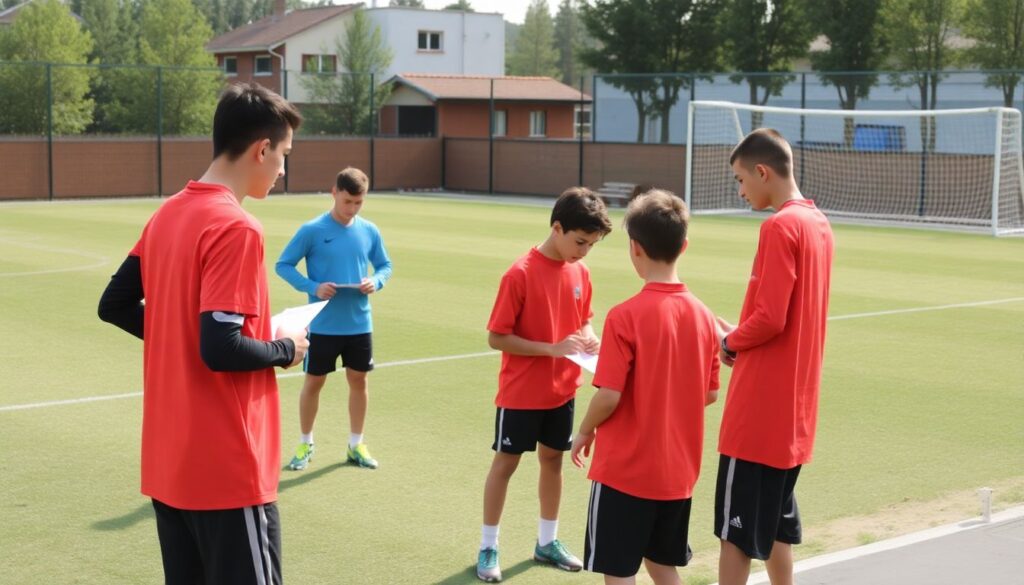
World Cup stories often highlight data-driven decisions. In Turkish youth systems, there are several safe and realistic ways to track progress without expensive infrastructure.
Alternative tracking approaches and when they fit:
- Simple performance scorecards – for smaller clubs with limited resources. Track 5-8 KPIs per player (technical, tactical, physical, psychological) rated monthly by coaches. Works well when you need a quick, low-tech overview.
- Standardised testing batteries – periodic tests for speed, agility, endurance, and technical skills using cones and timing. Best for academies that can schedule testing days and want comparable data across age groups.
- Integrated match-data approach – use video and basic stats (duels won, progressive passes, runs beyond the line) taken from simple tagging. Ideal for the best youth football academies in Turkey that already record games regularly.
- Hybrid talent pathway reviews – combine coach ratings, test results, and school feedback in individual development plans. Suits clubs building clear pathways from grassroots to senior teams, ensuring that numbers are balanced with human judgement.
Common coach challenges with practical fixes
How can I use World Cup ideas if my team trains only twice a week?
Pick one theme per month, such as high pressing or counter-attacks, and repeat a few core games instead of changing every session. Use short video clips before or after training to explain the idea quickly without losing pitch time.
What if parents resist video analysis and GPS tracking?
Explain clearly how filming and basic tracking protect players and support development, not just results. Offer to show only team clips, avoid sharing on social media, and follow written privacy guidelines agreed with the club.
How do I balance school exams with intense training plans?
Before the season, collect exam dates and peak study periods from players and schools. In those weeks, reduce total volume, focus on quality technical work, and avoid maximal conditioning sessions or late-night training.
Which tech should I prioritise with a small budget?
Start with a stable tripod and basic video software, then consider one affordable license of soccer analytics software for youth academies if you record regularly. Invest in extra balls, cones, and goals before advanced gadgets.
How can smaller clubs compete with big academies using World Cup methods?
Focus on clear playing identity, safe and consistent training habits, and strong relationships with players and families. Use free education resources, observe coaches from bigger clubs, and copy principles rather than expensive tools.
How do I integrate new methods without confusing players?
Introduce one new idea at a time, link it to simple keywords, and repeat across several weeks. Use end-of-session questions so players explain concepts in their own words, which reveals what they truly understand.
What is the safest way to increase training intensity for youth players?
Increase load gradually, no more than one variable at a time: pitch size, work duration, or number of repetitions. Monitor how players feel the next day and be ready to reduce intensity if many report excessive soreness or fatigue.