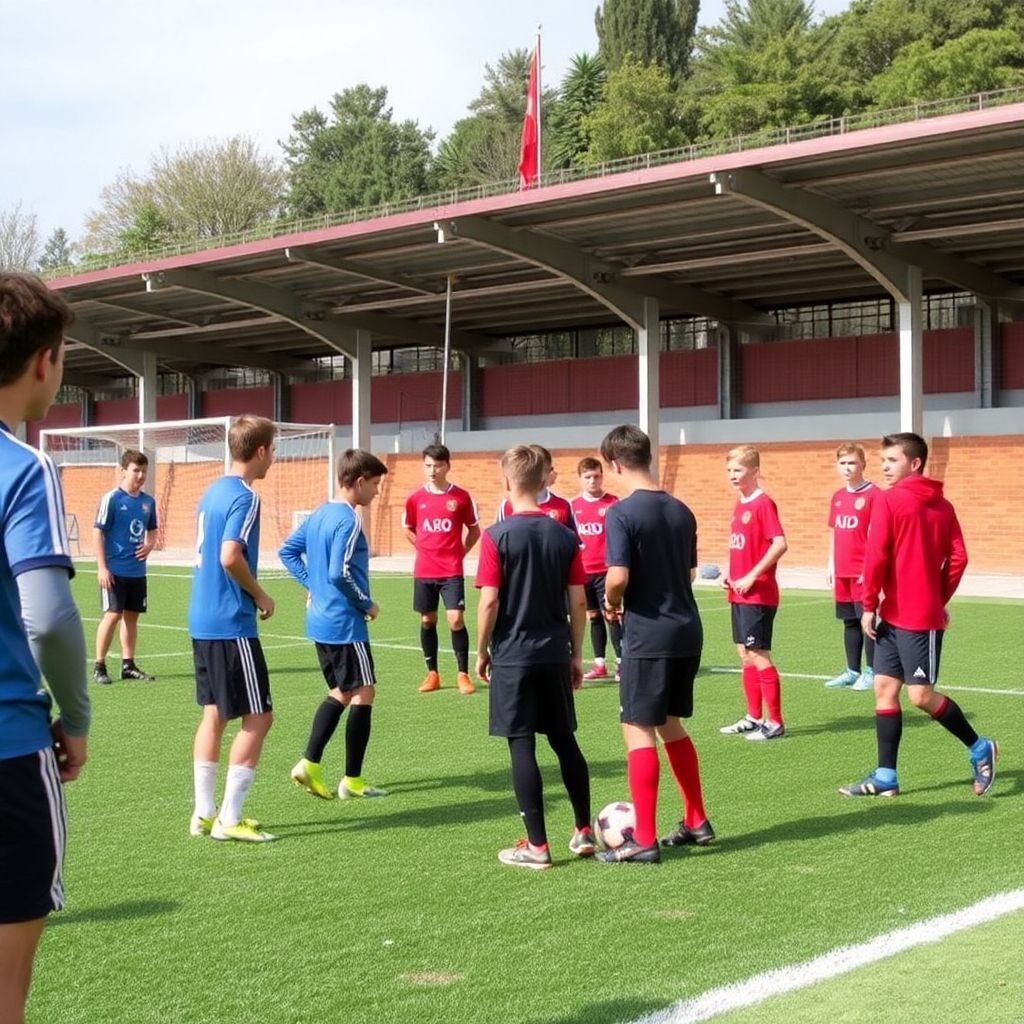
Turkey should combine low-cost community coaching from the Netherlands, structured dual-pathway education from Germany, and Spain’s technical academy culture. For a budget-first roadmap, start with Dutch-style coach education and game formats, then phase in German licensing and Spanish-style club-school integration in selected regions, measuring player retention and progression each season.
Strategic summary for Turkish youth development
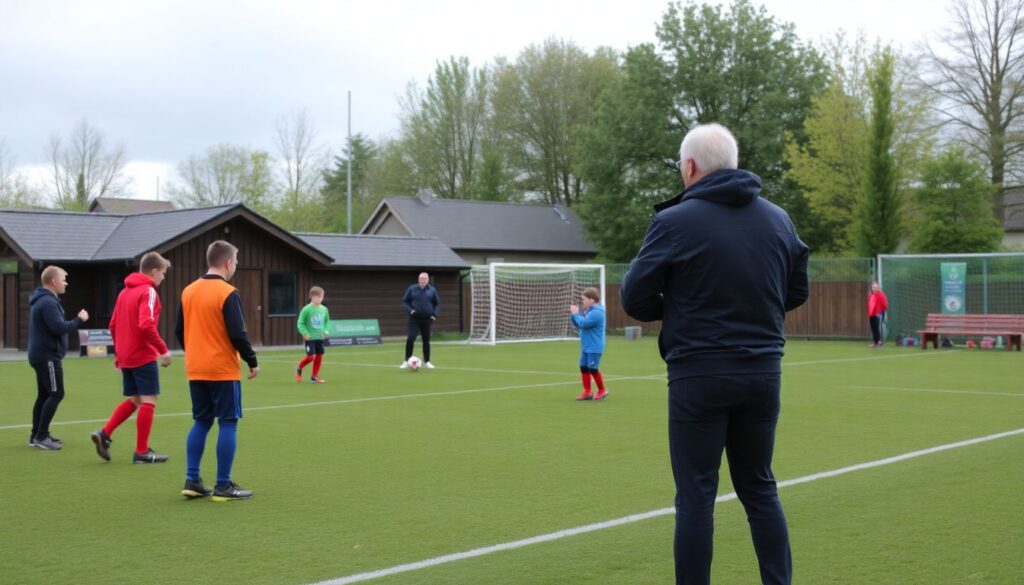
- Prioritise low-cost, high-impact reforms: grassroots coach education, small-sided games, and school-club links before building big facilities.
- Use Germany as a template for licensing standards, dual education-football pathways, and shared funding between federation, clubs, and municipalities.
- Adopt Spain’s focus on ball mastery and club identity in existing Turkish club academies rather than creating new structures from zero.
- Borrow Dutch ideas on game intelligence, positional play, and mixed-ability training groups to raise the average tactical level cheaply.
- Benchmark against the best European youth football development systems, but adapt to Turkey’s budget constraints, geography, and school system.
- Start pilots in 2-3 regions, track clear metrics, then scale only what works in Turkey’s reality.
Assessment of Turkey’s current youth system and budget constraints
Before copying football youth academies Germany Spain Netherlands have built over decades, Turkey needs clear selection criteria for reforms.
- Initial investment needed – buildings, pitches, staffing and equipment; prefer models that work with existing club and school infrastructure.
- Operating cost per player – focus on interventions that reduce long-term cost per trained player (e.g. coach education, school partnerships).
- Coach quality and availability – how easily Turkish regions can upskill volunteer and semi‑pro coaches to a basic standard.
- Geographic coverage – whether the model can reach smaller Anatolian towns, not only Istanbul, Ankara, Izmir and big Süper Lig clubs.
- Compatibility with Turkish schools – timetables, exam pressure, and parents’ expectations about academic success.
- Pathway clarity – transparent steps from grassroots to professional level, including late developers and second chances.
- Club culture and governance – whether Turkish clubs can realistically run long-term development programmes instead of only chasing short-term results.
- Monitoring and data – simple, low-cost ways to track training attendance, match minutes, and progression without complex IT systems.
- Community acceptance – parents’ trust in new models and willingness to allow children to travel, train more, or join partner schools.
Germany’s model: dual pathways, coach licensing and cost-sharing
Many analysts consider Germany in the group of successful youth football development models in Europe because of its dual education-football pathway and strong licensing. For Turkey, the key is to filter this into practical options with different cost and complexity levels.
| Variant | Ideal for | Pros | Cons | When to choose |
|---|---|---|---|---|
| Basic regional training centres inspired by German DFB-Stützpunkte | Provincial FAs and larger municipalities with limited budgets | Low-medium cost; uses existing pitches; focuses on weekly extra sessions with licensed coaches; improves average level quickly. | Does not replace daily club training; quality depends on local coach educators; limited impact on school-football balance. | When Turkey wants a low-cost first step to upgrade coaching in selected hubs without overhauling club structures. |
| School-club dual pathway modeled on German elite schools of sport | Big cities with strong schools and top-tier clubs | Balances studies and football; clearer daily timetable; easier monitoring of player welfare; attractive to parents. | Medium-high cost; needs cooperation between Ministry of Education, federation, and clubs; difficult to scale quickly nationwide. | When piloting high-visibility flagship projects in Istanbul, Ankara, Izmir to show that football and education can coexist. |
| Strict coach licensing pyramid using German-style requirements | All professional clubs and regional academies | Raises minimum standards; creates career path for coaches; relatively low capital cost; can be phased over several years. | Short-term coach shortages; some grassroots teams may struggle to afford licensed coaches; resistance from unlicensed staff. | When Turkey is ready to trade short-term disruption for long-term quality, especially in Süper Lig and 1. Lig academies. |
| Cost-sharing model for youth budgets between federation, clubs, and municipalities | Regions where local governments support sport infrastructure | Spreads financial load; stabilises youth budgets; allows small clubs to invest in pitches and equipment. | Requires strong governance and transparency; risk of political changes affecting funding; admin-heavy for small entities. | When there are active mayors and local councils willing to tie funding to clear development KPIs. |
| Centralised national curriculum and monitoring system | Turkish FA technical department and all licensed academies | Ensures coherent philosophy; easier coach education; standardised data; aligns with German Spanish Dutch football academy training methods logic. | Implementation cost; needs digital tools and regular audits; may feel rigid if not adapted to local club realities. | When Turkey wants to unify scattered efforts and speak one football language from U8 to U19. |
Spain’s approach: technical mastery, academy integration and talent retention
Spanish academies show that intense, ball-focused training and strong club identity can be delivered at very different budget levels. Below are scenario-based recommendations for how to improve Turkey football youth system using Spanish ideas without copying La Liga budgets blindly.
If you manage a small provincial club with a tight budget
If you have limited resources, then prioritise Spanish-style technical mastery in small spaces: rondos, 3v3 and 4v4, position games, and daily ball work. Keep facilities simple and invest time in practice design and coach education rather than expensive gyms or analytics tools.
If you run a Süper Lig or 1. Lig academy with medium to high resources
If your club has stronger finances, then integrate Spanish elements like unified game model from U10 to A-team, shared terminology, and video feedback. Allocate budget to specialist skills coaches and a small analysis team before considering prestige spending on new buildings.
If you are a regional FA or federation planner choosing pilot regions
If you must pick where to start, then select 2-3 regions where clubs are open to change and schools cooperate. Introduce Spanish-style weekly integrated sessions (school plus club) and shared talent databases, focusing on retention of technically gifted but late-maturing players.
If you are designing a premium academy product for top talents
If your goal is a premium pathway, then adapt Spanish high-intensity, short-format sessions with strict ball-contacts targets and competitive internal leagues. Offer educational support and psychological services, but keep group sizes manageable so each player touches the ball often and receives individual feedback.
If your priority is low-cost but visible impact in 12-24 months
If quick, budget-friendly progress is needed, then copy Spanish exercises, not their infrastructure: publish a standard session library, organise regional practical workshops, and require all licensed academies to show evidence of ball-dominant training two to three times per week.
The Netherlands’ system: game intelligence, early ID and low-cost coaching methods
Dutch football shows that smart training design and coach education can compensate for limited budgets. For Turkey, a simple checklist can guide adoption of these principles.
- Define a national playing philosophy that values positional play, decision-making, and building from the back across all youth categories.
- Introduce mandatory small-sided games (3v3, 5v5, 7v7) at younger ages, reducing pitch and team size to increase touches and decisions per player.
- Train coaches to use guided discovery: ask questions, freeze play, and let players solve problems instead of giving constant instructions.
- Set up early talent identification through school tournaments and mixed-ability training groups, avoiding very early rigid selection and cuts.
- Rotate players across positions until at least mid-teens, following Dutch practice to develop all-round understanding of the game.
- Use video clips and basic GPS or tracking tools only where cost-effective, focusing first on simple metrics like minutes played and involvement.
- Review and adjust the system every two to three seasons based on coach and player feedback, not only final league results.
Cost-effective lessons: scalable practices Turkey can adopt immediately
Across football youth academies Germany Spain Netherlands have built, several patterns are both effective and relatively affordable. When Turkey borrows these, the main risks are in implementation, not theory.
- Copying foreign session plans without adapting to local pitch quality, climate, and player numbers.
- Investing heavily in buildings while underinvesting in coach education and ongoing mentoring.
- Creating elite centres that are too far from most families, leading to low attendance and dropout.
- Focusing academy resources almost only on early-maturing players and ignoring late developers.
- Announcing strict licensing requirements without phasing, which can leave grassroots teams without any coach.
- Underestimating administrative work for school-club partnerships, causing projects to stall after a promising start.
- Measuring success only by short-term match results instead of player minutes, progression, and retention.
- Trying to replicate the very top best European youth football development systems entirely, instead of extracting 2-3 low-cost elements per model.
- Ignoring parent communication, which can undermine even technically sound reforms.
- Launching too many pilots at once, making it impossible to collect solid evidence on what truly works.
Step-by-step implementation plan with measurable milestones
The German-inspired coach licensing and regional centres are best for creating a nationwide baseline; the Spanish academy and integration ideas are best for top clubs that can invest more; the Dutch game-intelligence and small-sided focus is best for low-cost, wide grassroots impact, especially in smaller Turkish cities and towns.
Practical clarifications and typical implementation concerns
Which country model should Turkey prioritise first?
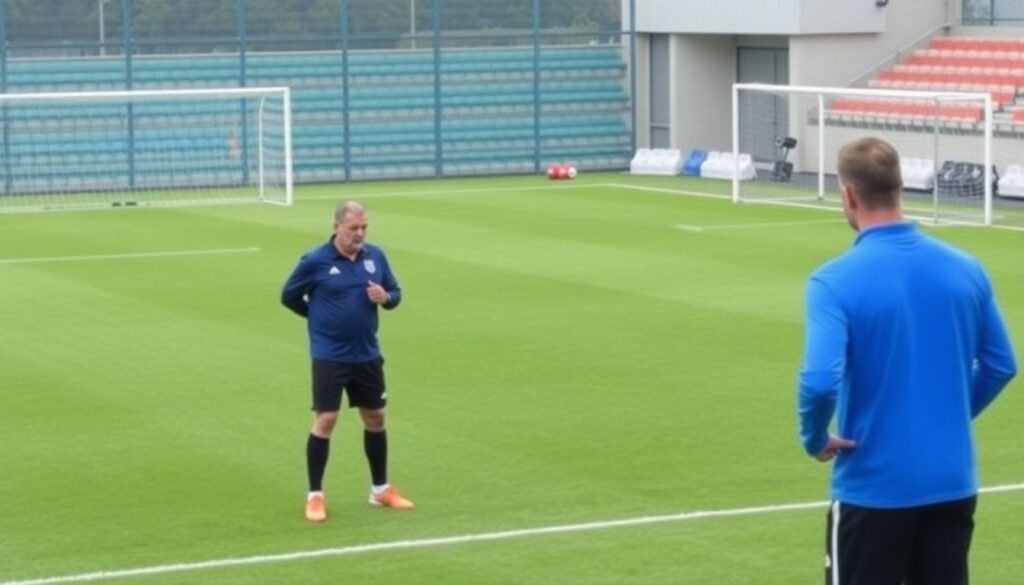
Turkey should start with Dutch-inspired low-cost coach education and small-sided formats, then layer in German-style licensing for pro academies, and finally add Spanish-style integrated school-club projects where budgets allow.
How can smaller Turkish clubs benefit without big investments?
Smaller clubs can adopt Dutch and Spanish training methods using existing pitches: more small-sided games, rondos, and guided discovery, plus simple coordination with local schools for extra training time.
Do Turkish academies need new facilities to copy these systems?
New buildings are not essential at the start; Germany Spanish Dutch football academy training methods show that well-planned sessions and coach education deliver impact even on modest fields.
How can the federation convince parents to accept new training models?
By highlighting the dual education-football pathway, showing examples from successful youth football development models in Europe, and communicating that school performance remains a priority alongside football.
What is a realistic timescale to see improvements?
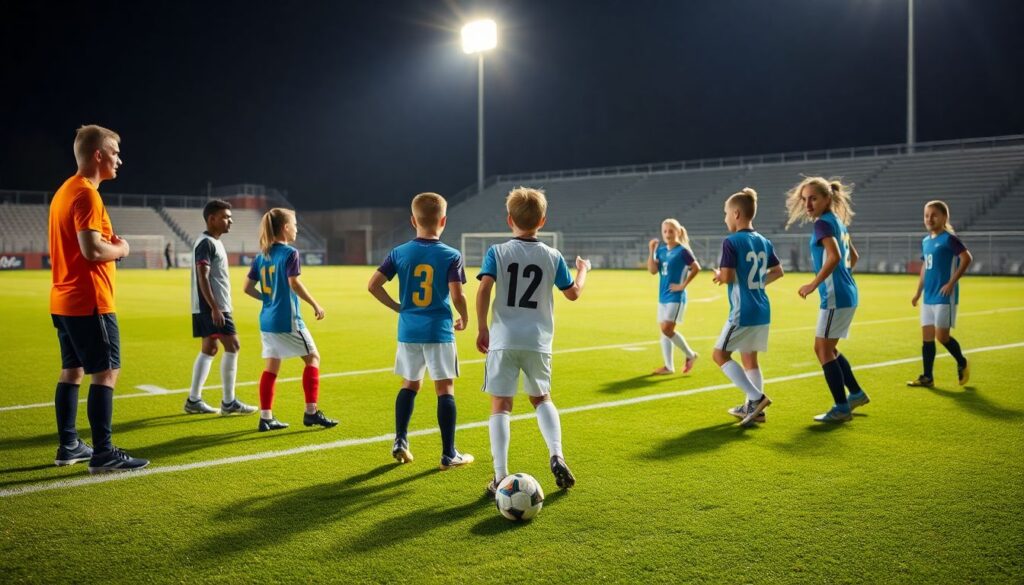
With focused pilots and good monitoring, first visible improvements in playing style and player retention can appear within a few seasons, even before large-scale structural reforms are complete.
How should Turkey compare itself to leading European systems?
Use football youth academies Germany Spain Netherlands as benchmarks for processes, not for budgets, and track simple indicators like coach qualifications, training hours, and progression rates.
Where can technical staff learn more structured approaches?
Technical staff can study publicly available materials on best European youth football development systems and attend international workshops, then localise those concepts into Turkish-language curricula and clinics.