
Why Turkey’s Youth Academies Suddenly Matter More Than Ever
Not long ago, when people talked about European talent factories, they meant La Masia, Ajax, maybe Benfica. Turkey seemed stuck in a loop: passionate fans, big atmospheres, but national team results that swung wildly from heroic to heartbreaking.
Fast‑forward to 2026, and the conversation is different. Scouts now actively plan trips to turkey football youth academy programs; Turkish U17 and U19 teams regularly show up in the latter stages of UEFA tournaments; and the senior national team finally looks like a group built on a clear long‑term plan, not just the form of the month.
What changed? Short answer: the youth academies grew up.
Let’s break it down шаг за шагом — with context, concrete examples, and some practical guidance if you (or your kid) want to be part of this new wave.
—
Step 1: Understand Where Turkey Came From
From “Golden Generations” to Gaps
To see how big the shift is, you need the historical backdrop.
– Early 2000s: Turkey finishes 3rd at the 2002 World Cup and 3rd at Euro 2008. Everyone talks about “golden generations,” but under the surface there’s a problem: no consistent pipeline.
– 2010s: The clubs get richer, stadiums get shinier, foreign stars arrive. But:
– local kids often sit on the bench,
– academy structures differ wildly from club to club,
– long‑term planning is blurred by short‑term transfer pressure.
The national team’s performance mirrors that chaos: occasional qualification, random peaks, and painful crashes.
The Turning Point: Rules and Reality Check
Around the late 2010s and early 2020s, several things kicked in at once:
– The federation started pressuring clubs to invest more seriously in academies.
– Foreign‑player limitations kept changing, but the message was clear: develop your own talent or struggle.
– European success dried up. That hurt pride, but it also forced a rethink.
By the mid‑2020s, the “just buy older foreign players” model was simply too expensive and too unstable. Academies were no longer a nice add‑on. They became survival tools.
—
Step 2: See How Modern Turkish Academies Actually Work
From “Training Fields” to Full Ecosystems
Today’s top setups are miles away from the classic “one dusty pitch and a locker room” model. The best soccer academies in turkey for young players now act more like miniature clubs inside the club:
– Dedicated technical directors just for youth
– Data analysts tracking development from U10 upwards
– Nutrition and sports psychology integrated into training
– Coordinated game models from U12 to the first team
The goal isn’t just to win U17 leagues. It’s to produce first‑team and national team players who already think and move like pros by 18–20.
Warning: Don’t Judge an Academy by Social Media Hype
A slick Instagram account doesn’t mean a serious program. Common red flags:
– Only posting “trophy” photos, never training or development work
– No clear info about qualified coaches or training structure
– Over‑promising pro contracts or “automatic” trials in Europe
If everything sounds like a shortcut, it’s usually not a real pathway.
—
Step 3: Key Changes That Are Reshaping the National Team
1. Earlier Tactical Education
Ten years ago, many talented Turkish kids arrived in the first team with raw flair but limited positional understanding. Now, even U13 sides at serious clubs:
– Build from the back under pressure
– Train pressing triggers and compact defending
– Rotate positions so players see the game from multiple angles
Result: by the time they hit the U21 and senior national team, they understand complex game plans that used to feel “too European” for domestic players.
2. Integration with the First Team
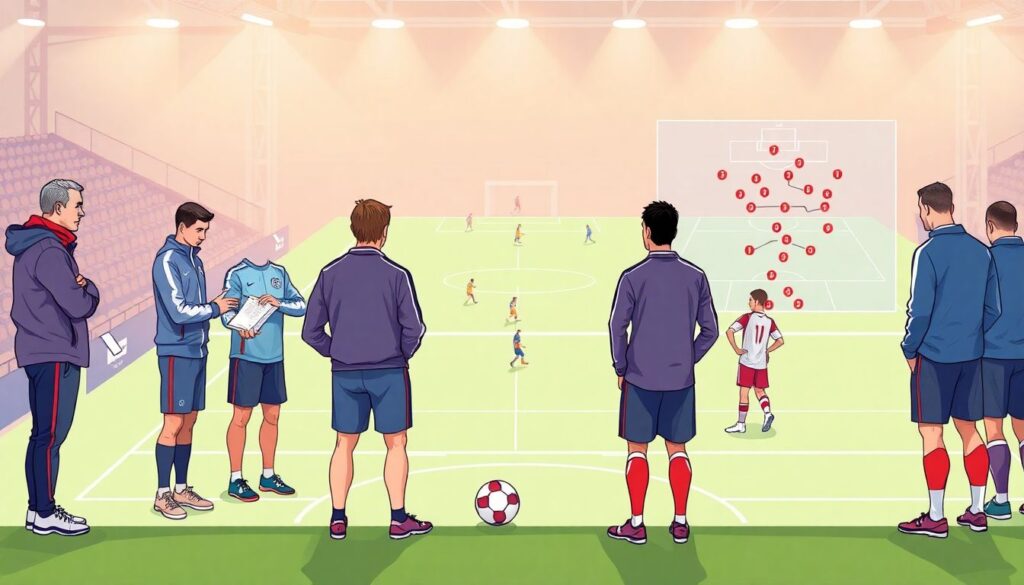
Another major shift is how closely senior coaches work with academy staffs.
– First‑team coaches regularly attend youth matches
– Senior and academy teams often share the same formation and basic principles
– Young players train with the first team on set days each week
That link used to be weak. Now it’s a pipeline. You see it when a 19‑year‑old debuts for the national team and looks like he’s been there for years.
3. Data‑Driven Selection for Youth National Teams

The federation’s youth scouts are no longer just relying on who wins local tournaments. They track:
– Minutes by age group
– Physical development trends (speed, endurance)
– Technical stats: progressive passes, successful dribbles, pressing actions
This means late developers or kids at smaller clubs stand a better chance, and the U17/U19 squads are more balanced. That directly affects the senior team 5–7 years later.
—
Step 4: How Clubs Build Their Youth Pathways in 2026
Academies as Strategic Investments
Top‑level boards now talk about their academy on the same level as big transfers:
– A strong U15–U19 group is considered an “asset” on the balance sheet.
– Selling one academy graduate abroad often funds several years of youth infrastructure.
– Clubs track how many minutes their own academy players get in the first team.
This is where turkey football youth academy programs have quietly caught up with mainstream Europe. The strategy is no longer: “Buy cheap, sell high.” It’s: “Develop smart, sell at the right time.”
Turkey Youth Football Training Camps for Kids
Summer and mid‑season camps have become key entry points. Serious clubs run:
– Week‑long intensive camps with technical focus (first touch, 1v1, finishing)
– Positional workshops (defending in wide areas, midfield scanning, striker movement)
– Mixed sessions where academy kids train alongside “camp guests”
For younger kids, these turkey youth football training camps for kids are partly about scouting and partly about education. Kids experience professional discipline early: punctuality, warm‑up routines, recovery, video feedback.
—
Step 5: How This All Feeds the National Team in 2026
A Different Type of Turkish Player
Look at the current national squad and you notice patterns:
– More players who grew up in proper academies at home, not just in Europe
– Fewer “specialists” who only do one thing; more all‑round modern profiles
– Better physical prep: players can sustain high pressing beyond 60–70 minutes
You still see the classic Turkish traits — emotional intensity, improvisation, bravery on the ball — but layered with:
– Improved decision‑making
– Better understanding of space and tempo
– Ability to switch systems mid‑match without confusion
That blend makes Turkey harder to predict and easier to trust in big tournaments.
Depth Instead of One‑Off Stars
Previously, when two or three star players were injured, the level dropped dramatically. With stronger academies:
– The gap between first‑choice and backup is smaller
– Young replacements already know national‑team principles from youth levels
– Coaches can rotate more without killing chemistry
This depth is a direct outcome of consistent youth coaching rather than “lucking into” a gifted generation.
—
Step 6: A Practical Guide – How to Join This System
If you’re a young player (or a parent) looking at this from the outside, here’s the straightforward roadmap.
1. Start Local, but Choose Carefully
You don’t need to be in Istanbul or at a “big three” club at age 10. What you do need:
– Licensed, experienced coaches
– Regular competitive games
– A training environment where learning beats just winning
Ask simple, telling questions:
– “How many sessions per week?”
– “Do you have a clear plan for each age group?”
– “Where did your past players move on to?”
2. Use Camps and Trials Smartly
There are many professional football trials in turkey for youth now — from club‑run selections to federation events. Good practices:
– Check if the trial is affiliated with a real club or federation
– Prepare like it’s a big exam: sleep, nutrition, conditioning
– Don’t chase 10 random events; target a few serious ones that fit your age and level
Beware of “trial tourism”—spending money on every event you see without any strategy.
Common Mistakes Beginners Make
– Chasing famous club names too early instead of strong coaching
– Thinking one bad trial = career over
– Ignoring school and languages (big mistake if you end up abroad later)
– Parents interfering from the sidelines, creating pressure instead of support
—
Step 7: Specific Tips for Joining a Turkish Club Youth Academy
How to Join Turkish Football Club Youth Academy – A Simple Path
There’s no magic phrase, but most players follow some version of this:
1. Build a base at a local club or school team
1–3 years of regular training and matches.
2. Attend a reputable camp or selection day
Especially those partnered with professional clubs.
3. Get invited to extended training
If coaches like you, they’ll ask you back for a longer trial — often a few weeks.
4. Pass basic fitness and attitude checks
Skill matters, but so do discipline, punctuality, and how you listen.
5. Sign as an academy player
This may come with transport support, kit, and sometimes school coordination.
During this whole process, a few simple behaviors stand out:
– Arriving early, warming up on your own
– Asking short, clear questions when you don’t understand a drill
– Recovering quickly from mistakes instead of complaining
Coaches see hundreds of kids. Mature habits are noticed as quickly as technical skills.
—
Step 8: What Parents and Young Players Should Watch Out For
Red Flags in 2026
If you’re aiming at the best soccer academies in turkey for young players, stay sharp:
– Anyone promising “guaranteed contract” for a fee
– Agencies approaching 11–12‑year‑olds with long‑term binding deals
– Academies where older age groups never reach professional level anywhere
A credible path usually includes:
– Transparent cost structure
– Written agreements about what the academy provides
– A track record: players progressing to pro clubs, universities, or national teams
Balancing Football with Real Life
Even in the best system, only a minority become full pros. The more serious academies know this and support:
– Regular schooling or alternative education pathways
– Language learning (English is essential, others are a big plus)
– Life skills: time management, teamwork, resilience
Ironically, players who keep that balance often perform better. Less fear, less desperation, more growth.
—
Step 9: What’s Next for Turkey After 2026?
From Catch‑Up to Exporter of Talent
In 2026, European clubs already scout Turkish U15–U19 tournaments as standard. The next likely steps:
– More direct partnerships between Turkish academies and major European clubs
– Increased number of Turkish coaches working abroad, exporting the new methods
– Greater presence of Turkey‑developed players in the top five leagues, not just sporadically
If the current trajectory holds, Turkey won’t just have “a strong national team once in a while.” It’ll have:
– A sustainable pool of 60–80 players capable of international level
– Youth sides consistently competing for European youth trophies
– Club academies that outsiders study, not just ignore
—
Final Thoughts: Why This Revolution Is Different
This isn’t about one miracle coach or one miracle generation. It’s about a structural shift: coordinated academies, smarter camps, better trials, and a federation that finally treats youth development as the foundation, not an afterthought.
For kids dreaming of the national shirt, the path in 2026 is clearer — not easier, but clearer. Focus on real coaching, avoid shortcuts, use official pathways like turkey football youth academy programs and structured camps, and treat education and character as part of your game.
That’s how Turkey’s youth academies are reshaping the future of the national team: one well‑trained, well‑prepared teenager at a time.