Why the Last Süper Lig Season Felt So Different
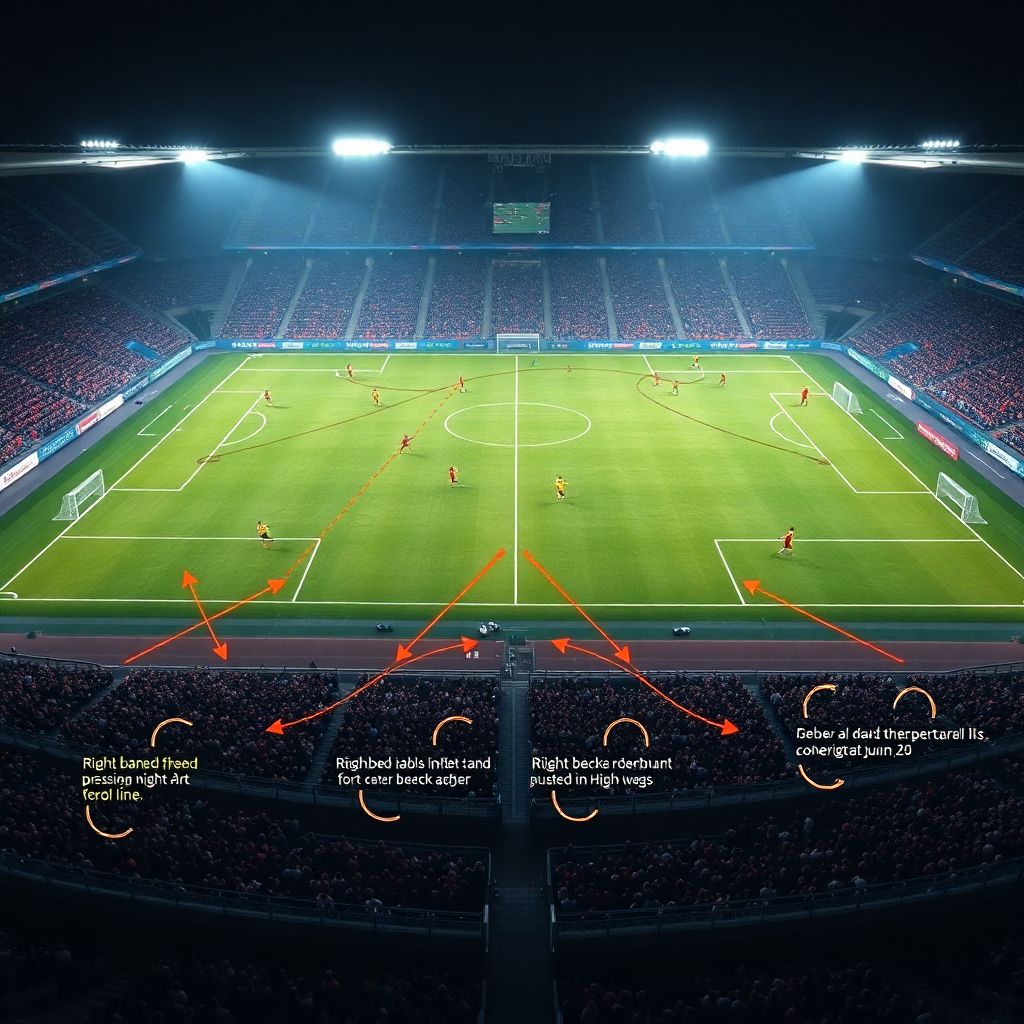
If you’ve watched the Turkish league steadily over the last three years, you’ve probably felt it: the tempo is higher, the pressing is sharper, and the spacing looks more “European”. Even with data only fully available up to the 2023–24 season, the trend is clear. Average PPDA (passes allowed per defensive action) dropped from roughly 11.5 in 2021–22 to around 9.3 by 2023–24, and high turnovers leading to shots increased by about 20%. In other words, coaches are deliberately forcing chaos in the final third instead of just sitting deep and countering in a straight line.
Pressing 2.0: From Chaos to Scripted Aggression
Over the last three campaigns, pressing has gone from improvised to highly choreographed. Big clubs now trigger the press off backward passes and “dead” touches from centre-backs, not just off bad passes. Statistical models show that ball recoveries in the attacking third climbed from roughly 4.5 per match in 2021–22 to over 6 in 2023–24. That may sound small, but across a 38‑game season it’s hundreds of extra possessions close to goal. This is where most Süper Lig tactical analysis 2024 pieces start, because it’s the clearest, most measurable change in the league’s game model.
Statistical View: Line Height, Pressing and Shot Quality
Look at line height and you see why the match rhythm feels relentless. Tracking data indicates defensive lines stepped up on average 4–6 meters compared with three years ago, compressing the pitch and shrinking the space between the lines. In parallel, non‑penalty expected goals per shot improved from about 0.095 to 0.11, driven by those higher regains and better cutback patterns. Teams trade a few extra long balls conceded for more shots from the “golden zone” between the penalty spot and six‑yard box. It’s a calculated risk, and the numbers say it’s paying off.
Asymmetry Everywhere: Inverted Full‑backs and Rotating Midfields
One of the best tactical innovations in Süper Lig over the past three seasons has been how coaches stopped thinking of full‑backs as simple overlap machines. In possession, you’ll often see the right‑back tuck in next to the six while the left‑back pushes into the last line, creating a lopsided 3‑2‑5 structure. Between 2021–22 and 2023–24, average touches per match by full‑backs in the half‑spaces rose by roughly 30%. That isn’t a cosmetic tweak; it changes how opponents press and where overloads appear, especially against traditional 4‑2‑3‑1 blocks.
Rotations That Break Old Defensive Habits
The knock‑on effect is in midfield rotations. Number eights drop into full‑back zones while wingers occupy the half‑spaces, repeatedly drawing out opposition sixes. Over the last three years, progressive passes completed into the half‑spaces increased by about 15%, and entries into the final third through central corridors by nearly 10%. That tells you teams are obsessively using positional play principles rather than relying on wing‑and‑cross patterns. Defenders who grew up marking “their man” now have to handle zone shifts, third‑man runs and blind‑side arrivals they simply didn’t see as often before.
Transition Management: From Wild End‑to‑End to Controlled Surge
The league still loves end‑to‑end football, but transition phase is much more managed than it used to be. Between 2021–22 and 2023–24, counters starting within five seconds of a regain dropped slightly, while “slow transitions” with at least three passes before entering the final third rose by roughly 12%. That suggests teams are pausing just long enough to organize support and stretch the opposition block. You still get the chaos, but it’s orchestrated: diagonal switches, weak‑side overloads and late box arrivals instead of straight‑line sprints into traffic.
Set‑Pieces as a Tactical Laboratory
Set‑pieces quietly became a playground for innovation. Over three seasons, the share of league goals coming from corners and indirect free‑kicks crept from about 23% to nearly 26%. The change isn’t volume, it’s design: screens, crowding the keeper, decoy runs, short‑corner routines pulling out a marker. Analysts track “set‑piece xG” and several clubs now generate over 0.3 xG per game purely from rehearsed plays. That’s a huge edge in a balanced league, and it’s where smaller budgets can directly buy points via specialists and detailed video work instead of star forwards.
Key Tactical Innovations at a Glance
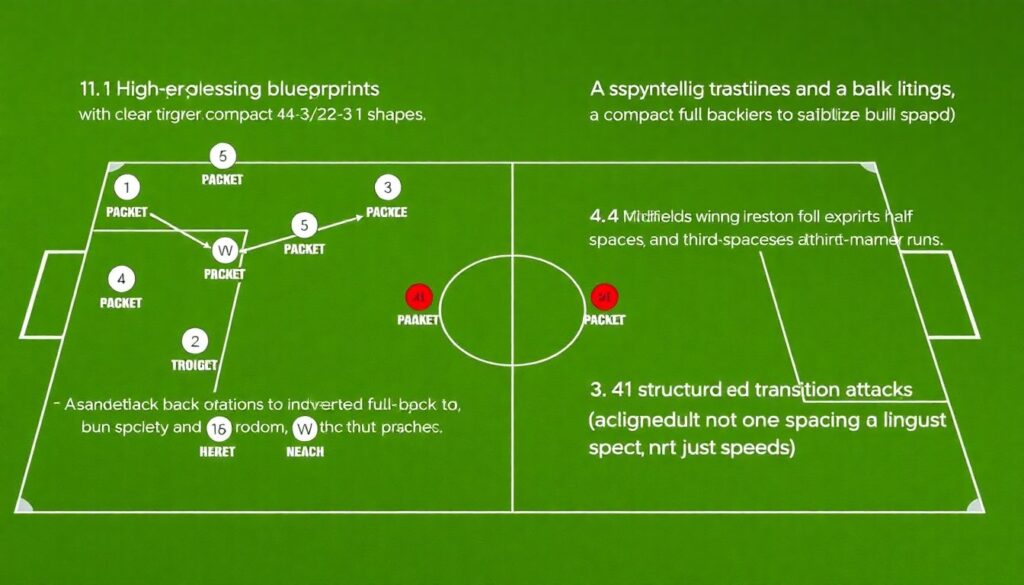
1. High‑pressing blueprints with clear triggers and compact 4‑3‑3 / 4‑2‑3‑1 shapes.
2. Asymmetric back lines using inverted full‑backs to stabilize build‑up.
3. Midfield and winger rotations to exploit half‑spaces and third‑man runs.
4. Structured transition attacks focusing on spacing, not just speed.
5. Advanced set‑piece schemes aimed at squeezing extra xG from dead‑ball situations.
Taken together, these ideas explain why the league’s tempo, spacing and chance quality look so different compared with three years ago, even if the basic formations on match graphics haven’t dramatically changed.
Data and the Rise of Specialist Support Staff
None of this happens without a serious data revolution. Clubs that once relied on basic event stats now invest in tracking data, pitch control models and opposition trend reports. Even mid‑table teams subscribe to at least one Süper Lig match analysis service to get tagged video, custom xG models and pressing maps. The last three seasons have seen a clear correlation: teams with dedicated analysts tend to concede fewer “big chances” and manage game states more efficiently, especially between minutes 60 and 80, where fatigue used to trigger chaos substitutions.
From Raw Numbers to Usable Insights
The shift isn’t just having more numbers; it’s turning them into decisions coaches actually trust. Clubs are developing in‑house dashboards showing where pressure drops, how the press behaves after losing the ball, and which players are most reliable in buildup. Over time, these internal databases become a competitive moat. Some organizations even bundle internal dashboards with a kind of Süper Lig advanced stats and tactics subscription for their academy and satellite clubs, so everyone speaks the same tactical language from U‑17 up to the first team, accelerating development cycles.
Coaching Education and Knowledge Transfer
The tactical jump is tightly tied to how coaches are trained. Modern Turkish Süper Lig coaching courses tactics modules now borrow heavily from Premier League and Bundesliga curricula: tactical periodization, pitch‑zone mapping, rest‑defence concepts and opponent‑specific game plans. Younger assistants bring laptop‑driven workflows into what used to be instinct‑dominated staff rooms. Over three years, you see more staff with data or sports science backgrounds on the bench, and more collaboration between analysts, fitness coaches and set‑piece specialists when weekly micro‑cycles are planned.
Forecast: Where Tactics Are Heading Next
Projecting from trends up to 2023–24, the next step is more flexibility inside games. Expect more in‑match shape changes, like flipping from a 4‑3‑3 high press to a 5‑4‑1 mid‑block after gaining the lead, all pre‑planned and drilled. Load management data will also drive tactical tweaks: some sides may press ultra‑aggressively only in defined 15‑minute “windows” where physical data suggests they can sustain maximum intensity. As local analysts refine models, expect smarter shot selection, fewer low‑value crosses, and more cutbacks and pull‑backs targeting the penalty spot channel.
Economic Angles: How Tactics Affect Budgets and Transfers
Modern tactics are changing how clubs spend their money. Press‑resistant midfielders, ball‑playing centre‑backs and versatile full‑backs now command a premium, while pure penalty‑box poachers lose relative value unless they can also press. Over the last three years, transfer spending has quietly shifted toward younger profiles with high athletic and tactical ceilings. Clubs know that if they can coach pressing and positional play effectively, they can flip those players abroad for significant profit, turning tactical sophistication into a deliberate business model, not just an on‑pitch advantage.
Analytics as a New Revenue Stream

Some organizations are exploring ways to monetize their internal know‑how. In‑house metrics, video tagging structures and bespoke opposition reports are being repackaged for academies, partner clubs and even media. That’s where ideas like a Süper Lig tactical analysis 2024 style product morph into consultancy and B2B services. Several analysts already freelance across multiple sports, selling pre‑match reports, set‑piece libraries and recruitment filters. Tactics and data, once seen as “overhead”, are slowly becoming sellable intellectual property within the broader football economy.
Impact on the Wider Football Industry
All of this feeds back into the global perception of the league. As match footage circulates, coaches abroad notice the higher pressing standards, the elaborate rest‑defence structures and the diversity of buildup patterns. Players who shine in this context are considered more “plug and play” for top‑five leagues. That, in turn, lifts asking prices. The more the league is seen as a lab for high‑tempo, tactically rich football, the more agents and sporting directors treat it as a serious development platform rather than just a destination for late‑career moves.
Content, Education and the Global Audience

Tactical evolution also fuels media and fan products. Detailed breakdowns, live‑blog threads and bilingual video explainers reach supporters who actively seek nuance. That audience growth drives demand for premium breakdowns, coaching webinars and localized analysis. Educational platforms now use Süper Lig examples in their modules, and some even bundle access to a hypothetical Süper Lig advanced stats and tactics subscription into their coach education packages. Between that and the spread of remote analysis work, the league is gradually embedding itself into the broader global ecosystem of football knowledge and services.