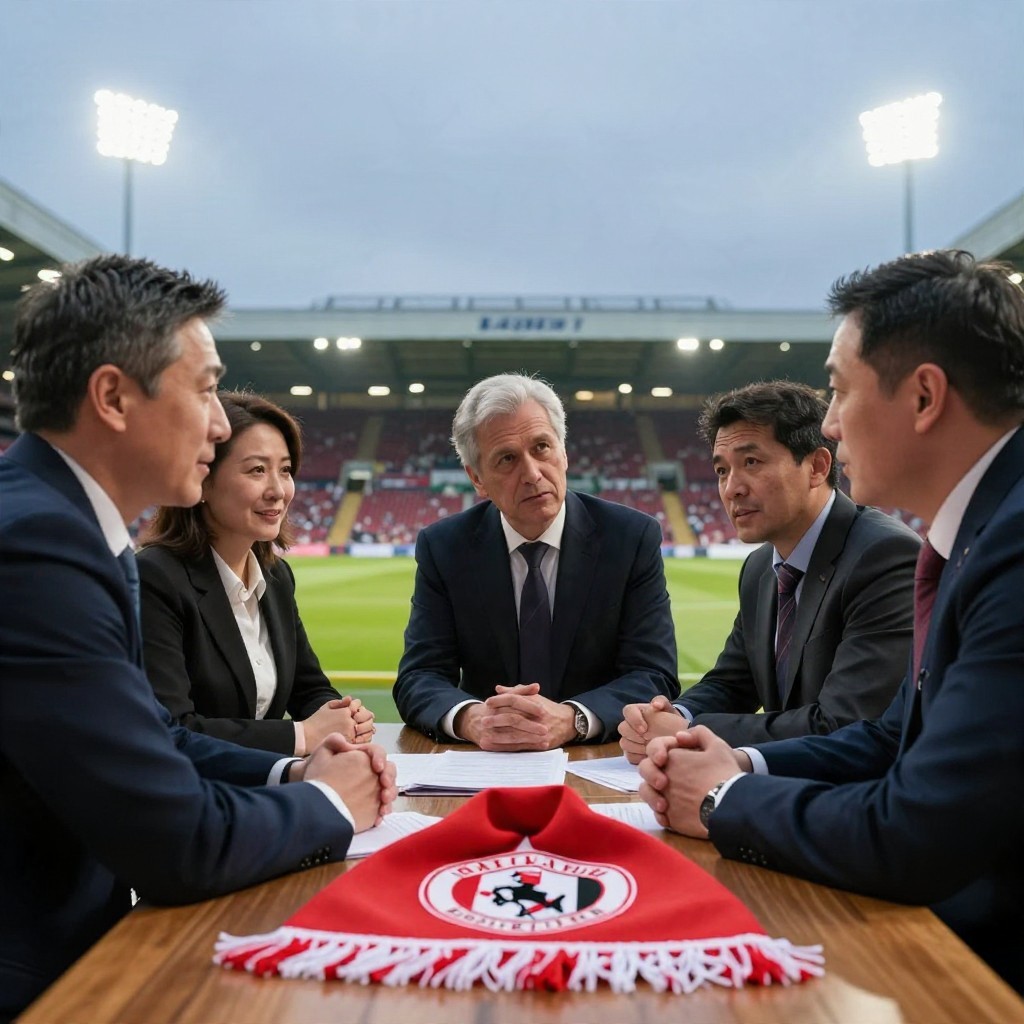
Liverpool Ownership Change Could Be on the Horizon
Liverpool may be heading for another change in ownership as Fenway Sports Group (FSG) explores new investment opportunities. The American group is reportedly considering a major reshaping of its sports portfolio, a move that could affect its stake in the Premier League club.
One proposal under discussion involves the sale of a 38 per cent share in Liverpool to a consortium that includes Amazon founder Jeff Bezos. The investors are also said to have considered an option to acquire the remaining shares and take full control of the club before August 2027. Amit Bhatia is reportedly leading the consortium, known as 1892 Holdings.
The possible investment is linked to FSG’s wider plans. Among the opportunities being considered is a stake in the Cadillac Formula One team, for which the group is understood to have contemplated a price of more than £2 billion. The reported interest in F1 suggests that FSG’s next decisions may involve balancing its commitments across several sports rather than focusing exclusively on football.
FSG has built a broad sporting portfolio. In addition to Liverpool, it holds majority interests in Major League Baseball’s Boston Red Sox and the NHL’s Pittsburgh Penguins. The group bought Liverpool in 2010 for £300 million, when the club was facing significant financial difficulties.
Any change to Liverpool’s ownership would be closely watched by supporters, players and the wider football industry. The club is one of the Premier League’s best-known teams, with a global fan base and considerable commercial reach. A new investor could bring additional capital, but the implications would depend on the terms of any deal and the priorities of those taking control.
A minority share sale would not necessarily mean an immediate departure by FSG. It could instead provide fresh funding while allowing the existing owners to retain a role in the club’s management. A full takeover, by contrast, would represent a more substantial transition, potentially changing who sets long-term policy and how Liverpool’s resources are allocated.
For supporters, the key questions would include whether a new ownership group intends to invest in the team, improve facilities and preserve the club’s competitive position. Any potential buyer would also need to understand Liverpool’s traditions and the expectations surrounding its leadership. Financial strength alone would not guarantee that a new arrangement meets the needs of the club.
The structure of a deal would matter as much as the identity of the investors. Important details could include the proportion of shares being transferred, the timing of any further purchase and the division of decision-making responsibilities. Until those terms are confirmed, the reported plans should be viewed as possibilities rather than a completed agreement.
FSG’s interest in other sporting assets may also shape the outcome. A substantial investment in a Formula One project could require considerable funding, while a Liverpool share sale might offer a way to bring in capital or reorganise the group’s holdings. However, the available information does not establish that one move depends directly on the other.
For now, Liverpool’s ownership future remains uncertain. The reported consortium option could create a route to full control before August 2027, but no final transfer has been confirmed. Until the parties announce a completed transaction, FSG remains the club’s owner, and the scale of any change will depend on negotiations and the decisions made in the coming years.