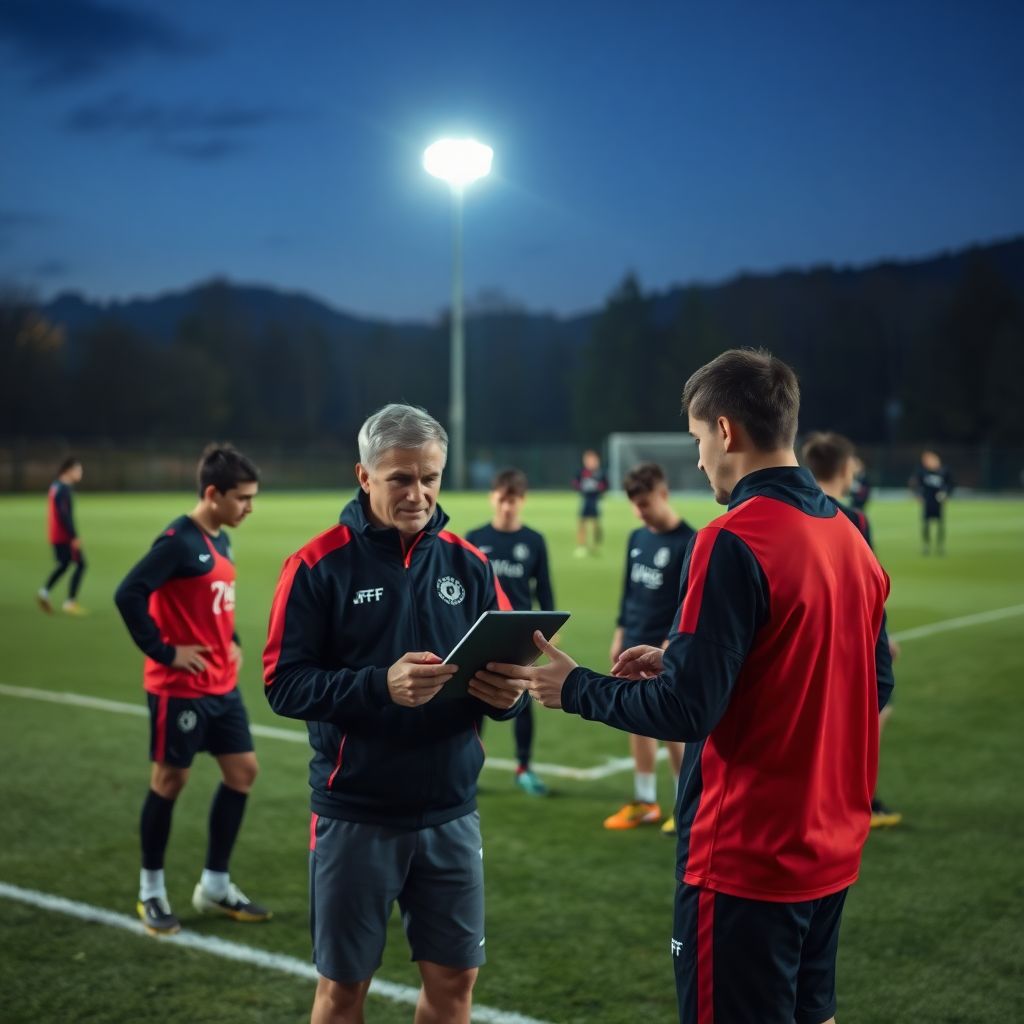
TFF 1. Lig coaches can experiment safely by running controlled tactical trials in training, measuring clear metrics, and introducing changes gradually in low‑risk match phases. Document every experiment, use youth and loanees intelligently, and communicate plans clearly. Consistent tactical progress then becomes a key asset when applying for new TFF 1. Lig coaching jobs vacancies.
Tactical Playbook – Quick Checklist
- Define one clear tactical question per week and limit experiments to that focus.
- Run A/B training games: current game model vs new idea under the same constraints.
- Record sessions and matches; tag clips by pressing, build-up, and transitions.
- Start implementing new ideas in friendlies or when a league game is already controlled.
- Use youth and loanees as flexible roles, not just squad fillers.
- Translate tactical gains into a portfolio: reports, video playlists, and short written reflections.
Designing controlled experiments in training sessions
Controlled experiments fit head coaches, assistants, and analysts in TFF 1. Lig who already have a basic game model and at least some video support. They are not ideal when the team is in crisis, changing head coach, or under strict board orders to avoid any short‑term risk.
Before you design, decide where you want an edge: set‑pieces, high pressing, rest defence, build‑up under pressure, or chance creation against a low block. Use the best TFF 1. Lig coaches tactics analysis you can access (video platforms, TV breakdowns, or local analysts) to define what “better” looks like in your context.
- Write one tactical question. Example: “Can we press 4‑2‑3‑1 teams higher without exposing our full‑backs?” Keep it specific and linked to the opponents you face most often in Turkey.
- Create two comparable game scenarios. For instance, 10v10 on ¾ pitch: group A plays with current pressing triggers, group B with the new cues. Same players, same duration, same start positions to keep the test fair.
- Control the variables you can. Rotate goalkeepers and key players between groups, keep work:rest ratios similar, and run the experiment multiple times across the week to reduce random outcomes.
- Pre‑define simple success metrics. Examples: regains in final third, passes completed after winning the ball, shots after regain, or the number of clean build‑ups under high pressure.
- Close the loop after training. Review the clips with staff, adjust constraints for the next session, and choose whether the idea is ready for limited match use or needs more work.
Measuring outcomes: metrics and video analysis
You will need at least basic tracking of events and reliable video. In TFF 1. Lig this usually means working with your analyst, local university students, or using affordable software rather than full optical tracking. The goal is consistency, not complexity.
Minimum practical requirements:
- Full‑pitch training and match recordings from a stable, elevated angle.
- Simple tagging software or spreadsheets to log key events.
- Shared storage (cloud or club server) with a clear folder structure per phase of play.
- Agreed tactical vocabulary across staff so tags mean the same thing to everyone.
Core metrics that work well in TFF 1. Lig environments:
- Pressing efficiency. Count high regains, fouls after pressing, and direct chances created from those regains.
- Build‑up stability. Measure turnovers in your own third, passes completed under pressure, and successful exits from your half.
- Chance quality. Track shots from zone 14, touches in the box, and clear cut opportunities instead of only total shots.
- Rest defence solidity. Count opposition counter‑attacks and how many reach your box or result in shots.
For each new idea, select only 2-3 metrics. Compare them across 3-5 games or training blocks. This is enough to show patterns in internal reports or in a best TFF 1. Lig coaches tactics analysis you might later share as part of your portfolio.
Integrating youth and loanees into tactical trials
Preparation checklist before you start using young and loan players in experiments:
- Confirm fitness levels and injury histories with medical staff.
- Check contract clauses for loanees about positions, playing time, or injury risk.
- Align with academy staff on player profiles and long‑term plans.
- Explain to the players that tactical trials are opportunities, not punishments.
- Choose experiments that play to their strengths, not that expose their biggest weaknesses.
-
Profile the player and the role.
Decide which tactical question this player helps you answer: e.g., a quick academy winger used to test wider counter‑attacks or aggressive counter‑pressing on the flank.
-
Start in controlled training environments.
Use smaller‑sided games first (e.g., 6v6 + jokers) where the young player has clear rules: stay wide, attack the space behind full‑back, or lead the press on their side.
- Give one or two simple cues, not a full tactical manual.
- Pair the youngster with an experienced player in the same channel for guidance.
-
Progress to mixed senior‑youth units.
Blend academy, loanees, and starters in 10v10 or 11v11, but keep the experiment localised (for example, only on the left side or only in rest defence).
- Rotate youth through both the “experimental” and “control” teams.
- Monitor how communication and decision speed change with different partners.
-
Use low‑risk match minutes.
Introduce youth and loanees into your tactical trials during friendlies, pre‑season tournaments in Turkey, or late in league games where the result is already safe.
- Limit their tasks: one role with one priority (e.g., “attack the back post” or “mark their 10”).
- Review 3-5 key clips with them the next day.
-
Document and share progress.
Save short playlists for each player: pressing clips, build‑up actions, and decision‑making in your new system. These clips help internal development and strengthen your case when applying for higher‑level roles.
In-game deployment: when to risk new systems
Use this checklist before deciding to apply a new system or tweak inside a TFF 1. Lig match:
- The idea has succeeded at least several times in 11v11 training under match‑like intensity.
- Key leaders (keeper, centre‑backs, six, captain) can explain their roles in the new structure.
- The opponent’s style matches the scenario you rehearsed (for example, they build short through a single pivot).
- Your team is emotionally stable: no recent red card, no chaos from refereeing decisions, no visible panic.
- The table situation allows minor risk: not a must‑win relegation final unless the old plan is clearly failing.
- You have at least one time‑out moment (cooling break, injury pause, or half‑time) to explain the change clearly.
- You can reverse the change quickly if it fails (simple substitution or return to the previous shape).
- Analyst staff are ready to tag clips live so you can review the impact within 24 hours.
Micro example: You tested a 3‑4‑3 pressing trap against 4‑2‑3‑1 in training. In a home game, the opponent’s pivots receive too freely. At 1-0 up, you switch to 3‑4‑3 for 15 minutes, then revert once control is re‑established.
Communicating change: staff, players, and club management
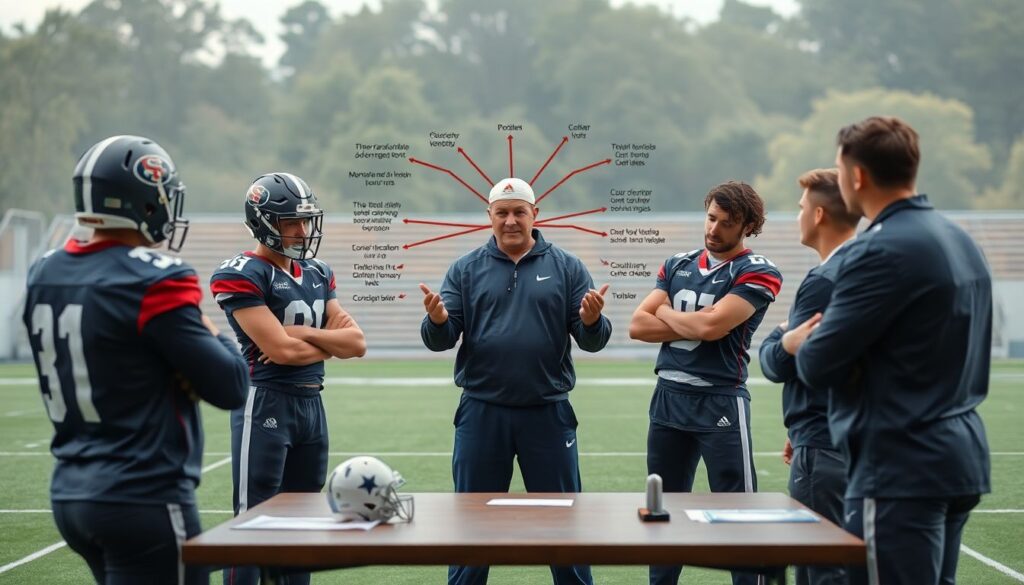
Common mistakes that make tactical experimentation look risky in the eyes of boards and players:
- Announcing a complete new system overnight instead of framing it as a small, reversible tweak.
- Using complex tactical jargon with players instead of simple, role‑based messages.
- Ignoring senior players’ feedback, which can quickly damage dressing‑room trust.
- Failing to brief assistants and analysts, so messages become inconsistent across units.
- Not linking changes to club objectives, such as developing saleable academy talent or stabilising defensive records.
- Showing only highlight clips when reporting to management, without clear metrics or context.
- Promising instant results instead of explaining that experimentation is structured and low‑risk.
- Hiding experiments from the sporting director, which can backfire when results dip.
Align communication with your long‑term development path. When you explain how to become a football coach in Turkey TFF 1. Lig to younger staff, emphasise that tactical clarity and transparent reporting are now as important as classic motivational speeches.
Leveraging tactical success to launch a coaching career
Well‑documented tactical experiments can accelerate your career beyond results alone, especially when TFF 1. Lig coaches salaries are modest compared with the Super Lig and many coaches look for upward moves or stable projects.
-
Build a tactical portfolio.
Compile written reports, simple data tables, and video playlists that show the before/after impact of your experiments. Include a brief overview of Turkish TFF 1. Lig coaching courses and licenses you hold, so clubs see both practical and formal preparation.
-
Target relevant vacancies strategically.
When contacting clubs about TFF 1. Lig coaching jobs vacancies, match your portfolio to their needs: if they concede in transitions, highlight your rest‑defence and pressing work; if they lack chance creation, show your solutions against low blocks.
-
Position yourself within a staff, not only as head coach.
Many modern careers start as analysts or assistants. Use your documented experiments to show that you can design and run tactical projects safely inside a bigger structure.
-
Connect experiments with formal education.
Link your practical work to modules from Turkish TFF 1. Lig coaching courses and licenses. For example, show how a rest‑defence project was inspired by a course topic, then adapted to your squad. This reassures clubs you translate theory into controlled, low‑risk practice.
Practical questions coaches face when experimenting
How many tactical experiments can I run at the same time?
Limit yourself to one main and one minor tactical idea per cycle (for example, per two‑week block). Too many parallel changes confuse players and make it hard to know what actually caused performance shifts.
Should I experiment more in pre-season or during the league?
Use pre‑season and international breaks for bolder structural experiments, such as new formations. During dense TFF 1. Lig calendars, stick to micro‑adjustments in pressing height, roles, or set‑pieces to keep risk low.
What if the board is afraid of tactical risk?
Present experimentation as controlled trials with clear exit plans. Show short reports that link each idea to club goals and demonstrate how you will protect results, for example, by testing mainly in training or low‑pressure match phases.
How can assistants influence tactical experimentation?
Assistants can own specific phases of play, design drills, and manage communication with positional groups. They also help ensure that experiments are consistent from the warm‑up to the final 11v11 and provide alternative feedback angles to the head coach.
Is it safe to experiment in relegation battles?
Yes, but only with micro‑changes and only after testing them thoroughly in training. Focus on low‑risk gains such as defensive restarts, throw‑in presses, and clear set‑piece routines, rather than full formation overhauls.
How do I combine experimentation with player development plans?
Align each experiment with at least one player’s growth target. For example, use a new pressing role to improve a midfielder’s scanning and intensity. This way tactical work and individual development support each other.
Can tactical experiments help me move to a bigger league?
Documented, data‑backed experiments are valuable in interviews abroad. They show that you can think systematically, manage risk, and improve performance even without large budgets or top squads, which many sporting directors respect.