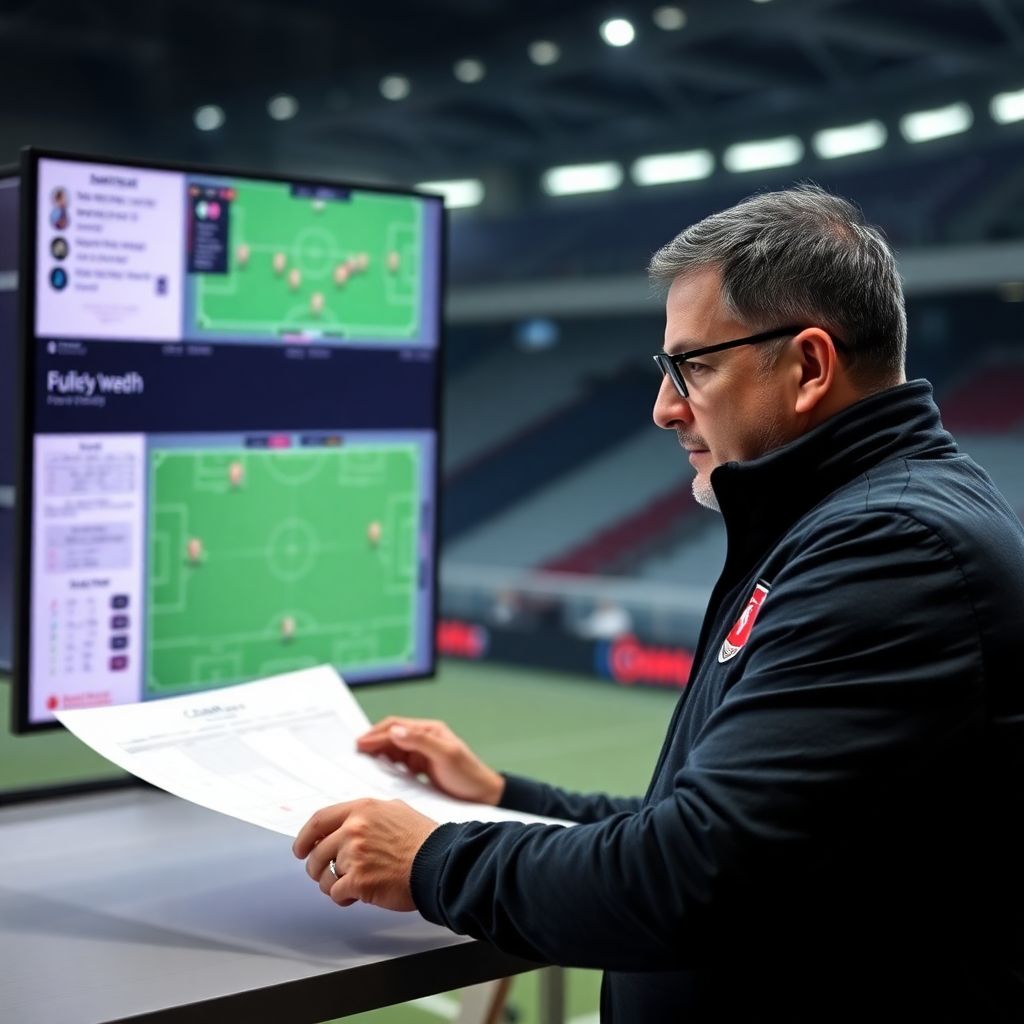
Süper Lig clubs are closing the gap with Europe by rebuilding academies around clearer playing models, better facilities, licensed coaches, and data-informed talent ID. For a technical director in Turkey, the main choice is how far to copy top European benchmarks versus adapting them to local realities, budgets and player expectations.
How Turkish Academy Reforms Close the Gap with Europe
- turkish super lig youth academies are shifting from short-term transfer focus to long-term in-house talent pipelines aligned with first-team game models.
- Top Süper Lig sides now benchmark against the best football academies in turkey and leading European clubs rather than just domestic rivals.
- New super lig clubs youth development programs combine modern facilities with regional scouting and dual-citizenship player pathways.
- Data, video and sports science are starting to guide recruitment, training loads and progression decisions for academy prospects.
- Clearer routes from U17 to U21, loans and B-teams give Turkish youngsters more competitive minutes at the right levels.
- Parents and players get more structured guidance on how to join turkish football academy setups and succeed through each age phase.
Historical Differences: Turkish Youth Systems vs. Western Models
For a club technical director comparing models, these criteria explain how Süper Lig academies historically diverged from Western European systems and where reforms now focus.
- Player pathway clarity: European elite academies traditionally offered defined steps from U12 to first team; many turkish super lig youth academies relied on ad-hoc promotions and late decisions.
- Coach education and licences: Western models demanded high licensing levels at all ages, while some Turkish clubs underinvested in early-age specialists and continuous development.
- Training methodology: European leaders emphasised game-based, position-specific work with clear periodisation; Turkish systems often leaned on generic drills and physical conditioning.
- Scouting reach: Western powers built national and global scouting networks; many Süper Lig clubs depended more on local relationships and agents than structured youth scouting.
- Integration with schooling: European academies often run education partnerships; in Turkey, coordination with schools and families has been more inconsistent.
- Data and analysis: Top European sides integrated performance data and video from early ages; Turkish youth setups are only recently building analyst roles and platforms.
- Club identity and playing style: Western clubs like Ajax or Barcelona link academy coaching tightly to first-team identity; Galatasaray or Fenerbahçe did this less systematically but are now catching up.
- Financial discipline: European academies have long been treated as assets; some Turkish boards previously prioritised short-term foreign signings over long-term academy ROI.
- Market integration: European models used loans and secondary leagues to place graduates; in Turkey these mechanisms are now being professionalised through loan networks and affiliate clubs.
Infrastructure and Investment: Facilities, Staffing, and Funding Shifts
From a strategic perspective, Süper Lig boards now face a structural choice about what academy setup to build. Below is a comparison of four common models and who they suit.
| Variant | Who it suits | Pros | Cons | When to choose |
|---|---|---|---|---|
| Traditional club-controlled campus model | Legacy Süper Lig giants with existing training centres and strong local pull | Centralised control, clear club identity, easier culture building, visible symbol for fans and parents | High fixed costs for facilities and staff, risk of insularity, harder to reach distant regions | When your club already owns land and facilities and wants to modernise gradually without changing basic structure |
| City-integrated partnership network | Urban clubs like İstanbul Başakşehir working with local schools and amateur teams | Broad reach, easier school integration, flexible capacity, good for early talent detection | Quality control across partners is difficult, variable coaching standards, complex contracts | When you lack a huge campus budget but operate in a dense city with many grassroots teams |
| Data-driven European benchmark model | Ambitious technical directors benchmarking against top 5 leagues and the best football academies in turkey | Clear KPIs, strong link between analytics, coaching and recruitment, attractive to investors and sponsors | Requires analysts, software and change management, risk of overcomplicating daily work for coaches | When leadership is committed to long-term planning, transparent reporting and competing with European benchmarks |
| Lean regional hub model | Mid-table Süper Lig clubs targeting specific regions for talent instead of nationwide dominance | Lower cost, strong local identity, easier logistics and family relationships, practical for phased growth | Smaller talent pool, harder to brand as a national destination, limited diversification of player profiles | When budgets are tight but the club sits in or near a productive football region with loyal communities |
For a data analyst evaluating super lig clubs youth development programs, it helps to compare Süper Lig norms with leading Western academies on key resource and output indicators.
| Metric | Typical Süper Lig academies | Typical top-5 European academies |
|---|---|---|
| Budget focus | Growing but still often secondary to first-team spending | Integrated into core sporting strategy, protected in long-term planning |
| Staff to player ratio | Improving, especially at bigger clubs, but with gaps in specialist roles | Broad multidisciplinary teams including analysts, psychologists and teachers |
| Facilities distribution | Strong first-team complexes; some unevenness in youth pitches and indoor spaces | Dedicated youth campuses with multiple pitches, rehab areas and education rooms |
| Graduate integration | Increasing minutes for homegrown players but still fluctuating season to season | Consistent pipeline of academy players into first team and profitable transfers |
| Use of technology | Growing adoption of video and GPS, often concentrated in older age groups | Systematic data and video use from pre-academy upwards |
Talent ID and Recruitment: Regional Scouting, Analytics, and Dual-Citizenship Pipelines
Academy directors must match recruitment strategy to their club context. These scenario-based guidelines help you decide.
- If your club is in a major city with dense grassroots football, then prioritise school and amateur club partnerships plus frequent turkey football trials for youth academy candidates instead of only relying on open trial days.
- If your budget for full-time scouts is limited, then invest in a small core of trusted regional scouts supported by video platforms and simple data dashboards rather than a large but shallow network.
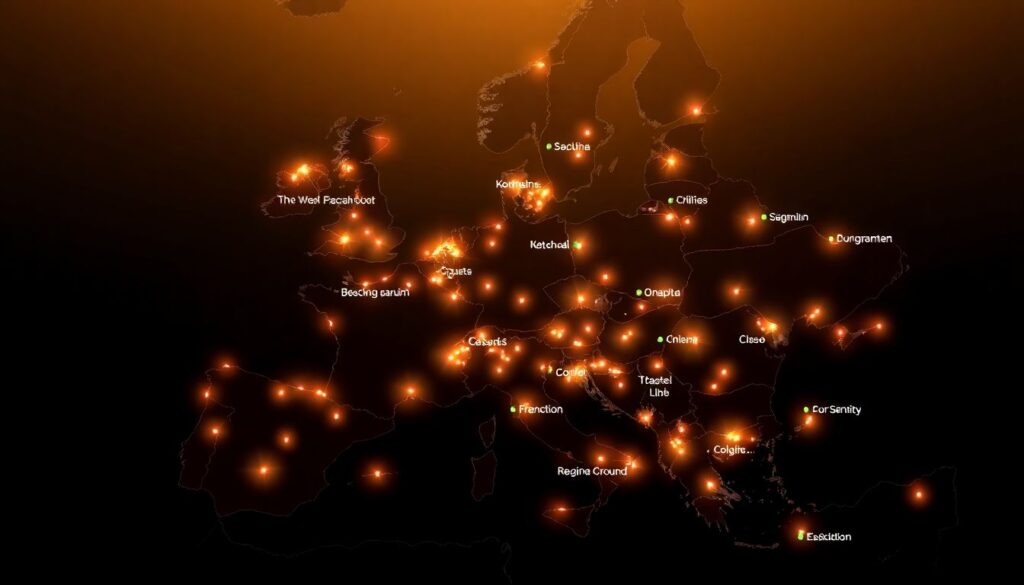
- If your club has strong brand recognition among the diaspora, then build a structured dual-citizenship pipeline in Germany, the Netherlands and other countries by partnering with local academies and holding targeted ID camps.
- If you historically signed many late teens from other domestic clubs, then gradually shift resources towards U12-U15 scouting so you develop players earlier instead of paying premiums later.
- If coaches complain about unsuitable player profiles entering the academy, then align your scouting templates and reports with the first-team game model and concrete positional requirements.
- If parents are confused about how to join turkish football academy setups at your club, then publish clear age-specific entry routes, trial windows and contact channels on your website and social media.
Coaching Philosophy: Curriculum, Coaching Licences and Player-Centred Development
For an academy head coach, choosing and implementing a coherent coaching philosophy can follow this practical checklist.
- Define the first-team game model in simple language, then translate it into age-appropriate learning objectives for each phase from U8 to U19.
- Map current coaching licences, strengths and gaps, and prioritise education for foundation-phase coaches who shape habits and decision-making earliest.
- Select one core curriculum framework and avoid mixing conflicting ideas; adapt it to Turkish player characteristics, climate and competition formats.
- Standardise a limited set of team principles and terminology so players experience consistent messages even when coaches change or move age groups.
- Integrate individual development plans for high-potential players, with clear targets on technical, tactical, physical and mental dimensions and regular reviews.
- Build weekly microcycles that balance team-tactical objectives with position-specific work, recovery, school schedules and match congestion.
- Use video and simple data to review sessions and matches with players, focusing on understanding and decision quality rather than only mistakes.
Pathways to First Team and Market Integration: Loans, Transfers and Strategic Partnerships
Clubs redesigning pathways from academy to senior football often repeat similar mistakes, especially when copying European models without adaptation.
- Sending players on loan without a clear playing position, role or minimum minutes target and then blaming the partner club when development stalls.
- Promoting too many youngsters to first-team training at once, reducing individual attention and overwhelming them with tactical detail.
- Judging academy graduates only on immediate first-team impact instead of also considering loan value, resale potential and squad depth contributions.
- Failing to coordinate between academy staff, loan managers and first-team coaches, so information about player progress is fragmented.
- Choosing loan destinations based on personal relationships rather than league style, coach profile and competitive level.
- Rushing contract renewals after one good season or tournament, creating salary structures that reduce flexibility for future squad building.
- Neglecting psychological support when players move abroad or step into high-pressure derbies, which can be acute in the Turkish environment.
- Ignoring the marketing angle of homegrown success stories, reducing incentives for boards to keep investing in academies.
- Assuming that copying a famous foreign pathway model automatically suits local league calendars, travel demands and cultural factors.
Measurable Outcomes: Performance Metrics, Case Studies and Transfer Value
For big-city clubs with strong brands and ambitions to match European powers, the data-driven European benchmark model is usually best. For regional or budget-conscious teams, a lean regional hub or city-integrated partnership network often gives better returns. Traditional campus setups still work when modernised with clear pathways and analytics.
Practical Concerns When Adapting European Academy Practices
How can a mid-budget Süper Lig club compete with richer European academies?
Focus on a narrow regional talent pool, a clear playing identity and strong coach education rather than trying to copy every facility. Use targeted partnerships and loans instead of building expensive B-teams you cannot sustain.
What role do open trials play in modern Turkish academies?
Open turkey football trials for youth academy places are now a supplement, not the main entry route. Most serious recruitment is done through scouting, school links and partner clubs, with trials used to confirm assessments and discover late developers.
Which Süper Lig clubs are useful benchmarks for youth reform?
Clubs like Galatasaray and Fenerbahçe provide examples of legacy academies modernising structures, while İstanbul Başakşehir shows how a newer club can use partnerships and data. Always filter their ideas through your own budget, location and supporter expectations.
How should parents evaluate the best football academies in Turkey?
Look beyond big names. Assess coaching licences, school support, injury management, communication with families and the number of recent graduates playing professional minutes. A smaller club with a clearer pathway can be better than a famous badge.
What data should an analyst track in a youth development program?
Start with simple metrics such as training attendance, minutes by age group, positional stability, injury days and progression between squads. Link these to outcomes like professional contracts, loan success and eventual transfer income.
How do foreign-born Turkish players fit into Süper Lig academy strategies?
They offer access to different coaching backgrounds and competitive environments. The key is building respectful relationships with their existing clubs and families, then integrating them carefully into Turkish culture, language and league demands.
What is the realistic timeline to see impact from academy reforms?
Structural changes usually take multiple age cycles to show results. Expect to see early signs in training quality and player retention, with more visible first-team impact as current U13 to U15 cohorts reach senior level.