From asphalt cages to smart pitches
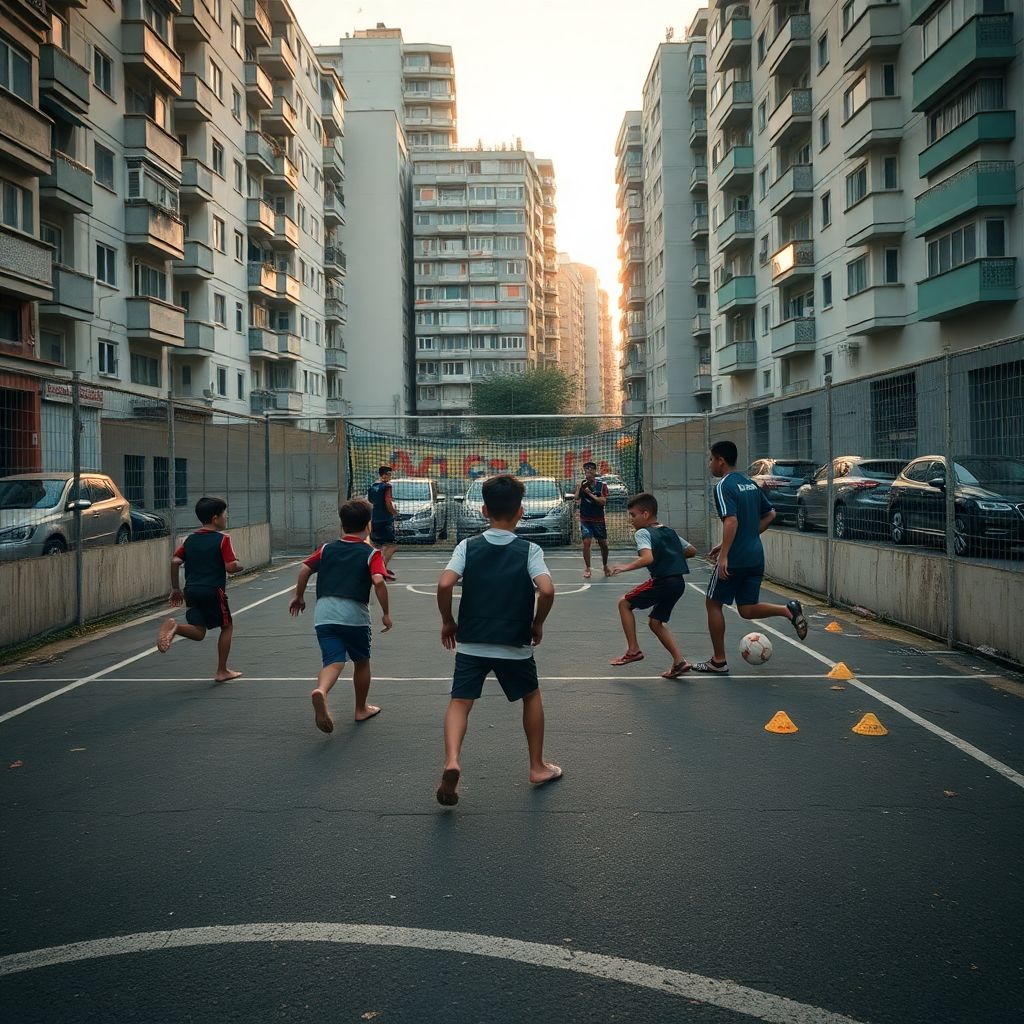
If you walk through Istanbul, Izmir or Gaziantep in 2026, you still see kids playing barefoot between parked cars. The difference from ten years ago: half of them wear GPS vests they bought online, record games on cheap action‑cams and upload clips to scouts’ platforms in the evening. Street football is no longer just a romantic origin story; it has become an informal “pre‑academy”, tightly linked with data, analytics and structured turkey youth football training programs that start earlier and track more variables than ever.
New grassroots pipelines: how it really works in 2026
Today the typical pathway is hybrid. A 12‑year‑old might play three days a week in a neighborhood cage, two days in a private academy and weekend games for a local club. Coaches now actively mine street pitches: big academies in Istanbul and Ankara send talent ID staff with tablets, logging accelerations, small‑space decision‑making and fatigue patterns. What used to be an accidental discovery is turning into a semi‑formal scouting circuit, built on WhatsApp groups, GPS data and community tournaments streamed on YouTube.
Real stories: from backstreet games to elite contracts
Take a composite but realistic case based on recent signings by clubs like Altınordu and Başakşehir. “Emre”, from a densely built district in Izmir, grew up playing 4v4 on a 20×12 m concrete lot. By 13 he’s streaming his games via a cheap phone on a fence. A scout tracking local clips notices his 1v1 success rate and high sprint‑repeatability, invites him to weekend sessions, and within 18 months Emre earns a scholarship at a turkish football academy for youth linked to a Süper Lig club, with a clear technical and academic roadmap.
Technical focus: what scouts actually measure now
Modern Turkish grassroots scouting relies less on “good touch” and more on quantifiable micro‑skills. Even at community level, coaches use low‑cost GPS and video tagging to track:
– Repeated sprint ability (RSA) over 20–30 m
– Defensive duels won in under 2 seconds
– Progressive carries per possession in tight spaces
– Expected threat (xT) added from passes in the final third
Street players who show efficiency in these metrics, despite chaotic conditions, are prioritized for trials and academy invitations.
Street football as high‑intensity tactical lab
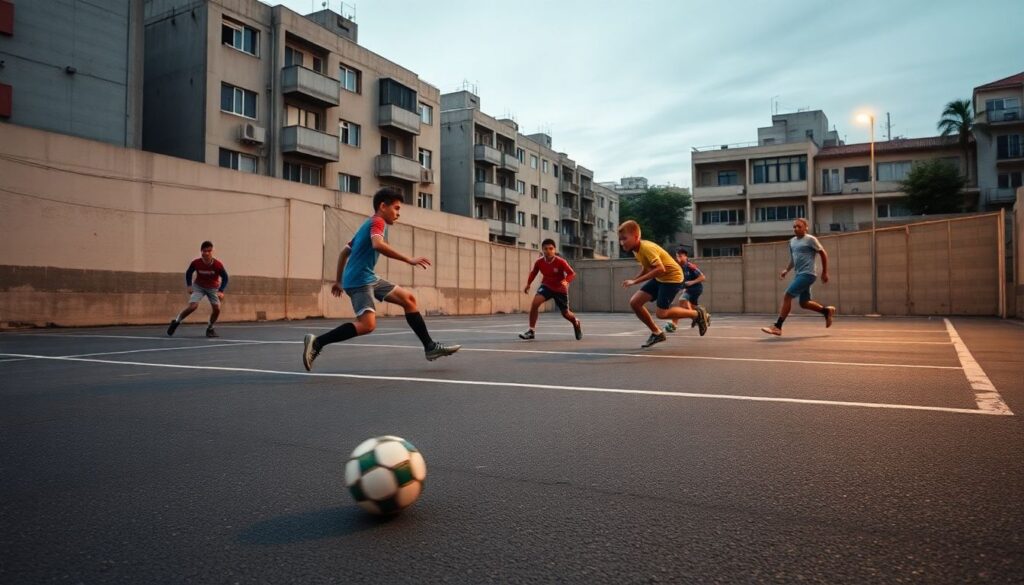
The old cliché was that street football builds flair; in 2026 coaches talk about “compressed decision bandwidth”. On a 15 m wide asphalt pitch with uneven lines and no referees, players learn to scan constantly, manage contact, and solve 3v3 overloads in less than one second. Performance analysts from big clubs review cage‑football footage because it simulates pressing traps and chaotic rest‑defence situations that are hard to reproduce in controlled drills.
Best soccer camps in turkey for kids: why they changed

Summer and mid‑season camps used to mean fitness and friendly games. Now the best soccer camps in turkey for kids market themselves as “data‑verified accelerators”. A six‑day camp typically includes individual video reports, sprint profiling, technical tests on smart walls and even psychological screening. Parents aren’t just buying fun; they’re buying benchmarking. Families can see exactly where their child sits versus professional academy standards, and which position‑specific path fits their profile.
Inside a modern micro‑cycle
A typical U14 micro‑cycle in a competitive academy in 2026 looks something like this:
– Monday: recovery, neuromuscular activation, cognitive games in VR settings
– Tuesday: position‑specific rondos with pressing cues, 6v6 positional play
– Wednesday: strength and movement literacy, elasticity work, short finishing
– Friday: tactical rehearsal, set‑piece scripting, match scenario simulations
– Weekend: league game and post‑match data review with coach–player debriefs
This structure filters down into ambitious grassroots clubs that mirror professional workflows in simplified form.
Professional football trials in Turkey: more transparent, more ruthless
The days when you needed an uncle in a club office are fading. Centralized online platforms coordinate professional football trials in turkey across Süper Lig and 1. Lig academies. Registration requires video, physical test data and a basic injury history. The upside: clear criteria and visible dates. The downside: competition exploded. Where a club might have trialed 60 kids in 2015, it now screens 600 via video and data, inviting only the top 8–10% to in‑person events with standardized drills and live analytics.
Technical block: trial drills that decide your fate
At larger clubs, a one‑day trial is structured around repeatable diagnostic tasks, for example:
– 4×30 m flying sprints with 20 s rest to compute RSA index
– 5v5 positional games with constrained touches to assess scanning and pressing triggers
– Finishing circuits graded by post‑shot xG and ball speed
– Cognitive tests with light‑based reaction boards
Decisions are rarely made on a single spectacular goal; they’re based on profiles that combine physical, technical and game‑intelligence metrics into a risk–reward projection.
How to join football clubs in Turkey in 2026: the real checklist
For families outside major cities the process can seem opaque, but the practical pathway has become more standardized. Instead of chasing random “agents”, parents are advised to:
– Use federation‑approved trial portals and club websites
– Collect match footage from local leagues and tournaments
– Obtain basic speed, jump and endurance tests from PE teachers or local gyms
– Attend regional ID days run by pro clubs twice a year
The route is still competitive, but the informational barrier is lower, especially for kids from smaller towns.
Role of the private sector: academies, apps and analytics
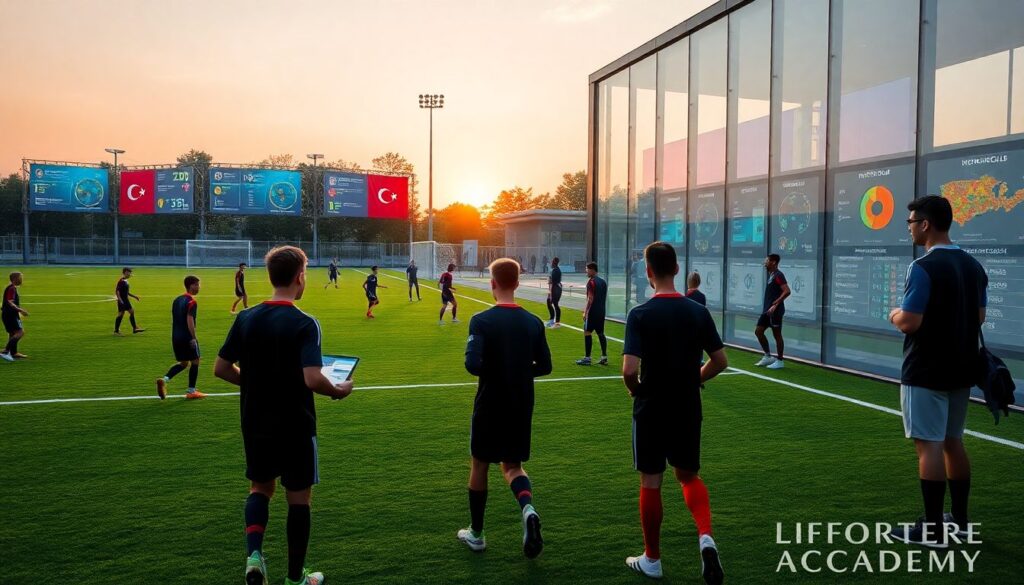
The boom in private academies has transformed the ecosystem. A turkish football academy for youth in 2026 is often a tech‑enabled business: subscription‑based, offering performance dashboards for each player and direct links to scouts via monthly reports. Some academies guarantee that every enrolled player will have a standardized data profile sent to at least three professional clubs per year, essentially becoming outsourced data providers rather than just coaching centres.
Turkey youth football training programs: shifting methodology
On the methodological side, turkey youth football training programs have moved away from isolated drills towards game‑based frameworks. “Game model first” is now standard language even at U11. Coaches define clear principles—counter‑pressing timings, rest‑defence shapes, build‑up patterns—and work backwards. Street‑style improvisation is not suppressed; it’s framed inside tactical roles. The result: players who can both follow structures and break them intelligently when space appears.
Case study: Gaziantep community project to Süper Lig debut
In 2020 a community centre in Gaziantep started a small-sided league on a rubber pitch beside a school, pairing free training with nutrition support for low‑income kids. By 2025, three players from that project had signed youth contracts; one, a left‑back with elite aerobic capacity, debuted in the Süper Lig at 19. His path combined unstructured after‑school games, a data‑driven NGO program and a late move to a professional environment, showing how layered modern grassroots pipelines have become.
Best practices for parents navigating the new landscape
Parents in 2026 juggle street football, school, paid academies and travel. To avoid burnout and wasted money, technical coordinators now suggest a few non‑negotiables:
– Prioritize one main team environment; others should complement, not compete
– Limit structured sessions to 4–5 per week under age 14; keep at least one day for free play
– Invest first in health: screenings, proper footwear, recovery habits
– Treat data as feedback, not as a label; kids develop at different speeds
The aim is to blend joy and ambition without turning childhood into a permanent trial.
Best soccer camps vs. long‑term development
Short‑term environments can help, but they’re not magic bullets. Elite staff stress that even the best soccer camps in turkey for kids are snapshots: they can reveal a hidden winger or refine a goalkeeper’s positioning, yet long‑term adaptation—bone density changes, coordination, tactical automatisms—happens over seasons, not weeks. The most effective camps now provide continuity plans: remote monitoring, periodic online check‑ins and integration advice for home coaches.
Digital visibility: from cage highlights to scout dashboards
Video is the new word‑of‑mouth. Apps allow kids to tag clips by skill type—pressing, progressive pass, 1v1 dribble—and upload them to shared libraries. Several Süper Lig clubs maintain dashboards that automatically surface grassroots clips where certain thresholds are met: for example, at least five successful 1v1s in a match with heart‑rate data showing sustained intensity. What started as kids filming nutmegs for fun has turned into a genuine early‑stage scouting layer.
Risks and ethical concerns in the 2026 ecosystem
Of course, there are downsides. Data‑driven selection can bias against late maturers whose metrics lag until growth spurts. Commercial academies sometimes oversell chances, promising professional football trials in turkey to almost everyone. And social media can distort priorities, with players chasing viral moments instead of long‑term development. The Turkish FA and larger clubs are responding with regulations on licensed intermediaries, minimum education standards and mental‑health support programs within academies.
What actually matters from street to stadium
Under all the tech and new jargon, the core variables haven’t really changed: resilience, game intelligence, coordination and love for the ball. Street football still produces players who enjoy risk, try audacious solutions and learn to compete without external validation. The professional system, with structured turkey youth football training programs, refines that raw material into positional profiles and repeatable behaviours. The art in 2026 is not choosing one over the other, but synchronizing both worlds.
Looking ahead: the next decade of Turkish grassroots
If the current trajectory continues, by 2030 the gap between a kid on an asphalt cage in Diyarbakır and a top academy prospect in Istanbul will be narrower in terms of access to information, basic testing and visibility. The question is no longer just how to join football clubs in turkey, but how to do it while preserving creativity and well‑being. The most inspiring Turkish stories of the next decade will likely belong to players who keep their street instincts alive while mastering the professional code written in data, roles and collective tactics.