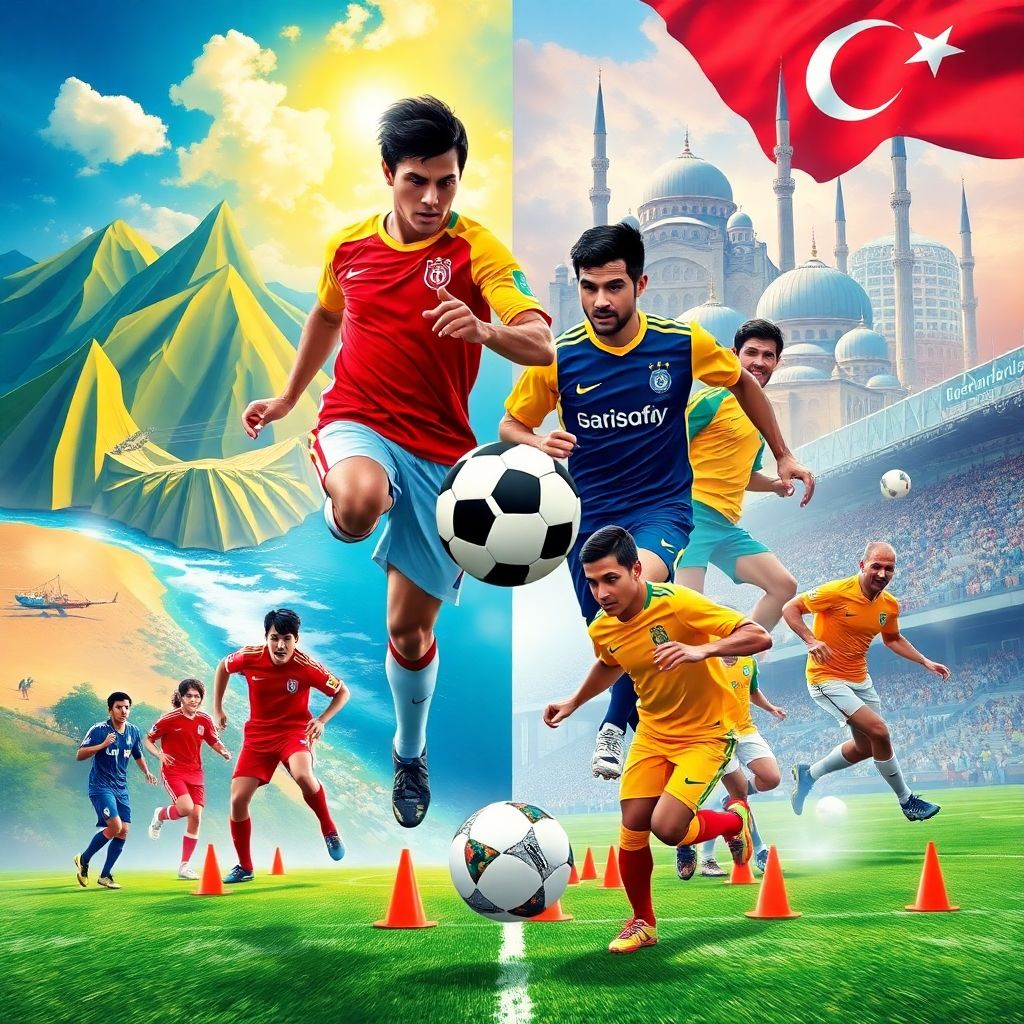
From Brazil to the Bosphorus: why foreign stars matter
When people talk about famous foreign stars in Turkish football history, they usually remember trophies and crazy derbies, but the real story is deeper. Foreign players changed the way Turkish clubs train, scout and even think about tactics. From the first South Americans in the 1990s to today’s global squads, turkish super lig foreign players helped the league move from local battleground to international showcase. Their impact is visible not only in packed stadiums, but in youth academies, sports science labs and the dreams of kids juggling a ball on narrow Istanbul streets.
Inspiring examples: from Hagi to Alex and beyond
If you’re looking for best foreign footballers in turkey, a few names instantly come up. Gheorghe Hagi at Galatasaray turned a strong team into a European force, inspiring a generation with his mix of discipline and audacity. On the other side of the Bosphorus, Alex de Souza became a symbol of intelligence and loyalty at Fenerbahçe, shaping how playmakers are perceived in Turkey. These aren’t just fan stories: their professionalism, attention to detail and obsession with preparation set new standards that local players and coaches still try to match.
Top Brazilian magicians: rhythm from Rio to Istanbul
Among all imports, top brazilian players in turkish super lig deserve a special chapter. Roberto Carlos at Fenerbahçe didn’t arrive just as a World Cup winner; he brought new warm‑up habits, gym routines and dietary habits that younger teammates copied. At Galatasaray, players like Felipe Melo combined South American aggression with tactical discipline, transforming midfield culture. Their ability to adapt samba flair to intense Turkish atmospheres showed that creativity and structure can coexist, and this blend still shapes how clubs recruit South American talents today.
Real‑life cases: how clubs built lasting cultures
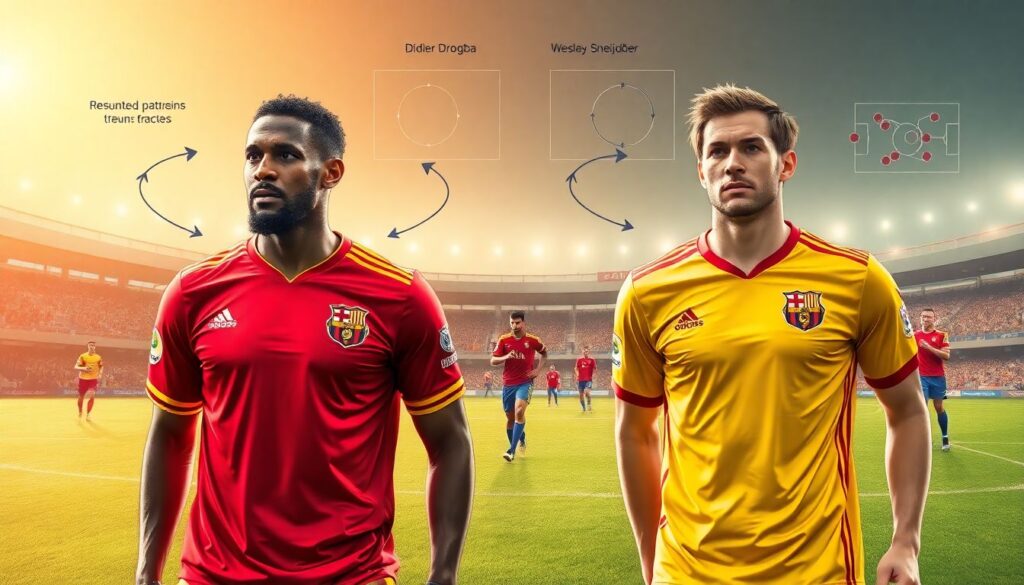
Several case studies show how individual signings became long‑term projects. Galatasaray’s decision to pair Didier Drogba with Wesley Sneijder was not only about marketing. The club redesigned its attacking patterns around them, then adapted youth‑team curricula to similar movements and pressing triggers. At Fenerbahçe, Alex’s long spell turned into a de‑facto “playmaker school”: academy coaches used his clips to teach timing, body orientation and decision‑making. These projects prove that galatasaray fenerbahce foreign legends can function as live textbooks, not just short‑term entertainers.
What we can learn: practical recommendations
The legacy of these players hints at clear steps for development, both for clubs and young athletes:
1. Study role models in detail: watch full matches, not only highlights, and track how they move without the ball.
2. Copy habits, not just tricks: sleep, nutrition and training routines matter as much as skills.
3. Embrace cultural mix: foreign teammates can broaden tactical and social horizons if communication is encouraged.
4. Think long term: each signing should connect to academy philosophy, not just boost shirt sales for one season.
Successful projects beyond the spotlight
Not every foreign success makes global headlines, but many shaped the league from within. Goalkeeper Fernando Muslera at Galatasaray, for instance, raised expectations for modern keepers: comfort with the ball, leadership, and psychological resilience. Clubs like Başakşehir built analytics‑driven scouting cells focused on fitting characters, not only raw talent, among turkish super lig foreign players. By tracking adaptation time, language learning and training volume, they turned transfers into controlled experiments, then recycled the lessons back into recruitment and coaching manuals.
How foreign stars accelerated tactical evolution
When you map famous foreign stars in Turkish football history against tactical changes, the pattern is clear. Hagi and later Sneijder pushed Turkish teams toward possession‑based, structured attacking play in Europe. Drogba normalized high‑intensity pressing from the front. Brazilian full‑backs encouraged the use of overlapping and inverted roles, influencing how youth coaches design wide‑area drills. These players acted as “imported upgrades” to the local knowledge base, forcing domestic coaches to keep learning, rethinking formations and embracing sports science support staff.
Resources for learning and self‑development
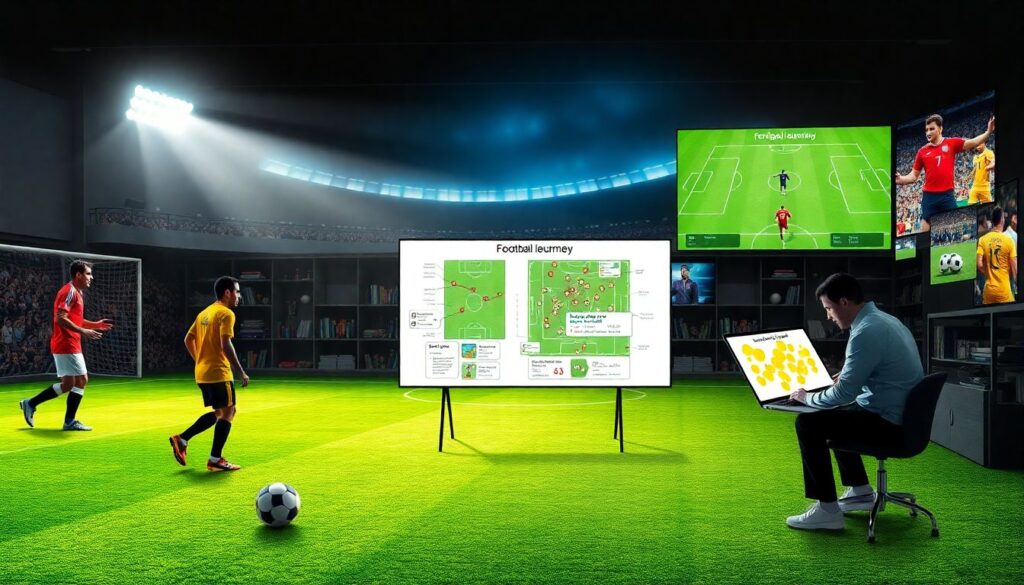
Anyone who wants to follow this path—whether as player, coach or analyst—can turn that legacy into a personal curriculum. Club‑published documentaries about galatasaray fenerbahce foreign legends, full match archives on official platforms, and tactical blogs that dissect best foreign footballers in turkey provide structured material for self‑study. Add to this UEFA coaching courses, online analytics tools and language apps that help future imports adapt faster. Used together, these resources transform admiration into a step‑by‑step plan for growth, keeping the bridge from Brazil to the Bosphorus alive for the next generation.