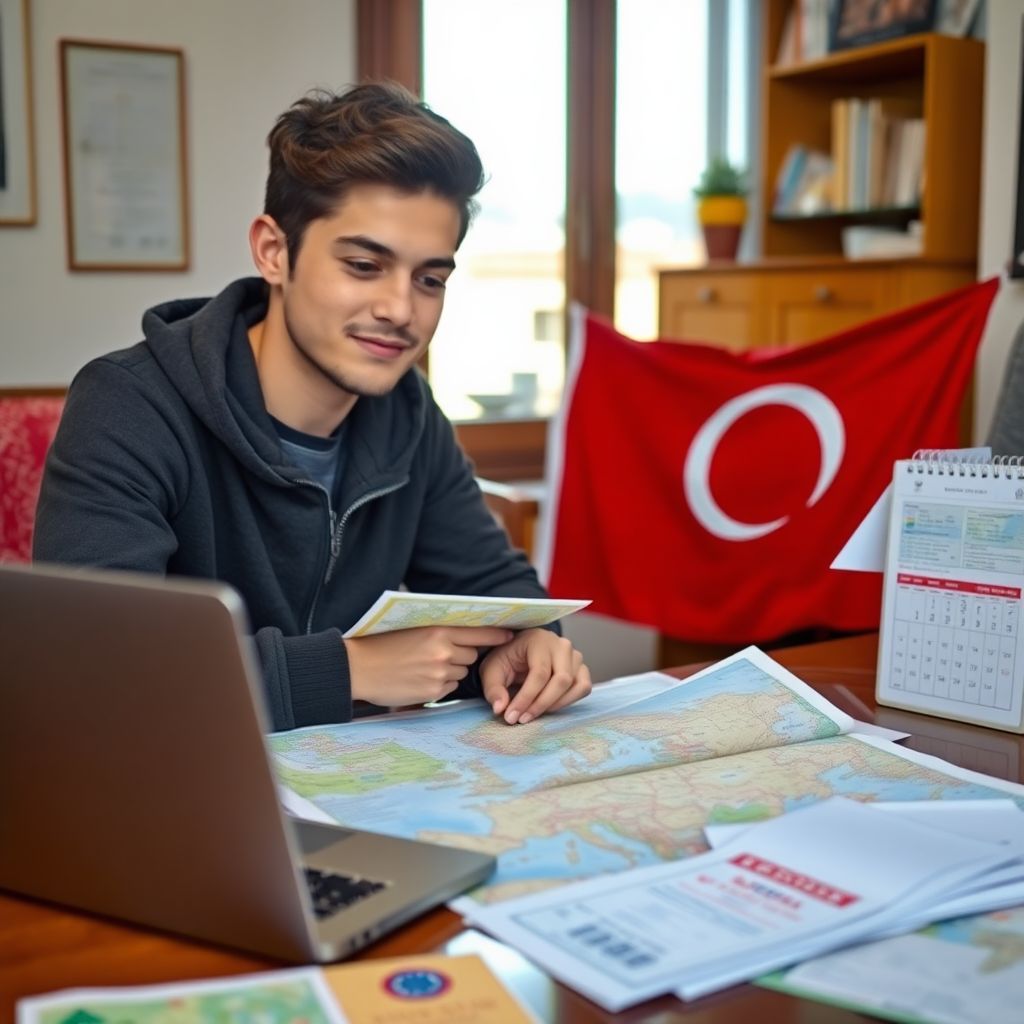
Turkish youngsters can move from Anadolu to Europe safely and successfully by choosing a realistic target country/program, preparing strong applications, planning visa and finances early, and using Turkish diaspora networks. Focus on one clear path at a time, follow official instructions step‑by‑step, and track monthly goals for language, documents, money and networking.
Success Checklist for Turkish Youth Abroad
- Define one clear primary goal: study, work, or a skills‑focused gap year.
- Choose 1-3 realistic target countries based on language, cost and visa rules.
- Create a 12-18 month timeline with monthly document and savings targets.
- Reach at least B2 in English or the local language before applying.
- Prepare standard documents: diploma, transcripts, CV, motivation letter, reference letters.
- Use official government/university scholarship pages first, then trusted portals.
- Join at least two Turkish or international student communities per target country.
Selecting the Right Destination and Program
- Clarify your main path: study in Europe for Turkish students (bachelor/master/PhD), vocational training, or work with later study.
- Shortlist the best European countries for Turkish students for your profile (e.g. language you already study, tuition fees, job market, Turkish community size).
- Check entry language requirements: do programs accept English, or do you need German/French/another language?
- Verify official visa types for your goal: student visa, job seeker, qualified worker, Erasmus, or language course.
- Compare total yearly cost (tuition + living) with realistic family support and your savings potential.
- Avoid countries or programs that are unaccredited, vague about fees, or promise unrealistic quick work permits.
- Do not rush into any agency contract; always check the same program on the university’s official website first.
Example vignette: A 20‑year‑old from Konya wanted Germany but had no German. After comparing options, he chose an English‑taught IT bachelor in the Netherlands with clearer visas and more English‑language support, then later moved to Germany for a master’s with better German.
Preparing Application Materials That Stand Out
- Collect academic records early: high‑school diploma, university transcripts, translation and notarization if needed.
- Prepare a focused CV (1-2 pages) highlighting grades, projects, internships, Olympiads or competitions.
- Write a tailored motivation letter for each university explaining why that country, that program and how it connects to your long‑term plan in Europe.
- Ask teachers/employers for recommendation letters 1-2 months before deadlines; give them your CV and program details.
- Take required language tests (IELTS/TOEFL/TestDaF/DELF, etc.) several months early to retake if necessary.
- For Turkish students scholarships in Europe, prepare a separate “impact paragraph” about how you will use your education for Turkey and your host country.
- Use clear file names (Name_Transcript_2026.pdf) and keep everything backed up in cloud storage and on a USB drive.
Example vignette: A student from Erzurum applied to six master’s programs with the same generic letter and got zero offers. Next year she rewrote each letter to show specific course names and professors in that university; this time she received three offers and one tuition‑free scholarship.
Visa, Legal and Financial Prep: Step-by-Step
Before starting the detailed steps, confirm this short preparation checklist:
- Have at least one official acceptance letter or contract (study or work).
- Check the visa category and required documents on the consulate’s official website.
- Create a simple budget showing how you will cover at least 12 months.
- Ensure your passport is valid for the required period (often 1-2 years).
- Plan where you will stay at least for the first 1-2 months abroad.
-
Confirm the exact visa type and rules
Go to the official embassy or consulate website of your target country in Turkey. Read the section for student or work visas, including processing times, required funds and health insurance rules. -
Book your visa appointment early
Appointments can fill quickly, especially before semesters. Book as soon as you have a conditional or final acceptance and know the visa type.- Track appointment confirmations and reminders in a calendar.
- Avoid third‑party sellers offering “faster dates” for money.
-
Collect and translate documents safely
Gather passport, photos, acceptance letter, financial proof, insurance, housing proof and any required forms.- Use sworn translators (yeminli tercüman) if translations are needed.
- Keep copies of everything in both digital and printed form.
-
Plan financial proof and living costs
Check how much money must be shown for the visa (blocked account, bank statement, sponsor letter or scholarship confirmation).- Combine savings, family support and official scholarship letters if allowed.
- Keep clear documentation of money transfers and account ownership.
-
Arrange health insurance and housing
Many countries require health insurance starting from your arrival date and at least temporary accommodation.- Consider student housing, hostels, or short‑term rentals for the first month.
- Print all booking confirmations and insurance certificates.
-
Prepare for the visa interview
Be ready to explain why you chose that country, program or job and how you will finance your stay.- Practice short, honest answers in the embassy’s language or English.
- Bring only required documents; arrive early and dress neatly.
-
Plan your first 90 days abroad
After arrival, you may need to register your address, apply for a residence permit or student card, and open a local bank account.- Read the city or university’s “welcome guide” before you fly.
- Keep your passport, visa and rental contract in a safe but accessible place.
Example vignette: A young man from Gaziantep received his Italian student visa smoothly because he followed the consulate checklist line‑by‑line, kept all receipts for his blocked account, and printed two full sets of documents. His friend skipped the insurance paper and had to rebook the appointment, losing a month.
Cultural Integration and Professional Networking Tactics
- Commit to speaking the local language daily, even with mistakes; join free or low‑cost language exchanges in your city.
- Join at least one Turkish student society and one international or local club related to your field (IT, engineering, arts, etc.).
- Set a target of attending one networking event, career fair or meetup every month.
- Update your LinkedIn profile in English and the local language; connect with alumni from your university and Turks already working there.
- Look for legal part‑time student jobs or internships that match visa rules, especially if you are exploring how to work in Europe as a Turkish citizen after graduation.
- Volunteer in campus or city projects (festivals, NGOs, student mentoring) to build local references and soft skills.
- Reflect every three months: list three new contacts, three skills and three cultural lessons you gained.
Example vignette: A student from Kayseri in Paris joined a photography club and a Turkish-French youth group. Through a photo exhibition, she met a local entrepreneur who later offered her a paid part‑time marketing job within her student visa limits.
Leveraging Turkish Diaspora and Institutional Grants

- Do not rely only on random social media groups; always confirm advice about visas, jobs or scholarships on official websites.
- Avoid paying large “consulting fees” to agencies before you see clear written services and refund rules.
- Do not ignore Turkish student associations and alumni networks; many success stories of Turkish immigrants in Europe started with one helpful contact there.
- Do not miss university and government deadline calendars; scholarships often close months before the semester starts.
- Avoid applying to scholarships with copy‑paste essays; committees can easily recognize generic or AI‑generated texts.
- Be careful with “cash jobs” offered by acquaintances in the diaspora that break local labor and visa laws.
- Do not forget Turkish and European institutional options together: EU programs, city grants, university fee waivers and NGO funds can often be combined.
- Keep pride and realism together: accept entry‑level roles or regional cities if they build a long‑term European CV.
Example vignette: A young graduate from Bursa found a regional government grant in Spain through a local Turkish association, plus a small university housing scholarship. Combining both, he covered most of his living costs during a one‑year public policy master’s.
Scaling Early Wins into Long-Term Careers in Europe

There are several safe alternatives for turning early success abroad into a stable long‑term route, depending on your results, finances and preferences:
-
Path 1: Full degree and graduate job
Complete a bachelor or master in Europe, use internships to build local experience, then apply for graduate jobs according to the country’s post‑study work rules. -
Path 2: Erasmus or exchange then return
Study in Turkey, go on Erasmus/exchange in Europe for one or two semesters, then return and use your experience and network for remote or hybrid work with European companies. -
Path 3: Skill‑focused route plus later study
Build strong skills and a portfolio in Turkey (IT, design, engineering, gastronomy), then apply for vocational programs or short courses in the best European countries for Turkish students in that skill area, later upgrading to a full degree. -
Path 4: Work‑first strategy
For experienced professionals, apply for legal work visas or talent programs, then consider part‑time or evening study to formalize qualifications while already working in Europe.
Example vignette: A computer science graduate from Eskişehir did Erasmus in Poland, returned to Turkey, then joined a remote German startup. After two years of remote work, the company sponsored his relocation to Germany under a qualified worker scheme.
Practical Clarifications and Quick Answers
Is it realistic to study in Europe with an average school record from Turkey?
Yes, but you must be flexible with country, university ranking and program type. Focus on improving language scores, building a strong motivation letter and finding programs that value potential and practical experience, not only top grades.
Where should I start searching for Turkish students scholarships in Europe?
Begin with official government scholarship pages of your target countries, then check each university’s “fees and funding” section. After that, explore Erasmus, EU programs and trusted databases recommended by Turkish universities or large NGOs.
How early should I prepare if I want to study in Europe for Turkish students?
Ideally start 12-18 months before your intended arrival. This gives enough time for language tests, document translation, application rounds, scholarship decisions and visa processing without last‑minute stress.
Can I work during my studies in Europe as a Turkish citizen?
In many countries, student visas allow limited part‑time work, but rules differ. Always check official regulations: allowed hours per week, sectors, and whether internships count as work. Never accept undeclared jobs that could risk your residence permit.
Which are generally considered the best European countries for Turkish students?
It depends on your language skills, budget and field. Many Turkish students choose countries with strong public universities, clear residence rules and established Turkish communities. Research at least three countries in detail before deciding.
How can I learn from success stories of Turkish immigrants in Europe without copying them?
Read or watch their stories focusing on processes, not exact paths: how they learned the language, built networks, chose cities and handled setbacks. Use their strategies as inspiration while adapting them to your own skills and timeline.
What if my visa is refused the first time?
Read the refusal reason carefully, correct the missing or weak points (funds, documents, unclear plan) and consider reapplying or changing country or program. Many people succeed on a second, better‑prepared application.