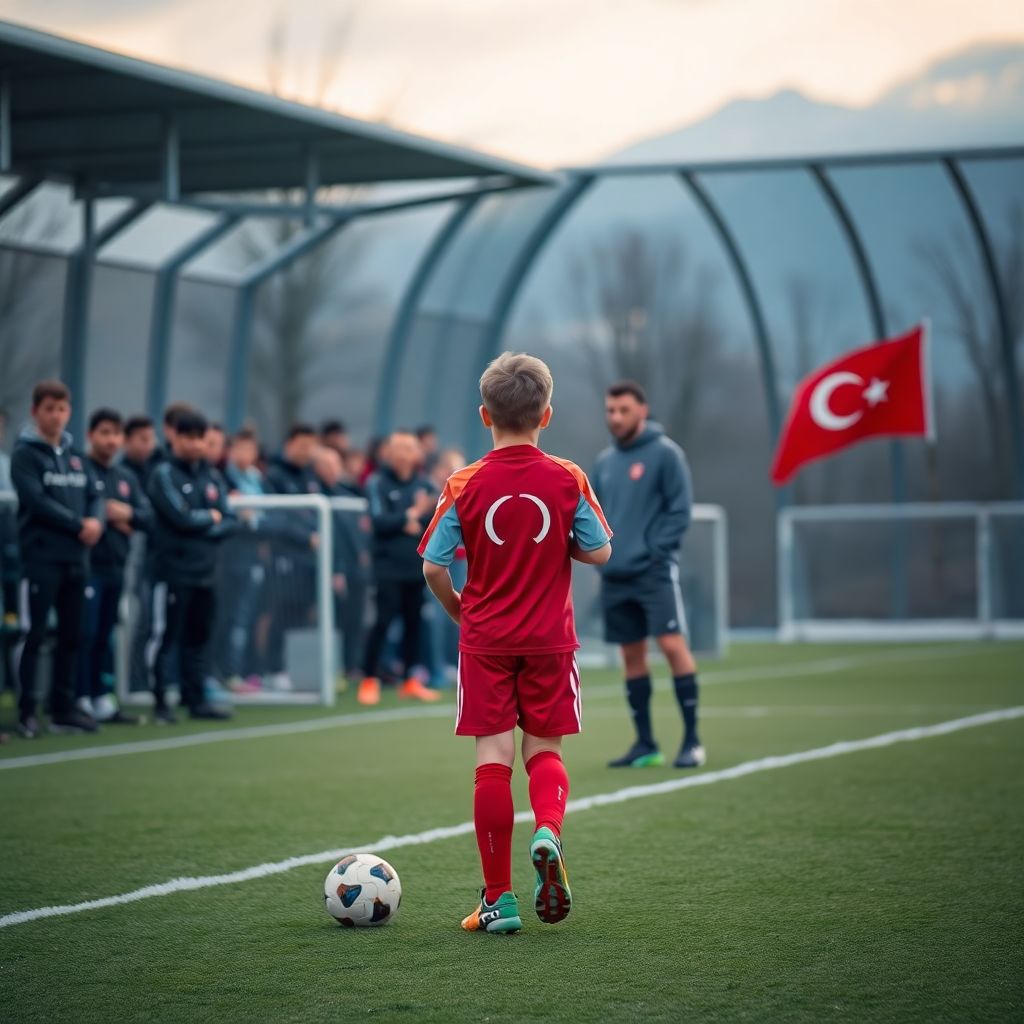
Turkish football academies are best if you want strong competition, lower costs, and a culturally familiar route into regional pro football; Europe’s elite systems win on facilities, sports science, and visibility to top clubs. For a Turkish player targeting European scouting, an academy in Turkey with proven European pathways is often the best compromise.
Executive comparison summary
- For raw talent in Türkiye, top local clubs provide easier access to turkish football academies for youth trials than most European giants do for foreigners.
- On average, Western European academies offer more advanced infrastructure, analytics, and stable league structures than Turkish setups.
- The best football academies in turkey vs europe differ mainly in daily training quality, game intensity, and progression transparency, not just reputation.
- For families, the cost of joining elite turkish football academy compared to europe is usually lower, but scholarships in Europe can rebalance the equation.
- If you want to enroll in turkish football academy for european scouting, prioritise clubs with recent exports to Europe and clear loan pathways.
- A professional youth football academy turkey with european pathways can outperform a mid-level European academy for motivated, adaptable Turkish players.
Infrastructure and facilities: Turkish setups versus Western European academies
When you compare infrastructure, think beyond “nice pitches”. For coaches, the key question is how facilities support your game model every day. For academy directors, it is about long-term reliability and maintenance costs. For parents, safety, medical cover, and travel time matter as much as the badge on the gate.
- Pitch quality and variety (natural vs hybrid vs artificial, indoor domes).
- Medical, physiotherapy, and rehab spaces on-site.
- Gym size, equipment quality, and age-appropriate zones.
- Video-analysis rooms and access to recorded training/matches.
- Accommodation quality, study rooms, and quiet zones for boarders.
- Travel load: distance to training, league structures, away-match logistics.
- Security, safeguarding procedures, and spectator management.
- Weather adaptation: covered pitches, winter-proof training options.
- Integration with school or university facilities where relevant.
In Türkiye, facilities range from modest but intense environments to elite complexes attached to Super Lig clubs. Western European leaders typically deliver more consistent pitch standards, integrated sports science labs, and classroom spaces, which directly impacts how specific and intense you can make training, and how well you can monitor growth and injury risk.
Persona focus:
- Coach: Prioritise pitch rotation, gym access, and video rooms that let you individualise sessions, not just one good stadium field.
- Academy director: Evaluate long-term running costs, maintenance staff, and upgrade plans; one-off “show pitches” are less useful than a stable infrastructure budget.
- Parent: Visit at training time; watch traffic, changing rooms, and medical access, not just the conference room presentation.
| Infrastructure metric | Top Turkish academies | Elite Western European academies | Practical implication for selection |
|---|---|---|---|
| Pitch variety | Good match pitches, variable training surfaces | Multiple high-quality training pitches and indoor domes | Europe offers more controlled environments; Türkiye may require more adaptation to changing surfaces. |
| Medical & rehab areas | Basic to strong, club-dependent | Systematic sports-medicine departments | If injury prevention is a priority, Europe often has an edge in integrated care. |
| Video & classroom space | Growing but inconsistent | Standardised across age groups | For detailed tactical teaching, European setups tend to be more structured. |
| Accommodation & study | Boarding at major clubs, variable schooling links | Formal education partnerships | Parents seeking strong academics plus football may lean towards Europe or top-tier Turkish clubs with school links. |
| Travel & logistics | Intense regional derbies, some long trips | Predictable league structures | Check weekly travel load; over-travel harms recovery and school performance. |
Coaching philosophy, curricula and daily training models
The coaching model will shape a player more than the stadium badge. Coaches should ask how much ball-rolling time, tactical periodisation, and individual development the schedule supports. Academy directors must check that the written curriculum is truly applied. Parents should look for coherent communication about playing style and expectations.
| Variant | Best suited for | Advantages | Drawbacks | When to choose this model |
|---|---|---|---|---|
| Traditional technical skills focus | Young players needing strong basic technique | High ball-contact time; solid fundamentals; easier integration into varied systems. | Can under-emphasise tactical understanding and game intelligence. | Choose when early technical gaps exist and match pressure is currently low. |
| Game-based, tactical periodisation | Players already technically secure, 13+ age | Improves decision-making and fitness in realistic game contexts. | Demands sophisticated coaching; may overwhelm late developers. | Choose for top talents in competitive leagues seeking European-style thinking. |
| Individual development track (IDP-led) | High-ceiling prospects needing tailored plans | Targets specific strengths/weaknesses; clear metrics and feedback loops. | Resource heavy; weaker squad-wide cohesion if badly managed. | Choose when the academy can document and review individual plans monthly. |
| Result-driven, match-heavy approach | Physically strong, mentally robust players | Exposes players to pressure; builds resilience and competitive habits. | Risk of burnout, less room for experimentation and creativity. | Choose only if progression is through visible competitions and scouting events. |
| Education-balanced dual-career model | Players and families prioritising school as well | Lower drop-out risk; stronger off-field skills and languages. | Potentially fewer training hours; slower football-only development. | Choose for long-term security or if moving abroad is a realistic target. |
In Türkiye, many academies still lean towards technical drills and competitive matches, while Europe’s elite favour structured game models with tactical periodisation and IDPs. For coaches aiming to mirror Europe inside Türkiye, seek clubs explicitly aligning with those methods and using video and data to review tactical behaviour.
Persona focus:
- Coach: Ask for the written curriculum per age, weekly load, and concrete examples of how individual plans are tracked.
- Academy director: Ensure coaching philosophy is consistent across age groups, with shared principles and vocabulary.
- Parent: Request clarity on playing style and how feedback to families is delivered (reports, meetings, video).
Talent identification, scouting reach and grassroots links
Selection and scouting decide who even gets the chance to develop. For local coaches, understanding how your players can reach bigger clubs is essential. Academy directors must build networks with grassroots teams. Parents should know if their child will be genuinely observed or just fill numbers in trials.
Scenario-based guidance:
- If you live far from major cities in Türkiye, then prioritise turkish football academies for youth trials that run regional satellite centres and periodic scouting festivals.
- If your player is already in a strong regional club, then evaluate the best football academies in turkey vs europe based on how often they promote from domestic affiliates instead of only buying from abroad.
- If the dream is to enroll in turkish football academy for european scouting, then you should select clubs with regular participation in international tournaments and documented transfer links.
- If education or budget limits immediate relocation, then choose a professional youth football academy turkey with european pathways that hosts visiting European scouts and partner clinics rather than rushing abroad.
- If competition for places is extreme in big European academies, then consider building a profile in Türkiye first, using national youth leagues and international cups as stepping stones.
Top European academies usually operate layered scouting systems across many countries. Turkish clubs often rely more heavily on regional networks and agency relationships, which can be an advantage for local players but may reduce transparency. Coaches and directors should formalise data-sharing, match footage, and benchmark criteria with partner grassroots clubs.
Persona focus:
- Coach: Build ties with bigger academies; share highlight clips, physical data, and references to give your players real visibility.
- Academy director: Map your scouting coverage; plug regional gaps via trusted local scouts, not only agents.
- Parent: Ask how many players have moved from this academy to bigger domestic or European clubs in recent seasons.
| Scouting factor | Turkish academies | Western European elites | What it means for player chances |
|---|---|---|---|
| Domestic coverage | Strong in big cities, variable in rural areas | Systematic, nationwide structures | Outside major hubs, players in Türkiye must travel more to be seen. |
| International reach | Expanding, focused on nearby regions | Global networks and partner clubs | Europe offers wider competition; Turkey offers easier access for local players. |
| Grassroots partnerships | Club-specific, relationship-driven | More formalised and standardised | Depth of grassroots links affects fairness and frequency of opportunities. |
| Use of data and video in scouting | Increasing but not universal | Common at top levels | Data-led scouting can uncover late developers and specialists more fairly. |
Progression pathways: contracts, loans and first-team integration
Progression is often the decisive factor. Coaches need to understand how quickly and realistically academy graduates reach senior minutes. Academy directors must document clear steps from youth contracts to professional deals. Parents should verify that there is a genuine path, not only social media promotion of one star graduate from years ago.
- Clarify age-by-age targets: minutes in U17, U19, reserve, and first team; ask for typical timelines, not miracles.
- Check how many academy players sign first professional contracts each year and in which leagues they play.
- Review loan strategies: partner clubs, playing style compatibility, and support during the loan period.
- Assess first-team coach involvement with academy sessions and match reviews.
- Understand education support during transitions, particularly if moving abroad or between cities.
- Examine how failures are handled: release policies, trial support at other clubs, and psychological care.
In Türkiye, some clubs offer relatively fast routes into first teams due to squad turnover and domestic rules, but stability and long-term planning vary. Western European academies tend to promote fewer players but with more structured loan systems and clearer contract ladders. For players targeting Europe, starting in Türkiye with a club known for exporting talent can be a balanced strategy.
Persona focus:
- Coach: Align your training with first-team principles to make transitions smoother and more trusted.
- Academy director: Publish anonymised progression stats; transparency attracts serious families and agents.
- Parent: Ask to see examples of complete journeys, including those who did not become stars but still built solid careers.
| Pathway aspect | Turkey | Western Europe | Impact on a player's decision |
|---|---|---|---|
| Time to senior debut | Often quicker at some clubs | Typically more gradual | Ambitious players may see faster doors in Türkiye but with less security. |
| Loan ecosystems | Case-by-case, building | Structured links with multiple clubs | Europe offers more predictable loan ladders. |
| Integration planning | Coach-dependent | Programmed across departments | Formal plans reduce the risk of players getting "lost" between age groups. |
Performance monitoring: metrics, sports science and analytics
Monitoring separates serious development programmes from basic training. For coaches, this means access to GPS, wellness tracking, and video. Academy directors must integrate sports science staff into decisions, not just as support. Parents should look for objective feedback on progress, not just impressions or emotions after matches.
- Choosing academies that collect data but never use it in training design or player reviews.
- Focusing only on physical metrics and ignoring technical-tactical indicators.
- Relying on highlight clips instead of full-match analysis for decisions.
- Underestimating growth and maturation differences when comparing players.
- Ignoring injury histories and training loads when pushing for more minutes.
- Trusting vague promises of "European-level analysis" without seeing actual reports or dashboards.
- Over-centralising decisions with one analyst instead of educating coaches.
- Skipping regular testing cycles, making it impossible to see real trends.
Top European academies usually embed sports scientists, analysts, and medical staff in the daily process. Turkish academies vary widely; some Super Lig clubs now match European standards, while others are still coach-eye driven. A realistic target for most players is to find an environment where basic metrics and video are used consistently and explained clearly.
Persona focus:
- Coach: Ask for access to raw data, dashboards, and support in interpreting them for session design.
- Academy director: Define a minimum monitoring standard per age and ensure tools are actually used.
- Parent: Request concrete examples of reports your child would receive across a season.
| Monitoring element | Typical level in Turkey | Typical level in Western Europe | Selection consequence |
|---|---|---|---|
| GPS and physical load tracking | Available at some top clubs | Standard at elite academies | If absent, risk of overload and unclear conditioning status increases. |
| Video analysis | Match-focused, limited training capture | Routine for both training and matches | Europe offers richer learning via clip reviews and meetings. |
| Testing and profiling | Periodic, club-dependent | Planned annual cycles | Structured testing helps track long-term development and late bloomers. |
Funding, governance and club-academy operational relationships
For most Turkish players, the optimal option is a stable, professionally run domestic academy with proven European pathways, especially when the cost of joining elite turkish football academy compared to europe is more manageable for families. Europe’s elite remains the best for long-term, data-driven development if you can secure entry, scholarships, and adapt to new cultures.
| Operational factor | Turkey | Western Europe | Who this model suits best |
|---|---|---|---|
| Funding stability | Linked to club results and ownership changes | More regulated and diversified | Risk-tolerant families may accept Turkish volatility for faster chances. |
| Regulatory oversight | Developing frameworks | Long-established academy standards | Risk-averse parents often prefer European structures. |
| Club-academy integration | Variable; some strong, some siloed | Generally integrated in club identity | Coaches seeking aligned pathways might favour strongly integrated systems. |
Operational questions from coaches and directors
How should a Turkish coach benchmark our academy against European standards?
Map your current practice against clear pillars: facilities, coaching hours, curriculum, sports science, and progression outcomes. Use public information from top European clubs as a reference, then prioritise two or three realistic upgrades per season instead of trying to copy everything superficially.
What is the most useful first investment: facilities or staff?
For most Turkish academies, investing in high-quality coaching and sports science staff gives a better return than cosmetic facility upgrades. A competent staff can maximise existing resources and create a professional culture even before major infrastructure spending.
How can an academy in Türkiye attract European scouts consistently?
Prioritise participation in international tournaments, share high-quality match footage, and build direct relationships with specific clubs rather than generic agencies. A clear record of prepared, disciplined players will bring repeat visits from European scouts.
What should directors measure monthly to track academy progress?

Track player retention, minutes for homegrown players at each stage, injury rates, training attendance, and education outcomes. Combine these with qualitative coach reports and a small set of tactical and technical KPIs suited to your game model.
How can parents check if “European pathways” are real or just marketing?
Ask for recent examples: which players moved, at what ages, to which leagues, and under what terms. Genuine pathways come with names, dates, and clear steps; vague claims without details are usually marketing language.
Is it better to move a child early to Europe or develop longer in Türkiye first?
For most families, developing in a strong Turkish academy until mid-teens, then reassessing options, balances football growth, education, and emotional stability. Early moves only make sense when both football level and family support are clearly in place.
How can smaller regional academies in Türkiye stay relevant?
Specialise in high-quality fundamentals, build strong relationships with bigger clubs, and focus on honest communication with families. By positioning yourself as a trusted development hub, you become a valued partner in the wider system instead of a competitor.