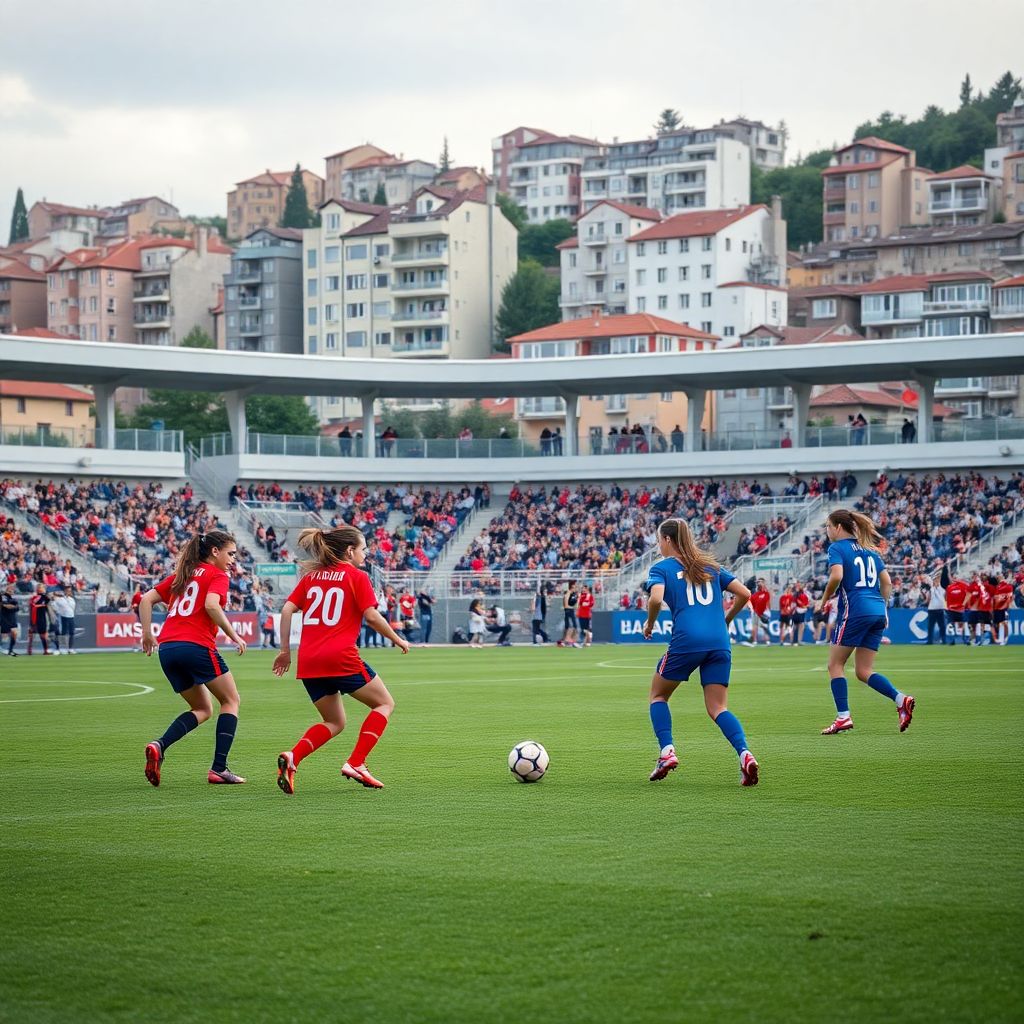
Women’s football in Turkey is growing fast but remains constrained by limited investment, patchy development pathways and uneven social acceptance. The women's football Turkey league structure has improved, yet clubs, schools and municipalities still underuse local talent. Sustainable progress needs coordinated action in governance, grassroots, media, sponsorship and coaching education.
Essential insights at a glance
- Women’s football in Turkey has moved from intermittent, fragile leagues to a more stable national structure, including the top-tier women's football Turkey league.
- Key barriers are institutional (funding, facilities), cultural (stereotypes) and structural (weak youth pathways, informal coaching).
- Grassroots hubs and women's football academies in Turkey are central to building a reliable talent pipeline.
- Media coverage, merchandising and sponsorship are slowly increasing, but commercial strategies remain underdeveloped.
- Federation policies set a framework, yet implementation and monitoring at club and local level are inconsistent.
- Targeted investment in coaching, facilities, competitions and visibility can unlock untapped potential and international competitiveness.
Historical evolution of women's football in Turkey
Women’s football in Turkey developed in waves, with early teams emerging informally before any robust league structure existed. For years, initiatives depended on a few motivated clubs and municipalities rather than a coherent national vision. This produced isolated success stories but no stable system.
Over time, the Turkish federation introduced organised competitions culminating in the current multi-tier women's football Turkey league and the top-flight Women’s Super League. This created clearer pathways for clubs and players, but professionalisation remains partial, with many players balancing football, education and work.
Media attention grew during international tournaments and key milestones, such as Turkish clubs qualifying for European competitions. However, interest still spikes around big events and then drops. A notable recent example is a municipal-backed club that climbed rapidly to the Super League by investing in local girls and experienced women coaches, demonstrating what consistent municipal support can achieve.
- Map your local history: list pioneer women’s teams, coaches and municipalities in your region and document their lessons.
- Create a simple club timeline linking youth, senior and school activities to national league milestones.
- Use historical milestones in your communication to build pride and attract new players and sponsors.
Structural and institutional barriers limiting participation
Several recurring barriers limit participation across age groups and regions. Understanding them helps clubs, schools and policy-makers design practical interventions instead of one-off projects.
- Insufficient facilities and time slots: Women’s teams often receive less access to quality pitches, lights and changing rooms, especially in multi-team clubs.
- Fragmented youth pathways: In many provinces there is a gap between school football and formal licensing structures, so talented girls drop out at transition ages.
- Limited professional opportunities: Few fully professional contracts and short-term planning discourage long-term commitment from players and families.
- Coaching and leadership imbalance: Men dominate decision-making roles, while female coaches and administrators lack structured development programs.
- Weak matchday experience: Poor information about turkish women's football teams tickets, kick-off times and venues reduces attendance, even when interest exists.
- Transport and safety concerns: Families may hesitate to send girls to distant training grounds, particularly in late hours.
Consider a provincial club that opened earlier training slots, partnered with local schools for transport and actively promoted fixtures. Within one season, training attendance and family engagement increased markedly, proving that small structural changes can reduce drop-out.
- Audit your barriers: list concrete issues for facilities, travel, safety and communication, with responsible persons and deadlines.
- Negotiate stable pitch slots for girls and women before each season and document agreements in writing.
- Publish clear, updated ticket and fixture information for all women’s teams across your digital channels.
Grassroots development, academies and talent pipelines
Grassroots initiatives and women's football academies in Turkey form the base of any sustainable system. They link early participation to elite pathways, reducing the risk that promising players disappear between school and senior levels.
Typical development scenarios include:
- School-to-club pathways: Physical education teachers identify girls with talent and confidence, then connect them with nearby clubs.
- Municipal sports centres: Local authorities provide low-cost access to pitches and coaches, particularly in underserved districts.
- Club-linked academies: Professional or semi-professional clubs run structured age groups (U10-U19 equivalents) with clear progression rules.
- University teams: Campus programmes offer late entry or re-entry points for players who missed earlier pathways.
- Community NGOs: Organisations using football for social impact bring in girls who later transition into competitive teams.
- Regional talent camps: Short-term camps concentrate scouting and coaching upgrades, especially in areas with few regular competitions.
For example, a coastal club partnered with three secondary schools, running mixed open days and then weekly academy sessions. Over two seasons, the senior team roster shifted from mostly external transfers to predominantly homegrown players.
- Map every school, university and municipal facility within 10-15 km and identify potential partner contacts.
- Design a simple "first contact" event (open day, mixed festival) that repeats at least twice per year.
- Create a written progression plan showing how a 10-year-old can move from beginner to senior squad within your system.
Commercialisation, media exposure and sponsorship dynamics
Commercial growth in women’s football in Turkey remains underexploited but presents clear opportunities. On the positive side, the market is less saturated, brands seek authentic stories, and fans often value community connection over star power. This creates space for creative sponsorship and digital strategies.
At the same time, media exposure is still limited. Many potential fans do not know where to find a Turkey women's super league live stream or how to buy turkey women's football jerseys for sale. Without consistent information, clubs struggle to convert curiosity into revenue.
Advantages of current commercial dynamics include:
- Lower entry costs for sponsors compared to men’s football.
- Strong alignment with corporate social responsibility and gender equality messaging.
- Flexible digital storytelling around players’ dual careers and community roots.
Limitations and risks involve:
- Short-term, logo-only sponsorships without integrated activation.
- Irregular broadcasting and streaming deals, leading to inconsistent audience growth.
- Weak matchday merchandising and lack of online shops for tickets and jerseys.
A successful example is a club that bundled shirt sponsorship, local TV highlights and school outreach into one package, offering sponsors cross-channel exposure instead of just a logo on jerseys.
- Ensure basic information (tickets, live streams, jerseys, schedule) is always visible and updated on your website and social media.
- Build 2-3 sponsorship packages that combine visibility, community projects and digital content, not just boards and shirts.
- Highlight players’ stories regularly to humanise the team and attract media interest between matchdays.
Policy, governance and federation-led initiatives
Policies from the federation and public bodies create a framework, but their impact depends on realistic design and consistent implementation. Misunderstandings and myths around governance can slow progress or waste resources.
- Myth: "Federation policies alone will fix everything." In reality, club-level leadership, municipal cooperation and school engagement are equally crucial.
- Myth: "Compliance is just paperwork." Proper licensing, safeguarding and coach education requirements protect players and raise standards.
- Mistake: Copying men’s football models directly. Women’s football often needs different scheduling, marketing and talent-development approaches.
- Mistake: Ignoring regional disparities. National programmes that do not adapt to local conditions risk reinforcing existing gaps.
- Myth: "Development ends at the elite level." Without robust recreational and community layers, elite squads have a weak foundation.
Consider a regional association that treated women’s competitions as add-ons to men’s calendars. After consulting clubs, they created tailored windows for women’s tournaments and mandatory development meetings, which improved both participation and satisfaction.
- Review current federation and local regulations and translate them into a simple one-page checklist for your club or school.
- Engage proactively with regional associations to adjust calendars, formats and support to local realities.
- Include women’s football targets explicitly in your organisation’s annual plans and budgets.
Actionable pathways for sustainable growth and international competitiveness
Sustainable growth of women’s football in Turkey requires aligning daily practice with long-term goals. Clubs, schools and local authorities should move from isolated projects to connected pathways that support players from first contact through elite levels and post-playing careers.
A practical mini-roadmap for a mid-sized club could look like this (conceptual "pseudo-code"):
Identify_local_girls() → Partner_schools() → Run_open_days() → Select_academy_intake() →

Train_with_qualified_coaches() → Provide_regular_competitions() → Offer_education_support() →

Promote_to_senior_team() → Support_dual_careers() → Involve_former_players_as_coaches()
One club in Central Anatolia followed a similar logic, starting with just one age group and a volunteer coach. By steadily adding age categories, coach education and simple sponsorships, they built a stable senior team made mostly of locally developed players, capable of competing for promotion.
- Define a 3-5 year vision with clear targets for participation, performance and financial stability.
- Prioritise coach education and player welfare as non-negotiables in every strategic decision.
- Build alliances with schools, municipalities, universities and local businesses to share resources and responsibilities.
Quick practical tips for day-to-day impact
Small, consistent actions create visible progress even when resources are limited.
- Publish a simple seasonal calendar covering training, matches and community events for your women’s teams.
- Nominate a dedicated contact person for all questions about women’s football, including trials and turkish women's football teams tickets.
- Share at least one short update or photo from each women’s training session or match on social media.
- Display women’s achievements and turkey women's football jerseys for sale together with men’s items in your club facilities.
- Invite a women’s player or coach to every major club event, panel or sponsor meeting.
Self-assessment checklist for your organisation
- Do we offer clear, continuous pathways from beginner girls to our top women’s team or partner clubs?
- Is information about fixtures, streaming, tickets and merchandising for women’s teams easy to find and regularly updated?
- Have we identified and started to address at least three structural barriers limiting girls’ participation locally?
- Are women meaningfully represented in coaching, leadership and decision-making roles in our programmes?
- Do we review our women’s football strategy and partnerships at least once per season and adjust based on real data?
Practical queries from coaches, administrators and players
How can fans follow matches of the top women’s teams in Turkey?
Check the federation website, club social media and broadcaster announcements for Turkey women's super league live stream information and TV schedules. Many clubs also post links shortly before kick-off, so following official channels is essential.
Where can supporters buy tickets for women’s matches?
Turkish women's football teams tickets are usually sold via club websites, partner ticketing platforms or stadium box offices on matchday. Smaller clubs may rely on in-person sales, so confirming details through official social media or phone contacts is wise.
How do girls join a women’s football academy in Turkey?
Girls can contact local clubs, schools or municipalities and ask specifically about women's football academies in Turkey. Many academies hold open trials at the start of the season; dates are typically announced on club websites and notice boards in schools or sports centres.
What equipment and kit do players need at the beginning?
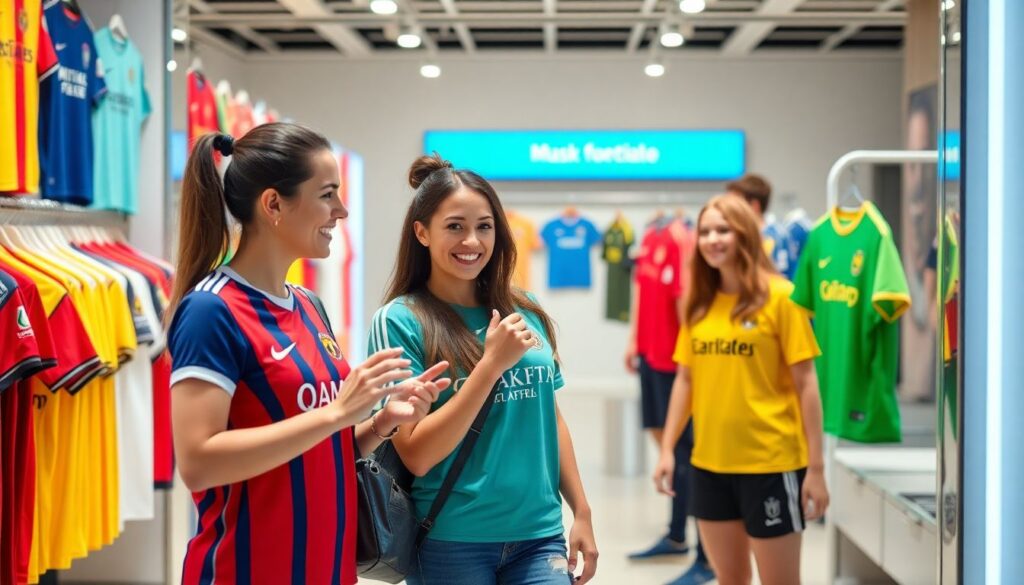
Basic equipment includes football boots, shin guards and training clothes. Jerseys and official match kits are usually provided or sold by the club; families and fans can also look for turkey women's football jerseys for sale through club shops or authorised retailers.
Can small amateur clubs contribute meaningfully to women’s football development?
Yes. Even with limited budgets, amateur clubs can offer safe spaces, regular training and local competitions. By partnering with schools and municipalities and sharing facilities, they can become key entry points for girls and support the broader women's football Turkey league ecosystem.
What first steps should a club take if it has never had a women’s team?
Start by surveying interest among local girls, appointing a responsible coordinator and securing basic pitch time. Then plan an open training day, invite schools and promote widely; once you have a core group, formal registration and league participation can follow.
How can coaches transition from men’s to women’s football effectively?
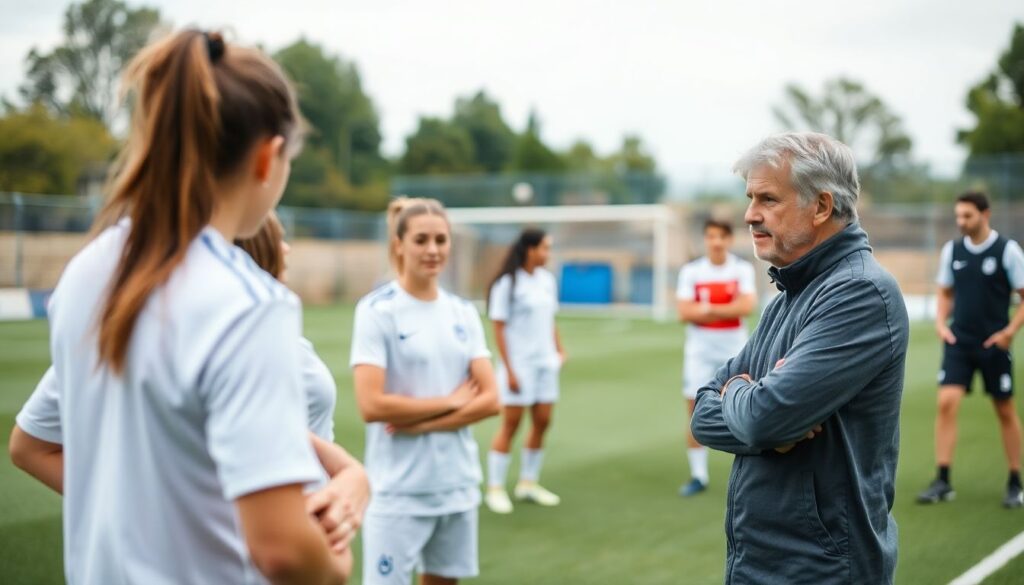
Coaches should seek specific education on women’s football, listen actively to players and adapt communication styles. Observing established women’s teams, joining mentoring programmes and understanding the wider context of women’s sport in Turkey will make the transition smoother and more effective.