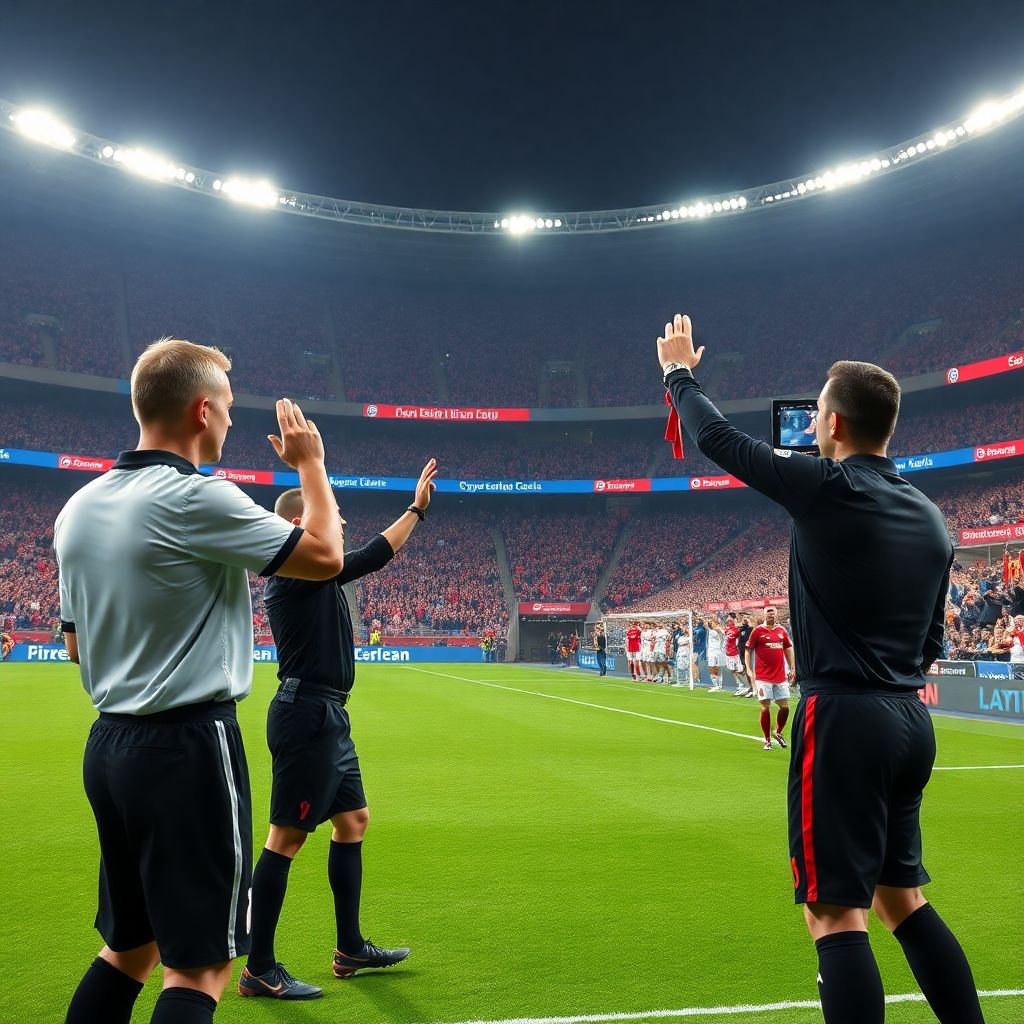
VAR has improved objective decision accuracy in the Süper Lig but has not fully solved fairness complaints. Clear offsides and missed penalties are corrected more often, yet communication gaps, calibration doubts and inconsistent thresholds still drive Turkish Super Lig VAR controversy, especially in high-stakes matches between Istanbul clubs and title contenders.
Executive summary: measurable effects of VAR in the Süper Lig
- Clear offside errors and invisible-to-the-eye fouls are corrected more frequently since VAR, improving technical accuracy for key match incidents.
- Perceived fairness has improved in some neutral fixtures but remains contested in derbies and title races, where existing rivalries amplify suspicion.
- Penalties and red cards are now more frequently subject to review, shifting debates from missed incidents to interpretation of contact and intent.
- Average added time has increased, and game rhythm is more fragmented, which some coaches exploit tactically around reviews.
- Transparency problems, limited audio release and delayed explanations keep fans, media and even clubs guessing about how thresholds are applied.
- Without consistent communication protocols and regular public reporting, trust in VAR technology lags behind its actual decision accuracy gains.
Timeline and mechanics of VAR deployment in Turkish football
Supporters who follow Super Lig live streaming Turkey often describe similar symptoms when they feel VAR harms rather than helps fairness. Recognising these patterns is the first step before proposing structural changes.
- Frequent stoppages where stadium and TV audiences do not know what is being checked.
- Long delays for offside lines, especially when goals for big clubs are involved.
- Inconsistent on-field reviews: some soft penalties are checked, others apparently ignored.
- Replays shown to TV viewers do not match the final VAR decision or its justification.
- Club statements after matches questioning line calibration or camera selection.
- Fans linking individual decisions to betting odds or Turkish Super Lig predictions and tips, reinforcing bias narratives.
- Commentators referencing previous Turkish Super Lig VAR controversy cases as if they were precedents, yet outcomes differ.
- Players waiting with uncertainty after nearly every goal, muting natural celebrations.
These symptoms often reflect process and communication weaknesses rather than fundamental flaws in the technology itself.
Data-driven changes: accuracy, overturn rates and penalty statistics
Before altering workflows or hardware, it is safer to run read-only diagnostics using available data and league documentation. Use this checklist to structure those checks.
- Compare pre-VAR and post-VAR trends in goals awarded then cancelled, focusing on title races and relegation battles.
- Track how often initial on-field decisions are overturned, upheld, or left as on-field calls without review.
- Segment penalty awards by type: handball, trip, push, off-the-ball contact, and identify where consistency is weakest.
- Separate factual decisions (offside, out of play) from subjective ones (fouls, handballs) when judging fairness, since VAR is stronger on factual calls.
- Check whether controversies cluster around certain referees, VAR crews or specific stadiums that may have camera or calibration limitations.
- Review the timing of major incidents within matches to see if fatigue or crowd pressure could bias late-game decisions.
- Monitor average added time and the number of reviews per match to assess impact on tempo and player behaviour.
- Cross-reference club complaints with official referee committee explanations, looking for policy gaps rather than individual blame.
- Analyse how often the referee goes to the pitch-side monitor compared with silent reviews that only confirm or deny clear error.
- When evaluating best sites for Turkish Super Lig betting or analytics tools, focus on those that flag potential VAR incidents and model expected decisions.
- Use consistent tagging of incidents in your own database, so future seasons can be compared like-for-like.
- Keep all these diagnostics non-intrusive and read-only; do not alter systems until patterns are clearly established.
| Metric | Pre-VAR Süper Lig | Post-VAR Süper Lig |
|---|---|---|
| Overturned decisions share | Very low, mostly assistant referee corrections only | Noticeably higher, with structured VAR-led changes |
| Penalty frequency pattern | More missed fouls in the box, fewer replays discussed | More penalties after review, especially for off-the-ball contacts and handballs |
| Average added time | Shorter stoppage times, fewer long checks | Longer added time, with distinct spikes after complex reviews |
| High-profile incident profile | Complaints about blind spots and missed violent conduct | Complaints about line calibration, frame selection and threshold for intervention |
Recurring decision categories: offsides, fouls, handballs and goal reviews
Most fairness disputes fall into a few repeatable categories. Treat them like recurring bugs: identify typical causes, how to verify them safely, and non-destructive fixes before calling for radical changes.
| Symptom | Possible causes | How to verify (read-only) | How to correct or mitigate |
|---|---|---|---|
| Offside lines appear inconsistent between matches | Inconsistent camera placement, lens distortion, wrong calibration frame, or lack of clear communication of methodology. | Review league documentation on camera standards; compare broadcast angles; check if the chosen frame matches first contact with the ball. | Standardise calibration procedures, publish example frames and lines, and release post-match explainer clips showing the exact offside workflow. |
| Similar fouls are treated differently in separate games | Different referees applying advantage or severity thresholds differently; vague guidelines on contact and intensity. | Compile clips of similar incidents from multiple matches, classify them, then compare with written referee directives. | Tighten definitions in referee education, create video libraries of benchmark fouls, and communicate those benchmarks to clubs and media. |
| Handball decisions are perceived as random | Rapid rule changes, unclear emphasis on arm position versus outcome, and limited explanation of why some incidents are not reviewed. | Map each handball call to the rule wording valid at that time; check whether the referee explicitly signals interpretation criteria. | Freeze rule changes for longer periods, use consistent graphics to explain arm position and deflection, and share periodic review summaries with clubs. |
| Goals cancelled after long checks with no clear stadium information | Complex multi-factor checks (offside plus prior foul), slow replay selection, or communication lag between VAR and referee. | Time each step between incident and decision using broadcast clocks; listen to any released audio where available; study referee body language cues. | Implement standard maximum check times where possible, predefine camera priority lists, and require concise on-field announcements of the decision reason. |
| Late-game penalties after VAR feel biased toward big clubs | Confirmation bias from fans, higher camera scrutiny in big matches, or subtle pressure on referees in high-noise environments. | Compare incident rates across club size, stadiums and match contexts, controlling for possession and box entries statistics. | Rotate referee and VAR appointments transparently, publish conflict-of-interest rules, and invest in referee psychology training for high-pressure phases. |
| Broadcasters highlight replays that contradict final decisions | Editorial selection of most dramatic angles, misalignment between VAR angles and TV use, and incomplete access to all feeds for commentators. | Check which feeds are available to VAR only; compare those with clips shown on air; review internal broadcaster guidelines. | Align broadcaster and VAR angle priorities, allow expert referees to explain decisions live, and provide rapid post-match review packages for clarity. |
Match dynamics: stoppage time, game tempo and tactical adjustments
When troubleshooting whether VAR harms fairness through tempo changes rather than wrong calls, progress from low-risk observational steps to more interventionist adjustments. Avoid altering competition rules until simpler fixes are exhausted.
- Log all VAR checks and reviews across several matchdays, noting minute, game state, and whether play restarts with a free kick, penalty, or drop ball.
- Measure how long each review takes using broadcast clocks, and distinguish quick silent checks from formal on-field monitor reviews.
- Identify patterns where certain teams deliberately slow restarts or crowd around referees after VAR calls, which can distort added time and perception of control.
- Evaluate whether long stoppages correlate with tactical time-outs, touchline conversations, or formation changes that alter match momentum.
- Compare segments of play immediately before and after VAR reviews for changes in pressing intensity, fouls, and bookings.
- Run scenario analysis on Turkish Super Lig predictions and tips models by simulating alternative decisions while keeping total added time constant.
- Introduce non-invasive operational tweaks first, such as clearer stoppage-time board announcements and more precise explanation of review reasons by the referee.
- Only after gathering several rounds of data, consider experimental competitions or friendlies where adjusted VAR protocols are tested without risking official standings.
- Avoid changes that could invalidate live data agreements, commercial deals or buy Turkish Super Lig tickets online promotions tied to match duration until governing bodies approve.
- Document all findings in a transparent report to clubs and fans, showing how tempo and stoppage time affect but do not necessarily decide overall fairness.
Referee workflow, training standards and review-room procedures
Some fairness issues cannot be solved from outside the officiating structure. Knowing when to escalate to expert bodies prevents counterproductive public pressure and protects competition integrity.
- Escalate when you detect systematic discrepancies between written VAR protocols and on-field behaviour across multiple weekends, not isolated mistakes.
- Ask the referee committee for clarification when the same type of incident (for example, studs-up challenges) produces different sanction levels in similar matches.
- Involve technology providers if you observe recurring technical glitches, such as missing angles from specific cameras or delayed data feeds during critical incidents.
- Request independent audits when there are credible concerns about offside line calibration, particularly if the issue appears in the same stadium more than once.
- Encourage structured workshops for clubs and media where referees explain new guidelines before each season, rather than reacting only after controversy.
- Recommend psychological and communication training for referees who struggle with clear gestures, announcements or calm behaviour after long reviews.
- If necessary, call for external expert review panels to handle particularly heated Turkish Super Lig VAR controversy cases, limiting club and fan speculation.
- Keep match officials shielded from direct club pressure during the season; route all formal complaints through established channels with clear timelines for responses.
Stakeholders and disputes: clubs, broadcasters, fans and disciplinary outcomes
Preventing future fairness disputes is more efficient than constantly firefighting scandals. These preventive measures focus on communication, education and structural transparency.
- Publish periodic, anonymised reports on VAR usage, including overturned decisions, error acknowledgements and corrective training steps.
- Standardise how broadcasters present VAR incidents, ensuring that explanations are led by qualified referee analysts rather than purely provocative debate.
- Educate fans about VAR protocols through club channels, match programmes and digital platforms, especially for those who follow Super Lig live streaming Turkey from abroad.
- Develop clear, accessible documentation on how to buy Turkish Super Lig tickets online that also explains potential schedule changes from extended reviews.
- Set a consistent code of conduct for club officials and players regarding public comments on referees and VAR, with proportionate disciplinary outcomes.
- Encourage data-driven debate by providing media and analysts with machine-readable incident logs, reducing speculation about hidden decisions.
- Collaborate with fan groups to identify communication gaps inside stadiums, such as unclear big-screen messages during reviews.
- Align commercial messaging, including partnerships with best sites for Turkish Super Lig betting, with responsible communication about uncertainty and human error.
- Organise post-season forums with clubs, referees and technology partners to review lessons learned and update guidelines in a controlled off-season environment.
- Maintain an independent oversight body that periodically reviews disciplinary cases linked to VAR incidents to avoid conflicts of interest.
Practical answers on VAR disputes, evidence and appeals
Has VAR actually made the Süper Lig fairer overall?
Objective decision accuracy has improved, especially for offsides and unseen fouls, but perceived fairness remains mixed. Trust problems stem more from communication, transparency and interpretation than from the core technology.
Why do some VAR handball decisions in Turkey feel inconsistent?
Handball law has changed frequently and leaves room for judgment about arm position and intent. When guidance is not consistently applied or clearly explained, similar-looking incidents can lead to different outcomes and fan frustration.
Can clubs access VAR audio and full replay sets after a controversial match?
Access depends on league regulations and privacy rules. In many cases, committees review audio and footage internally and may share summaries or selected clips rather than full raw feeds with clubs or the public.
What evidence should a club collect before filing a VAR-related complaint?
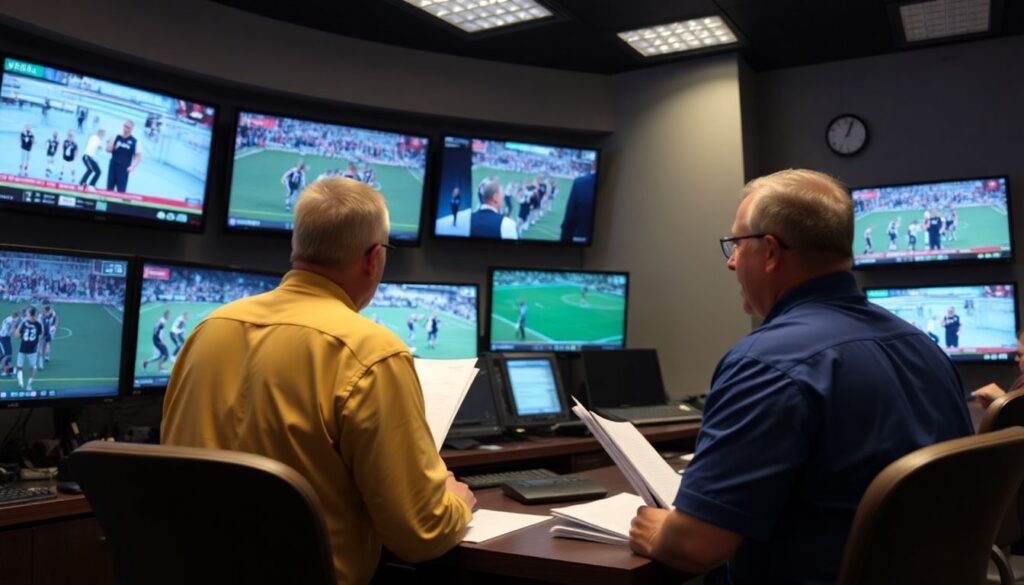
Clubs should gather time-stamped video clips, still frames of key moments, relevant law references, and examples of similar past decisions. The focus should be on protocol deviations or clear misapplications of law, not on subjective disagreement.
Do VAR delays justify major changes to competition rules?
Not immediately. Leagues should first optimise procedures, calibration and communication, then measure whether delays still unacceptably harm tempo and fairness. Structural rule changes are a last resort after these safer adjustments have been tried.
How can fans evaluate claims of bias in VAR decisions?
Fans should look for long-term data patterns across many matches rather than single incidents. Independent statistical analysis that controls for team strength, possession and box entries is more reliable than anecdotal comparisons.
Is it realistic to expect zero controversy with VAR in the Süper Lig?
No. VAR reduces clear factual errors but cannot remove all subjectivity from fouls, handballs and disciplinary decisions. The realistic goal is fewer and smaller mistakes, plus transparent explanations when they occur.