
Turkish wonderkids in European football are highly talented young players from Türkiye who move early into major European leagues and quietly become key performers. Their “untold stories” focus on late‑night academy work, tactical reinvention abroad, and difficult cultural adaptation that turns raw potential into reliable, system‑ready professionals.
Snapshot: Emerging Turkish Talent Making an Impact
- The best young Turkish football players 2024 are increasingly leaving Süper Lig academies before full senior breakthrough, joining top‑five leagues’ development squads.
- Top Turkish talents in Premier League and Europe are no longer only classic playmakers or wingers; many now emerge as modern full‑backs, number eights and hybrid forwards.
- Clubs scout the next big Turkish football stars to watch not just for flair, but for pressing intensity, versatility and tactical discipline.
- Hidden success stories often involve gradual loans in smaller European leagues before landing in elite sides.
- Turkish youth football prospects in European leagues need strong off‑the‑ball adaptation: language learning, nutrition habits, and understanding new dressing‑room cultures.
- Data tracking, video analysis and individual development plans now shape how wonderkids prepare for top‑level transitions.
Profiles: Breakout Wonderkids and Career Trajectories
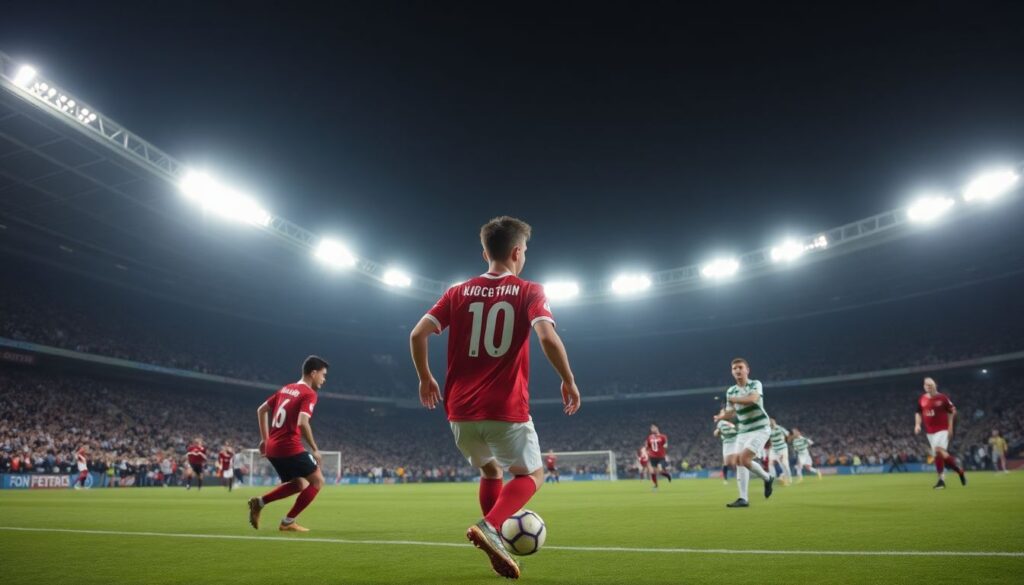
When we talk about Turkish wonderkids in European football, we mean players usually under 23 who develop in Turkish systems, move abroad early and start influencing matches in top or second‑tier European competitions. Their stories are rarely linear and almost never match the highlight‑reel image on social media.
Consider a typical attacking midfielder from Istanbul who dominates youth leagues with goals and nutmegs. In Türkiye he is labelled as one of the best young Turkish football players 2024. Once in Europe, however, his profile is re‑written: instead of a free ten, he becomes an intense presser in the half‑spaces, judged on ball recoveries and smart runs rather than pure flair. The “untold” part is the invisible work: extra gym sessions to handle the physicality, language classes after training, and hours of video with analysts to learn pressing triggers.
Another pattern appears with defenders. A talented centre‑back from İzmir might move first to a mid‑table club in a smaller European league. There his trajectory involves learning to defend aggressive high lines, cope with aerial duels against stronger forwards and build from the back under pressure. This bridge step is often more decisive for long‑term success than a glamorous transfer to a giant club’s bench.
Even goalkeepers are part of these new narratives. Instead of staying as third choice in a big Istanbul team, some choose early moves to European academies focused on ball‑playing skills. Their path is slow, with few early appearances, but by their early twenties they are comfortable in possession‑heavy systems sought by top Turkish talents in Premier League and Europe.
Checklist to read a wonderkid’s profile properly:
- Track: youth background, first European club, current tactical role, and evidence of year‑on‑year improvement.
Tactical Influence: Roles These Players Fulfil on the Pitch
The next big Turkish football stars to watch are defined less by pure position and more by tactical function. Coaches in Europe value young Turkish players who can switch roles between phases of play and handle complex instructions at high intensity.
- Pressing forwards and wide runners. Many former street wingers are re‑trained as pressing specialists. Offensively they stretch defences with diagonal runs; defensively they close passing lanes to full‑backs and pivots. Their success is measured in forced long balls and transition chances, not only in goals.
- Inverted full‑backs and overload creators. Turkish youth football prospects in European leagues often arrive with strong technique, making them good candidates for inverted roles. Out of possession they defend wide; in possession they step inside next to the holding midfielder, helping create central overloads and quick circulation.
- Box‑to‑box number eights. Previously labelled as classic number tens in Türkiye, many are shifted deeper. They become connectors: arriving late in the box, supporting build‑up under pressure, and leading counter‑pressing after possession loss.
- Build‑up centre‑backs. Tall defenders with good first touch are trained to start attacks: opening with vertical passes through the lines or switching play to the far side. Scouts monitor their decision‑making under pressing more than raw physical duels.
- Hybrid tens / second strikers. These players drift between lines, link midfield and attack, and exploit half‑spaces. Their tactical influence comes from receiving between opposition units and creating the final pass or third‑man runs.
- Ball‑playing goalkeepers. Keepers are coached to join the first line of build‑up, offering short options to centre‑backs and attracting the press to free a spare man.
One‑line checklist for tactical influence: Identify what the player changes in each phase (build‑up, chance creation, pressing, transitions) rather than only where he stands on the pitch.
Transfer Dynamics: Pathways, Valuations and Market Trends
Transfer stories explain why some Turkish wonderkids in European football explode while others stall. Pathway choice, timing, and realistic valuation often matter more than raw ability.
1. Early academy exports to Europe. Some families and agents push for moves to European academies before a senior debut in Türkiye. The upside is access to elite facilities, structured development plans and a clear pathway into reserve teams. The risk is disappearing among many foreign talents if adaptation is slow.
2. Domestic breakout, then targeted move. Another route is one or two strong seasons in Süper Lig before a carefully chosen transfer. This can secure immediate first‑team minutes abroad if the new club has a defined need for their profile. The unseen factor is clause structure: sell‑on percentages and appearance bonuses can motivate both clubs to support the player’s development.
3. Stepping‑stone leagues. Many top Turkish talents in Premier League and Europe pass first through the Netherlands, Belgium, Austria or second tiers of big leagues. These competitions offer tactical sophistication without the full physical and media pressure of elite leagues, giving time to build consistency.
4. Loan chains from big clubs. A few wonderkids join a major European club directly, then go on strategic loans. Success depends on loan destinations matching their style. Poorly chosen loans, with misaligned tactics or unstable clubs, are a common hidden cause of stalled careers.
5. Under‑the‑radar free transfers. Contracts ending in Türkiye sometimes open free‑transfer moves to Europe with lower financial risk for the buying club. This can increase trust and patience, as the club is not pressured to justify a big fee with instant results.
One‑line checklist for transfer reading: Always ask whether the new club has a clear tactical role, step‑by‑step plan, and realistic competition for the player’s position.
Development Pipeline: From Turkish Academies to European Setups
The development journey of the best young Turkish football players 2024 combines strengths of local academies with the structure of European performance environments. Understanding both sides clarifies where wonderkids gain an edge and where they need protection.
Strengths of the Turkish-to-Europe Pipeline
- Technical base from street and school football. Many youngsters grow up playing in tight spaces, developing close control and 1v1 skills that European scouts value.
- Competitive mentality and emotional drive. Playing in intense local derbies and youth tournaments builds resilience and a desire to prove themselves abroad.
- Exposure to multi‑position roles. In youth teams, players are often moved across positions, creating adaptable profiles useful in modern European systems.
- Strong fan culture and pressure experience. Early exposure to noisy atmospheres prepares them for demanding stadiums in big leagues.
- Growing collaboration with European clubs. Exchange programmes, joint tournaments and shared scouting data smooth the move to European academies.
Constraints and Hidden Weaknesses
- Inconsistent infrastructure between clubs. Not every Turkish academy has equal levels of coaching, sports science or analysis support.
- Late introduction to advanced physical conditioning. Some prospects only encounter elite strength and conditioning methods once they arrive in Europe, causing an adaptation gap.
- Limited individual development plans. Certain setups still prioritise short‑term results over long‑term personalised pathways.
- Education and language gaps. Weak foreign‑language skills and school support can slow integration into European environments.
- Over‑reliance on natural talent. Players used to “being the star” may initially resist tactical and role sacrifices demanded abroad.
One‑line checklist for pipeline evaluation: Check whether a prospect has already experienced structured physical work, individual plans and basic language learning before leaving Türkiye.
Performance Metrics: Statistical Signals of Future Stars
Modern scouting of Turkish youth football prospects in European leagues relies heavily on data. Yet misreading stats creates myths about who is truly progressing and who is stuck. Knowing the common traps helps you interpret numbers around Turkish wonderkids realistically.
- Myth: Goals and assists alone define attacking talent. For young forwards and attacking midfielders, expected goals, shot quality, pressing actions and progressive carries can be more reliable than raw goals in small samples. A player with fewer goals but better underlying chance quality may have the stronger future upside.
- Myth: High pass completion means safety and control. For creative midfielders, very high completion might indicate avoidance of risk. More useful is to combine completion with progressive passes, line‑breaking balls and key passes that actually change game state.
- Myth: Defensive duels won show defensive quality. Winning many duels can reflect poor positioning that forces frequent challenges. You need context: interceptions, blocks, and how often the defender prevents progressive entries before they reach dangerous zones.
- Myth: Minutes played equal trust without nuance. Minutes should be checked together with game state (starting or coming on at the end), competition level and position stability. Constant role changes might hide a coach still searching for the best fit.
- Myth: One standout season confirms elite trajectory. Young players often have fluctuation. A single breakout year should be validated by consistent underlying metrics across different coaches, formations and teammates.
One‑line checklist for metrics: Look for repeated patterns in underlying actions (progressions, pressures, smart positioning) instead of judging only headline stats in small samples.
Adaptation Off the Ball: Language, Culture and Team Integration
Off‑pitch adaptation is where many untold stories of Turkish wonderkids in European football unfold. Talent opens doors, but daily habits, communication and cultural alignment decide whether a transfer becomes a long‑term success or a short stop on the way back home.
Imagine a young winger moving from Ankara to a mid‑table club in a major European league. On the pitch, he is explosive, one of the next big Turkish football stars to watch. Off the pitch, he barely speaks the local language, struggles with food differences, and feels alone after training. The club assigns him a mentor teammate, a language tutor and an integration coach. Within months, his tactical meetings become easier, he jokes in the dressing room, and his performances stabilise.
Many clubs now follow a simple internal “algorithm” for integrating Turkish talents:
arrival:
  assign_language_tutor()
  pair_with_lockeroom_mentor()
  design_individual_physical_plan()

first_3_months:
  track_sleep_and_nutrition()
  run_weekly_video_sessions()
  review_psychological_wellbeing()

season_review:
  compare_on_pitch_data()
  adjust_role_and_training_load()
  extend_or_refine_support_programme()
The real difference between top Turkish talents in Premier League and Europe who settle and those who fade often lies in these hidden structures. Parents, agents and players who ask the right questions about off‑pitch support before signing can significantly lower adaptation risk.
One‑line checklist for off‑the‑ball adaptation: Confirm there is clear support for language, housing, nutrition, mental health and social integration before committing to a transfer.
Self‑Check: Quick Algorithm to Review a Wonderkid’s Situation
- Profile: Can you clearly describe the player’s current tactical role and year‑on‑year development?
- Pathway: Does the chosen league and club fit the player’s style and realistic playing‑time needs?
- Metrics: Are you using underlying actions, not just headline goals or hype?
- Support: Is there structured off‑pitch help with language, culture and physical work?
- Trend: Over the last season, is the trajectory consistently upward in responsibility and impact?
Practical Concerns and Concise Answers
How can I identify genuine Turkish wonderkids in European football rather than overhyped names?
Look for steady increases in minutes, stable roles under different coaches, and underlying contributions like pressing, progressive passes or chance creation. Consistency across competitions is a stronger signal than viral clips or social‑media buzz.
Which leagues are currently best for Turkish youth football prospects in European leagues?
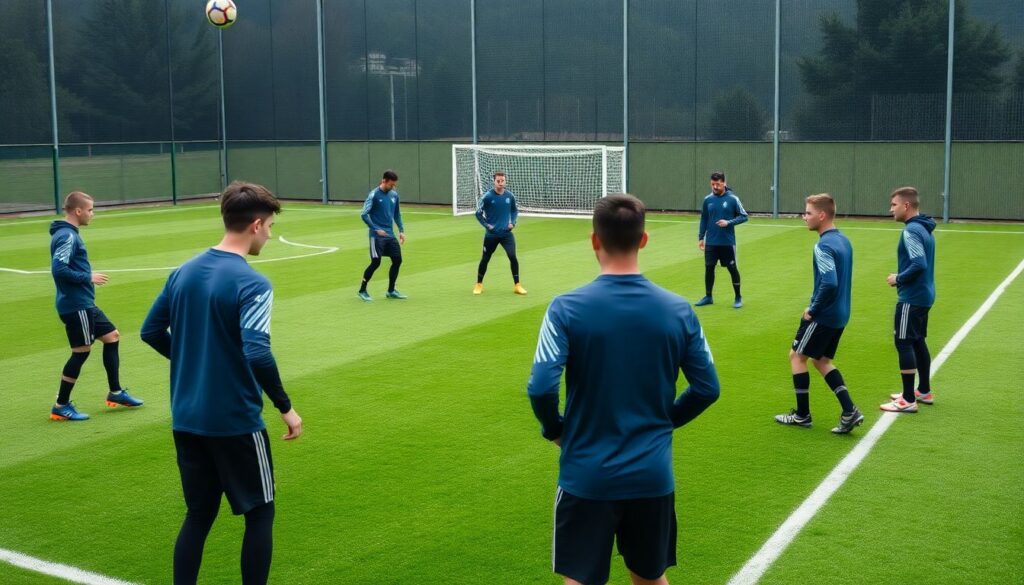
Technically focused, tactically advanced but slightly less physically brutal leagues are ideal stepping stones. These environments allow young Turkish players to refine decision‑making and positioning while gradually adapting to higher intensity.
What should families and agents check before moving a youngster abroad?
Investigate the club’s track record with foreign youth, the clarity of the development plan, expected minutes, and the quality of schooling and language support. A smaller club with a clear pathway is often better than a big badge with no plan.
Are the best young Turkish football players 2024 better off staying longer in Türkiye?
It depends on the individual. Staying can provide regular senior minutes and emotional stability; leaving early can accelerate tactical education and physical development. The key is matching club style, coaching quality and realistic opportunities for game time.
How important is data analysis when tracking top Turkish talents in Premier League and Europe?
Data is essential for cutting through noise, especially when minutes are limited. Combine video with metrics on pressing, progressions and chance quality to see if a player’s underlying profile fits long‑term elite demands.
What signs show that a next big Turkish football star to watch might be struggling abroad?
Frequent unused substitute appearances, repeated short‑term loans without clear purpose, visible frustration on the pitch and negative body language can signal deeper adaptation issues. These signs should trigger conversations about support rather than panic moves.
Can late bloomers from Türkiye still succeed if they move to Europe after 22-23 years old?
Yes, if their game is based on intelligence, positioning and decision‑making rather than pure speed. Late movers should choose clubs that value experience and reading of the game, not only youthful physical attributes.