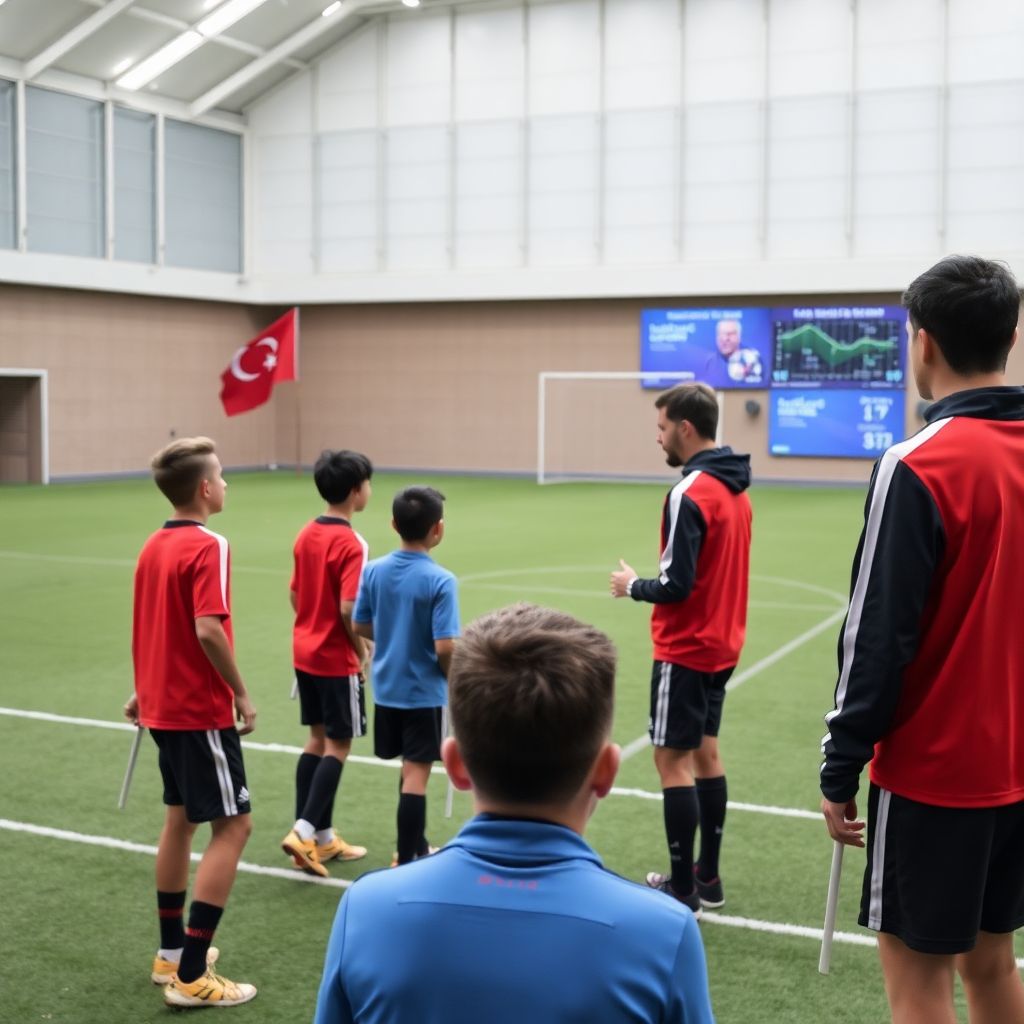
Turkish wonderkids are rising because clubs finally treat academies as strategic assets: better facilities, earlier scouting, position-specific coaching and clearer first-team pathways. For Süper Lig stakeholders this means structuring talent departments, aligning style of play from U10 upwards, using data in recruitment, and planning sales strategically instead of reacting to agent pressure.
Myths and realities about Turkey’s teenage prodigies
- Myth: Turkish wonderkids appear out of nowhere. Reality: most have 6-8 years of structured academy work behind them, often in more than one club environment.
- Myth: Only the big three can develop stars. Reality: several provincial clubs now rank among the best Turkish football academies Super Lig observers talk about, because they guarantee minutes and clear development plans.
- Myth: Talent is visible from one highlight reel. Reality: serious turkish wonderkids talent scouting tracks players across training, league, school and national-team environments before big decisions are made.
- Myth: Academies are a cost centre. Reality: a functioning pathway plus smart use of the Super Lig young talents transfer market can fund infrastructure and stabilize budgets.
- Myth: Foreigners cannot access the system. Reality: clubs increasingly organise Turkey football academy trials for foreigners, though spots and visas are limited.
- Myth: Coaches alone decide everything. Reality: presidents, sporting directors, agents and families all influence whether a prospect makes the jump or stalls.
From grassroots to elite: the historical shift in Turkish academy culture
The modern Turkish academy is a structured pathway from local school pitches to Süper Lig, not just a youth team added to a senior squad. Infrastructure now includes age-group squads, specialist coaches, sports science, education support and defined individual development plans for high-potential players.
In the past, many clubs relied on late talent identification, pulling 17-18-year-olds from amateur sides. Today, the focus is on building a clear line from grassroots to elite: local partner clubs feed into regional centres; regional centres feed into main academies; main academies feed into reserve and first teams. Each step has its own technical and physical benchmarks.
This shift also changes relationships with families, schools and municipalities. Clubs that take education and welfare seriously keep prospects longer and reduce drop-out rates. For coaches and directors, the definition of success is no longer youth trophies but how many academy minutes and transfers the first team generates.
Where the money goes: investments, ownership models and facility upgrades
- Campus-style academies: Clubs channel stadium and sponsor money into building centralised training centres with multiple pitches, gyms, medical rooms and dormitories instead of renting scattered local fields.
- Hybrid financing for infrastructure: When exploring how to invest in Turkish football clubs, some local business groups now accept lower short-term dividends in exchange for owning or co-owning training centres, which hold resale value and reduce long-term rental costs.
- Specialist staff rather than extra foreigners: Budgets that once went to short-term foreign squad players are redirected to hiring youth analysts, conditioning coaches and academy directors with clear KPIs tied to player sales and first-team debuts.
- Education and welfare partnerships: Instead of building their own schools, many clubs sign agreements with nearby colleges for flexible study programs, transport and tutoring, keeping teenagers in both football and formal education.
- Shared models with municipalities: Local authorities co-invest in community pitches that academies use during the day and the public uses in the evenings, lowering maintenance costs and improving political support for youth projects.
- Performance-linked contracts: Some ownership models now allocate a slice of any future transfer fee back into the academy budget, creating internal incentives to push youngsters into the matchday squad.
Coaching, curriculum and the Turkish technical identity
The modern curriculum aims to blend traditional Turkish strengths – flair, improvisation, emotional intensity – with structured positional play. In younger age groups, sessions emphasise 1v1 creativity and ball mastery; from around U15 upwards, coaches layer in pressing triggers, build-up patterns and game-model vocabulary.
Scenario 1: Ball-playing centre-backs. Instead of converting full-backs late, clubs now train tall, technically clean defenders from early ages, with strict rules on building from the back even under pressure. This feeds first teams that want to control matches, not just sit deep.
Scenario 2: Press-resistant midfielders. Sessions repeat small-area rondos, double-pivot rotations and scanning habits, creating midfielders comfortable receiving under pressure and playing forward. These habits later allow coaches to raise pressing and tempo in the Süper Lig without constant turnovers.
Scenario 3: Wide forwards who attack space. Rather than pure dribblers, academies design patterns where wingers time runs behind defensive lines from both sides. That directly influences how first-team coaches structure their transition and counter-attacking schemes.
Scenario 4: Goalkeepers as first playmakers. Youth keepers are trained to recognise pressing schemes and choose between building short, using full-backs, or switching long to the far winger. This makes it easier for senior coaches to introduce aggressive, high-line defences.
Analytics, scouting networks and the role of education in talent pipelines
Clubs mix traditional eye tests with data and video to stabilise decisions. Even mid-table teams now log physical outputs, match events and training attendance for youth squads. For turkish wonderkids talent scouting, this means prospects are tracked consistently across multiple seasons, not just one standout tournament.
At the same time, education and character checks are becoming part of the file. Staff monitor school performance, language skills and behaviour because agents and European clubs ask for a complete profile before entering the Super Lig young talents transfer market.
Advantages of the new data-and-education approach
- Better risk control: combining data, video and school reports lowers the chance of overrating late developers or early maturers based only on physique.
- Clearer benchmarking: academies can compare players of the same age and position over months, not just one trial day.
- Transfer-ready documentation: when foreign clubs ask about a player, staff can share structured reports rather than improvising.
- More targeted support: if school grades or wellness ratings dip, coaches can intervene with lighter loads or counselling before problems escalate.
Limitations and practical constraints
- Incomplete coverage: not every regional partner club records reliable stats, so early data can be patchy or inconsistent.
- Staff capacity: small clubs may have one analyst covering both first team and academy, limiting depth of youth reports.
- Overreliance on metrics: some staff risk ignoring intangible traits – resilience, leadership, adaptability – that emerge best in face-to-face observation.
- Education system pressure: tight school schedules and exam culture can conflict with training times, especially outside major cities.
How emerging youngsters are altering Süper Lig tactics and squad-building

The rise of homegrown youngsters is already shaping the way line-ups and game plans are built. Coaches now think in terms of windows: first contract, breakout phase, and then potential sale and replacement, instead of signing only peak-age players for every role.
- Squad age profiles are shifting downwards: More teams regularly field U21 players in key positions, planning for both on-pitch impact and resale potential.
- Pressing intensity is increasing: Younger squads allow coaches to maintain higher pressing and running volumes across the season without constant fatigue-driven dips.
- Flexible shapes around youngsters: Systems are sometimes built around a wonderkid’s strengths, for example switching to a back three to free an attacking full-back or an inside forward.
- New contract strategies: Sporting directors tie minutes-based bonuses and sell-on clauses into early deals to balance player motivation with club control.
- Market behaviour is more proactive: Clubs follow the Super Lig young talents transfer market closely, signing 16-18-year-olds from smaller regions before they become unaffordable.
Structural gaps: retention, international poaching and regulatory bottlenecks
Despite progress, several structural issues remain: inconsistent compensation rules for youth moves, early poaching by richer European clubs, and uneven academy standards across divisions. These gaps can break pathways and push families toward risky moves abroad or to unregulated academies.
Consider a simplified mini-case that reflects common patterns:
Club A: mid-table Süper Lig side with upgraded academy
Player X: 17-year-old winger, Turkish passport

Step 1 - Identification:
- Spotted at 13 in a regional tournament
- Trained 4 years in Club A academy with modern curriculum

Step 2 - Decision point:
- Club A offers pro contract + minutes plan
- Foreign Club B invites Player X for training and promises future trial

Step 3 - Constraints:
- FIFA and TFF rules limit international transfers for minors
- Family pushes for fast European move; agent pushes for buy-out clause

Step 4 - Outcome:
- Scenario 1: Player signs with Club A, plays 2 seasons, then moves abroad with clear sell-on for Club A
- Scenario 2: Player waits, form dips, both offers weaken

Practical implications:
- Club A must communicate a realistic minutes pathway early
- Federation can stabilise compensation rules so clubs feel safe investing heavily in 13-15-year-olds
- Families need independent advice to weigh short-term glamour vs. stable development
For clubs and policymakers, the action items are clear: standardise academy licencing, reward training clubs when players move, support education so families trust domestic pathways, and keep regulations predictable enough to justify long-term infrastructure spending.
Concise clarifications on development pathways and transfers
How are Turkish wonderkids usually discovered today?
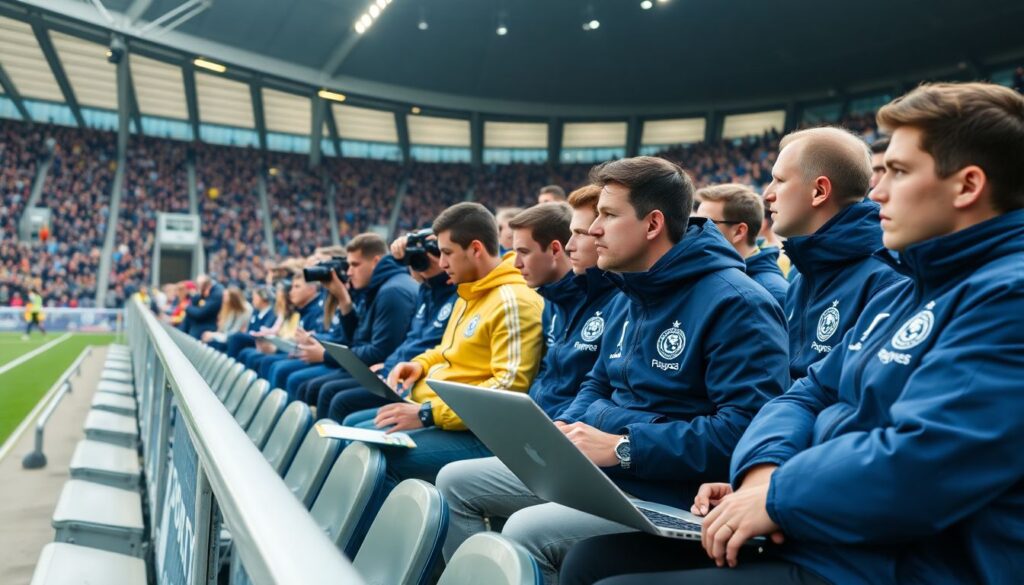
Most are found through layered scouting: school and local-club monitoring, regional tournaments, and continuous observation in academy leagues. Serious clubs combine live scouting with basic data and video before making scholarship or professional offers.
What makes an academy one of the best Turkish football academies Süper Lig fans mention?
Key factors include a clear playing philosophy, qualified coaches at every age, consistent training loads, a proven record of first-team minutes, and transparent communication with families about education and next steps.
Can foreigners join Turkish academies, and how do trials usually work?
Some clubs run scheduled Turkey football academy trials for foreigners, typically short camps or specific open days. Applicants usually need to handle travel, accommodation, and visa requirements themselves and must respect age and registration rules from TFF and FIFA.
How should small investors think about how to invest in Turkish football clubs?
Instead of chasing headline transfers, focus on clubs with a realistic academy strategy, solid governance and clear financial reporting. Supporters can use fan tokens, minority shares or sponsorships that ring-fence money for youth infrastructure and coaching.
Why do some promising talents disappear from the radar?
Common reasons are injuries, lack of school support, late physical maturation, poor contract decisions, or constant coach changes. Stable environments that protect training time and manage expectations reduce these risks.
How early should families take the Super Lig young talents transfer market seriously?
From around 15-16, families should keep records of match clips, reports, and school performance, and seek qualified advice. However, development quality and playing time matter more than early transfers to big-name clubs.
Do all good young players need to move abroad quickly?
No. Many benefit from becoming regular starters in Turkey first, then moving with better contracts and more mature skill-sets. Early foreign moves without a clear plan often lead to bench time or loans to lower divisions.