Market context and structural gaps
Macro picture: why Turkey plays by other rules
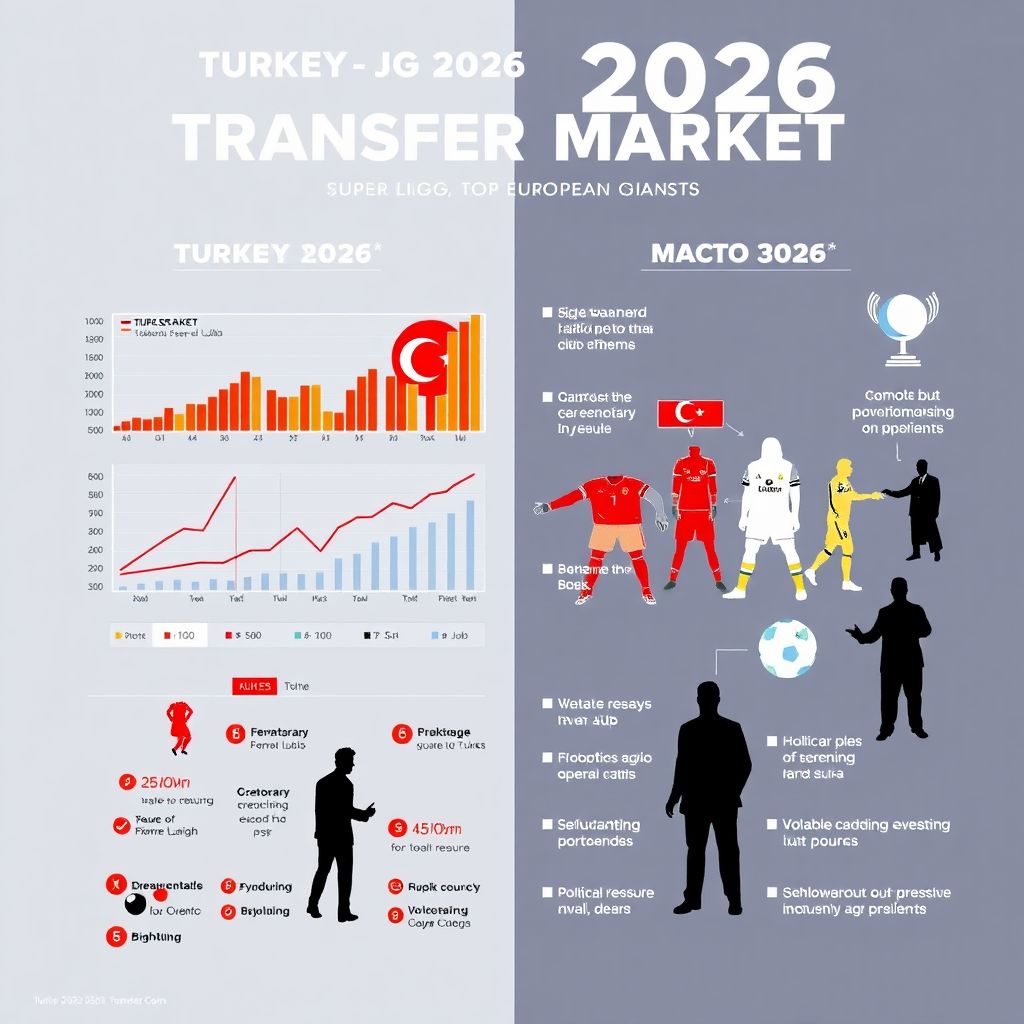
By 2026 the Turkish window looks like a parallel universe to the Premier League or La Liga. Wage‑to‑revenue ratios in the Big Three (Galatasaray, Fenerbahçe, Beşiktaş) still hover around or above 80%, while top‑5 league benchmarks target 60–65%. That forces Turkish clubs into a highly opportunistic model: short contracts, high churn, strong reliance on free agents and distressed assets from bigger leagues. Any serious turkish football transfer market analysis starts with balance sheets, not highlight reels: chronic FX exposure, volatile broadcasting money and political pressure to “sign names” generate a structural bias toward veterans with brand value rather than resalable prospects. In contrast, European giants treat transfer spend as capex in human capital with clearly modelled resale and sporting yield, enabling longer amortisation horizons and less panic selling.
Short version
In plain terms, Turkish clubs chase immediate performance and political capital; giants chase compounding asset value. That single divergence explains most of the visible chaos every August.
Real cases: how deals are actually engineered
From aging stars to smart flips
Look at Mauro Icardi’s path to Istanbul as a case. Galatasaray exploited PSG’s wage‑dumping need: subsidised salary, low fee, heavy marketing upside. Financially it was a classic inefficiency trade, but structurally it locked the club into another high‑age, low‑resale contract. Contrast this with Brighton buying and selling Moisés Caicedo: buy at undervalued risk, develop, sell in a planned auction to a top club. That’s the clean template Western analytics departments optimise for. In a rigorous comparison of turkish clubs vs european giants transfers, you see that Turkey’s headline deals often optimise for political optics, ticketing spikes and short‑term sporting outputs, while giants optimise for multi‑year squad architecture, expected resale and wage curve stability. The exceptions in Turkey – like Fenerbahçe flipping Kim Min‑jae quickly into the Serie A and then Bayern – are still treated as outliers, not the standard business model.
Micro detail

Turkish decision‑makers still over‑index on pedigree (club history, Champions League minutes) instead of forward‑looking metrics like expected goals added, pressing intensity or age curves, which European giants quantify obsessively.
Non‑obvious solutions Turkish clubs started testing
Shift from “name hunting” to contract engineering
Post‑2024, under stricter UEFA monitoring, some Turkish sporting directors quietly moved from pure name hunting to advanced contract design. Instead of over‑paying up front, they structure heavy appearance bonuses, Champions League qualification triggers and sell‑on clauses that reverse some risk back to the player or previous club. This is where turkish super lig transfer strategy vs top european leagues is narrowing the gap: not yet in scouting sophistication, but in legal and financial engineering. You’ll see more deals with buy‑back clauses favouring the selling giant, in exchange for lower initial fees and partial wage coverage; essentially Turkey rents upside access to players who’d normally never move there at 24–25. That’s a smart response to being positioned as a “transit league” between South America, Africa, Eastern Europe and the top‑5. It also lets Turkish clubs pitch themselves to agents as liquidity providers: “We can guarantee minutes and a shop window; you keep upside through future sale structures.”
Hidden upside
This approach turns short‑termism into a feature: high squad churn becomes a deliberate liquidity strategy rather than a symptom of chaos, provided the club tracks and prices sell‑on value correctly.
Alternative methods: data, networks and arbitrage
Building edges beyond scouting departments
European giants deploy massive analytics teams; most Turkish clubs can’t replicate that scale by 2026, so they lean on alternative methods. One underrated tactic is network‑based arbitrage: tight relationships with certain agencies or South American intermediaries give access to players one contract earlier than Western rivals. Clubs piggyback on agency‑side data, instead of owning full in‑house models. This explains many Brazil and Argentina imports to Turkey that later exit to Serie A or the Bundesliga. For investors watching turkey football transfers market trends 2024 and beyond, this network arbitrage is key: value is created not just in “spotting” talent but in controlling the path of subsequent moves. Another alternative method is exploiting regulatory asymmetries: Turkey has historically been more flexible on non‑EU spots and some work‑permit pathways, which lets clubs stockpile prospects that English or Spanish sides cannot sign yet. When the player matures and gains national‑team caps, the Turkish club effectively monetises a work‑permit arbitrage.
Lean analytics

Some Super Lig mid‑table teams have built small but sharp data cells focused on just two things: age‑curve analysis and set‑piece impact. They don’t try to model everything; they just exploit two or three repeatable edges each window.
How Turkish clubs buy and sell vs giants: process view
Deal lifecycle and timing
To understand how turkish clubs buy and sell players transfer trends, look at timing. European giants front‑load business in June and early July to secure pre‑season integration and capture early‑window discounts. Turkish clubs operate much closer to deadline day, waiting for players who failed to secure preferred moves in the big leagues. That creates a structurally reactive model with high variance: sometimes you land a Champions League‑level starter at a late discount; sometimes you inherit a fitness or attitude problem no one else solved. Giants maintain a multi‑window pipeline: target lists for +12 months, detailed succession planning for each key position and scenario‑based cap management. Turkish clubs often plan one window ahead at most, with presidential elections and board instability constantly shifting priorities. That said, a few clubs now run continuous market monitoring: updating target lists weekly based on playing time, contract length and agent feedback, approaching closer to the giant‑club playbook, though with far fewer data resources.
Selling discipline
Where giants like Benfica or Dortmund pre‑decide acceptable exit prices and rarely deviate, Turkish clubs still frequently reject rational offers due to fan pressure, then sell for less a year later when leverage collapses.
Pro tips and “hacks” for professionals working this market
Exploiting behavioural and structural biases
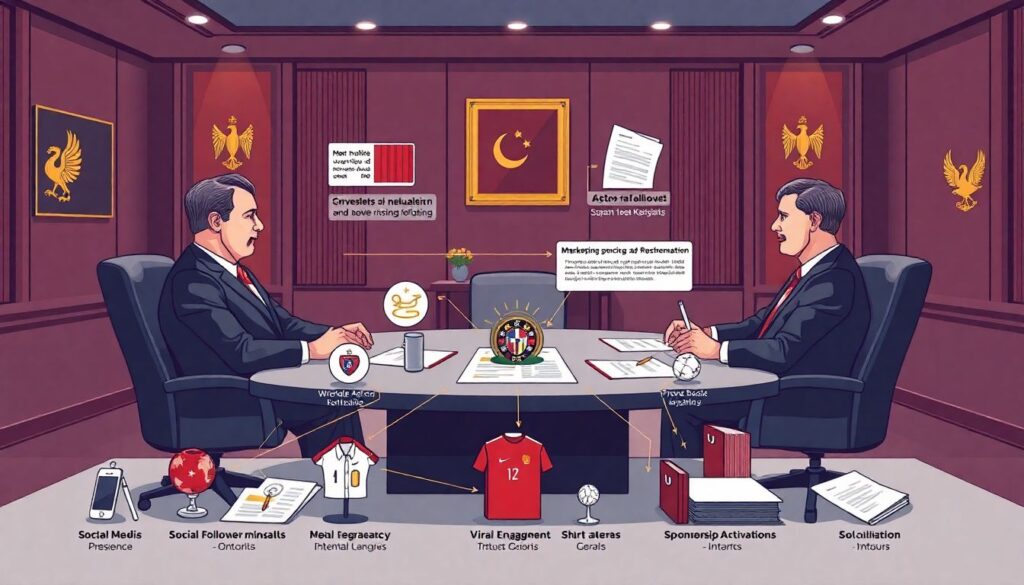
For agents and recruitment pros, the key “hack” is understanding the behavioural economics of Istanbul and Ankara boards. Presidents overvalue prestige and underweight depreciation; that lets savvy negotiators add marketing‑oriented bonuses (social‑media milestones, shirt‑sales targets) instead of higher fixed wages. In practical turkish football transfer market analysis, this is a pure margin play: you transform vanity metrics into compensation levers without ballooning guaranteed cost. Another professional shortcut is to synchronise proposals with political calendars: around club elections or government‑linked milestones, big‑name deals get fast‑tracked and internal risk checks are relaxed. For sporting directors at European giants, the reciprocal hack is to position Turkish clubs as exit ramps for mis‑fit contracts: structure loans with purchase options where Turkey pays mainly in variable tranches tied to Champions League participation – you cap downside while giving the Turkish side a realistic path to permanent acquisition.
Information asymmetry
Those who track local media, federation decisions and FX movements daily can front‑run liquidity squeezes: you know exactly when a Turkish club must sell, and can time lowball bids 72 hours before salary‑payment deadlines.
Forecast 2026–2030: where the models converge (and where they won’t)
Strategic convergence with persistent financial divergence
Looking ahead from 2026, expect partial convergence in methods but not in financial firepower. By 2030, more Super Lig clubs will run integrated data‑scouting stacks, copycatting European best practice in injury‑risk profiling, physical‑load tracking and value‑at‑risk modelling for each contract. The intellectual gap will narrow: analysts trained in London or Lisbon are already moving to Istanbul for senior roles. Yet the monetary gap versus the Premier League and even the Bundesliga will likely widen, locking Turkey into its role as an intermediate asset market. In practical terms, turkish super lig transfer strategy vs top european leagues will evolve toward being an explicit “development plus recycling hub”: signing 18–22 year‑olds from under‑scouted regions, giving them European exposure, then selling to mid‑tier giants; simultaneously taking 27–31 year‑old surplus players from those giants on value‑depressed terms. Regulation will also matter: if UEFA tightens squad‑loan caps, Turkey becomes more important as a place for permanent but heavily incentivised deals rather than endless loans.
Final outlook
If Turkish clubs internalise that their sustainable edge is speed and risk‑tolerance rather than cheque size, and if they consistently reinvest profit from a few successful flips instead of chasing one more aging superstar, the gap in sporting performance to the top‑5 leagues can shrink even as the revenue gap grows. The next four seasons will show whether they embrace that identity or keep oscillating between short‑term glory and financial strain.