
TFF 1. Lig has become a crucial bridge between youth academies and the Süper Lig, offering consistent minutes, tactical variety, and realistic pressure for Turkish prospects. To turn this league into a systematic development stage, clubs must align scouting, coaching, loans, and incentives around clear KPIs for Turkish football academy to professional pathway success.
Core Pillars of Talent Development in TFF 1. Lig
- Use TFF 1. Lig as a controlled testing ground where young locals play real minutes in clear tactical roles.
- Build a structured pathway from U17-U19 to professional contracts, loans, and stable first-team integration.
- Standardise coaching, data use, and periodisation so TFF 1. Lig young talents progress step by step, not randomly.
- Design loan and match-exposure strategies instead of reactive TFF 1. Lig player transfers each season.
- Align bonuses, sell-on clauses, and institutional targets around promoting the best Turkish football prospects TFF 1. Lig can produce.
- Track KPIs longitudinally to separate real development from short-term form when scouting Turkish players in TFF 1. Lig.
How the League Shapes Technical and Tactical Growth
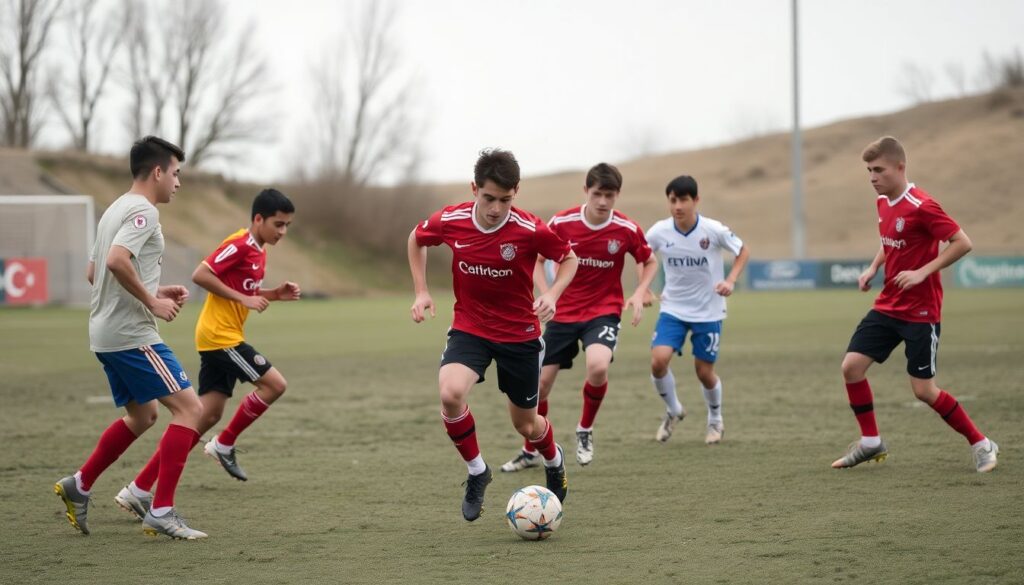
TFF 1. Lig is ideal for clubs that want to expose 18-22 year olds to physical games, varied pitch conditions, and mixed tactical styles while still keeping them within Turkey’s ecosystem. It suits teams ready to tolerate short-term errors for long-term player value and identity.
It is not suitable if a club’s only priority is immediate promotion, if the coach refuses to trust youth, or if there is no clear plan for how the league’s challenges translate into individual development goals. In such cases, young players become cheap squad fillers instead of real projects.
- Use the league’s physicality to improve duels, pressing resistance, and aerial ability for TFF 1. Lig young talents.
- Exploit tactical diversity (direct play, deep blocks, high presses) to sharpen decision making under stress.
- Set role-specific learning targets (e.g., full-back: overlapping timing, underlapping runs, pressing triggers) per half-season.
- Design match plans where at least one phase (build-up, press, transition) is led by a young player’s responsibility.
- Review away matches in difficult stadiums as mental toughness modules, not just results.
Club Academies and Pathways: Best Practices from 1. Lig
To convert academy graduates into the best Turkish football prospects TFF 1. Lig can showcase, clubs need a practical toolkit and clear access structures.
Essential structures and resources
- Integrated technical plan: Shared game model from U15 to first team with defined principles in and out of possession.
- Centralised player database: Simple, secure platform (even a structured spreadsheet early on) holding match reports, physical data, and video links.
- Video and tagging tools: At minimum, full-match recordings plus basic tagging (key passes, duels, sprints) for every prospect.
- Pathway agreements: Written policy on when a player moves from academy to reserves to TFF 1. Lig squad, with age and performance triggers.
- Loan partnerships: Stable relationships with 2-4 clubs where your style and development priorities are respected.
- Specialist staff access: Physical coach, performance analyst, and mental skills support who can follow players across academy, loans, and first team.
Key pathway practices used by strong 1. Lig clubs
- Pre-season integration of at least 4-6 academy players into first-team training blocks with clear evaluation criteria.
- Individual Development Plans (IDPs) updated every half-season and linked to actual TFF 1. Lig match tasks.
- Structured feedback loops: academy, loan club, and parent club review each player’s progress monthly.
- Transparent communication with families about steps from Turkish football academy to professional pathway, reducing anxiety and random decisions.
- Clear exit routes: if a player is blocked, orchestrate smart TFF 1. Lig player transfers instead of last-minute panic sales.
Coaching Standards, Analytics, and Periodized Development
Before following a structured development process, ensure these preparation points are in place:
- Define a simple, written game model that coaches at all levels agree to follow.
- Assign one staff member responsible for data collection and basic analysis for TFF 1. Lig young talents.
- Create a standard IDP template that fits on a single page per player.
- Confirm access to match video for every league game, home and away.
- Schedule monthly multidisciplinary meetings (coach, analyst, fitness, academy) for prospect review.
-
Set a unified development philosophy
Define how your club wants to play and what that means for individual roles. Keep it short and practical so every coach from academy to first team can apply it.
- Choose 3-5 non‑negotiable principles (e.g., high press, short build-up, aggressive counter-attacks).
- Specify what a successful 19-20 year old starter should look like in TFF 1. Lig for each position.
-
Design individual development plans linked to the league
For each key prospect, create an IDP that translates your philosophy into concrete targets inside TFF 1. Lig reality (physical, tactical, emotional).
- Set 3 technical-tactical targets per half-season (e.g., progressive passes per 90, successful 1v1 defences).
- Include load targets (minutes, starts, types of matches: home/away, promotion contenders, relegation battles).
-
Build a simple data and video routine
Analytics should support, not overwhelm, coaching. Focus on a few indicators that clearly matter when scouting Turkish players in TFF 1. Lig or tracking your own players.
- Track minutes, positions played, and basic efficiency stats (chance creation, duels won, defensive actions).
- Clip 5-10 key actions per game for each prospect: good, average, and poor decisions.
- Hold short video sessions (10-15 minutes) with each player weekly, focusing on 1-2 themes at a time.
-
Periodise the season around development blocks
Combine physical periodisation with technical-tactical themes across the season so growth is planned, not accidental.
- Divide the season into 4-6 week blocks, each with a main focus (e.g., pressing, build-up, transitions).
- Align gym, conditioning, and on-pitch loading so young players can handle TFF 1. Lig intensity safely.
- Schedule specific games for targeted exposure (e.g., start a young DM in matches where you expect more possession).
-
Standardise coaching feedback and evaluation
Ensure every staff member speaks the same language when describing performance and potential, especially for the best Turkish football prospects TFF 1. Lig offers.
- Use a common rating scale and vocabulary across academy, loan clubs, and first team.
- Document evaluations monthly; compare them with objective data and video.
- Share a short written summary with the player, including one immediate action item.
-
Review, adjust, and communicate across departments
Close the loop regularly so development plans, match usage, and transfer decisions stay aligned.
- Hold quarterly meetings to review each prospect’s trajectory, including potential TFF 1. Lig player transfers or loan recalls.
- Update IDPs when reality changes (injuries, coaching changes, new competition for places).
- Communicate decisions clearly to the player and, where relevant, his representatives.
Competitive Environment: Match Exposure and Loan Strategies
Use this checklist to verify whether your competitive and loan strategy is truly supporting development:
- Each targeted prospect averages meaningful minutes (not only stoppage time) across the season.
- Young players are trusted in different game states: winning, drawing, and chasing the result.
- Loan destinations are chosen for playing style, coach trust, and role clarity, not just geography or friendships.
- There is a named contact at each loan club who provides regular reports and video feedback.
- Loans include clear expectations on minimum minutes, position, and role (starter, rotation, impact sub).
- Recall clauses are used strategically, not impulsively, balancing player stability and parent club needs.
- At least some prospects are tested in pressure matches (promotion battles, derbies, relegation fights).
- Bench patterns show real trust: young players are among the first subs, not the last, when the game is tight.
- Match scheduling (friendlies, cups) is used to give starts to prospects who lack league minutes.
- Post-loan integration plans outline where and how the returning player will compete for a place.
Financial and Institutional Incentives Driving Youth Promotion
Clubs often undermine their own talent pipeline through repeatable mistakes. Watch out for these:
- Rewarding short-term results only, with no bonuses linked to minutes played by club-developed players.
- Structuring contracts with early, unrealistic wages that remove motivation for gradual development.
- Failing to include sell-on clauses or performance bonuses in deals for academy products, undervaluing long-term upside.
- Changing coaches frequently without requiring them to respect the club’s youth-development strategy.
- Announcing public targets around young players but not backing them with actual squad planning.
- Overloading the squad with cheap foreign signings that block pathways for TFF 1. Lig young talents.
- Using youth only as a marketing tool while relying on veterans in crucial matches.
- Not protecting contracts early, leading to low-fee exits when players finally break through.
- Ignoring the education and life-support side of development, which can derail promising careers off the pitch.
- Failing to coordinate between academy, first team, and board on which players are strategic assets.
Measuring Success: KPIs and Longitudinal Tracking for Prospects
There are alternative or complementary approaches to using TFF 1. Lig as the main stage for development; in some contexts, they fit better.
- Direct Süper Lig integration with controlled minutes: Suitable for exceptional talents who are already physically and mentally ready; requires a patient club and stable coaching environment.
- Targeted foreign loans to comparable leagues: Works when a player’s style suits specific European or regional competitions and when the partner club offers guaranteed playing time.
- Extended stay in U19/reserve competitions with enhanced match programme: Appropriate if the player is late-maturing physically; combine with friendly matches against senior opposition.
- Hybrid model combining TFF 1. Lig and cup competitions: Use league games for baseline minutes and domestic cups for testing players in higher-intensity environments.
Whichever route is chosen, the same principles apply: define clear KPIs, collect data over multiple seasons, and adjust the plan based on how each player responds to different levels of competition.
Practical Clarifications for Implementing 1. Lig Lessons
How many young players can realistically be integrated into a TFF 1. Lig squad at the same time?
Focus on a small core of priority prospects so staff can provide enough attention and minutes. It is usually better to fully develop a few players than to spread limited resources across many without clear roles.
What is the safest way to give debuts without damaging confidence?
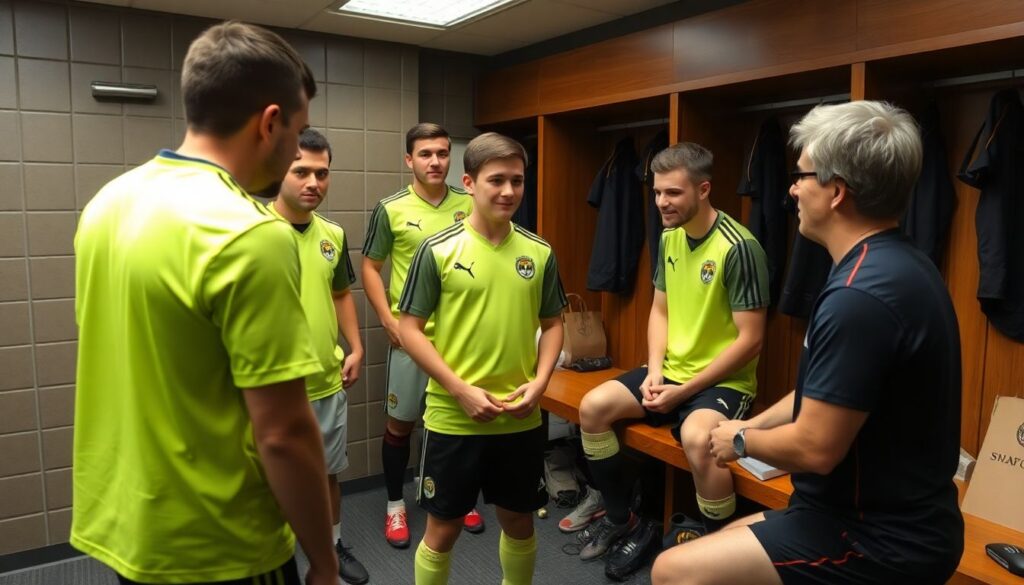
Plan debuts in home games or favourable fixtures with experienced leaders around the youngster. Give them a simple, clear role and debrief calmly afterward, regardless of result, focusing on learning points rather than mistakes.
How should we balance data and live scouting when assessing TFF 1. Lig young talents?
Use data to shortlist and monitor trends, then rely on multiple live or video scouting sessions to understand behaviour under pressure. Neither alone is enough when scouting Turkish players in TFF 1. Lig; combine both sources for balanced judgments.
When is a player ready to move beyond TFF 1. Lig to a higher level?
Look for consistent impact over time: stable performance in difficult matches, adaptability to different roles, and clear mental resilience. A few standout games are not enough; readiness is about reliability across varied contexts.
How can smaller clubs protect value when selling prospects to bigger teams?

Negotiate realistic base fees plus sell-on percentages and achievable performance bonuses. Ensure contract lengths allow leverage, and avoid late negotiations when the club is under pressure to sell quickly.
What should a coach do if board expectations for promotion conflict with youth development goals?
Clarify priorities in writing before the season and propose measurable dual targets. If conflicts remain, manage minutes more strategically, using youth heavily in certain matches and roles while still respecting promotion aims.
How often should KPIs and development plans be adjusted for an individual player?
Review KPIs monthly for minor tweaks and more deeply at each half-season break. Avoid constant changes after every match; stability is required so trends can emerge and be judged fairly.