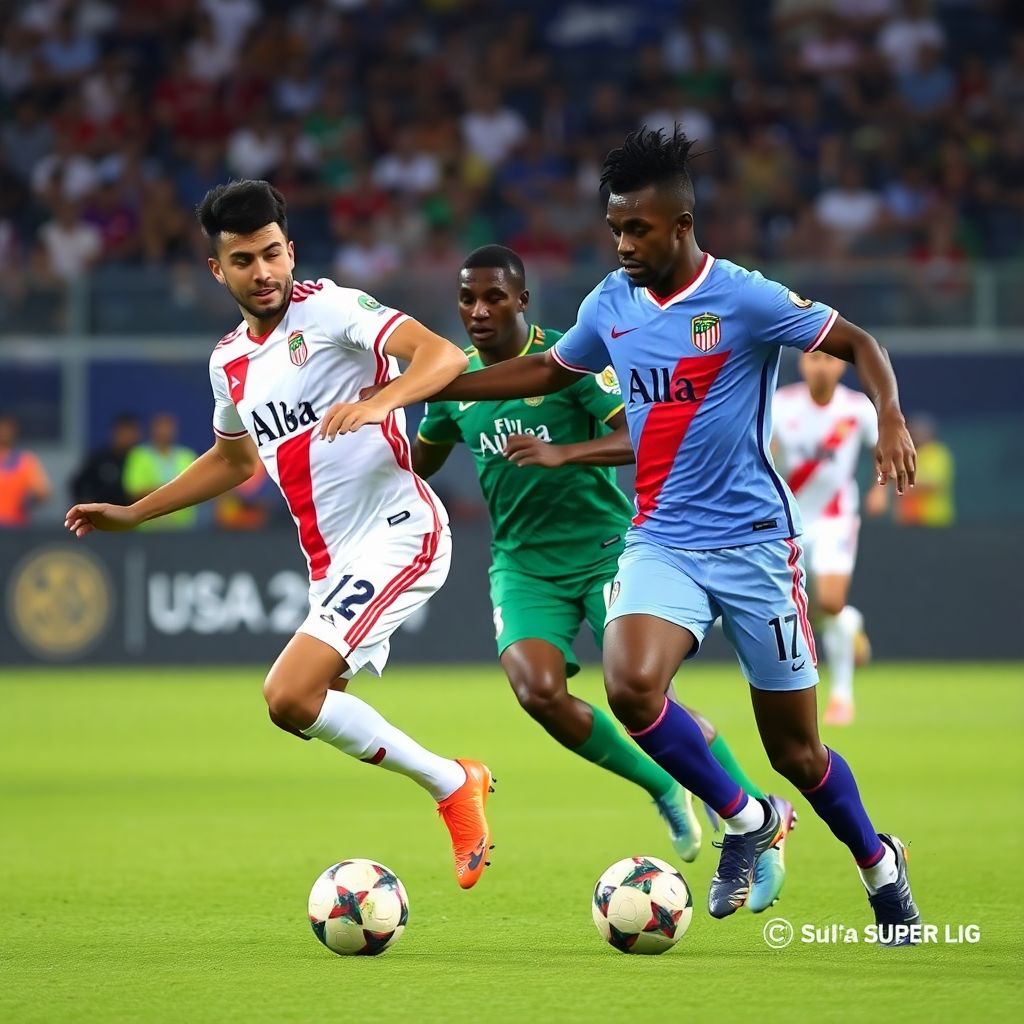
South American and African players have reshaped the Süper Lig playing style by adding tighter ball control, more direct power running and higher pressing intensity. South American imports mainly influence possession, creativity and set‑pieces, while African arrivals transform transitions and defensive solidity. Both bring upside and risk, depending on how quickly clubs align roles, fitness work and tactics.
Core tactical and cultural impacts of South American and African imports
- South American profiles usually boost ball retention, final‑third creativity and set‑piece variety, changing tempo and spacing.
- African players in Turkish Super Lig squads typically raise transition speed, pressing range and defensive duels.
- Ease of integration depends less on passport and more on role clarity, language support and tactical fit.
- Misreading “flair” or “physicality” stereotypes leads to poor recruitment and unstable matchplans.
- Clubs that join up scouting, fitness and coaching get long‑term style changes, not just short‑term results.
- super lig transfer news foreign players often signals tactical shifts (e.g. more high pressing or slower buildup).
Common misconceptions about South American and African contributions
When discussing super lig south american players and African imports, analysis often leans on clichés instead of tactical evidence. A useful definition is: their influence is the specific way their common technical and physical strengths alter a team’s pressing, buildup, chance creation and game management, relative to local options and league norms.
One misconception is that South American players automatically bring “fantasy football” and weak defensive work. In reality, many are schooled in compact blocks, intense counterpressing and disciplined rest defence, which can stabilise a side that previously defended passively in a mid‑block.
Another myth is that African players in Turkish Super Lig teams are purely about raw speed and strength, with limited tactical understanding. Many arrive from systems with strict positional play, coordinated pressing triggers and modern transition schemes, making them easier to integrate than assumed, especially in roles like box‑to‑box eight or aggressive full‑back.
A further misconception is that foreign arrivals dictate style on their own. In practice, their influence is mediated by the coach’s model, matchplans and dressing‑room hierarchy. The best foreign players in Turkish Super Lig history usually joined clubs where the tactical idea, fitness staff and language support were already strong, allowing their specific skills to change the overall flavour of play.
South American technical signatures and their tactical applications
In a typical turkish super lig style of play analysis, South American profiles stand out most in tight spaces, under pressure and around the box. Their influence is easiest to integrate when the team already values short combinations and positional rotations between midfield and attack.
- First touch under pressure. Many South American attackers and midfielders can control difficult balls while marked, allowing teams to play riskier vertical passes and break lines instead of circulating sideways. This directly supports quicker progression through the centre.
- Wall passes and third‑man runs. Their comfort in one‑twos and blind‑side movements enables tight triangles on the wing and in zone 14. This raises the volume of high‑quality cutbacks and low crosses, especially against compact low blocks.
- Deception in 1v1s. Step‑overs, body feints and tempo changes are not just “show”; they unbalance defenders and open passing lanes. Used correctly, this lets a side create advantages without committing too many players forward, reducing counter‑risk.
- Set‑piece variety. Inswinging deliveries, rehearsed screens and disguised short corners are frequent signatures. For mid‑table teams, this can be the simplest entry point to benefit from South American influence, because routines are trainable even with language barriers.
- Tempo management. Many super lig south american players are skilled at slowing the game with fouls won and ball protection, then accelerating suddenly. This “rhythm control” is powerful at home, but risky away if it encourages overdribbling instead of quick switches.
- Risk profile. Main risks are ball losses in central dribbles and excessive touches that break team rhythm. Coaches who clearly define zones where improvisation is allowed (e.g. wide channels, final third) integrate these strengths with fewer turnovers.
African athletic profiles and influence on transitional play
African players in Turkish Super Lig environments tend to have standout acceleration, repeat sprint ability and duel strength. These traits naturally reshape how a team defends forward and attacks space, especially in a league with many stretched, end‑to‑end games.
- High pressing from the front. Forwards and wingers capable of multiple intense sprints per minute allow tighter pressing traps on opposition centre‑backs and pivots. This changes the team’s starting line of defence and encourages more direct attacks after regains.
- Vertical box‑to‑box running. Midfielders with long strides and stamina can cover box to box repeatedly, enabling aggressive counterpressing after losing the ball. This supports a more direct offensive style without completely sacrificing central stability.
- Fast‑break outlets. Wide players and centre‑forwards comfortable running into big spaces stretch back lines and force opponents to defend deeper. The team can then sit slightly lower, knowing they can counter with two or three passes.
- Defensive duels and aerial presence. Strong centre‑backs or defensive midfielders win more first and second balls. This encourages long goal‑kicks and direct entries into midfield, altering build‑up patterns and reducing reliance on slow short passing.
- Risk profile. The main risk is over‑reliance on athleticism: teams may skip structured buildup and pressing patterns, expecting individuals to “fix” situations with pace or power. When those players are absent or fatigued, the game model can collapse.
- Ease of integration. Transition‑oriented roles (wide runner, pressing nine, ball‑winning six) integrate faster because tasks are clear and language‑light. More complex “playmaking” roles require extra time and video work to align movements with teammates.
Club-level integration: coaching, roles and matchplans
To turn foreign profiles into a consistent playing style, clubs must align recruitment, coaching and dressing‑room culture. This is as true for South Americans as for Africans, yet the ease and risks differ by typical role and expectation.
Upside and smoother integration pathways
- South American creators in defined pockets. Placing a technically gifted ten or inverted winger in clear half‑spaces simplifies decisions: receive between lines, connect, combine or shoot. Their influence on chance creation becomes visible quickly.
- African runners in transition‑heavy systems. If the game model already prefers quick outlets and forward defending, powerful runners at wing, full‑back or eight plug in almost immediately and amplify existing strengths.
- Shared language groups and staff. Portuguese or Spanish‑speaking assistants, plus clear English keywords, speed up tactical absorption for new South American arrivals. Similarly, staff experienced with African academies can explain expectations culturally, reducing friction.
- Role‑specific fitness work. Tailoring conditioning to repeated sprints for African attackers or short explosive bursts for South American playmakers protects against injury and keeps intensity aligned with the matchplan.
Constraints, frictions and typical risks
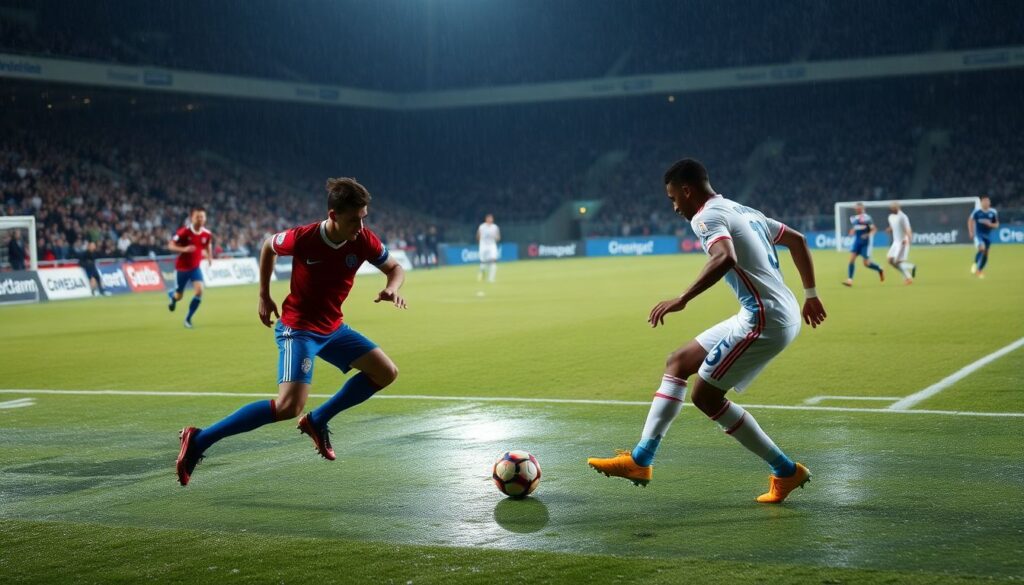
- Mismatch between player profile and club identity. A slow‑buildup team signing only fast runners, or a counter‑attacking side signing only “ball‑to‑feet” number tens, creates constant tactical compromise.
- Overloading one phase of the game. Too many flair players without ball‑winners, or too many athletes without controllers, leads to structural holes in either buildup or rest defence.
- Communication gaps in compact defending. Misunderstandings over when to step out, who covers the half‑space, or how to manage the offside line often appear first in new foreign‑heavy back lines.
- Short‑termism driven by super lig transfer news foreign players. Under pressure, boards chase headline names instead of complementary profiles. This raises the risk of unbalanced squads and frequent mid‑season tactical resets.
Quantifying change: possession, pressing and chance-creation metrics
Any turkish super lig style of play analysis that tries to measure South American and African influence must avoid simplistic before/after comparisons. Style change is multi‑factor: coach, local recruits and schedule all interact with foreign signings.
- Myth: “More South Americans means higher possession.” In reality, possession share is shaped more by coach preference and pressing height. South American imports may improve ball security, but a direct‑minded coach can still keep overall possession modest.
- Myth: “More African players guarantees aggressive pressing.” Without a synchronized pressing scheme, fast players just cover mistakes. The crucial metric is coordinated pressure events, not raw distance run or sprint counts.
- Myth: “Shot volume alone reflects foreign influence.” South American creators often shift teams from low‑value long shots to better quality chances inside the box. Chance quality and assist zones matter more than total attempts.
- Myth: “Physical profiles explain all defensive improvement.” A stronger back line may still concede many cutbacks if the midfield screen is poorly structured. Tackle counts and duels won must be read alongside where turnovers occur.
- Myth: “One good season proves a model.” A club might overperform due to a single exceptional individual. Sustainable style evolution appears when similar metrics hold after that player leaves or rotates.
- Practical approach. Track small clusters: buildup completion under pressure, high regains, dribbles leading to shots, and defensive third passes allowed. Relate their trends to the arrival and usage of specific South American and African profiles across seasons.
Legacy effects: youth pathways, scouting and coaching adaptations
Over time, the presence of South American and African players does more than decide matches; it shapes how Turkish clubs think about talent and tactics. Young players copy what they see daily, and coaches refine training ideas to integrate diverse strengths.
Consider a simplified evolution sequence:
- Initial import. A Süper Lig club signs a South American playmaker and an African box‑to‑box midfielder. The immediate effect is more combinations in the left half‑space and faster counters through the centre.
- Coaching adjustment. Training sessions start to include more rondos in tight spaces, pressing games with transition finishes, and clear rules for when the eight arrives late in the box. Local players learn to time movements around these imports.
- Youth pathway change. The academy begins searching for local profiles who can replicate some of these traits: midfielders comfortable receiving under pressure, wingers who both sprint and combine short, defenders able to step out aggressively.
- Scouting refinement. Instead of simply chasing the best foreign players in Turkish Super Lig highlights, scouts look for specific archetypes: press‑resistant six, dynamic wide runner, hybrid ten‑winger. Video and data filters follow tactical needs, not just reputation.
- Medium‑term legacy. Even if those original imports leave, the club’s default style is now more proactive with the ball and more aggressive in transitions. The influence of South American and African profiles becomes baked into the club identity, not just a temporary trend.
Concise answers to recurring coach and analyst queries
Do South American players always make a team more possession oriented?
No. They often improve ball retention and combination play, but overall possession depends on the coach’s game model and pressing strategy. A direct, transition‑focused coach can still use South American players mainly for efficient final‑third actions.
Are African players automatically better for high pressing systems?
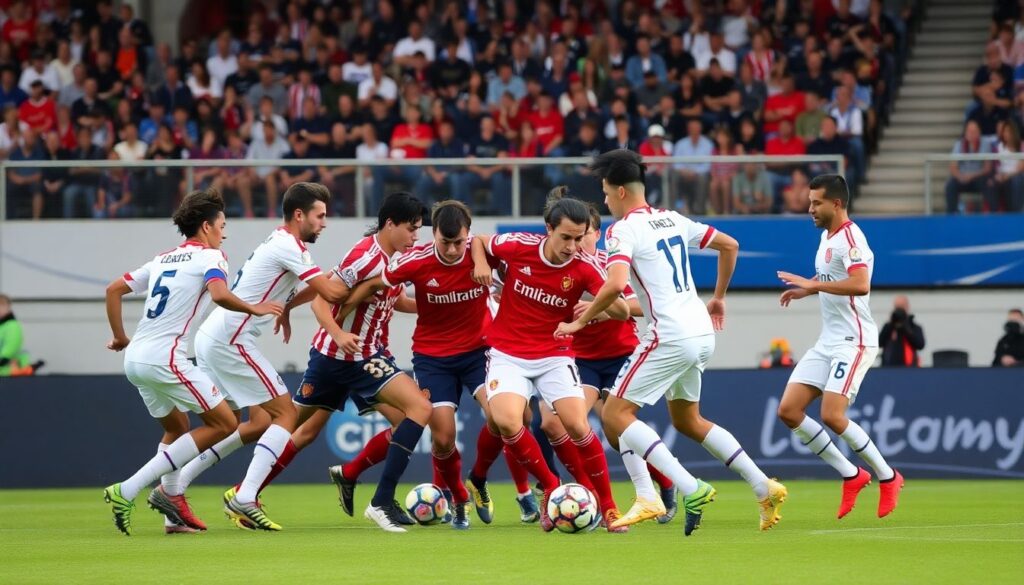
They frequently bring the athletic tools for high pressing, but success relies on coordinated triggers, compact lines and clear roles. Without tactical structure, their physical advantages are partly wasted in chaotic pressing.
Which profiles are easiest to integrate quickly in the Süper Lig?
Clear, transition‑heavy roles integrate fastest: wide runners, pressing centre‑forwards, ball‑winning sixes and attacking full‑backs. Creative tens and deep playmakers need more time because their decisions must sync with the entire team’s positioning.
How should clubs balance South American creativity and African physicality?
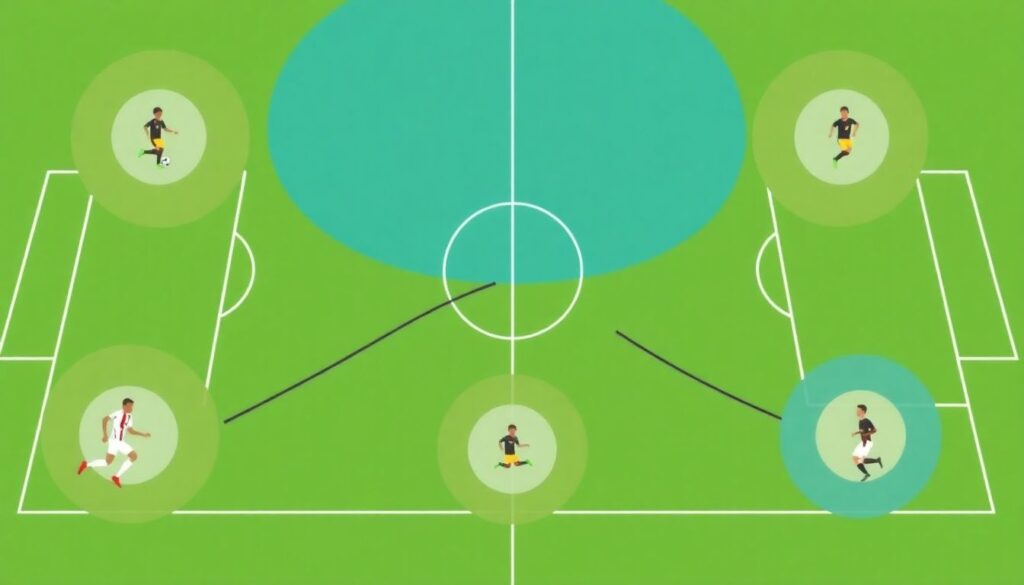
Start from the desired style, not passports. Many successful sides pair two or three creative players in stable zones (half‑spaces, central pockets) with two or three powerful runners behind and ahead of them to secure transitions.
What is the main recruitment risk with foreign profiles in the Süper Lig?
The biggest risk is signing on reputation instead of tactical fit. A high‑profile name who does not solve a clear problem in buildup, pressing or transitions can force constant system compromises and block local development.
Can a single foreign star change a club’s long‑term style?
One player can spark change, but lasting impact comes when coaching, academy training and scouting all adapt around the ideas that player embodies. Otherwise, style usually reverts once that individual leaves.
How should analysts measure the impact of new foreign signings?
Track role‑specific metrics across time: high regains for pressers, progressive receptions for playmakers, successful runs in behind for sprinters. Compare those trends with match footage to confirm whether style, not just results, is changing.