
Turkish academies are quietly churning out some of the best young Turkish football talents 2025 will have to offer, but most discussions stop at a couple of flashy names and ignore how to actually scout them properly. If you’re a coach, analyst, agent or just an obsessive fan, you don’t need another hype list; you need a practical scouting report on the most promising Turkish wonderkids under 21 that shows what separates future pros from short‑term sensations. Let’s walk through real cases—Arda Güler, Kenan Yıldız, Semih Kılıçsoy, Yasin Özcan, Can Uzun—and break down what worked, what nearly derailed them, and how you can use the same lenses in your own talent ID, whether you’re watching Turkish Super Lig highlights or U17 regional games on a muddy training pitch.
—
Why the U21 window in Turkey is so special
The U19–U21 gap in Turkey is brutally decisive: it’s where gifted academy kids either survive the first‑team shock or disappear to the third tier.
—
How this scouting report is built (and how you can copy it)
Instead of relying only on goals and assists, a serious Turkish Super Lig best young players scouting report should mix three layers: event data, video context, and live “body language” impressions. With Arda Güler at Fenerbahçe, for example, the early red flag in the data was that he received the ball under pressure far more often than other teenagers—but turned it over less. On video, that translated into elite pre‑scanning and first touch; live, scouts noticed he demanded the ball from older teammates instead of hiding. When you profile top U21 Turkish football players to watch, copy this: check risky zones of possession, not only highlight actions; track how often they offer themselves for a pass; and note whether they emotionally survive mistakes in hostile atmospheres, especially in away games like Ankara or Trabzon.
—
Case study: Arda Güler – more than a “Turkish Messi” label
Arda wasn’t just a highlight merchant; he was consistently solving crowded central zones two or three actions ahead.
—
What many scouts missed about Arda early on
In Arda’s U19 days, some visiting scouts wrote him off as physically too light, and that’s where non‑obvious solutions matter. One Fenerbahçe performance coach split his micro‑cycles so that Arda did most strength work on match‑day +2 and +3, leaving the two days before games almost purely for coordination and sharpness. Result: his sprint metrics barely changed, but his ability to absorb contact improved in GPS data, and he stopped fading after 60 minutes. The lesson for evaluating future stars of Turkish football U21 prospects: don’t over‑weight body type at 17; instead, ask what specific physical qualities are actually missing and whether those can be trained without killing the player’s technical freshness. When watching U21 games, log how performance trends over 15‑minute blocks rather than only total distance or max speed.
—
Pro tip from Arda’s camp
When a player is “too skinny”, track frequency and outcome of duels, not just how dramatic the collisions look.
—
Kenan Yıldız and the modern hybrid forward

Kenan Yıldız at Juventus offers a different template from Arda: a high‑intensity runner who can play wing, second striker or false 9. One Serie A analyst who followed him from Bayern’s academy built a simple but powerful metric: “pressure value per 90”—counting not only successful presses but where they force play. Kenan rated among the best in his age group for steering build‑up toward the touchline. That pattern barely shows up in traditional stat lines but is gold dust when you project roles. If you want to spot most promising Turkish wonderkids under 21 in forward positions, start tagging where their off‑ball work funnels opponents rather than only whether they win the ball. This reveals who can fit high‑press systems used by big European clubs that shop in Turkey.
—
Non‑obvious data clue with Kenan
Look at how often the opponent’s next pass after his press goes backward or wide—that’s hidden domination.
—
Domestic gems: Semih Kılıçsoy and Yasin Özcan as stress tests
For locally based scouts, the richest insights often come from watching players suffer. Semih Kılıçsoy at Beşiktaş was thrown into a dysfunctional team with impatient fans; his early matches contained more failed dribbles than completed passes. Yet staff analysts defended him using a frame‑by‑frame breakdown: Semih consistently chose high‑value shooting positions instead of safe crosses, and his body orientation allowed him to finish with either foot under pressure. Meanwhile, Kasımpaşa’s Yasin Özcan, one of the top U21 Turkish football players to watch in defence, was evaluated less on clean sheets and more on how often he defended huge spaces in transition without cover. In both cases, coaches treated chaos as a feature: if a teenager can cope in a broken structure, he’s more likely to thrive once the tactical environment stabilises.
—
Alternative scouting method: street and futsal intel
Several Istanbul clubs quietly send staff to local futsal and street tournaments and check which kids naturally play 1v1 or 1v2 without fear—Semih and Yasin both had that background.
—
Outside Turkey but still part of the pipeline: the Can Uzun model
Not every future Turkish international grows up in the Super Lig ecosystem. Can Uzun, emerging in Germany before his move toward the Bundesliga elite, forced Turkish scouts to change habits. Instead of waiting for senior‑team debuts, one federation scout built his own “shadow list” of diaspora players by scraping U17 and U19 line‑ups in Germany and Austria, then manually tagging every Turkish‑sounding surname in match reports. Crude, but it surfaced Can long before social media hype. When building your own list of best young Turkish football talents 2025, copy the principle: don’t rely only on federation or agency lists; track U19 and reserve squads abroad, watch short clips, then commit to two or three full matches per month to sense maturity—especially off‑ball movements and how often they attempt progressive passes under pressure.
—
Pro‑level workflow for tracking U21 Turkish talent
Create a simple spreadsheet: name, club, position, three strengths, two risks, and a one‑line “if I had to use him tomorrow” role; update after every three full matches instead of every highlight reel.
—
Bringing it all together for the next wave of Turkish U21 stars
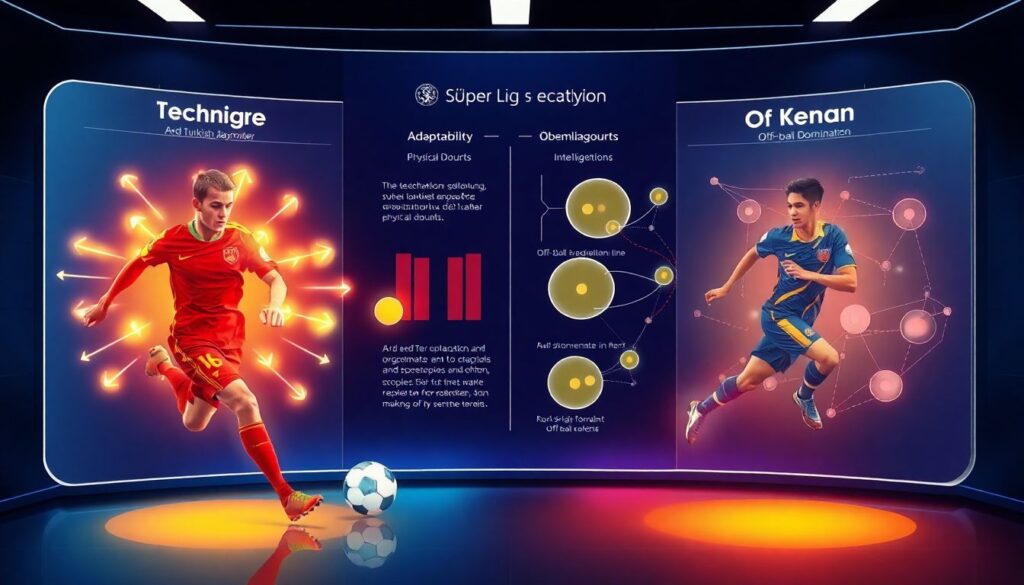
If you strip away the noise, a solid Turkish Super Lig best young players scouting report is less about magic intuition and more about disciplined curiosity. Use Arda’s case to remind yourself that technique plus adaptability can beat early physical doubts; use Kenan’s off‑ball dominance as a template for modern forwards; let Semih and Yasin teach you how valuable it is to watch kids in unstable teams; and borrow the Can Uzun approach to mine diaspora leagues. Combine data, video and live impressions, and you’ll stop chasing yesterday’s hype and start consistently identifying the future stars of Turkish football U21 prospects before everyone else realises what they’re becoming.