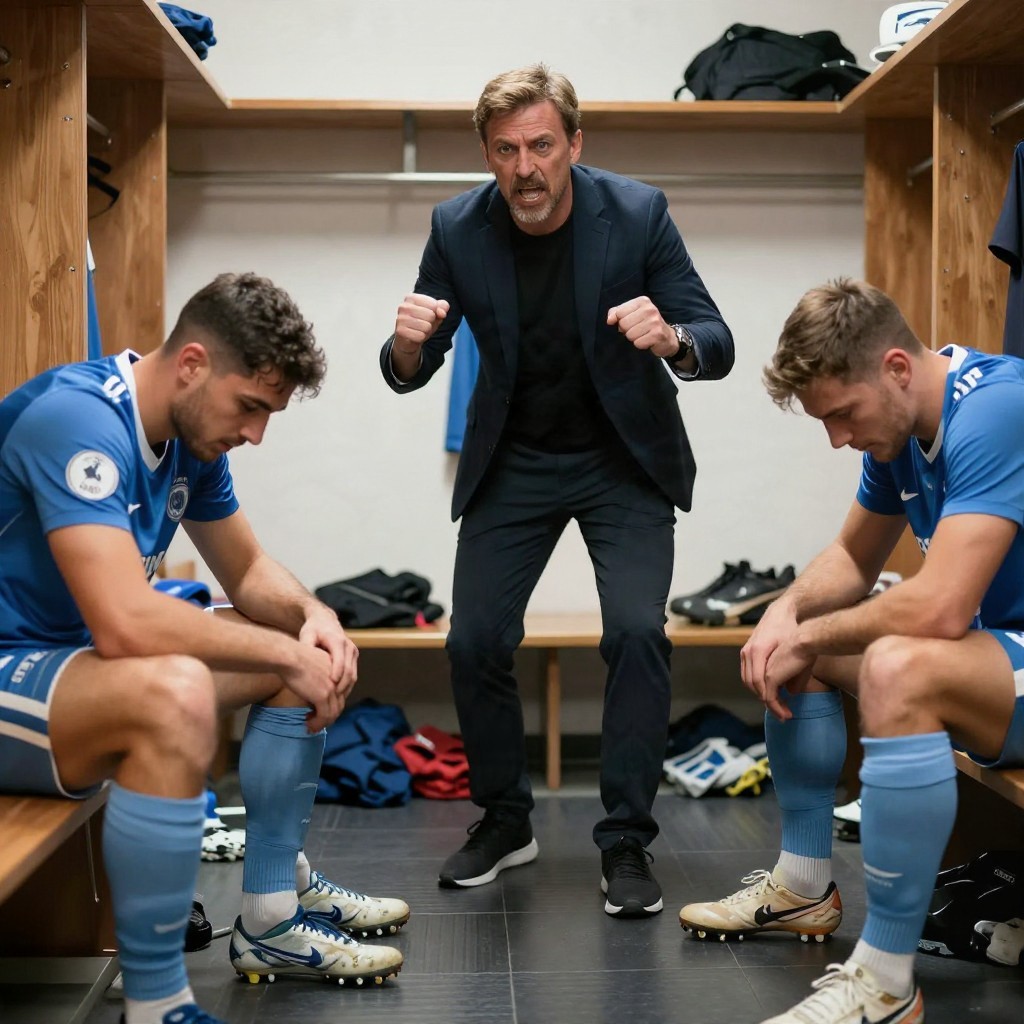
Glasner erupts after Nottingham Forest’s Brentford defeat
Nottingham Forest manager Oliver Glasner delivered a blunt assessment of his team after a 2-0 away loss to Brentford, warning that players must adapt to the direction he wants the club to take-or face the possibility of leaving.
Forest are hovering just above the Premier League relegation zone, and Glasner made clear that the latest result was part of a wider problem rather than an isolated setback. The team have lost four of their last five matches, a run the Austrian coach described as unacceptable. He said changes were needed and that he intended to make them, starting by setting out more clearly what he expects from his players.
“If they adapt, we can turn things around,” Glasner said. “If they don’t, then the sixth manager will come.” His remark reflected both the urgency of Forest’s position and his frustration with what he sees as recurring difficulties at the club.
‘I will make no concessions’
Glasner said his concerns extend beyond results. He is unhappy with aspects of the players’ attitude and with the response to his work, adding that he believes he has been too accommodating in certain areas.
That approach, he said, is now changing. The manager called for a fundamental reset across the club, arguing that the problems cannot be solved by focusing only on performances during matches.
“The club was in the same terrible situation last year,” Glasner said. “There needs to be change and rebuilding, from the bottom to the top. I will do that without making any concessions. None. If it doesn’t work, they will tell me that my departure is being discussed.”
The comments underline the scale of the challenge facing Forest. Glasner is demanding a consistent commitment to his methods, while also acknowledging that the club may ultimately decide his approach is not the right one.
A choice over the club’s direction
The manager pointed to Forest’s repeated struggles across several Premier League seasons as evidence that deeper issues remain unresolved. In his view, enduring difficulties over three, four or five campaigns suggest a pattern that cannot be fixed through a short-term response alone.
Glasner said everyone at the club must share the same direction. Players who are unwilling to work within that plan, he argued, may not have a future at Forest. He also said the team’s opponents run more in matches, and insisted that the club would need different players if the current squad could not close that gap.
“If the club doesn’t want that, then it needs a different manager,” he said, presenting the situation as a decision about the team’s identity and priorities, not simply a question of the next result.
A separate incident after the Brentford match illustrated the tension Glasner believes exists within the squad. He said he turned down a player’s request to travel back from London to Nottingham independently rather than return with the team on the coach. Glasner’s visible anger as he discussed the request highlighted his concern about discipline and togetherness.
The episode also points to a broader issue for a side under pressure: a manager’s standards need to be understood and accepted across the dressing room. When expectations differ, even decisions away from the pitch can become a source of friction. Glasner’s message was that team routines and shared responsibility matter as much as tactical instructions.
Forest’s immediate task is to turn the manager’s demands into better performances. A sharper work rate, greater commitment to collective responsibilities and improved results would help ease the pressure created by their position near the bottom of the table. But Glasner’s remarks suggest he will judge progress not only by the scoreline, but also by whether players respond to the changes he plans to introduce.
His public warning leaves little room for ambiguity: Forest must establish a common approach and show that they can carry it out consistently. If they do, Glasner believes the team can recover. If they do not, he has made clear that changes to the squad-or to the manager-could follow.