
Foreign players reshaped the Turkish Süper Lig by raising tactical level, training standards and international visibility. From on‑field pressing and passing models to off‑field marketing and broadcasting, their influence touches coaching, youth development, sponsorships and fan culture. Understanding their impact helps explain why Turkey attracts big names despite competition from major European leagues.
Summary of Pivotal Foreign Influences on Süper Lig
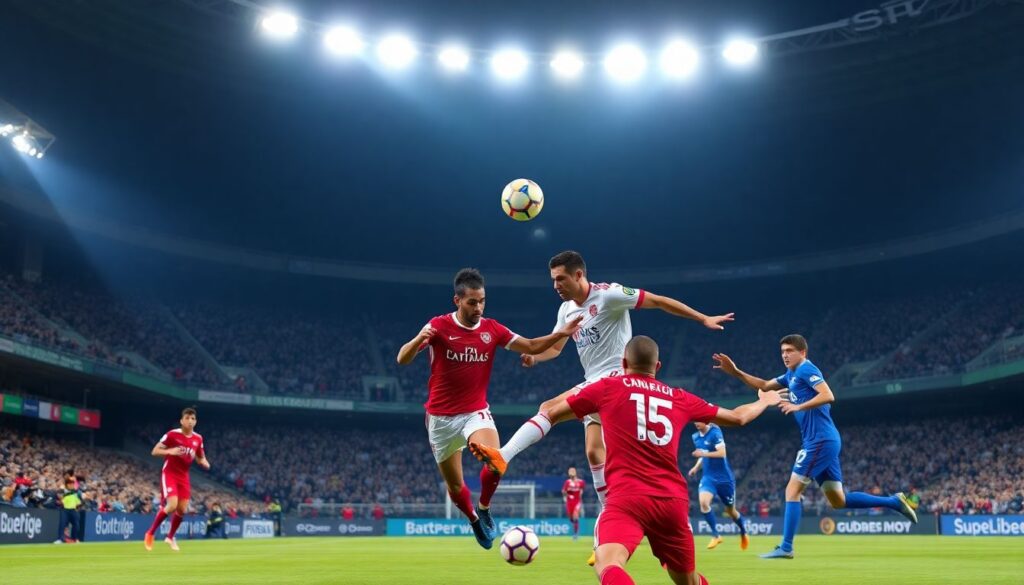
- Elite turkish super lig foreign players arrived for competitive salaries, big‑club pressure and passionate fan bases, not just late‑career “holidays”.
- Imports accelerated tactical evolution: higher tempo, compact pressing, and more sophisticated attacking patterns.
- Several of the best foreign players in turkish super lig history acted as on‑field coaches, shaping local teammates’ habits.
- Star signings changed transfer strategies, shirt sales and broadcasting deals, turning super lig jerseys foreign stars into global marketing assets.
- Their presence pushed academies to modernise but also exposed risks of blocking local talents if recruitment is unbalanced.
- Foreign icons influenced fan culture, derby narratives and even how supporters plan trips and buy turkish super lig tickets online.
Why Top Foreign Players Chose Turkey: Motives and Timing
In this context, “most influential foreign players in Süper Lig history” means imports whose impact clearly went beyond individual match statistics. They changed tactical norms, professional standards or the global reputation of Turkish football, and often became long‑term reference points for how clubs operate today.
Several factors explain why these top super lig players of all time chose Turkey at different career stages. Big Istanbul and Anatolian clubs offered highly competitive wages relative to many European teams, combined with intense stadium atmospheres that many stars explicitly cite as a motivation. The chance to fight for league titles and regular European competition added sporting value, not just financial reward.
Timing also mattered. Some arrived at their physical peak, eager to be central figures rather than rotation options in bigger leagues. Others came slightly later in their careers but with enough energy to dominate and act as mentors. A smaller group joined young, using Süper Lig as a springboard to major European leagues while still leaving a deep imprint on local tactics and expectations.
Tactical Revolals: How Imports Altered Formations and Playing Style
Foreign players changed the “how” of Turkish football by importing ideas from their home leagues and previous coaches. Their influence can be broken into several recurring tactical shifts.
- Pressing and defensive organisation
Experienced European or South American midfielders and forwards brought structured pressing triggers, compact team distances and more coordinated counter‑pressing after losing the ball. - Positional play in possession
Playmakers and ball‑playing centre‑backs encouraged building from the back, using the goalkeeper, and creating triangles in wide and half‑spaces instead of relying on long balls and pure wing crosses. - Role specialisation
Imports normalised roles like deep‑lying regista, inverted winger or attacking full‑back. This redefined squad building and youth coaching profiles in Süper Lig academies. - Set‑piece routines
Foreign defenders and assistants introduced rehearsed corner and free‑kick patterns, both defensively (zonal/hybrid marking) and offensively (blocks, decoy runs, lay‑offs at the edge of the box). - Game management
Veteran stars taught tempo control: when to slow the game, win fouls, rotate the ball to the far side, or push the block higher to protect a lead. - Physical and conditioning benchmarks
Professionally educated imports demanded higher training intensity, nutrition standards and recovery routines, which indirectly raised match tempo and distance covered league‑wide.
Five Transformative Foreign Players: Profiles and Concrete Impacts
Influence becomes visible when abstract tactical ideas turn into repeated match situations. The following compact profiles are stylised composites of the kind of foreign stars who left a lasting mark on the Turkish Süper Lig; they illustrate patterns you can recognise when analysing real players.
1. The Deep‑Lying Playmaker Leader
- Arrives in his late twenties after experience in a major European league.
- Demands the ball from centre‑backs and keeps passing lines open under pressure.
- Teaches local teammates to create angles and play out from the back calmly.
- Becomes a reference for later academy midfielders, who model their game on him.
2. The Pressing Centre‑Forward
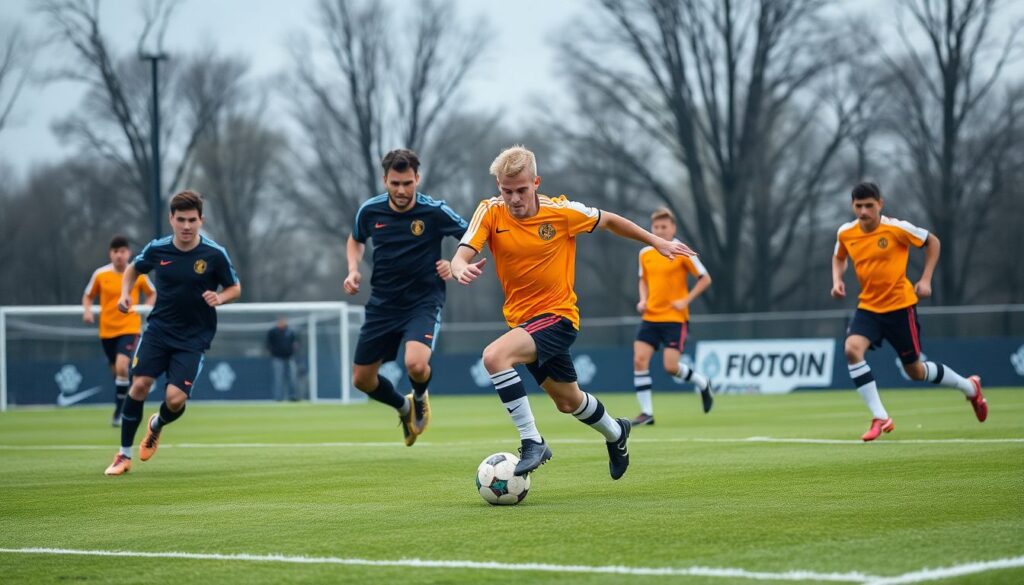
- Known more for work rate and movement than for pure finishing.
- Sets pressing triggers on back‑passes or wide receptions, dragging the block higher.
- Shows wingers and midfielders how to coordinate pressing instead of chasing individually.
- Clubs later recruit “forwards who defend first” because of his success.
3. The Modern Full‑Back Creator
- Previously coached in a system with overlapping and underlapping runs.
- Transforms the flanks from mere crossing zones into playmaking channels.
- Forces local wingers to learn inside movements and combinations.
- Influences youth coaches to train full‑backs technically, not just for defensive duty.
4. The Veteran Centre‑Back Organiser
- Brings calmness and constant communication to the defensive line.
- Introduces zonal defending on set pieces and line management for offsides.
- Helps local defenders understand body orientation and anticipation against quick strikers.
- Often transitions into coaching or mentoring roles after retirement.
5. The Iconic Attacking Star
- Global name whose arrival boosts season‑ticket sales and shirt revenue overnight.
- Draws extra cameras, international media and new fans wearing super lig jerseys foreign stars branding.
- Forwards his elite standards in finishing practice and professionalism to younger attackers.
- Changes how the club and league are perceived abroad, sometimes for an entire decade.
Short scenario: applying the idea on a single match
Imagine a derby where a foreign playmaker repeatedly drops between centre‑backs to break an opponent’s press. Over the season, local midfielders copy these movements, coaches adjust build‑up patterns, and rival teams prepare differently. One individual habit quietly rewrites the tactical script of many Süper Lig matches.
Quick algorithm to check a player’s real influence
- Watch at least three full matches from different seasons of his career in Turkey.
- List two or three recurring behaviours (e.g., pressing style, build‑up position, communication).
- Check if local teammates start copying these behaviours within the same season.
- Look one or two seasons after his departure: do similar roles or tactics remain standard?
- Scan interviews from coaches or teammates for explicit credit given to this player.
Financial Dynamics: Transfer Strategy, Sponsorships and Market Value
Foreign stars did not only alter tactics; they also re‑shaped club economics and risk management. Even without exact transfer figures, it is clear that iconic signings shifted how Turkish clubs think about budgeting, wages and commercial potential.
Upsides of investing in influential foreign players
- Brand growth
High‑profile arrivals increase shirt sales, social media reach and international coverage. They make the club more attractive to global sponsors and broadcasters. - Ticketing and matchday income
When a famous foreign striker or playmaker joins, demand for turkish super lig tickets online for big derbies and European nights typically spikes. - On‑field performance boost
Top imports can raise team quality immediately, helping clubs qualify for continental competitions and the prize money that follows. - Resale possibilities
Younger or mid‑career foreign players may be sold on to richer leagues, turning football knowledge and scouting into financial profit.
Constraints and risks of a foreign‑star strategy
- Wage and budget pressure
High salaries for imported stars can unbalance the wage structure, creating dressing‑room tension and long‑term financial strain. - Short‑termism
Clubs may chase immediate success with star names instead of building sustainable squads and academies. - Dependence on individuals
Teams shaped around one foreign hero can collapse tactically and mentally after his injury or departure. - Blocked pathways for local talent
Over‑reliance on imports in certain positions may reduce minutes for promising domestic players, limiting national‑team depth.
Knowledge Transfer: Coaching, Youth Academies and Local Player Development
Beyond matches and money, the deepest legacy of the best foreign players in turkish super lig history lies in knowledge transfer. However, there are recurring mistakes and myths around how this transfer should work.
- Myth: “Any star automatically teaches locals.”
In reality, only communicative, disciplined professionals become informal educators; silent stars may leave little long‑term impact. - Error: Copying without adaptation
Some coaches attempt to replicate a foreign player’s previous system exactly, ignoring local squad strengths, climate or fixture congestion. - Myth: “Foreigners block youth development by definition.”
Balanced squads use imports to raise daily training standards, which can accelerate young players’ learning if minutes are managed wisely. - Error: Ignoring off‑field habits
Clubs sometimes focus only on match skills and miss opportunities to institutionalise imported routines like nutrition, gym work or video analysis. - Myth: “Tactics should always match the star’s comfort zone.”
Excessive adaptation to one foreign star can stunt tactical evolution and leave the team fragile after he leaves.
Social and Media Effects: Fan Culture, Broadcasting and National Perception
The arrival of influential foreign stars also transformed how Turkish football is watched, discussed and commercialised. Their personalities and playing styles resonate far beyond the stadium.
Clubs leverage internationally recognised names to sell super lig jerseys foreign stars editions, launch global social campaigns and negotiate better broadcast slots. Media narratives start to follow individual foreign heroes alongside traditional club rivalries, which brings new, often younger, audiences into the Süper Lig ecosystem.
At street level, fan songs, banners and online discussions begin referencing imported legends as much as local icons. This mixture reshapes the identity of clubs and the league: for some supporters, childhood memories and motivations to visit stadiums or to buy turkish super lig tickets online are tied directly to a foreign player who first captured their imagination.
Practical Questions About Foreign Players’ Role in Turkish Football
How do I recognise an actually influential foreign player, not just a famous name?
Look for visible tactical or cultural changes around him: teammates copying his movements, coaches adjusting systems, or long‑term standards rising after his arrival. Influence shows up in how the team plays and trains, not only in highlight reels.
Why does the Süper Lig attract big foreign stars compared with some other European leagues?
Large clubs combine competitive wages with intense atmospheres, title races and frequent continental competition. For many players, this mix of passion, pressure and visibility is more appealing than mid‑table stability in richer but less emotional leagues.
Can heavy use of foreign players harm the Turkish national team?
It can, if imports permanently block key positions or if clubs ignore youth development. When managed well, however, training daily with top foreign professionals can raise local players’ level and prepare them better for international matches.
What is the best way for clubs to balance foreign stars and academy graduates?
Clubs should define priority positions for imports, set clear minute targets for homegrown players and recruit foreigners whose mentality includes mentoring. Regular reviews of playing time by age and nationality help keep the balance healthy.
Do foreign stars really change fan culture in Turkey?
Yes. They influence chants, social‑media communities, shirt designs and even how young fans choose their favourite clubs. A single charismatic import can become a cultural bridge, attracting new supporters from both Turkey and abroad.
How can a fan evaluate whether a foreign player is worth his high salary?
Assess not only goals or assists but also tactical fit, consistency in big games, leadership in difficult moments and long‑term benefits such as improved performances from younger teammates or increased commercial interest in the club.
Are foreign players mainly responsible for the Süper Lig’s global reputation?
They play a major role but share credit with historic clubs, local legends and intense derbies. Foreign stars act as amplifiers: they make it easier for international audiences to connect with Turkish football and follow it regularly.