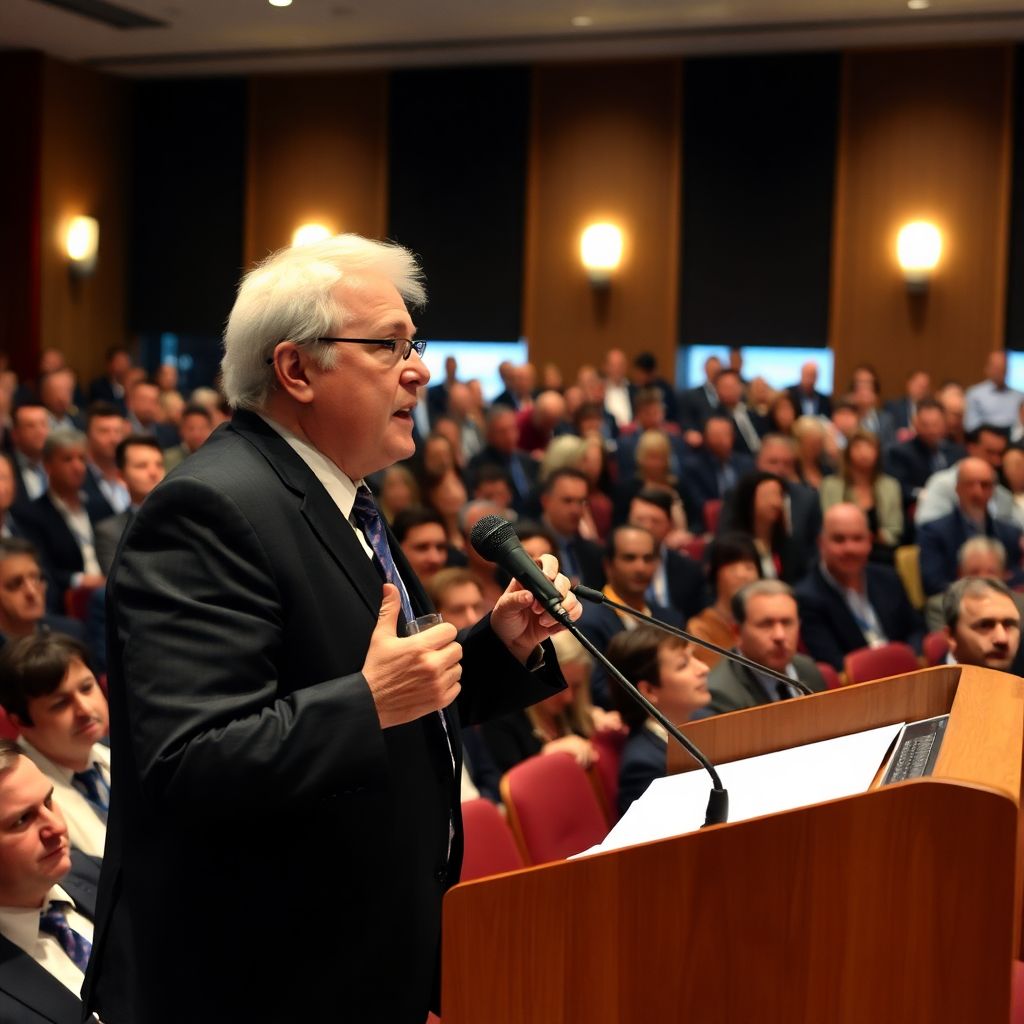
Mayor of Hannover criticizes Infantino over World Cup commercial plans
Hannover’s mayor Belit Onay has openly criticized FIFA president Gianni Infantino, accusing him of pushing football further away from ordinary people through excessive commercialisation. Speaking at a local event in the city, Onay combined strong support for Hannover 96 with a sharp warning about the direction global football is taking under Infantino’s leadership.
During his speech, Onay underlined how important sport is for the city’s social and cultural life, stressing that football is more than entertainment: it is a shared experience that brings residents together. He highlighted the role of Hannover 96, currently competing in Germany’s 2. Bundesliga, in shaping local identity and strengthening community ties.
Onay made it clear that the city administration stands firmly behind the club. He stated that, whenever needed, he is ready to provide all possible support within the municipality’s means to help Hannover 96 grow and succeed. According to him, a vibrant football scene animates the city, boosts local pride and has a positive effect on the urban economy, particularly on match days.
The mayor described the atmosphere at the stadium as a barometer of the city’s mood. “When the stadium is full and we win the match, we are happy,” he said, summing up how results on the pitch can lift the spirits of an entire region. He added that football stadiums are places where people of different backgrounds come together and feel part of something larger than themselves.
Looking ahead, Onay openly expressed his hope that Hannover 96 will achieve promotion to the Bundesliga in the near future. He called such a success “a great joy” not only for fans but for the whole city, pointing out the sporting, economic and symbolic impact that a return to the top tier of German football would have.
To underline the city’s readiness for success, the mayor announced that, if Hannover 96 reaches the Bundesliga, the city hall will be fully prepared as the central venue for celebrations. In his view, the team’s potential promotion deserves to be marked in a way that reflects its importance to the citizens of Hannover. The town hall square, he suggested, could once again become a sea of red and white, just as it has during past football milestones.
After addressing local football matters, Onay turned his attention to global issues and directly challenged Gianni Infantino’s vision for the sport. He argued that football urgently needs “character, soul, people and accessibility” – values he believes are at risk when commercial interests dominate every decision.
The mayor focused in particular on Infantino’s plans to sell World Cup commercial rights in a way that, in his opinion, prioritizes profit over heritage. Onay warned that such strategies could damage the World Cup’s brand in the long term and steer football toward a form of commercialisation that is neither healthy nor sustainable. According to him, when tournaments become primarily marketing platforms, they inevitably lose part of their emotional and cultural power.
“The path being taken is wrong,” Onay said, criticizing the overall direction of FIFA’s policies. He argued that the current plans “move football away from people,” transforming what was once a simple, accessible game into a product increasingly controlled by global corporations and large sponsors. For him, the risk is clear: fans gradually feel less involved, less represented and more like customers than participants.
Belit Onay, 45, has been serving as mayor of Hannover since 22 November 2019, and his comments reflect a wider debate in German football about the balance between tradition and business. Many clubs and local leaders in Germany see themselves as guardians of a fan culture based on affordability, standing terraces and democratic participation through member-owned structures. In this context, his criticism of Infantino fits into a broader resistance to the unchecked commercialisation of the global game.
From Onay’s perspective, local and international football are tightly connected. What happens at FIFA level, he suggested, ultimately affects clubs like Hannover 96 and their supporters. If the World Cup and other major competitions become too expensive or distant, younger generations might lose their emotional connection to football altogether, which would eventually hurt grassroots clubs, city communities and local leagues.
He also hinted that sustainable development of football should start from the bottom: youth academies, community pitches and local clubs that give children a place to play and dream. When resources and attention are overwhelmingly directed to mega-events and global marketing deals, there is a danger that the foundations of the sport will be neglected. Onay argued that investing in neighbourhood football and keeping ticket prices accessible can do more for the future of the game than any new commercial format.
Another aspect the mayor implicitly raised is the role of public institutions. Cities like Hannover often provide infrastructure, security and transport services related to football matches, yet they have little influence over decisions taken by international bodies. Onay’s remarks can be read as a call for greater consideration of municipal interests and fan perspectives when global football policies are shaped.
He also stressed the symbolic link between a city and its club. Hannover 96, he suggested, is a kind of “ambassador” of the city. When the team plays well, Hannover benefits from increased visibility and a stronger image in Germany and abroad. This deeper relationship, he implied, cannot be captured on a balance sheet and should therefore be protected from purely commercial logic.
Onay’s critique of Infantino also touches on the question of who football really belongs to. In his view, the sport should remain accessible to workers, families, students and children – not be turned into a luxury entertainment product reserved for those who can afford high ticket and subscription prices. Keeping football close to the people means, in practical terms, ensuring that live matches remain affordable, that free-to-air coverage does not disappear entirely and that fan voices are heard in decision-making processes.
At the same time, he acknowledged that professional football needs income to function and to compete on the international stage. The key, he suggested, is finding a balance: commercial partners and sponsors are necessary, but they should not dictate every aspect of the game. For Onay, safeguarding the game’s soul means placing sporting integrity and supporter experience above maximum short-term profit.
Finally, the mayor reiterated that Hannover can serve as a positive example of how a city and a club can work together. By backing Hannover 96 in a responsible way and promoting inclusive sporting projects, the municipality hopes to show that football can thrive without losing its human dimension. His criticism of Infantino is therefore not only a rejection of certain plans, but also an appeal to rethink football’s future so that it remains a game for everyone, in Hannover and around the world.