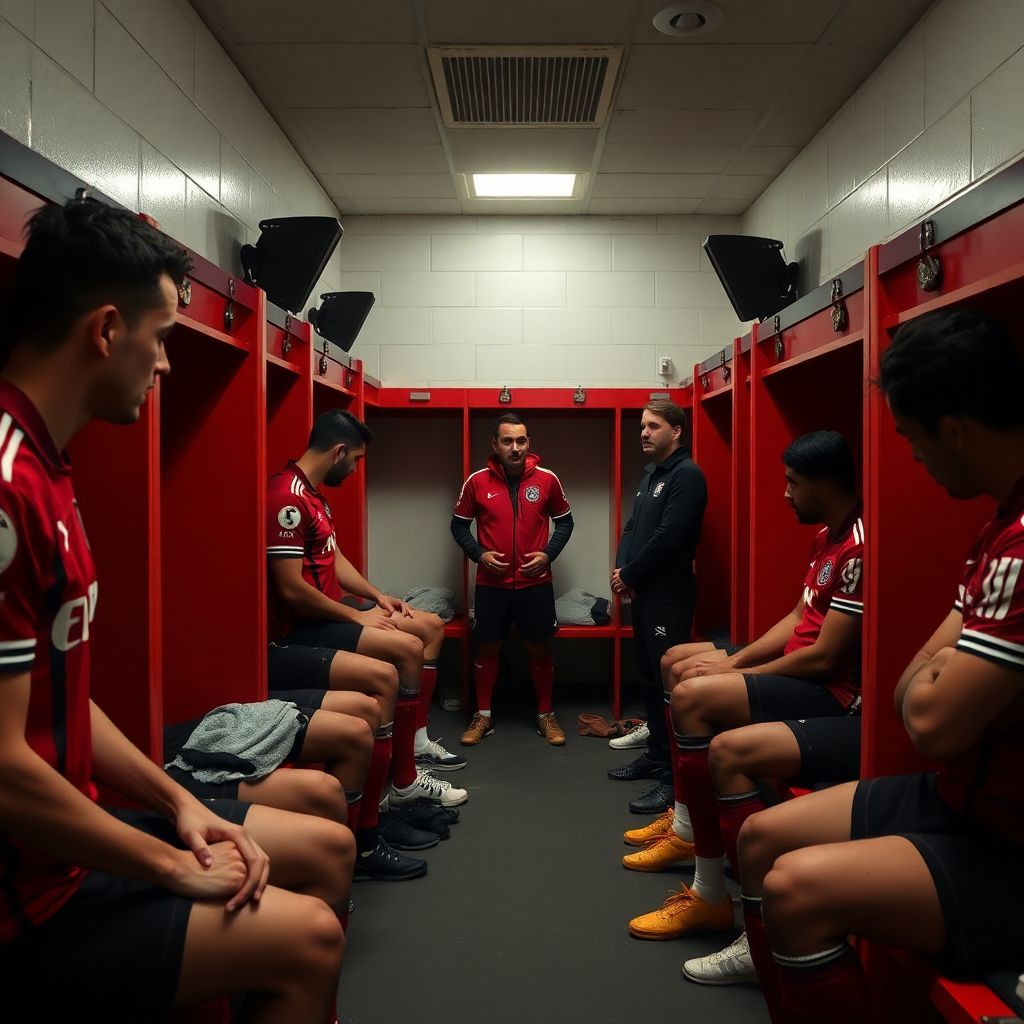
The atmosphere in an Istanbul derby dressing room is uniquely intense because emotion, history and tactics collide in a very tight space, yet must stay under control. Clear hierarchy, rehearsed routines and strict behaviour rules keep players focused and safe while pressure from fans, media and club history amplifies every word, gesture and silence.
Core elements shaping the dressing-room atmosphere
- Emotion is high, but carefully channelled through routines, rules and leadership.
- Club history and city politics quietly shape how players talk, joke and even sit.
- Coaches separate tactical focus from raw motivation to avoid emotional overload.
- Leaders manage conflict early so tension does not explode before kick-off.
- Media, fans and even people searching Istanbul derby tickets influence the mood indirectly.
- Small signals – tone of voice, chants, music, eye contact – reveal the true emotional temperature.
Debunking myths about locker-room intensity in Istanbul derbies
The dressing room of a Galatasaray-Fenerbahce or Besiktas derby is often imagined as a chaotic cauldron where players scream, smash lockers and promise revenge. In reality, the most successful teams treat the space as controlled volatility: emotional enough to feel the stakes, calm enough to execute complex tactics.
Another myth is that foreigners need aggressive speeches to understand the rivalry. Modern squads are multinational; coaches use video, quiet one-to-ones and clear rules rather than theatrical shouting. A Brazilian or Scandinavian newcomer rarely learns the depth of the rivalry in a single talk; they absorb it safely over weeks of stories, clips and city life.
There is also a belief that the closer kick-off gets, the louder everything becomes. In top Istanbul clubs, the pattern is usually the opposite. Noise peaks when the squad arrives at the stadium, then narrows into focused silence just before entering the tunnel. The most electric seconds are often wordless: shirts on, last looks exchanged, door opens.
Finally, people buying Istanbul derby tickets or VIP box rental Istanbul derby packages sometimes imagine players obsessing about them specifically. In truth, the dressing-room focus is on tasks and teammates, not individual fans. The safest mindset is narrow: one phase, one duel, one job.
Historical and social forces that harden rivalries off the pitch
The atmosphere does not start at the stadium door; it is built over decades by the city and its people. Several forces quietly load emotional weight into the air before anyone speaks.
- Urban geography and identity. Bosphorus crossings, neighborhoods and club territories turn a Galatasaray Fenerbahce derby into a symbolic bridge between continents. Players feel this through stories from staff, taxi rides and fan encounters, not through lectures.
- Family and generational loyalty. Many club staff, drivers and kit men grew up with a single badge at home. Their everyday comments, not just official club history talks, tell players which games matter most and what defeat feels like in real life.
- Media storytelling. Local newspapers, TV shows and social media amplify every quote all week. Players see thumbnails, headlines and clips on their phones; even if staff try to shield them, the narrative seeps into small conversations and jokes in the dressing room.
- Political and social undertones. Derbies can symbolise class, secular-religious tensions or centre-periphery feelings, even when clubs publicly avoid politics. The safe approach inside the dressing room is to keep language neutral: talk about performance and behaviour, not identity or ideology.
- European spotlight and tourism. Interest in Istanbul football derby travel packages and Galatasaray Fenerbahce derby hospitality packages adds a global gaze. Players know that new audiences are watching; this can lift standards but also increase anxiety if not carefully normalised.
- Painful and glorious past matches. Last-minute goals, tunnel fights and title-deciding derbies live on in staff memories. If coaches replay those moments without context, younger players may feel they must re-enact past aggression. When handled well, history becomes a lesson in discipline, not revenge.
Hierarchy, leadership and pre-match rituals that set the tone
Inside the dressing room, atmosphere is engineered through a clear structure. Everyone knows who talks, when, and about what. This structure is what keeps passion from becoming chaos.
- Coach-centred hierarchy. The head coach decides who may address the group: usually an assistant for set pieces, a fitness coach for warm-up timings, then the coach and one or two senior players. Safe practice is to keep this hierarchy stable across the season, so derbies feel like a familiar routine, not a special circus.
- Captain and leadership group. Captains translate the citys emotional noise into simple messages. They often run short pre-match circles, but the smartest leaders keep words few and concrete: first duels, second balls, body language after mistakes. They avoid provocative speeches that could push teammates towards red cards.
- Rituals around music and silence. Music in Istanbul dressing rooms is usually player-led, but with boundaries: volume controlled, playlists agreed, clear moment when speakers go off. The cut from music to silence is a powerful cue for focus. Overly aggressive tracks right before kick-off can spike adrenaline beyond what is useful.
- Personal routines and superstitions. Taping the same way, entering the pitch in a certain order, or praying in a corner gives players psychological safety. Staff make room for this, as long as it does not delay timings or exclude others. When tensions rise, coaches may gently limit rituals that block space or create cliques.
- Controlled contact with outsiders. Family visits, club executives, sponsors tied to Istanbul derby tickets or VIP clients are usually kept away from the dressing room on matchday. Safe policy is single entry and exit: staff and players only. Emotional pleas or special guest speeches are rare and carefully time-limited.
- Post-warm-up reset. After returning from the pitch warm-up, the rhythm often changes: kit adjustments, last medical checks, quick tactical reminders. Leaders ensure this period does not turn into complaint time about the pitch, referee or fans, which can drain focus before kick-off.
Tactical briefing, motivational talk and emotional engineering
Derby atmospheres become dangerous when motivation overwhelms clarity. The most effective Istanbul dressing rooms separate thinking and feeling into distinct, planned segments.
Structured advantages when things are done well
- Clear mental model of the match. Short, repeated tactical cues – first press, rest defence, set-piece assignments – give players an anchor when noise and pressure peak.
- Aligned emotional level. Not everyone needs to be at maximum fire. Calm passers, aggressive ball-winners and vocal leaders each tune to their ideal state instead of one-volume-fits-all hype.
- Resilience to early chaos. If a red card, penalty or flare delay happens, a prepared group reverts to pre-set plans and keywords agreed in the dressing room instead of arguing or panicking.
- Reduced disciplinary risk. Clear behavioural lines – no reactions after the whistle, no discussion with assistant referees – are rehearsed as strictly as pressing triggers.
Built-in limits and common pitfalls
- Too much information. Adding new tactical wrinkles only for the derby can overload players. Safe practice is to adjust emphasis, not redesign the game plan in the final talk.
- Over-emotional speeches. Showing provocative clips, replaying fights from old derbies or reading hostile headlines can hijack rational thinking. The dressing room should prepare for hostility, not relive it.
- Ignoring individual needs. Some players need quiet corners rather than group huddles. Forcing everyone into the same hype level can harm concentration, especially for goalkeepers and playmakers.
- Unplanned staff interventions. Extra voices – presidents, former legends, sponsors linked to Galatasaray Fenerbahce derby hospitality packages – tend to appear before big games. Without time limits, these visits cut into warm-up, nutrition and mental preparation.
- No de-escalation plan. If a player arrives angry from the bus or from social media, staff must have a simple routine: private chat, breathing, maybe a role tweak. Hoping the atmosphere will fix him is risky.
External levers: fans, media narratives and political undertones
What happens outside the dressing room door strongly shapes the inside climate, but only some of it can be managed. Recognising what is controllable keeps the space safe and useful.
- Fan choreography and noise levels. Smoke, banners and chants on arrival can be thrilling or intimidating. Staff should prepare players by simulating noise in training and explaining entry routines, instead of relying on spontaneous bravery.
- Ticket and hospitality narrative. Discussions around buy tickets for Istanbul derby match, corporate hospitality and VIP box rental Istanbul derby deals can create a feeling that the club is monetising passion. Inside the dressing room, leaders refocus attention on team goals, not marketing stories.
- Media storylines. Tabloids may frame the match as war, revenge or judgement day. If coaches repeat this language, it legitimises reckless tackles. Safer framing is technical: duels, distances, tempo, decision-making under pressure.
- Social media provocation. Player posts and influencer comments can inflame emotions hours before kick-off. Teams often set simple rules: no posts on matchday, limited phone use after arrival, no replies to rival fans.
- Subtle political symbolism. Flags, slogans or guest visits by political figures can shift the meaning of the match. Clubs usually keep this outside the dressing room; if it enters, staff must steer conversation back to respect and football behaviour.
- Expectations from travelling supporters. For away derbies, knowledge that fans spent heavily on Istanbul football derby travel packages can create a sense of obligation. The safe message inside is not we must or else, but we will show them our best professional standards.
Observable micro‑behaviors: language, gestures and acoustic signatures
The real temperature of a derby dressing room is in the details. You can read the atmosphere by paying attention to who talks, how they move and what kinds of sounds fill the gaps.
Consider this simplified mini-scenario from a high-stakes Istanbul derby:
- Squad walks in from warm-up: noise high, breathing heavy, some jokes about rival players or the pitch.
- Kit man and physios move quickly, almost wordless; this non-verbal urgency signals that time is short and reduces space for random chatter.
- Assistant coach gives a two-minute, clipped tactical reminder – three key points, repeated twice – while the head coach watches body language, not slides.
- Captain gathers the team briefly; language is specific and safe: strong first ten minutes, smart fouls, help the referee by walking away from conflict.
- Music stops; a ten-second silence follows. Players adjust shin pads and boots, some pray, some visualise their first action.
- As they line up at the tunnel door, only short cues remain: names, pats on the back, eye contact. Any player still talking loudly about fans or media is gently pulled back by a teammate.
This kind of choreography does not happen by accident. It is built across the season, then slightly tightened for the derby. The unique Istanbul flavour comes from the history outside; the safety and effectiveness come from disciplined routines inside.
Practical coach and player concerns about derby preparation
How emotional should a coach be in the final dressing-room talk?
Enough to show that the match matters, not so much that players forget their roles. A short burst of emotion after a clear tactical recap is usually safer than a long, fiery speech that overwrites key instructions.
How can a club protect players from media and ticket pressure before a derby?
Set simple rules: limited media duties, no last-minute interviews, no involvement in Istanbul derby tickets promotions close to matchday. Communication staff should buffer players from commercial messages so the dressing room stays football-focused.
What is the safest way to introduce newcomers to the Istanbul rivalry?
Use short video clips, calm staff explanations and one-on-one chats with senior players over time. Avoid shocking them with violent past incidents on the eve of a big match; focus instead on atmosphere, pride and behavioural expectations.
How do leaders stop team-mates from overreacting to provocation?
Agree on clear codes in advance: who speaks to the referee, who pulls players away from confrontations, which keywords mean step back. Then repeat these in the dressing room so they are fresh under pressure.
Should family and friends visit the dressing room before a derby?
Generally no. It is safer to keep the space restricted to players and staff from arrival until full-time. Emotional family conversations are better handled at home or in dedicated hospitality areas, not next to tactical boards.
How can goalkeepers and playmakers keep calm when others are hyped?
They can be given explicit permission to seek quiet corners, breathing routines or focused technical warm-up while others use louder rituals. The coach should publicly support different preparation styles so they are respected.
What can be done if a player arrives angry from social media or past incidents?
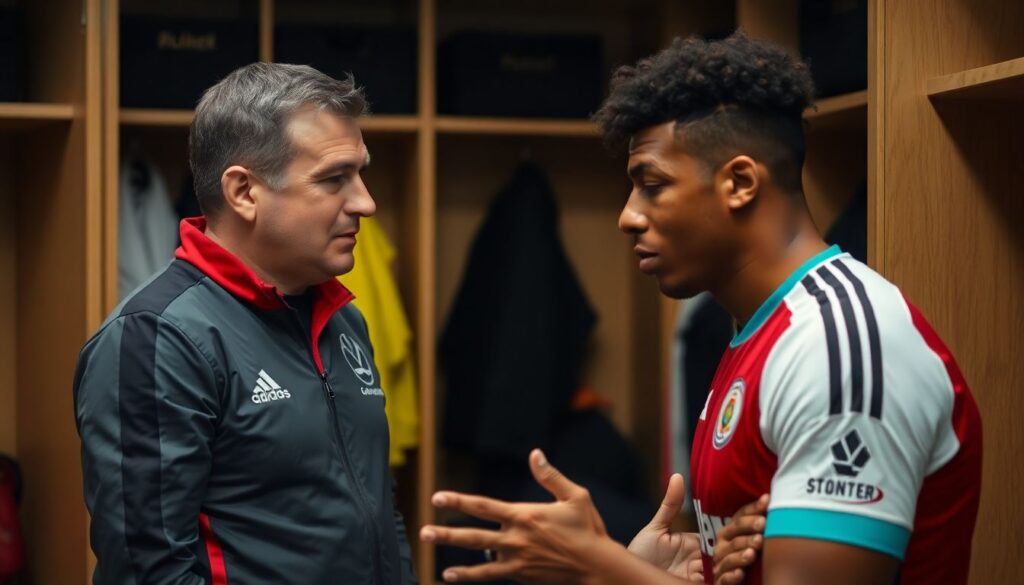
Address it early and privately: short meeting with coach or psychologist, breathing reset, maybe a role emphasis that channels aggression into clear tasks. Ignoring it and hoping the group atmosphere will fix everything is risky in a derby context.