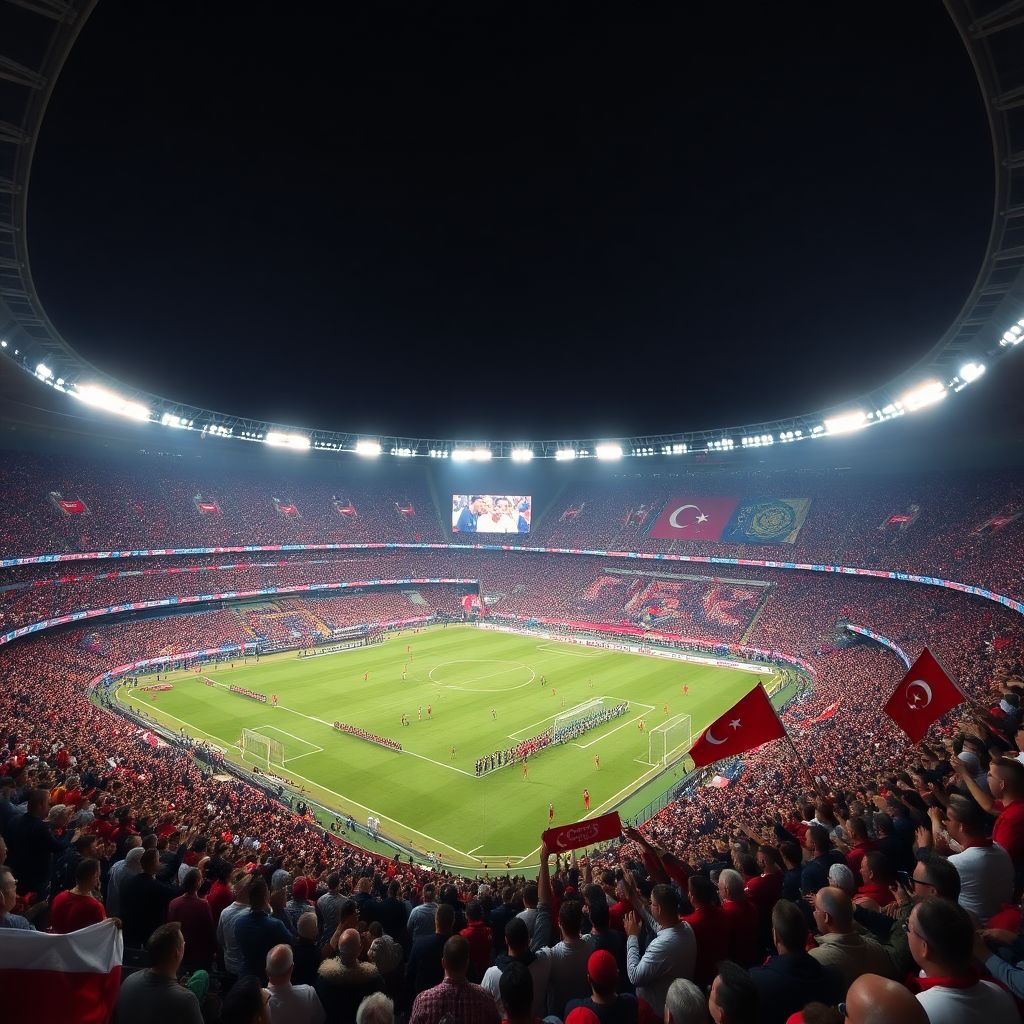
Iconic European nights of Turkish clubs are high-stakes matches where Galatasaray, Fenerbahce, Besiktas and others outperformed expectations on the continental stage. These games mix clever tactics, intense atmosphere and psychological resilience. Understanding their patterns helps compare strategic approaches by ease of execution and risk: home fortresses, comebacks, giant-killings and narrow-margin deciders.
Pivotal nights that changed Turkish clubs’ European standing
- Galatasaray’s UEFA Cup triumph showed Turkish teams can win major European trophies, not only cause upsets.
- Comeback wins away from home proved Turkish sides could control emotion and game tempo without their own crowd.
- Penalty shootouts and late goals highlighted the psychological volatility and risk of playing for margins.
- Home fortress evenings underlined how the crowd can be an asset but also a tactical trap if misused.
- Giant-killing results redefined how European opponents prepare for trips to Turkey.
- Long knockout runs reshaped seasons, affected league form and changed transfer and coaching decisions.
Galatasaray’s UEFA Cup triumph – the night Turkey won a major European trophy
Galatasaray’s UEFA Cup win in 2000 is usually the starting point when people discuss Galatasaray greatest European nights highlights. It was the first time a Turkish club lifted a major European trophy, changing how Turkish clubs in UEFA Champions League history and other competitions were perceived across the continent.
From a definition viewpoint, this night represents more than a single match. It is a complete campaign: disciplined defending, controlled midfield play, and calculated risk-taking against higher-ranked opponents. Instead of relying only on the famous Istanbul atmosphere, Galatasaray proved they could implement a repeatable tactical model home and away.
In terms of implementation, this approach is demanding but relatively low-risk once internalized. The team played compact, accepted long periods without the ball and focused on transitions. The main risk was physical and mental fatigue over many games. Still, compared with one-off giant-killing attempts, this model is easier to systematize in training and recruitment.
- Tactical takeaway: Structured, compact football with clear roles is more sustainable than emotional, chaotic attacking.
- Emotional highlight: The moment the trophy was lifted symbolized a shift from underdog to proven winner for Turkish football.
- Long-term impact: Raised expectations for all Turkish clubs in Europe and influenced domestic tactical trends toward greater organization.
Memorable comebacks on the road – away performances that stunned opponents
Some of the best European matches of Turkish football clubs are away comebacks, where the team survives pressure, then flips the match with brave changes. These nights are tactically complex because the side must balance staying in the tie with taking late risks.
- Controlled first hour, risky final half-hour: Many memorable comebacks start with conservative defending, then shift to aggressive pressing and more forwards once the home team relaxes. Implementation is medium difficulty: players must understand game states and accept that the match plan can radically change mid-game.
- Substitution-driven turnarounds: Coaches use fresh attackers and pace in wide areas to exploit tired full-backs. The risk is high: if the subs do not adapt quickly or the structure collapses, the team can concede the decisive goal instead of scoring it.
- Set-piece exploitation: Away comebacks often rely on well-drilled corners and free-kicks, where a single goal changes everything. This approach is easier to train but risky if you over-rely on dead balls and neglect open-play creativity.
- Psychological resilience under hostile crowds: Turkish teams, used to intense atmospheres at home, sometimes manage hostile European crowds better than expected. This relative comfort helps, but the risk is disciplinary: emotional players may react badly to provocation or refereeing decisions.
- Game management after turning the score: The hardest part is defending the comeback. Shifting from chase mode to control mode demands high football IQ; if not managed, teams can concede again immediately after scoring.
- Tactical takeaway: Build flexible game plans with pre-agreed triggers for when to switch from passive to aggressive modes.
- Emotional highlight: The shock in the stadium when an away goal silences a confident home crowd defines these nights.
- Long-term impact: Successful comebacks increase belief that Turkish sides can travel and still dictate decisive phases of big ties.
Penalty shootouts and last-minute deciders – matches won (and lost) on margins
Many iconic European games of Turkish clubs have been decided by penalties or goals in the final minutes. These scenarios are attractive because they seem dramatic and romantic, but from a coaching perspective they are high-risk, low-control ways to decide ties.
- Deliberate play for penalties: Some teams prefer to protect a narrow lead or draw and take their chances from the spot. Implementation is simple – defend compactly – but risk is extreme because penalties are highly variable and depend on keeper form and player nerve.
- Last-minute high press: Another approach is to throw players forward in the final minutes. It is easy to instruct (“everyone forward”), but structurally dangerous: if the press is broken, a counterattack can end the tie.
- Targeted substitutions for shootouts: Bringing on penalty specialists or tall defenders late in extra time is more nuanced. It requires good data and trust. The risk is that these players may not touch the ball in open play yet carry huge responsibility in the shootout.
- Time-wasting and rhythm disruption: When leading, some sides slow the game to reach full time without conceding. It is easy to apply but can backfire with added stoppage time and referees turning against perceived gamesmanship.
- Emotional volatility: Penalty shootouts magnify pressure. Turkish squads, with intense media and fan scrutiny, can either thrive or collapse here. Relying on this route repeatedly is strategically unsafe.
- Tactical takeaway: Use penalties as a last resort, not as a central strategy; prioritize creating chances earlier.
- Emotional highlight: The image of a goalkeeper making the decisive save or a captain scoring the final kick lives in club folklore.
- Long-term impact: Outcomes of these marginal nights influence narratives about mentality more than they reflect consistent tactical quality.
Home fortress evenings – how crowd and stadium tilted European ties
Home legs in Turkey are famous for intense atmospheres and intimidating noise, central to the stories of Fenerbahce unforgettable European matches and Besiktas iconic European games history. Turn stadiums into fortresses, however, is not only about passion; it is a controllable strategy with clear benefits and limitations.
Strategic strengths of turning home into a fortress
- Energy boost for pressing: Crowds reward aggressive pressing and duels, encouraging players to sustain high intensity longer than usual.
- Referee influence on 50-50 calls: Consistent noise and reaction can subtly tilt marginal decisions, especially in earlier minutes.
- Psychological pressure on visitors: Many visiting players are unused to the level of hostility, leading to rushed decisions and errors.
- Simpler tactical messaging: Coaches can frame home legs around clear concepts: fast starts, wide attacks, and early shots to feed the crowd.
Limitations and hidden risks of the fortress model
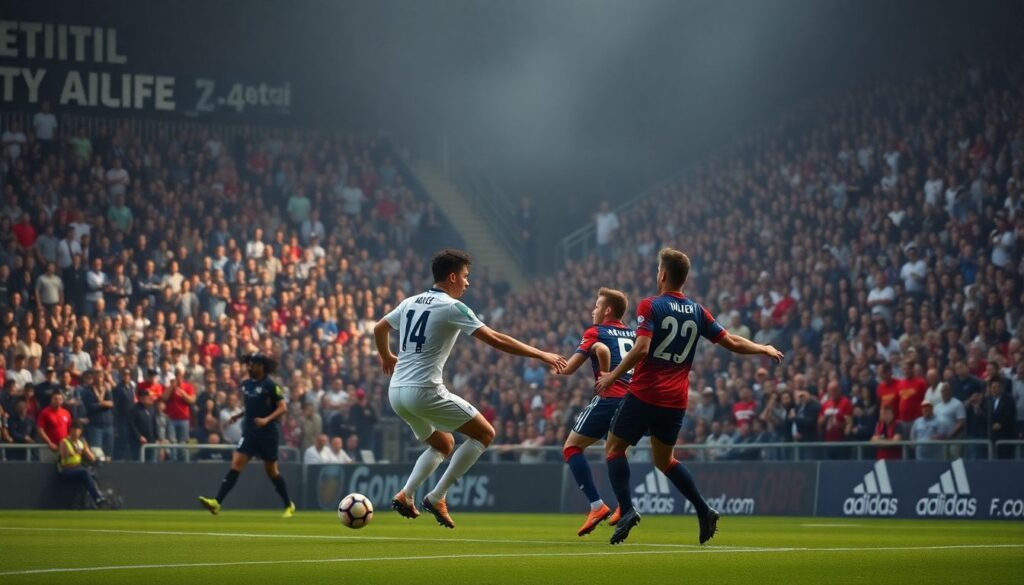
- Over-commitment in attack: Trying to score early for the fans, teams may stretch their shape and become easy to counter.
- Crowd impatience: If a goal does not come quickly, tension can flip and begin to stress the home players.
- Incompatibility with long campaigns: Constant emotional peaks at home make it harder to maintain balance in league matches and away legs.
- Predictability for analysts: European opponents now study Turkish home patterns and prepare to absorb early storms, reducing the surprise factor.
- Tactical takeaway: Use the crowd to support a clear game plan, not to justify uncontrolled attacking football.
- Emotional highlight: Choreographies, songs and synchronized pressure on opponents create nights players remember for a lifetime.
- Long-term impact: A strong home identity draws signings and builds club branding, but must be balanced with away consistency.
Giant-killing fixtures – when Turkish teams upset Europe’s elite
Some of the best European matches of Turkish football clubs are giant-killings: beating top-ranked European giants in single ties or groups. These nights shape global perception quickly, yet they often come with misunderstandings about what made them possible and how repeatable they are.
- Myth: Pure passion beats superior squads. Reality: Upsets usually mix intense motivation with specific tactical plans, such as low blocks, targeted pressing on a weak build-up player, or focused set-piece routines.
- Myth: The same approach works every season. Opponents adapt. Trying to copy the exact strategy from a famous win without updating to current players and rivals is risky and often ineffective.
- Myth: Giant-killing proves a club can instantly compete at elite level. A single night does not guarantee a deep run. Building depth, maintaining fitness and managing expectations are much harder than executing one perfect plan.
- Error: Over-rotating the squad next league game. After big upsets, coaches sometimes rest too many players domestically, creating negative league runs that harm long-term growth.
- Error: Tactical overconfidence. Believing that beating one giant means the team must now always dominate possession can lead to abandoning strengths like compact defending and counter-attacks.
- Tactical takeaway: Treat giant-killing plans as situational tools, not permanent identities.
- Emotional highlight: These wins redefine relationships between fans and clubs, especially when global powers fall in Istanbul.
- Long-term impact: Upsets attract attention, sponsors and better players, but expectations must be managed to avoid backlash in quieter seasons.
Runs that reshaped seasons – knockout nights that defined campaigns
Beyond single fixtures, some European campaigns by Turkish clubs consist of a series of knockout nights that collectively reshape seasons. For analysts of Turkish clubs in UEFA Champions League history and other European tournaments, these runs show how cumulative risk and implementation difficulty change from round to round.
A simplified way to think about a deep European run looks like this pseudo-logic:
Round of 32: Prioritize defensive stability & set-pieces
Round of 16: Introduce selective pressing triggers
Quarter-final: Rotate smartly to protect league objectives
Semi-final: Accept higher risk to chase historic payoff
Final: Minimize experimentation, trust well-rehearsed patterns
Each step raises the pressure. At early stages, conservative, easier-to-execute game plans dominate; the main risk is underestimating lesser-known opponents. Closer to the final, opponents are stronger, so Turkish teams must choose between increasing complexity (hard to implement under stress) or doubling down on simple, rehearsed patterns that everyone understands.
- Tactical takeaway: Plan European campaigns as sequences, not isolated games, adjusting risk and complexity as the rounds progress.
- Emotional highlight: The moment players and fans realize that a run has gone from surprise to realistic shot at history changes the club’s internal belief.
- Long-term impact: Deep runs can redefine club budgets, league priorities and even stadium expansion plans for years.
Self-checklist: understanding iconic European nights of Turkish clubs
- Can you explain how different match types (home fortress, away comeback, giant-killing) balance ease of execution and risk?
- Do you see why structured campaigns are more sustainable than relying on last-minute deciders?
- Can you separate emotional narratives from repeatable tactical patterns in famous matches?
- Do you understand how European runs influence domestic form and long-term club planning?
Common clarifications about these iconic European nights
Are iconic European nights only about winning trophies?
No. While winning a trophy like Galatasaray’s UEFA Cup is the peak, iconic nights also include dramatic wins, brave comebacks and even narrow defeats that changed how Turkish clubs are respected in Europe.
Which Turkish clubs have the most memorable European performances?
Galatasaray, Fenerbahce and Besiktas dominate discussions because they have longer European histories, but other Turkish clubs have also produced standout matches that fit into the broader story of Turkish football in Europe.
How do these nights affect domestic league performance?
Emotionally and physically, European nights are draining. Without careful rotation and planning, deep runs can lead to dropped points in the league, even when European results are excellent.
Is the home atmosphere still a big advantage in modern European football?
Yes, but less than before. Opponents prepare better for Turkish stadiums now, yet smart coaches can still transform crowd energy into a real tactical advantage rather than pure emotion.
Can the same tactical plan work for every European opponent?
Rarely. The most successful Turkish teams in Europe adjust details from match to match, keeping a clear identity while tailoring pressing, build-up and defensive lines to each rival’s weaknesses.
Why are penalty shootouts considered such a risky strategy?
Because they depend heavily on momentary psychological states and small technical margins. Over many seasons, relying on shootouts tends to produce inconsistent outcomes compared with creating chances in open play.
Do giant-killing wins usually lead to long European runs?
Not automatically. A one-off upset is very different from sustaining performance across several rounds, which requires depth, experience and the ability to manage both league and European schedules.