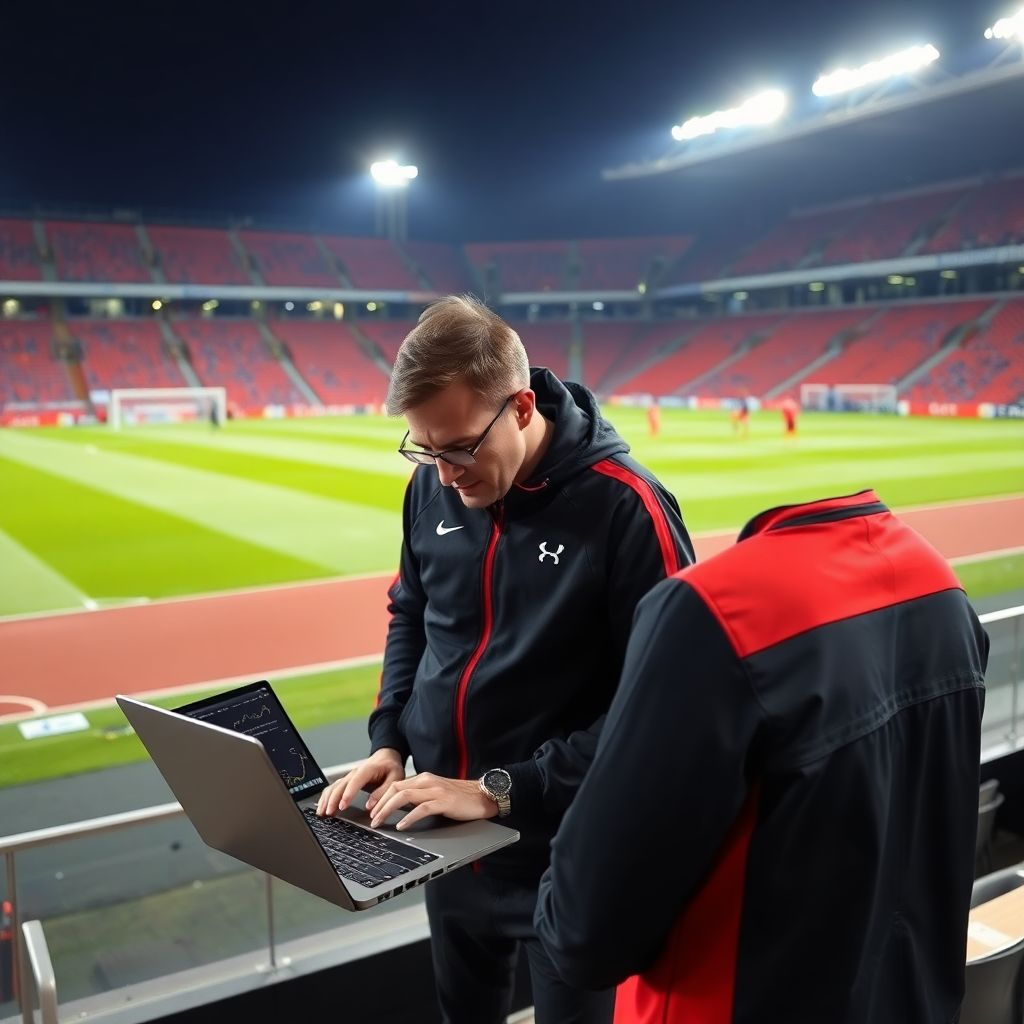
Turkish coaches can adapt to modern football analytics by starting small: define 3-5 core metrics, standardise video tagging, and link every number to a clear tactical principle. Use simple reports in Turkish, focus on Süper Lig-relevant patterns, and keep workflows realistic for staff size, budget, and player education levels.
Operational summary for immediate implementation
- Pick one game model focus for this month (for example, high press or fast transitions) and track only 3-5 supporting metrics.
- Use basic video tools plus spreadsheets before investing in advanced sports analytics tools for soccer coaches.
- Schedule one fixed "analytics slot" per week in your training plan (classroom + pitch transfer).
- Translate all data into football language: clips, freeze-frames, and clear coaching cues in Turkish.
- Start with friendly matches for safe A/B testing of data driven football tactics software outputs.
- Review monthly: keep metrics that change behaviour, drop the rest, and adjust workflows to your staff capacity.
Integrating performance analytics into weekly training plans
This approach fits turkish football coaches modern tactics who already have basic video of matches and at least one assistant to help with coding and reporting. It is not ideal if you lack stable match footage, have no time for post-match review, or face players resistant to any "classroom" work.
- Decide weekly tactical focus (for example, defending wide crosses against Süper Lig wing play).
- Choose 3-5 metrics that directly describe this focus (for example, crosses allowed, first contact wins, box clearances).
- Fix a weekly rhythm: match day, review day, unit meetings, pitch session, and re-test in next match.
- Use a simple template: "Metric – Video – Coaching point – Training exercise" for every insight.
- Limit player-facing material to one A4 slide or 5 minutes of clips per line (defence, midfield, attack).
Building a data pipeline: from match footage to actionable metrics
Before thinking about complex football data analysis services for clubs, stabilise your basic pipeline from camera to decision. The goal is a repeatable process that your staff can handle every three days in a tight Turkish schedule, including league and cup matches.
- Secure consistent filming position in your stadium and main training pitch.
- Assign clear roles: who cuts video, who logs events, who prepares reports.
- Standardise naming: same event labels and colour codes across all documents.
- Back up every match: raw video, tagged project, and exported data files.
Typical low-cost pipeline for a Süper Lig or 1. Lig staff:
- Capture: one elevated side-view camera, 1080p, full-pitch coverage.
- Tagging: basic video software with timeline tags for events and formations.
- Storage: organised folder structure by season > competition > match > team.
- Analysis: spreadsheet or free analytics platform for xG, shot maps, and pressing sequences.
- Reporting: short PDF or slide deck in Turkish, plus playlist of 8-15 key clips.
When your workflow is stable, gradually plug in more advanced sports analytics tools for soccer coaches, or integrate external vendors without breaking your internal naming and coding standards.
Translating analytics into tactical adjustments for Turkish competitions
Use this section as a safe, step-by-step method to turn numbers into concrete tactical changes for Turkish domestic matches and European qualifiers. Start with one phase of play and one competition (for example, Süper Lig home games) before expanding to all contexts.
- Clarify which competition you are adjusting for (Süper Lig vs. European away leg).
- Write down the specific tactical problem in simple words before opening any software.
- Check video first, then numbers, to avoid overreacting to small samples.
- Prepare one simple training game that directly rehearses the desired change.
-
Define the tactical question in football language
Frame a clear, narrow question such as "Why are we conceding so many switch-of-play attacks in away Süper Lig matches?" This prevents you from cherry‑picking data and focuses your attention on specific sequences.
-
Collect only the data that answers this question
From your tagging tool or data driven football tactics software, export a limited set of relevant events.
- Example events: switches of play, line-breaking passes, wide 1v1s, final-third entries.
- Filter by competition and venue (for example, Süper Lig away, last five matches).
-
Build a mixed "clips + metrics" storyboard
Create a playlist that alternates between 2-3 clips and one simple slide of metrics. Keep each block focused on one behaviour, such as your back four’s horizontal shifting or the reaction of the holding midfielder.
-
Translate insights into two or three concrete coaching cues
Convert your findings into short, memorable cues you can shout during Süper Lig matches.
- Examples: "Full-back waits until ball travels", "Six covers far half-space on switch".
- Avoid long explanations; keep each cue under six words.
-
Design a training game that exaggerates the problem
Set up a pitch shape that forces your players to live inside the issue you identified.
- For switches: wide channels with bonus points for fast diagonals.
- For pressing: zones where late pressure equals automatic goal for opponent.
-
Test the adjustment in a controlled match context
Use internal 11v11 or a friendly to A/B test: first half old behaviour, second half new cues. Observe without constant coaching to see if players can apply the cues autonomously against a typical Turkish tactical style.
-
Review and lock in the new principle
After the next official match, check whether the targeted behaviours changed. If yes, add the new principle to your game model document; if not, simplify the cue or adjust the training design.
Communicating data-driven insights to players and backroom staff
How you present analytics often matters more than how advanced your models are. In Turkish dressing rooms, clarity, brevity, and cultural fit usually beat complex dashboards. Use this checklist after each report to ensure your message will land.
- Limit staff briefing slides to one page per phase (attack, defence, transitions, set plays).
- Use Turkish football examples: show clips from Süper Lig teams whose style resembles your desired behaviour.
- Translate technical terms from football analytics courses for coaches into everyday language used by your players.
- Give each unit (defenders, midfielders, forwards, goalkeeper) one main action to improve, not five.
- Share a short "story" rather than isolated numbers: what happened, why it matters, what we will do.
- Agree on touchline code words so staff can cue data-backed behaviours during matches without long instructions.
- Send players only essential clips to their phones: 3-5 per player, each with one sentence of feedback.
- Invite feedback from senior players and assistants on whether the information volume is realistic.
Working within budget: low-cost tools and scalable workflows
Many Turkish clubs cannot afford full-time analysts or advanced platforms, but can still run effective, data‑informed processes with smart selection of tools. This checklist highlights frequent mistakes when trying to build analytics on limited budgets.
- Spreading thin across too many subscriptions instead of mastering one or two core tools.
- Paying for complex features while still underusing basic tagging and reporting options.
- Ignoring free or low-cost football analytics courses for coaches that could train existing staff.
- Buying software without testing how it integrates with your current video and storage systems.
- Allowing only one analyst to understand the workflow, creating a single point of failure.
- Over-collecting data that nobody reads, instead of focusing on decisions you actually make each week.
- Relying fully on external football data analysis services for clubs without keeping raw copies of your own data.
- Failing to document naming conventions, folder structures, and deadlines for every step of the pipeline.
Measuring impact: KPIs, A/B testing and iterative tactical evaluation
When you start tracking the impact of analytics on your team, you do not need complicated models. Choose one of these evaluation approaches based on your staff capacity, league context, and match schedule.
- Simple trend-based monitoring – Track a handful of KPIs across 4-6 matches (for example, shots against after turnovers in your half). Suitable for most Süper Lig and 1. Lig staffs with minimal analytics support.
- Basic A/B comparison – Compare performance in matches where you used a specific adjustment versus matches without it. Works well when testing new set-play routines or pressing triggers using affordable data driven football tactics software.
- Micro-KPIs for training – Measure behaviour inside training games (for example, successful pressure after a bad touch) to see if your tactical ideas are transferring from meeting room to pitch.
- External benchmarking – Use league-wide data or external sports analytics tools for soccer coaches to compare your style and effectiveness against clubs with a similar budget and squad profile in Turkey.
Answers to recurring coach concerns
Do I need a full-time analyst to start using data in my Turkish club?
No. One coach with basic video skills and a clear workflow can deliver meaningful insights. Start with simple tagging and spreadsheets, then scale to dedicated analysts when the board sees on-pitch benefits.
Which competitions should I prioritise for analytics in a congested Turkish calendar?
Prioritise the league (for example, Süper Lig) and any decisive cup ties. Use friendlies and pre-season to experiment with new metrics and workflows before applying them in high-pressure matches.
How can I convince players who do not trust "numbers"?
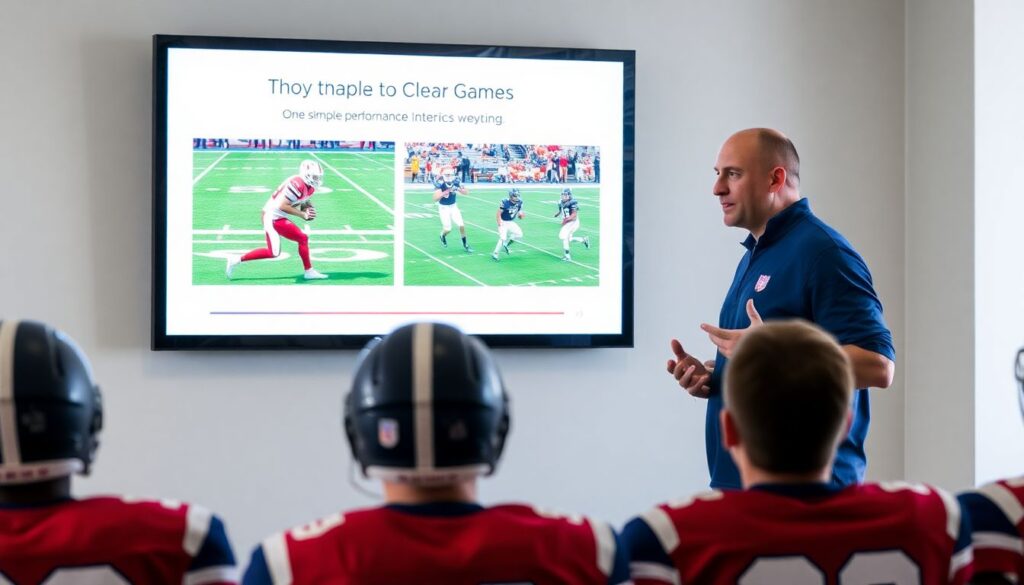
Lead with video, not spreadsheets. Show two or three clear clips, then one simple metric that confirms what they see. Use football language, link each insight to a concrete action, and highlight improvements quickly.
Is it worth paying for external data providers on a small budget?
Only if you already have stable internal processes. External providers add value when you can quickly turn their data into decisions, not when your staff is still learning basic tagging and reporting.
How many metrics should I track per phase of play?
For most staffs, three to five per phase is manageable. More metrics do not automatically mean better decisions; focus on measures directly linked to your game model and weekly tactical questions.
What is a safe first step into analytics for amateur or youth Turkish teams?
Film matches from a stable side view, tag goals, shots, and big chances, then create short clip playlists for each unit. This alone can significantly improve learning without any expensive software.
How do I choose between different analytics tools and software?
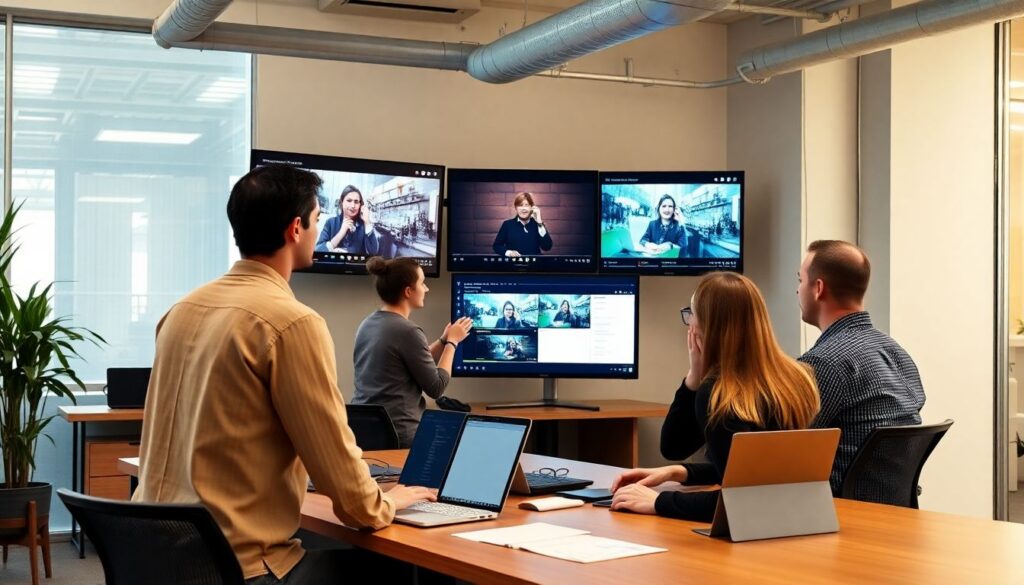
Test each option on one full match with your own footage. Evaluate tagging speed, report clarity, Turkish language support, and how well it fits your existing hardware and staff skills before signing contracts.