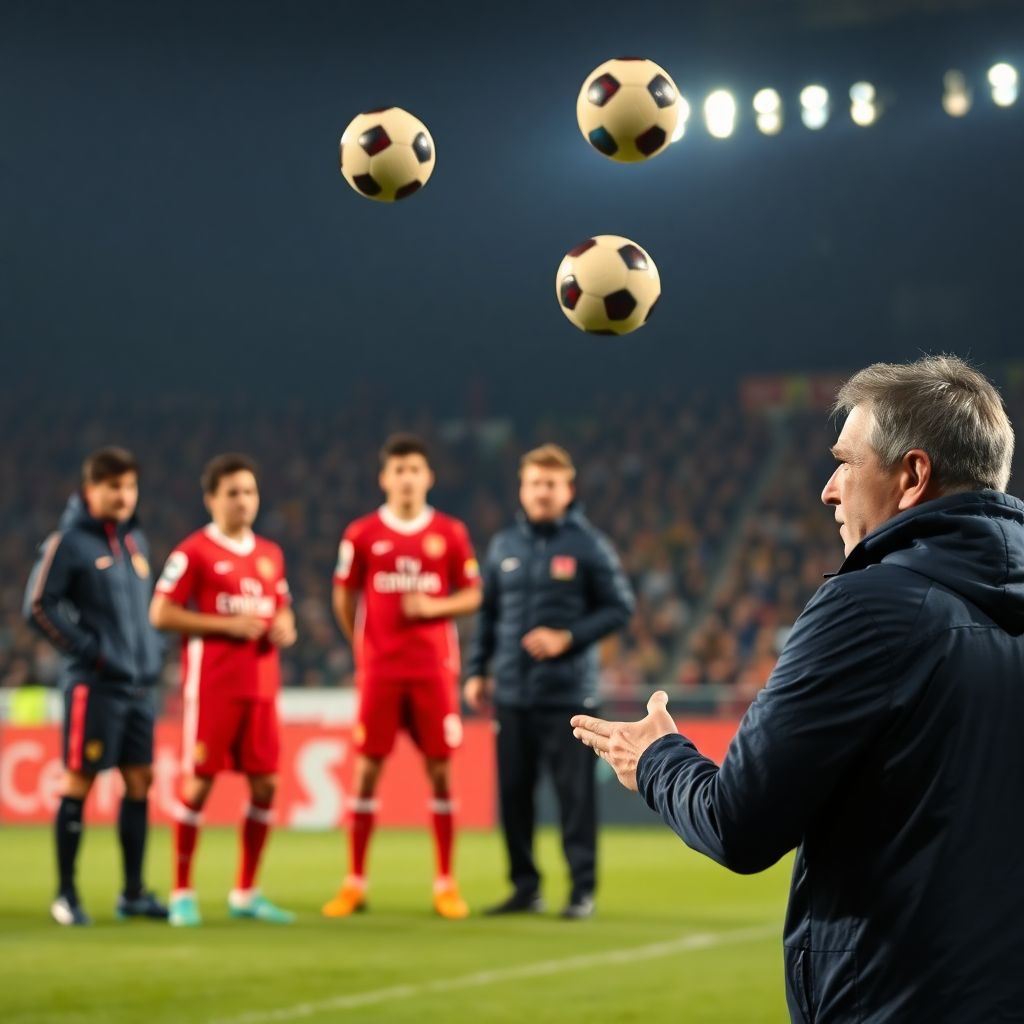
Foreign player limits in Turkey shift minutes, money and tactical trust between imported experience and local potential. Used well, quotas can open protected space for Turkish youngsters; used badly, they can trap prospects on benches or in weak loans. Understanding rules, incentives and safe development steps is essential for sustainable progress.
Core impacts on youth progression
- Foreign quotas directly affect how many competitive minutes Turkish prospects receive at Super Lig level.
- Club pathway design (U19, reserve, loans) often adapts around the quota, with mixed results.
- Coaches may prioritise short‑term foreign experience over risky youth integration.
- Financial structures can favour foreign transfers instead of academy investment.
- Regulation details and loopholes strongly influence behaviour more than headline numbers.
- National team depth depends on converting youth minutes into stable senior roles.
Playing time dynamics: how quotas shift minutes for Turkish prospects
When people want the turkish super lig foreign player rule explained, the first thing to highlight is that it is not only about how many foreigners are registered. It is about where they play on the pitch, in which positions, and at what ages they block or accelerate Turkish youngsters.
Foreign player limits shape playing time in three main ways. First, when the cap is tight, coaches often choose foreign players only for key roles (striker, playmaker, centre‑back), leaving flanks or full‑backs for domestic options. That can create narrow pathways: some positions get minutes for Turkish youth, others remain almost closed.
Second, when the cap is relatively loose, foreign players can occupy most starting spots. In that case, the impact of foreign player limits on Turkish youth development can even be negative: instead of protection, the rule becomes a formality, and youngsters receive only late substitute minutes or low‑pressure cup games.
Third, the interaction between limits and age matters. If foreign players dominate prime‑age roles, Turkish youngsters often need to leave on loan to lower divisions or abroad. This can be a safe step when the loan club guarantees role clarity and playing time, but it becomes a risk when loans are last‑minute, without a clear development plan.
For clubs, the safe approach is to map the squad by position and age: identify at least two positions where a Turkish youngster is planned as first or second choice, with a realistic route to 800-1500 senior minutes per season, instead of relying on accidental opportunities caused by injuries or suspensions.
Youth and reserve system responses: pathway restructuring and competitive gaps
A careful analysis of foreign player quota in turkish football shows that rules push clubs to redesign their pathways rather than simply change one or two contracts. Effective systems usually react along several dimensions.
- Structured stepping stones. Clubs define a clear ladder: U17 → U19 → reserve or strong TFF loan → rotation role in first team. Each stage has expected minutes and performance benchmarks linked to the quota reality.
- Position‑specific pipelines. If foreigners are concentrated in attacking roles, academies may overproduce wingers and strikers without realistic first‑team openings. Smarter clubs deliberately develop Turkish centre‑backs, deep midfielders and goalkeepers to fill quota‑sensitive roles.
- Competitive reserve environment. Where reserve leagues are weak, a youngster can dominate without being ready for Super Lig tempo. Safe planning adds regular friendlies against stronger opposition or targeted loans with clear development goals.
- Loan network and tracking. Under foreign player restrictions, more prospects leave on loan. Without structured monitoring (data, video, feedback from loan clubs), those loans become a parking space instead of a development step.
- Contract and pathway alignment. Long contracts for foreign players in a youngster’s main position can quietly block a whole age group. Academy planning needs to be coordinated with senior recruitment so that paths open at predictable times.
- Psychological support. When young Turks see foreigners starting ahead of them, frustration and loss of confidence are common. Regular communication about individual plans, plus mental skills coaching, lowers the risk of early stagnation or transfers for the wrong reasons.
Coaching focus and tactical development under foreign-heavy rosters
Coaches operating under generous foreign quotas often unconsciously shift their focus: tactical complexity and responsibility cluster around experienced imports, while Turkish youngsters are asked to perform narrow, low‑risk tasks. This slows their development in decision‑making, leadership and creative problem‑solving.
Several common scenarios appear in the Super Lig:
- Foreign core, domestic runners. Foreigners occupy all central lanes (CB, CM, 10, 9). Turkish players run the flanks, press and defend but rarely build play. They progress physically but not as complete footballers.
- Late‑game substitutions. Young Turks enter games at 75-85 minutes to protect a lead or chase a result. The minutes accumulate on paper, yet they rarely touch the ball in high‑responsibility situations.
- Domestic only in back five. To satisfy regulations, coaches field Turkish wing‑backs or one holding midfielder while keeping creative and finishing zones foreign. This limits the number of Turkish players exposed to final‑third decisions.
- Separate training roles. In training, staff design tactical drills around the foreign XI and adapt a lighter version for fringe players. Youngsters learn patterns, but not under the same pressure or with the same tactical demands.
- Risk‑averse survival mindset. Coaches working under job insecurity often feel safer trusting seasoned foreigners. The coach’s own incentives (results, contracts) can be misaligned with the federation’s development goals.
To rebalance this, staff should deliberately assign Turkish youngsters meaningful responsibilities in both training and matches: set‑piece roles, build‑up participation, in‑game leadership tasks. This is a safe adjustment that does not require breaking the foreign quota but accelerates learning for local players.
Economic incentives: transfers, salaries and investment in academy systems
Economic behaviour follows the details of turkey super lig homegrown player regulations 2024 more closely than public statements. Even when everyone agrees youth development is important, budgets move toward whatever is rewarded in the short term.
Financial advantages created by foreign limits
- Market niches for quality Turks. When squads must contain homegrown players, established Turkish starters often enjoy stronger bargaining positions and higher salaries, as they tick both sporting and regulatory boxes.
- Sell‑on potential for well‑developed talents. If a club proves it can develop youngsters into starters despite competition from foreigners, external demand rises and outgoing transfers become a key revenue stream.
- Strategic foreign signings. A few high‑impact foreign players can raise team level and visibility, which indirectly benefits domestic youngsters who train and play with them, learning professional standards.
- Motivation to formalise scouting. When arbitrage opportunities emerge around underpriced Turkish talents, clubs are pushed to professionalise regional and data‑driven scouting.
Constraints and risks limiting academy investment
- Preference for short‑term foreign fixes. It can feel cheaper and safer to plug gaps with experienced foreigners rather than wait for an academy player to mature.
- Inflated wages for average locals. Quota pressure can reward not only top Turks but also average ones, making them expensive compared with similar‑level foreigners.
- Underfunded long‑term projects. When budgets are tight, academy infrastructure, sports science and individual coaching are often the first areas to be reduced, despite their long‑term payoff.
- High volatility in squad planning. Frequent regulatory tweaks make multi‑year planning difficult, so directors hesitate to commit to large academy investments whose payoff depends on stable rules.
A safe financial strategy is to link a fixed percentage of transfer income and TV money directly to academy and youth support, insulating development budgets from yearly swings in foreign recruitment.
Regulatory design matters: quota types, eligibility rules and loopholes
For turkish super lig foreign player rule explained in a way that matches real behaviour, it is crucial to look beyond headline numbers. How the quota is structured has more influence than whether the limit is one player higher or lower.
- Registration versus matchday limits. If clubs can register many foreigners but only field a smaller number, they often stockpile imports and keep Turks as emergency depth. This protects some minutes but can waste money and block pathways.
- Homegrown definitions. If a player counts as homegrown based on training years in Turkey rather than passport, clubs may recruit foreign teenagers just to satisfy future counts, potentially squeezing local youngsters in academies.
- Age‑based incentives. Extra registration spots or bonuses for U21 Turks sound attractive but may produce token appearances instead of genuine trust, unless linked to meaningful playing time or performance goals.
- Hidden loopholes. Complex status categories (dual nationals, association‑trained, locally developed) can create grey zones that agents and clubs exploit, shifting focus from development to paperwork.
- Frequent rule changes. Constantly changing foreign player limits confuse long‑term planning. Youngsters caught between cycles may graduate at the wrong moment, facing either a closed or overcrowded market.
Safe regulation design keeps rules stable over several years, simple enough for all stakeholders to understand, and clearly aligned with measurable development outcomes such as number of Turkish U23 players reaching a defined minutes threshold in the Super Lig.
National team consequences: talent retention, scouting and long-term depth
Over time, foreign player restrictions reshape the player pool available to the national teams. The key issue is not just how many Turks are on Super Lig rosters, but how many play challenging minutes in roles that translate to international football.
Under certain quota structures, clubs rely on foreigners in creative and central positions while Turks occupy support roles. The senior national team then struggles to find domestic playmakers and goal scorers with enough high‑pressure experience. Meanwhile, dual‑eligible players developed abroad may receive more attractive offers from other federations.
Effective planning combines regulation, scouting and retention strategies. For example, scouting young turkish football talents under foreign player restrictions should extend into lower leagues and reserve competitions, where late developers may be hidden. Once identified, those players need safe pathways into clubs that can actually offer minutes, not just contracts for homegrown counts.
A simple planning routine for the federation and clubs can be written almost like pseudocode:
For each age group (U17-U23):
    Track number of Turks playing >= defined minutes
    By position: GK, CB, FB, DM, CM, AM/W, ST
    If shortage in any role:
        Adjust academy focus and national team scouting
        Encourage clubs to open targeted pathways
This kind of feedback loop turns the raw numbers from turkey super lig homegrown player regulations 2024 into practical guidance for both club and national‑team staff.
Quick self-audit checklist for safe youth progression under quotas
- Do at least two Turkish youngsters have a realistic path to genuine minutes (not only late substitutions) in your current tactical plan?
- Is your academy producing players for positions where foreigners are hardest to sign or register under current limits?
- Are loan decisions for young Turks based on clear role expectations, not last‑minute space management?
- Does your budget guarantee stable funding for youth staff and infrastructure, regardless of one or two foreign transfers?
- Do you regularly review how foreign player rules affect your five‑year squad and national‑team contribution goals?
Practical questions club managers and coaches commonly face
How many foreign players should a mid-table Super Lig club realistically target?
The optimal number is the smallest group of foreigners that clearly raise team quality above your domestic options. Plan around key positions where local supply is weak and leave deliberate space for at least two Turkish youngsters in the core rotation.
What is a safe age to expose Turkish youngsters to regular Super Lig minutes?
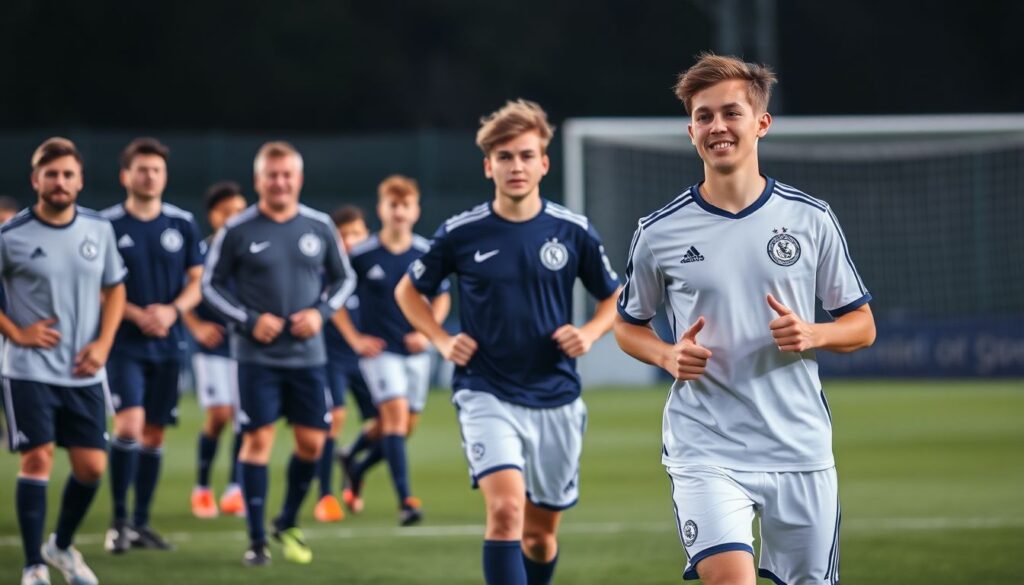
Age is less important than readiness. Once a player consistently dominates at U19 or strong loan level, introduce him gradually but with clear responsibility, ideally over a full season rather than short late‑season experiments.
How can we balance pressure to win now with long-term development goals?
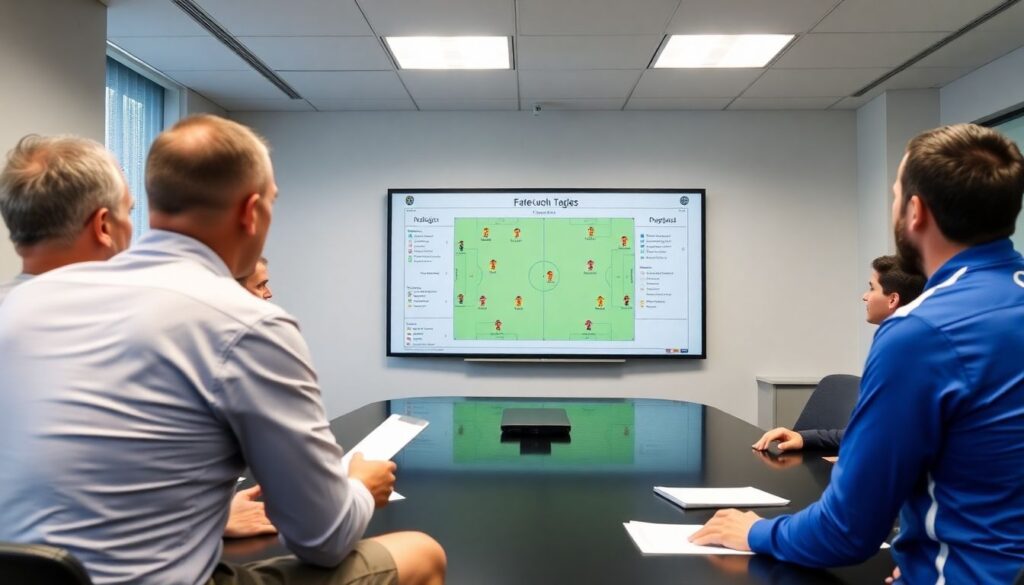
Define non‑negotiable development targets before the season: for example, minutes or role benchmarks for specific players. Align these with board expectations so coaches are judged partly on integration of youth, not only league position.
Are short-term loans abroad better than staying as a squad player in Turkey?
Loans are useful only if the player is likely to start regularly and play in a tactically demanding environment. A stable starting role in a slightly weaker league often beats a full season on the bench in the Super Lig.
How should we communicate with families of talented youngsters about foreign player rules?
Explain the rules simply, then show a concrete pathway plan with milestones. Emphasise that quotas create opportunities but do not guarantee minutes; performance and professionalism remain decisive.
Do frequent changes to foreign player limits justify delaying academy investment?
No. High‑quality development environments remain valuable under almost any rule set. Delaying investment usually means starting behind rivals once a more stable regulatory phase arrives.
What basic data should we track to evaluate our youth strategy under quotas?
Monitor minutes played by Turkish U23s by position, competition and game state, plus progression from academy to first‑team contracts and transfer fees generated. Review at least once per season and adjust plans accordingly.