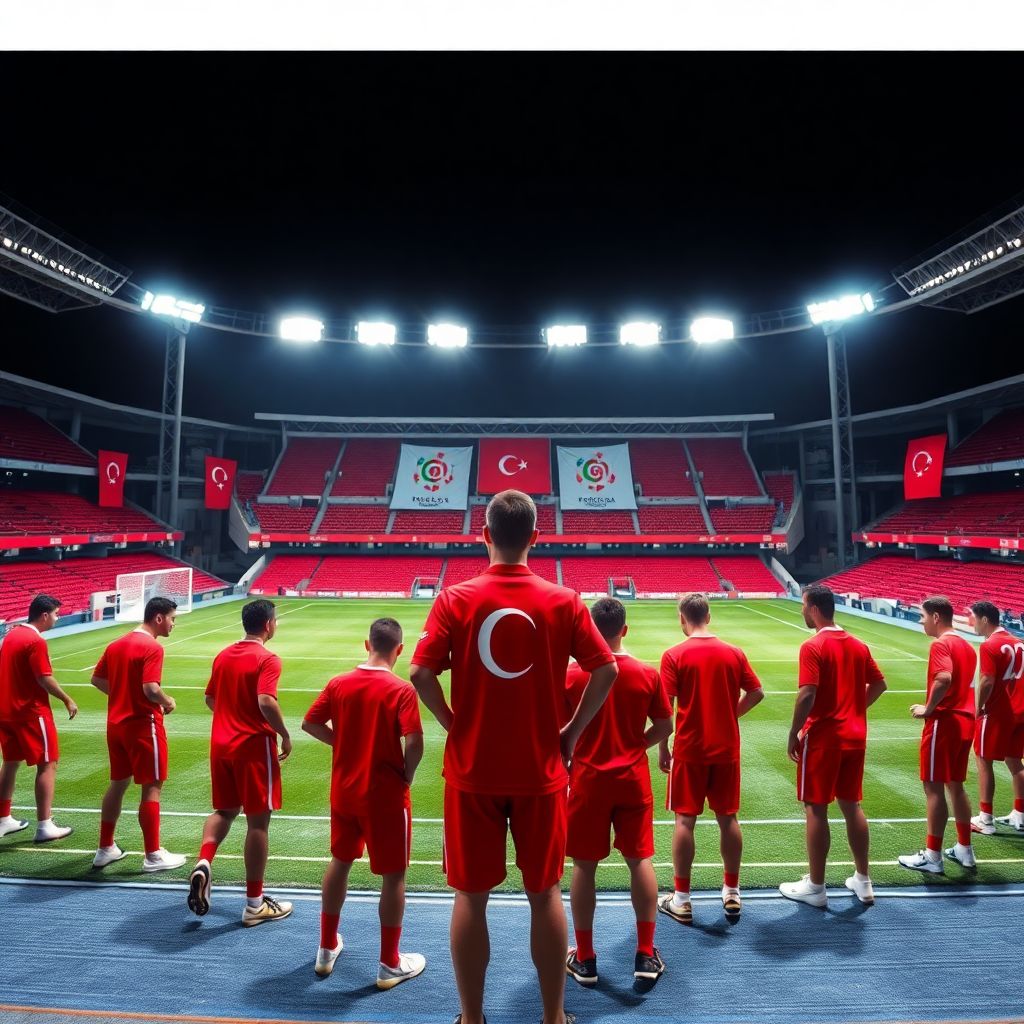
Turkey can repeat the World Cup 2002 and Euro 2008 peaks, but only with a long-term plan: stronger academies, clear tactical identity, smarter use of dual nationals, and stable federation leadership. Short bursts of talent are not enough; a sustainable turkey national football team golden generation requires structural change, not just inspiration.
What made Turkey’s 2002 and 2008 sides stand out
- Both groups had a stable core that played together for years at club and national level, building automatic partnerships.
- Coaches used simple, intense game plans that maximised mentality, fitness and transitions rather than over-complicated patterns.
- Many players competed in strong European leagues, importing tactical discipline back into the national setup.
- The squads mixed battle-hardened leaders with fearless younger players who accepted roles and game plans.
- Federation and public aligned around clear targets, creating pressure but also unity and focus.
- In tournaments, both teams showed resilience in chaotic games, turning deficits into emotional comebacks.
Parallel timelines: season-by-season build-up to 2002 and 2008
To judge whether 2002 and 2008 can be repeated, it helps to compare how each peak was prepared across several seasons and how the current cycle differs.
- Continuity of core players: How many seasons did the main XI stay together with minimal changes?
- Club success overlap: Did domestic clubs perform well in Europe in the three to four years before the tournament?
- Coaching stability: How often did head coaches and key assistants change in the qualifying cycle?
- Defensive pairing consistency: Were the goalkeeper and central defenders a fixed unit or rotating frequently?
- Midfield identity: Was there a clearly defined balance between destroyers, organisers and runners?
- Role of star players: Did stars fit into a system or did the system constantly adapt to them?
- Injury and fitness management: Were key players arriving after full, stable club seasons or disrupted by injuries?
- Friendly and qualifier planning: Were matches scheduled to stress-test the team against varied, strong opponents?
- Integration of new faces: Were young or dual-national players gradually introduced or thrown in during crises?
For coaches, the lesson from any best era of turkey national football team analysis is to protect a tactical spine (goalkeeper, two centre-backs, holding midfielder, main striker) across several seasons. Rotate around that spine in friendlies, but preserve automatisms in qualifiers and tournaments.
For analysts, track season-by-season continuity: minutes shared by likely starters, number of line-up changes per competitive match, and how often Turkey faces top-20 opposition. Comparing these timelines with turkey world cup 2002 squad nostalgia and more recent cycles shows whether the current group is being stress-tested enough.
For policymakers, the key is planning four- and six-year cycles with explicit targets (e.g. Euro quarter-final, World Cup knockouts) and aligning coach contracts, youth investment and league regulations with those horizons, rather than reacting to single qualifying results.
Player development: academies, youth cohorts and career arcs
Different development models can feed the national team. The table below contrasts realistic options for Turkey’s context and how they might support a new golden generation by 2030.
| Variant | Who it suits | Pros | Cons | When to choose |
|---|---|---|---|---|
| Club-centric academy model | Big Süper Lig clubs with resources and scouting reach | Creates identity-linked players; easier transition to first team; strong local fan connection. | Smaller clubs fall behind; inconsistent standards; risk of focusing only on early-maturing talents. | When top clubs are financially stable and willing to co-ordinate with federation on standards. |
| National training centre network | Federation-led systems aiming for equal regional coverage | Standardised coaching; better access for smaller cities; clearer data on each age cohort. | High operating cost; potential conflict with clubs over player control and workloads. | When policymakers want long-term equality of opportunity and have public support for investment. |
| Dual-national integration pathway | Players raised abroad with Turkish background and strong tactical education | Imports elite training habits; quick boost in tactical discipline and physical standards. | Identity debates; integration risk in dressing room; dependency on foreign federations’ youth work. | When domestic cohorts at a position are thin and strong diaspora options exist. |
| Late-bloomer rehabilitation program | Players peaking in mid-20s after inconsistent early careers | Expands the pool; offers second chances; can produce hungry, mature professionals. | Harder to project; requires intensive monitoring of lower leagues and returns from injury. | When current A-team depth is shallow and the league has many underused, older players. |
For coaches, the practical move is to demand clear information flows: academy reports, physical data and psychological profiles for players graduating into your squads. Blend one or two dual nationals at a time, not five at once, to avoid disrupting the existing hierarchy and communication patterns.
For analysts, build longitudinal datasets on each cohort: age of first professional minutes, league level progression, injury history, and positional switches. Comparing these with the trajectories of the 2002 and 2008 players clarifies which pathways currently reproduce success and which ones stall.
For policymakers, select a hybrid development approach: strengthen club academies through licensing standards while using national centres for late-born players and rural regions. Formal agreements with key European clubs can turn turkey national team future talents and predictions into monitored pipelines rather than guesswork.
Tactical identities: how formations, coaches and key players defined success
Both 2002 and 2008 sides were tactically simple but emotionally intense, with clear strengths in transitions, crossing and set pieces, rather than intricate positional play.
- If your player pool is physically strong and emotionally aggressive but tactically inconsistent, then favour compact blocks, fast counters and clear pressing triggers instead of complex build-up schemes.
- If the squad contains several creative midfielders who thrive between lines, then use asymmetrical shapes (for example, lopsided wide roles) that free them from heavy defensive tracking while protecting them with a hard-working double pivot.
- If defenders lack pace but read the game well, then drop the line deeper, compress central spaces and force opponents wide, echoing classic turkey world cup 2002 squad nostalgia characteristics.
- If your full-backs are technically limited but energetic, then prioritise overlaps and simple crossing patterns rather than inverted roles that demand playmaking under pressure.
For coaches, the lesson from uefa euro 2008 turkey highlights and history is to pick two or three repeatable attacking patterns and drill them relentlessly. Design set-piece routines that can steal goals even when open play is poor, and keep asking if the tactics reflect the actual player profile, not an idealised one.
For analysts, focus on chance quality and defensive compactness metrics instead of possession percentages. Track where Turkey wins the ball, how quickly it progresses to shots, and which pressing schemes actually lead to turnovers rather than fouls or bypassed lines.
For policymakers, consistency of tactical identity across youth teams is essential. Mandate common principles (pressing height, build-up preferences, defensive compactness rules) so that coaches at U15-U21 prepare players for the demands of the senior side instead of running isolated philosophies.
Institutional factors: federation policy, scouting and league dynamics
Structural choices by the federation and league organisers either nurture or disrupt the conditions that create peak generations.
- Define a clear national team game model and coach profile, then hire and evaluate staff against that model, not only short-term results.
- Standardise scouting criteria for every age group, including dual nationals, and maintain a central database accessible to all national coaches.
- Align foreign-player limits and homegrown rules with the goal of producing tournament-ready Turkish players, not just filling domestic quotas.
- Schedule league calendars and winter breaks to minimise conflict with national camps and optimise player freshness before key qualifiers.
- Invest in coach education and licensing, making modern tactical and data literacy mandatory for top-tier appointments.
- Create stable, transparent selection and bonus policies to reduce off-pitch distractions around the national team.
For coaches, understanding these constraints clarifies where to fight and where to adapt: push for better communication with clubs on player workloads and agree clear red lines on injured or overloaded players.
For analysts, institutional stability gives you the time horizon needed to build data infrastructure: unified performance databases, consistent tagging systems and shared frameworks for evaluating positional roles across all age groups.
For policymakers, the goal is to turn federation decisions from reactionary moves after a bad qualifying window into a long-term state project, where political cycles do not constantly reshape football priorities.
Demographics and talent pipeline: population, migration and dual-nationality effects
The demographic base and migration patterns that underpinned earlier generations are changing, and with them the shape of future talent pools.
- Relying emotionally on diaspora players without clear integration plans can alienate domestic talents and destabilise dressing-room chemistry.
- Ignoring dual-national prospects because of pride or bureaucracy wastes ready-made, tactically educated options in key positions.
- Assuming that a large youth population automatically produces elite players leads to underinvestment in facilities and coaching quality.
- Overloading urban academies while neglecting smaller cities and towns misses late-developing athletes who lack early visibility.
- Chasing quick physical advantages in youth (size, strength) over technique and decision-making blocks long-term creative development.
- Treating each age cohort as isolated, rather than mapping long-term positional depth charts, produces gaps that appear suddenly at senior level.
- Failing to track emigration and dual citizenship trends means the federation discovers players late, when they are already tied to other countries.
For coaches, the main adaptation is psychological and communicative: create clear role definitions and leadership structures that blend domestic and diaspora players, preventing cliques based on birthplace or language.
For analysts, integrate demographic data, migration trends and dual-citizenship statistics into your projections of future depth by position, feeding directly into turkey national team future talents and predictions discussions.
For policymakers, co-operate with ministries responsible for diaspora communities and education, so that football pathways are built into broader cultural and diplomatic relationships, not treated as ad-hoc recruitment missions.
Realistic pathways to a new ‘golden generation’ by 2030
The most realistic path is a hybrid system: best for coaches is a stable tactical spine supported by carefully integrated dual nationals; best for analysts is a data-driven, cohort-based development map; best for policymakers is a long-term, federation-led framework that locks club incentives to national-team outcomes.
Quick clarifications and practical answers for common doubts
Was 2002 or 2008 the best era of the Turkish national team?
They represent different peaks: 2002 delivered a historic World Cup finish, while 2008 produced legendary comebacks and emotional momentum. Any best era of turkey national football team analysis should treat them as complementary high points rather than choosing an absolute winner.
Is another turkey national football team golden generation realistically possible?
Yes, but not by copying the past. It requires improved academies, smarter integration of dual nationals, consistent tactical identity and stable federation planning over multiple cycles, not just one qualification campaign.
How important are diaspora players for future Turkish success?
Diaspora players can accelerate progress because they often receive high-level training abroad, but they must complement, not replace, domestic development. Clear communication and role definition are essential to avoid dressing-room tensions.
Should Turkey focus more on technique or physicality in youth development?
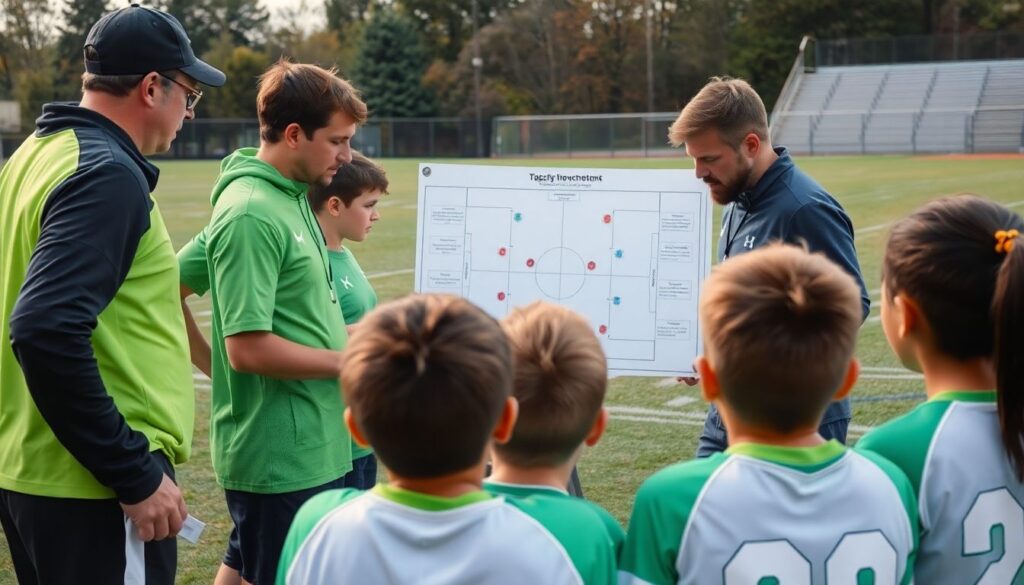
Technique and decision-making should be prioritised early, with physical development phased in intelligently. The 2002 and 2008 examples show that mentality and tactical understanding, combined with enough athleticism, matter more than raw physical dominance at youth level.
Do frequent coaching changes hurt the national team?
Rapid turnover usually damages tactical identity and player trust. Longer tenures, with clear performance reviews and support structures, give coaches time to build robust systems that can perform in tournaments.
What can club coaches do to help the national team?
They can align fitness loads around international windows, give young Turkish players meaningful minutes in pressure situations, and share data openly with federation staff to manage injuries and development plans.
How should fans judge whether Turkey is on track for another golden period?
Look beyond single results. Track how many young players earn consistent minutes in strong leagues, how stable the national team spine is, and whether performances against top opponents are improving, even in defeats.