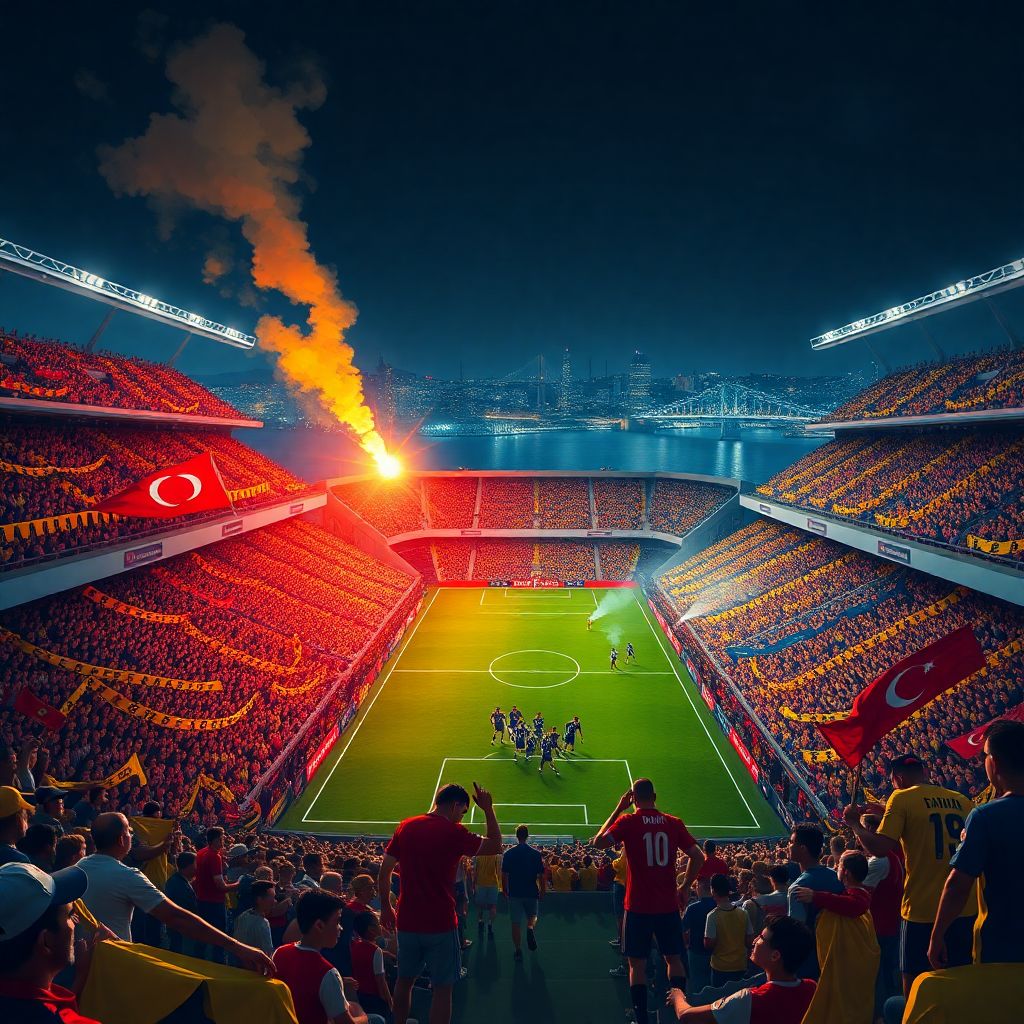
Step 1. Grasping what this rivalry really is
Before you look at tactics or trophies, you need to understand that Galatasaray–Fenerbahçe is not “just a big game”. It’s the axis around which a huge part of Turkish football culture rotates. The match splits families, defines weekends and quietly shapes how people in Istanbul talk about identity, class and pride. When you hear locals say “the derby”, they almost never clarify which one: this is the default. By 2026 the rivalry has survived political shifts, stadium changes, broadcasting revolutions and social media wars, yet it still feels raw, personal and strangely intimate for millions who will never step on the pitch.
Step 2. Going back to the origins
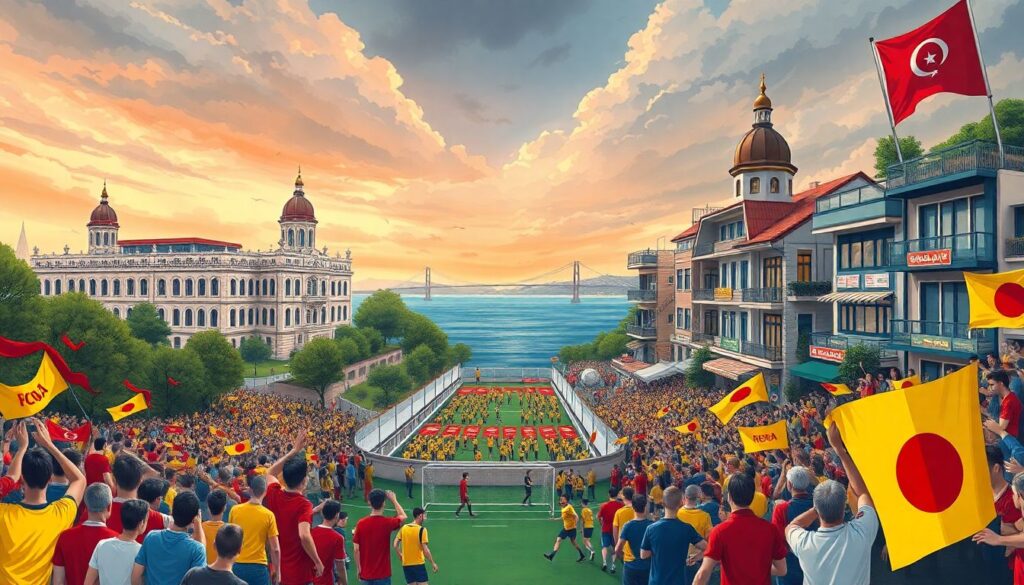
To read today’s tension, you need some history. Galatasaray was founded in 1905 by students of the elite Galatasaray High School, rooted in the European-facing, urban establishment. Fenerbahçe followed in 1907, emerging from Kadıköy on the Asian side, more associated with local, grassroots energy. When the Ottoman Empire was fading and the Republic was being built, the two clubs offered symbolic poles: one tied to old cosmopolitan elites, the other to a growing, self-confident middle class. Early matches were more than sport; they were ritualised clashes of style, education and social belonging that still echo in the stands today.
Step 3. How Istanbul itself fuels the fire
The city’s geography is not just a map detail, it’s a narrative tool. Crossing the Bosphorus for an away derby feels almost like entering another country. European-side fans will talk about “going to Asia” as if it were enemy territory, while Fenerbahçe supporters embrace Kadıköy as a fortress of independence from central Istanbul. Daily life feeds the rivalry: schoolyard arguments, office banter, neighbourhood bars dominated by one colour set the tone year‑round. That constant, low‑level friction keeps the derby emotionally loaded even when both teams are miles apart in the league table or struggling in European competitions.
Step 4. Understanding the matchday ritual
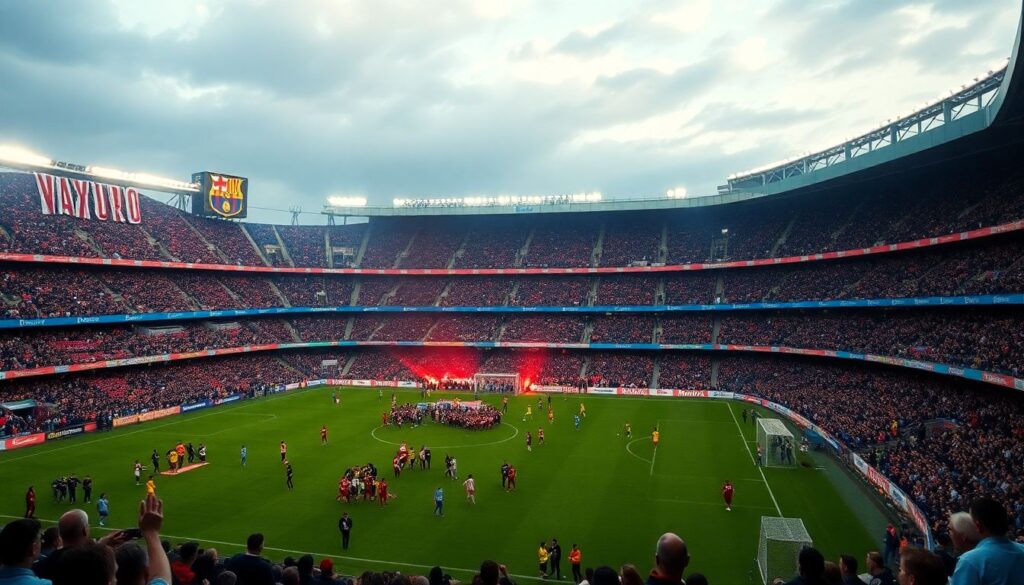
Derby day is a carefully choreographed experience long before kickoff. Fans wake up to songs, banners appear on balconies, and social media timelines become a battlefield of memes and old highlights. Ultras prepare tifos weeks in advance, negotiating with club boards and security officials. If you’re hunting Galatasaray vs Fenerbahce tickets, you’ll feel this pressure directly: prices spike, allocations vanish and even neutral seats gain symbolic weight. The stadium becomes a stage where chants, flares and coordinated gestures merge into a kind of civic theatre, with the rest of the country watching every move as if it were a national referendum on bragging rights.
Step 5. Media, money and the global gaze
Since the 1990s, television and then digital platforms have turned the derby into a global broadcast product. Broadcasters fight over rights, sponsors build campaigns around a single matchweek, and overseas fans plan travel specifically to catch an Istanbul football derby tour Galatasaray Fenerbahce weekend. International coverage tends to focus on flares, noise and dramatic red cards, but misses how financial politics are woven in: TV contracts, foreign investment and brand deals all concentrate around this fixture. By 2026, the rivalry is both a local emotional heritage and a commercial asset sold to audiences who may never set foot in Turkey.
Step 6. Style of play as a cultural expression
On the pitch, each club has fostered a narrative about its “proper” style. Galatasaray often leans into a self-image of technical flair and European ambition, pointing to historic continental runs as evidence of a broader, outward-looking mentality. Fenerbahçe supporters counter with a story of resilience, physical intensity and a refusal to bow, especially at home in Kadıköy. Coaches cycle in and out, but these myths adapt around them: a defensive Galatasaray side will still be framed as “strategic”, while a technical Fenerbahçe midfield becomes proof of evolution. Fans interpret every tactical shift as a statement about what their club stands for.
Step 7. How the rivalry shapes national football culture
The derby doesn’t stay in Istanbul; it spills into every corner of Turkish football. Media coverage of smaller clubs is often benchmarked against the big two: can they take points off them, can they imitate their fan choreography, can they produce players to sell upward? Young talents dream of scoring in this fixture because it almost guarantees a place in national memory. Even the language of analysis borrows from the rivalry: pundits use “derby mentality” as shorthand for psychological toughness. In practice, this means that ideas born in Galatasaray–Fenerbahçe games gradually filter into tactics, chants and club politics across the Süper Lig.
Step 8. New technologies, new rituals
By the mid‑2020s, the digital layer has become inseparable from the match itself. Fans abroad follow every second via a Galatasaray Fenerbahce derby live stream, commenting in real time on Twitter, YouTube, Twitch and local forums. Inside the stadium, phones capture pyro shows and confrontations, which then reappear as viral clips that reshape the story of the night. Club media teams lean into this dynamic, dropping behind‑the‑scenes footage and mic’d‑up content to keep the emotional wave alive for days. The result is an extended derby cycle: buildup, match, post‑match memes and then historical rewrites, all intensified by algorithms.
Step 9. Jerseys, symbols and everyday identity
Club colours are not weekend costumes; they are everyday markers of identity. Scarves hang in taxis, jerseys appear at weddings, and baby clothes carry tiny crests before kids can pronounce the club names. The Galatasaray Fenerbahce jerseys official store is less a shop than a symbolic armoury, supplying shirts that express allegiance in workplaces, universities and diaspora communities worldwide. Retro kits and special‑edition tops tied to famous derbies allow fans to compress history into fabric. Wearing the “right” year’s shirt can instantly trigger conversations about that specific match, coach or legendary goal, keeping memory vividly present.
Step 10. Experiencing the derby as a visitor
If you’re new to Turkish football culture and planning a trip, approaching the game with respect is crucial. Many agencies now sell curated Istanbul football derby tour Galatasaray Fenerbahce experiences that bundle stadium access with local guides, food walks and pre‑match bar visits. Done well, these tours translate unspoken rules: when to sing, where to stand, what gestures to avoid. Done badly, they risk turning a living culture into a spectacle for selfies. As a visitor, listening more than performing, asking locals about their routines and accepting security restrictions quietly will get you far further than loud posturing.
Common mistakes outsiders make
Misreading the rivalry usually starts from underestimating its depth. Treating the game as a casual “bucket list match” can annoy locals who build their weeks around it. Another frequent error is romanticising aggression: chasing the most extreme ultra section, ignoring police advice or trying to smuggle in banned items just for a story. A third misstep is turning the debate into a foreign comparison game—constantly asking “Is this like Barça–Real?” flattens nuances. Finally, relying on touts for Galatasaray vs Fenerbahce tickets can expose you to scams, forged QR codes and, in the worst case, stadium bans tied to illegal resales.
- Don’t wear neutral rival colours from other countries; they may coincidentally match and send the wrong signal.
- Avoid filming people up close without permission, especially ultras and security forces.
- Never join in chants you don’t understand; some carry political or deeply offensive content.
Practical tips for first‑timers
If you’re stepping into the derby for the first time in 2026, preparation helps. Read up on recent seasons so you understand why certain players are booed or idolised; context sharpens the atmosphere. Consider official channels or club partners if you want Galatasaray Fenerbahce derby hospitality packages, as they usually include safer seating, guided entry and clearer information. Learn a few simple Turkish phrases—thanking people, greeting fellow fans—because small efforts often open big doors. And budget extra time around the stadium; security checks, road closures and spontaneous street celebrations can easily double your planned arrival and departure windows.
- Arrive at least 2–3 hours early to soak in the build‑up and avoid entry bottlenecks.
- Carry only essentials; large bags trigger extra screening and may even be refused.
- If you’re unsure where to sit or how to act, quietly follow the lead of nearby season‑ticket holders.
How clubs leverage the rivalry off the pitch
Beyond matchday, both institutions understand the commercial and cultural weight of their encounters. Marketing departments time kit drops, documentaries and sponsorships around derby windows, knowing attention peaks then. Community projects sometimes piggyback on the tension, using joint statements or symbolic gestures to cool things down after flashpoints. At the same time, boardroom politics frequently reference the fixture: presidents are judged on derby records almost as much as trophies. When transfer rumours emerge, fans quickly ask the derby question—“Can he handle that night?”—turning a single match into a broader test of character for players, coaches and directors.
Where the rivalry might be heading
As global football debates financial sustainability and fan ownership, the Galatasaray–Fenerbahçe rivalry sits at a crossroads. On one path, increasing commercialisation, VIP lounges and rising prices push average supporters further away, turning the game into a premium product. On the other, digital communities, fan initiatives and smarter security policies could keep the experience intense yet accessible. By 2026, one thing is clear: this derby will continue to define how Turkish football sees itself, whether in youth academy dreams, barroom arguments or streaming numbers. Understanding it is not just about one match; it’s about how a nation talks to itself through football.