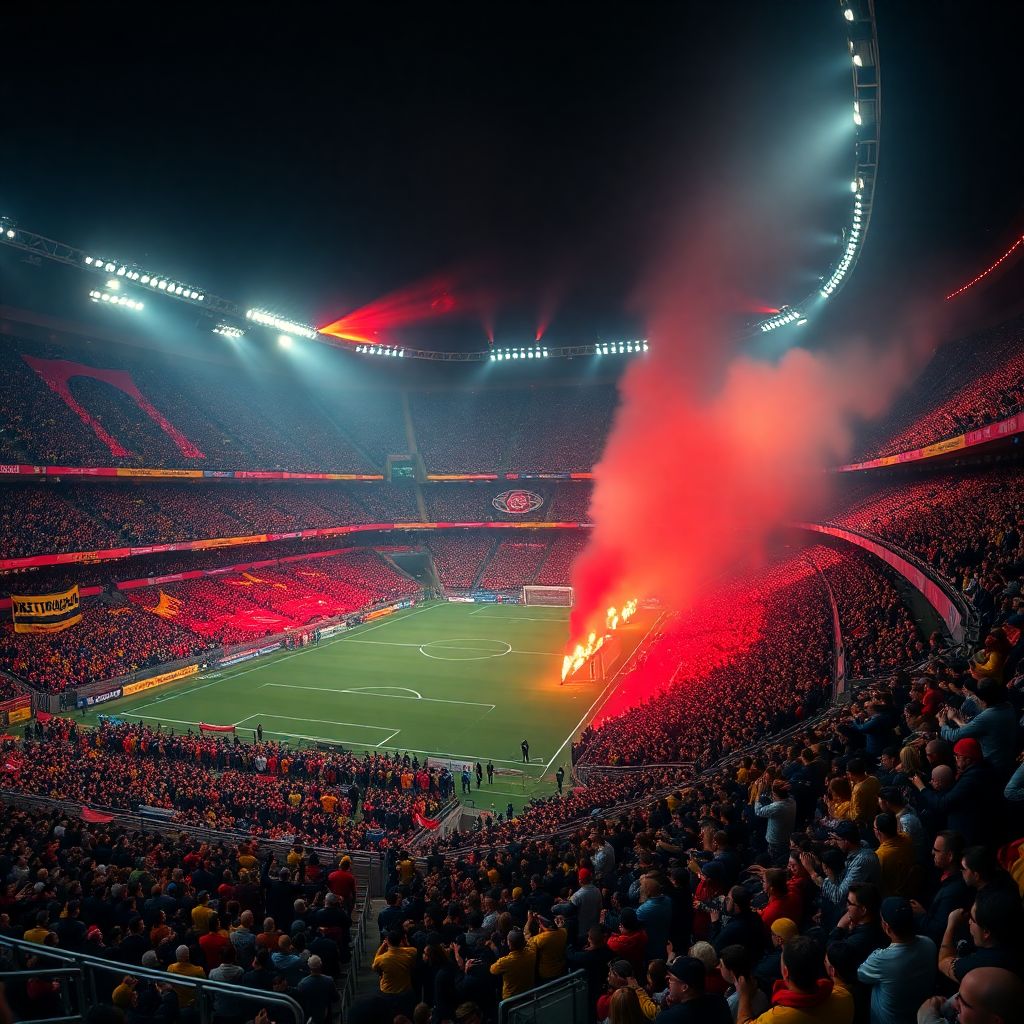
Fan culture as Turkey’s second language
Walk into any Istanbul café on a Monday and you’ll hear more tactical analysis than in some TV studios. In Turkey, football isn’t a hobby, it’s social grammar: colours decide friendships, dates, even business partners. Ultras turn this emotional raw material into a coherent identity, with chants, banners and rituals that shape how the world reads Turkish football. For many fans, belonging to Galatasaray, Fenerbahçe or Beşiktaş is more stable than trusting politics or the economy, so the terrace becomes a parallel public square where loyalty is performed, judged and remembered.
Numbers behind the noise
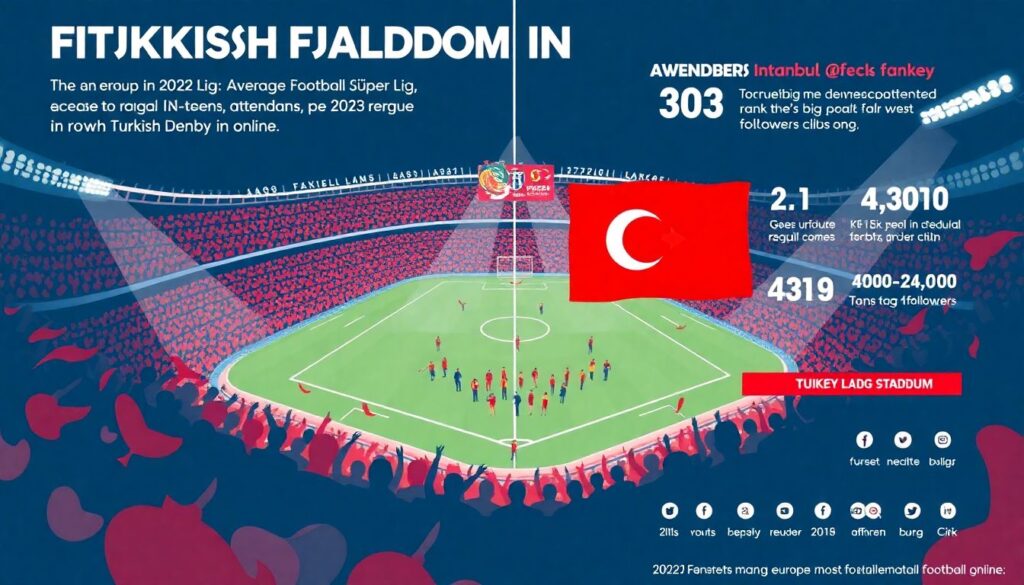
Let’s ground the romance in data. In 2022–23 the Turkish Super Lig averaged roughly mid‑teens attendance per game, yet Istanbul derbies peaked above 45,000, with TV audiences in the millions. Social media shows the same pattern: Turkey’s “big three” rank among Europe’s most followed clubs online relative to domestic GDP. Crowd acoustics hit over 130 decibels in some derbies, comparable to jet engines, turning stadiums into literal pressure cookers. These metrics explain why broadcasters overpay for rights and why sponsors accept volatility; the emotional return outmuscles the risk.
Ultras as urban brands and political actors
Ultras in Turkey operate like hybrid entities: part street movement, part creative agency, part informal security unit. Groups design tifos that circulate globally within minutes, branding cities as much as clubs. In crisis moments they also act as political barometers, leading chants against corruption or mismanagement. This dual role is risky but powerful: mayors, club boards and TV channels all read the curva for early signals of unrest. Over time, this has baked a confrontational edge into Turkey’s football identity, where defiance is valued almost as highly as victory itself.
Economics of noise: tickets, tours and merch
The passion also pays. Demand for turkey football tickets galatasaray fenerbahce besiktas matches keeps secondary markets busy, especially before title‑deciding games. Abroad, fans plan a turkey football stadium tour istanbul booking the way others plan wine routes, with matchday atmosphere as the main attraction. Ultras aesthetics have become monetisable: ultras football merchandise turkey buy online now ranges from scarves to limited‑run streetwear drops. Clubs experiment with turkish super lig vip tickets package offers that promise curated “safe intensity” for tourists willing to pay a premium for proximity to the chaos without full exposure.
Future scenarios: from raw chaos to curated passion
Looking ahead ten years, two trajectories compete. One is “theme‑park football”: stricter policing, dynamic pricing and all‑seater comfort slowly dilute ultra culture into something closer to the Premier League model. The other is “smart rebellion”: fan groups use data, fundraising platforms and legal literacy to secure formal influence while keeping the edge. As streaming grows, global fans will buy virtual access not just to games but to choreographies, chants and backstage build‑up, turning atmosphere itself into a sellable asset and exporting Turkey’s football identity far beyond physical gates.
Unconventional ideas to reset the relationship
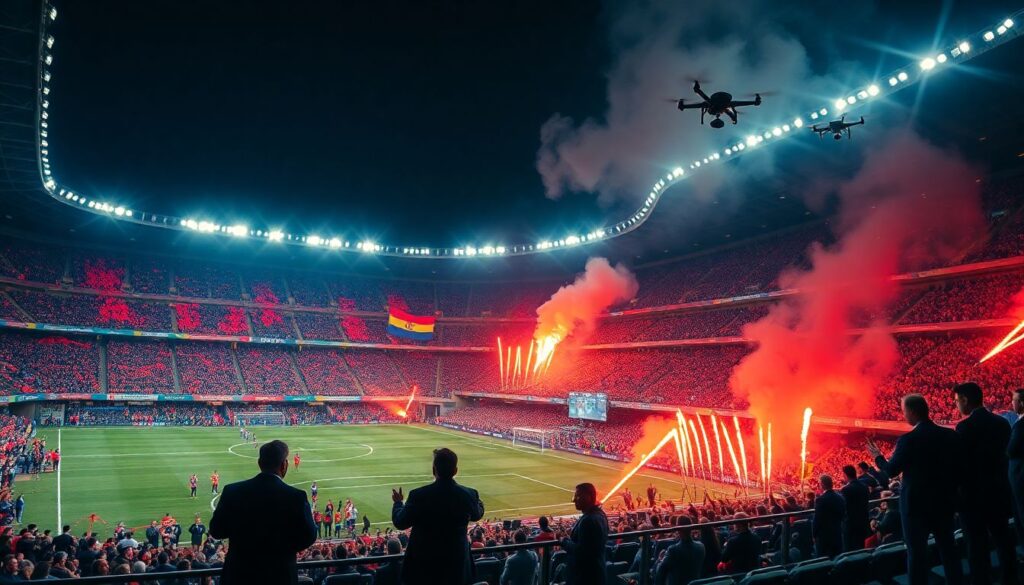
1. Turn ultras into licensed creators. Imagine legal “atmosphere rights” where groups receive a cut from international broadcasts when their choreography or audio dominates coverage. That would align pyrotechnic creativity with safety standards and push clubs to treat ultras as partners, not just a policing problem. It also reframes fan groups as micro‑enterprises, incentivising skills like design, media production and negotiation instead of purely territorial rivalry and informal economies around tickets or parking.
2. Build transparent ticket labs. Instead of opaque pricing, clubs could host live, data‑driven forums where fans co‑design models for galatasaray fenerbahce derby tickets price bands, away allocations and youth sections. Publish algorithms, test pilots over a half‑season, then revise together. This “open code” approach wouldn’t kill scalping overnight, but it would undercut the narrative that boards exploit loyalty. Over time, a culture of shared responsibility could emerge, where ultras defend fair access as fiercely as they defend their end of the stadium.
3. Create civic ultras programs. Take the organisational skills used for away days—logistics, fundraising, crisis response—and redirect part of them into city projects: blood drives, disaster relief, neighbourhood clean‑ups branded by the groups. Municipalities could reward consistent engagement with subsidised travel or priority blocks for turkey football tickets galatasaray fenerbahce besiktas matches. The message shifts from “dangerous mob” to “high‑energy civic unit,” without forcing ultras to abandon their identity or rivalry narratives that make the scene compelling.
Impact on the wider sports and entertainment industry
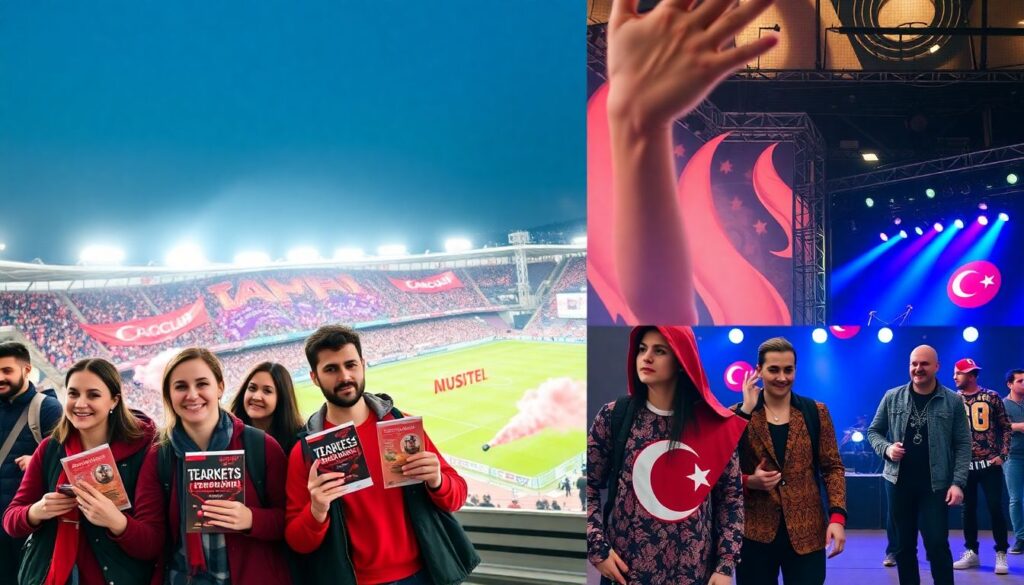
Turkey’s football identity already spills into tourism, fashion and music. Travel agencies bundle derby weekends with curated bar routes, marketed alongside a turkey football stadium tour istanbul booking for neutral fans. Streetwear labels borrow designs from group banners, while pop artists feature terrace chants in tracks. When foreign visitors buy a turkish super lig vip tickets package or order ultras football merchandise turkey buy online, they aren’t just consuming sport; they’re buying a piece of a narrative about resistance, belonging and excess—pushing other local industries to compete on emotional intensity, not only price.