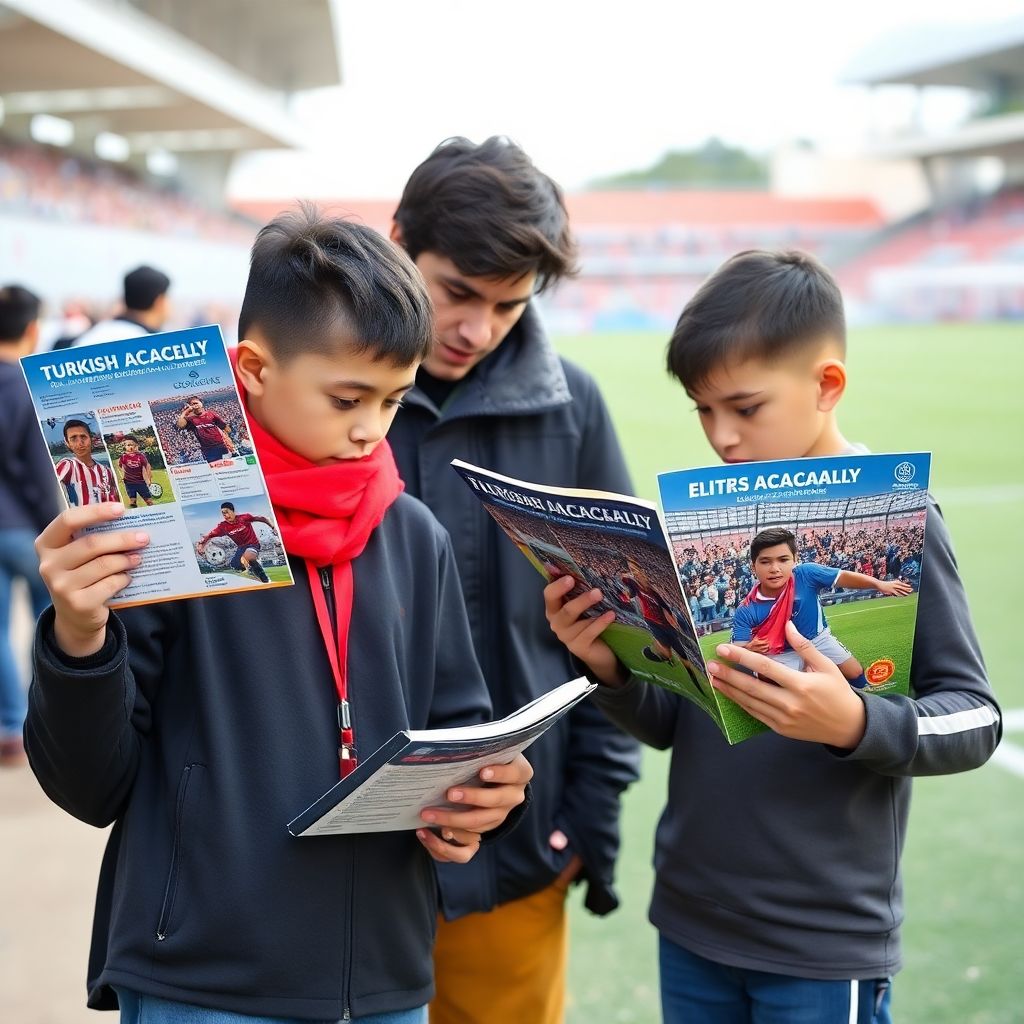
For most Turkish prospects, the best budget-first path is a strong domestic club academy plus smart use of international camps and trials, while only top-tier talents with support for relocation and schooling should target elite Western European academies. Parents should compare coaching quality, match minutes, schooling and total cost, not brand names.
Snapshot: development contrasts between Turkish prospects and European peers
- turkey football academy vs europe youth development mainly differs in coach depth, competition level, and player support services, not just facilities.
- Turkish club academies are cheaper and closer to family, but often have larger squads and less individualisation than the best european football academies for young talents.
- Western European systems typically offer clearer pathways from U15 to senior, with structured loans and minutes tracking.
- Private Turkish academies can add extra training but vary widely in coaching standards and links to professional clubs.
- For budget-conscious families, maximising local match exposure and occasional football trials for youth players in europe and turkey is often more realistic than full-time relocation.
- When you compare youth football training programs turkey and europe, the biggest gaps show in sports science, player welfare and post-18 career planning.
- turkish football youth academies scouting opportunities are improving, but European clubs still scout broader age ranges and regions more systematically.
Academy structures and funding models: public clubs vs. private academies
Use these criteria to choose between Turkish club academies, private schools and moves into European systems.
- Total yearly cost: tuition or camp fees, travel, accommodation, equipment and hidden payments for selection or extra sessions.
- Contract and scholarship model: paid, free, or scholarship-based; clarity on what is covered (training, kit, travel, medical).
- Ownership and accountability: professional club, municipality, school, or private owner, and how results are measured beyond short-term trophies.
- Squad size per age group: number of players per team and per coach, affecting minutes and individual feedback.
- Training-to-match balance: weekly schedule; overloaded training with too few quality games slows real progress.
- Pathway clarity: documented steps from U10-U19 to reserve and first teams, including objective criteria for promotion.
- Education integration: cooperation with schools, timetable flexibility, and exam support, especially if moving abroad.
- Geographical stability: travel time each day, relocation needs, and impact on sleep and recovery.
- Exit options: what happens if the player is released at 16-18; connections to other clubs, universities, or semi-professional pathways.
Coaching philosophies, curricula and coach education
The table below compares typical development environments relevant when you compare youth football training programs turkey and europe.
| Variant | Best for | Pros | Cons | When to choose |
|---|---|---|---|---|
| Big Turkish club academy | Talented players living near major cities with strong family support | Recognised brand, competitive national leagues, some UEFA-licensed coaches, relatively low direct fees, local culture and language | Large squads, uneven individual attention, variable sports science, competition for spots can limit match minutes | Choose if you want a realistic pro pathway in Turkey with controlled costs and can accept intense competition for game time. |
| Private Turkish pay-to-play academy | Families needing flexible schedules and extra training on top of school | More individual technical work, smaller groups, flexible hours, often close to home, lower travel costs | Quality varies, weaker competitive leagues, limited direct pathway to professional squads, ongoing fees | Choose as a supplement to a club or school team, or as a short-term option while targeting club trials. |
| Elite Western European academy | Top 5-10% talents ready to relocate, with strong academics and language support | Highly structured curriculum, specialist coaches, integrated schooling, advanced sports science, clear metrics from U12 upwards | Very selective, cultural and language adaptation, relocation costs, family separation, risk of early release abroad | Choose if coaches agree the player is elite for age and the club covers most costs including schooling and housing. |
| Mid-tier European club academy | Solid prospects aiming for professional careers at smaller European clubs | Often better chance of first-team minutes, closer contact with senior staff, moderate relocation costs compared to giants | Less global brand exposure, resources below the best european football academies for young talents, schooling support varies | Choose if a smaller club offers a clear plan of progression, language support and realistic match opportunities. |
| Local grassroots club in Turkey | Young players starting out or families with tight budgets | Lowest cost, minimal travel, strong community feel, low pressure, flexible multi-sport participation | Limited coaching education, inconsistent training intensity, weaker scouting visibility, basic facilities | Choose up to 12-13 years old to build love for the game, then reassess for pathways into stronger academies. |
When you evaluate turkey football academy vs europe youth development options, focus first on coaching contact hours, coach qualifications and how clearly the club can explain its age-by-age curriculum.
Talent identification, scouting reach and grassroots linkages
Use scenario-based thinking to match your situation with realistic scouting and progression options, balancing budget and premium choices.
Scenario guidelines
- If you have limited budget and live outside major Turkish cities, then prioritise a strong local grassroots club plus targeted tournament exposure where turkish football youth academies scouting opportunities are concentrated, instead of expensive constant travel to distant trials.
- If your child is among the best in a regional league, then invite regional scouts to games, collect video, and selectively attend football trials for youth players in europe and turkey during school breaks, focusing on events where confirmed club scouts attend.
- If you can afford premium options, then consider short-term training camps run by European clubs in Turkey; these can act as first filters before any invitation to train at academies abroad, reducing wasted travel.
- If your player develops late physically, then choose environments that value technical and tactical quality over size, such as certain private academies or mid-tier European clubs with clear policies on late developers.
- If you already train at a big Turkish club academy, then use internal scouting first: perform in national youth leagues, ask for objective feedback, and only after that look at external Europe trials to avoid constant instability.
- If you are considering moving school for football, then compare how often club scouts watch that school league versus your current region; sometimes staying put and investing in better coaching locally is more cost-efficient than relocating.
- If you want maximum exposure with strict budget control, then plan one major tournament or camp per year, film every game, and send clips to academies that publicly state their interest in players from Turkey.
Competitive exposure: youth leagues, loans and match minutes
Follow this quick checklist to choose environments with the right level of competition and minutes.
- List all teams interested in your child and the exact league each age group plays in (local, regional, national, international tournaments).
- Ask each academy how many official games per season their age group plays and how minutes are distributed among squad players.
- Prefer clubs that give a clear plan for U17-U19: reserve league, loan strategy, and how they monitor players sent to lower divisions.
- Avoid joining squads that already have two or three players in your child’s position at the same age and higher; this often means fewer competitive minutes.
- Check whether coaches regularly rotate players up one age group for challenges and down for confidence-building when needed.
- Compare travel demands for away matches against school and recovery; excessively long trips for weak opposition waste energy and budget.
- Reassess every season: if match minutes drop significantly for non-injury reasons, consider a move or a loan to a club with more opportunity.
Physical preparation, sports science and medical support availability
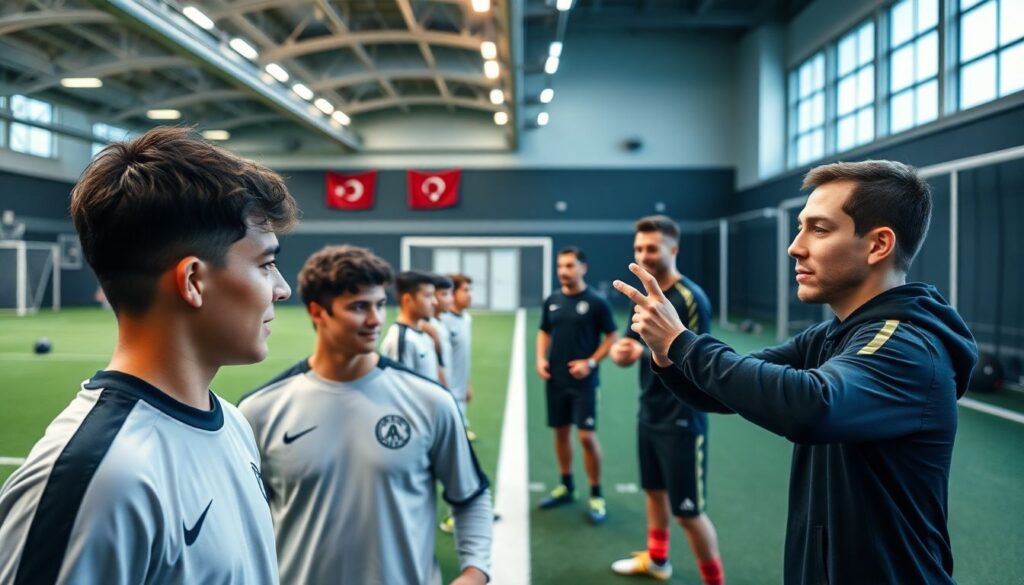
Common mistakes when judging physical and medical setups, especially when you compare youth football training programs turkey and europe:
- Judging purely by gym size instead of looking at age-appropriate strength and conditioning plans.
- Ignoring whether sessions are supervised by qualified staff versus generic fitness coaches with no youth background.
- Underestimating the value of proper warm-up and cool-down routines, which can be more protective than flashy equipment.
- Assuming all European academies have perfect medical care; smaller clubs may rely on external clinics with limited match-day cover.
- Choosing extra fitness sessions that overload young players already training four to five times per week, increasing injury risk.
- Not asking how growth spurts are monitored and how training is adjusted when players experience pain or rapid height changes.
- Overpaying for premium recovery tools (ice baths, gadgets) while neglecting basics like sleep, nutrition and hydration education.
- Failing to check concussion protocols and return-to-play procedures after injuries, especially in smaller or school-based teams.
- Ignoring travel fatigue; long commutes to prestigious academies can cancel out the benefits of better facilities.
Transition mechanisms: senior debuts, transfers and career management
Big Turkish club academies are often best for players aiming to break into the Turkish Super Lig while staying close to family and controlling costs; elite Western European academies are better for exceptional talents with strong academic profiles; mid-tier European clubs and quality private Turkish academies can suit budget-aware families seeking earlier senior minutes and flexible career paths.
Practical answers to recurring comparison questions
Is it better to stay in a Turkish academy or move early to Europe?
For most players, staying in a solid Turkish club academy until at least 15-16 is safer and more affordable. Moving early only makes sense if an established European academy offers structured schooling, housing and a clear long-term plan.
How can we compare turkey football academy vs europe youth development realistically?
Compare daily routines, coaching qualifications, match minutes and player support, not just stadiums and marketing. Ask each club to explain how many players from your child’s position reach senior squads in recent years and what happens to those who do not.
Are the best european football academies for young talents always the right target?

Top European academies suit only the very best prospects who can handle competition, language change and living away from home. For many players, a mid-level club with more realistic senior opportunities and less pressure is a wiser long-term choice.
What role do football trials for youth players in europe and turkey really play?
Trials are useful confirmation events, not magic shortcuts. They work best when you arrive fully prepared, with consistent performance in your home league, recent match footage and clear communication from the inviting club about what they are looking for.
Are turkish football youth academies scouting opportunities improving?
Yes, more Turkish clubs and agents monitor regional tournaments and school competitions, and some cooperate with European clubs. However, visibility is still uneven between regions, so families should proactively collect video and share it with credible scouts and academies.
How should families with tight budgets plan development?

Focus on strong local coaching, regular match play and one or two strategically chosen tournaments or camps per year. Invest in good boots, health and schooling rather than constant travel; let performance attract interest instead of chasing every event.
What is the safest age to consider moving to Europe for football?
In most cases, post-16 is safer because academic needs are clearer and the player is more mature. Any move should come with written guarantees about schooling, accommodation, guardianship and what happens if the football plan changes.