Context: where Turkish clubs stand in Europe now
Turkish sides still carry historical prestige in UEFA competitions, but their competitive index has slipped compared to the 1990s–2000s era. Coefficient rankings declined due to early eliminations and inconsistent campaigns in Champions League and Europa League. Financially, the revenue gap with top‑5 leagues expanded, while squad costs remained high, generating structural debt. Yet the environment is not hopeless: tactical quality has grown, scouting networks have improved and mid‑tier European leagues have shown that smart resource allocation can offset budget disadvantages. The key question is no longer “can” Turkish clubs compete, but under which conditions they can again reach quarter‑final and semi‑final consistency in Europe.
Historical benchmarks and what they actually tell us
Any deep dive must start with benchmarks like Galatasaray’s 2000 UEFA Cup and Super Cup victories and regular Champions League knockout appearances by Galatasaray, Fenerbahçe and Beşiktaş in the 2000s. Those runs proved that well‑constructed squads with clear tactical frameworks can neutralise richer rivals in two‑legged ties. However, many analysts misread this history, assuming that “big name” signings alone fueled success. In reality, peak periods coincided with balanced wage structures, continuity in coaching staff and strategic integration of academy products. Expert assessments underline that today’s environment is more data‑driven and physically intense, so merely replicating the old formulas without modernisation is a frequent and costly mistake.
Main structural obstacles to competing again
From a technical perspective, the biggest constraint is financial governance. High wage‑to‑turnover ratios, short‑term transfer policies and foreign‑currency debt expose clubs to volatility. UEFA’s Financial Sustainability Regulations force Turkish teams to optimise amortisation and salary caps or face sanctions that directly affect continental participation. Another obstacle is sporting infrastructure: training periodisation, sports science staff size and analytics departments still lag behind progressive European outfits. Finally, fixture congestion and travel logistics impact recovery cycles. Experts warn that overloading veteran players, ignoring GPS‑based workload metrics and under‑investing in medical departments leads to chronic soft‑tissue injuries and loss of key performers in decisive European fixtures.
Tactical and player‑development gaps
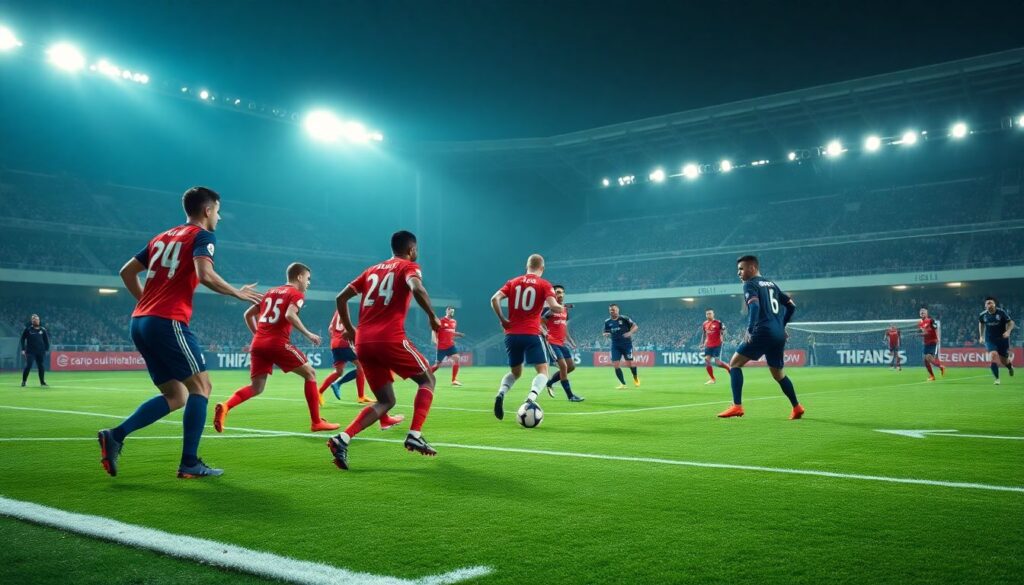
On the pitch, the dominant issue is tactical adaptability. Domestic games often reward high‑tempo, emotionally charged football, but European ties demand controlled pressing, compact block management and flexible build‑up patterns. Many Turkish coaches are improving in periodisation and match‑plan design, yet some still rely excessively on individual brilliance. Youth development is another bottleneck: academies produce technically gifted players, but positional play, pressing triggers and decision‑making under pressure are not cultivated systematically enough. Elite consultants suggest standardising training methodology from U13 upwards, using video‑based feedback and objective performance indicators. Newcomer coaches should avoid copying only surface elements of “modern” systems, such as high defensive lines, without synchronised pressing and rest‑defence structures.
Commercial potential: fans, media and global reach
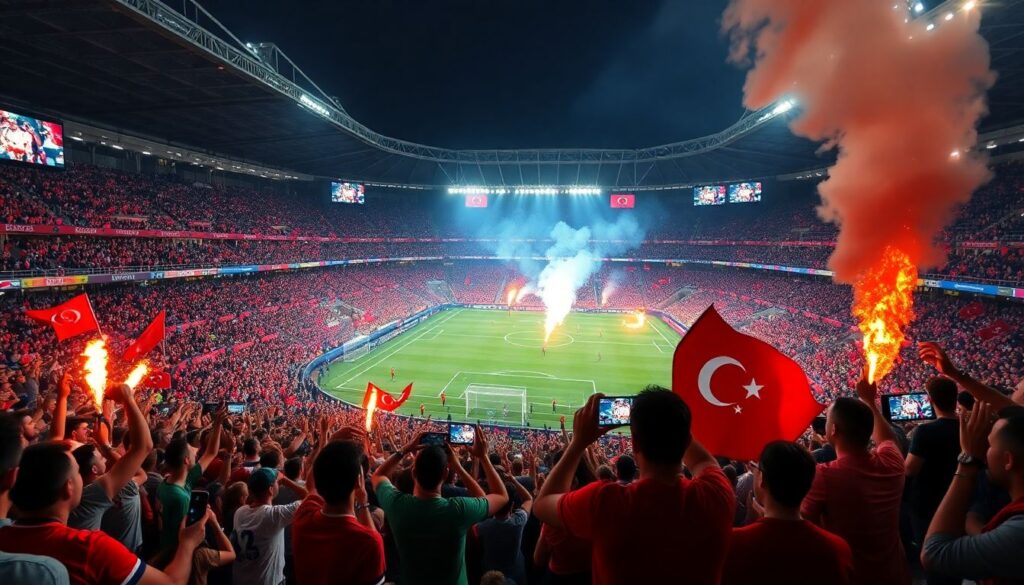
Paradoxically, commercial fundamentals remain an underused strength. Demand for Turkish Super Lig tickets is resilient, especially in big derbies, generating intense atmospheres that can be leveraged for sponsorship value. Digital consumption is also expanding, as international viewers increasingly prefer to watch Turkish football live stream platforms on mobile devices. However, monetisation strategies are fragmented: merchandising, international tours and co‑branding opportunities are not fully integrated into long‑term revenue models. Industry experts argue that standardising fan engagement data, centralising CRM and improving stadium experience can both raise matchday income and support FFP compliance. New executives should avoid over‑reliance on traditional TV rights and instead diversify into digital content and regional partnerships.
Travel, fans abroad and the match‑day economy
European competition also depends on how well clubs mobilise diaspora and travelling supporters. Affordable logistics, such as cheap flights to Istanbul for football matches, enable stronger home support and can even attract neutrals seeking intense atmospheres. At the micro level, peripheral revenue streams matter: collaboration with the best Turkish football club merchandise store options, pop‑up shops on European away days and bundled hospitality packages all feed into a healthier P&L. Operational specialists emphasise that fan experience must be consistent across channels; otherwise, clubs lose repeat customers and weaken their brand. A frequent error is treating away fixtures as pure sporting costs rather than opportunities for internationalisation and data capture from travelling and expatriate fans.
Step‑by‑step roadmap to regain European competitiveness
1. Stabilise finances: implement strict wage‑to‑revenue thresholds, hedge currency exposure and apply scenario‑based budgeting. Avoid back‑loaded contracts that create hidden liabilities and complicate UEFA licensing.
2. Modernise sporting operations: invest in analytics, GPS‑tracking and sports‑science staff; embed injury‑prevention protocols and individual load management. Ensure that tactical analysis units prepare opponent‑specific game plans for every European tie.
3. Rebuild academies: standardise game models, introduce data‑supported talent ID and align youth tactics with first‑team principles. Provide continuous education for academy coaches to prevent outdated training habits.
4. Enhance coaching quality: create clear hiring criteria, performance KPIs and review cycles. Resist knee‑jerk sackings after single European eliminations to preserve tactical continuity and dressing‑room trust.
Betting markets, perception and performance indicators
Market expectations visible in UEFA Europa League Turkish clubs odds betting often act as an informal performance barometer. When bookmakers consistently undervalue Turkish teams, it reflects both statistical models and soft factors like perceived instability. While clubs must never shape sporting decisions around betting lines, the underlying analytics—expected goals, shot quality, pressing efficiency—mirror the data that advanced European rivals already exploit. New stakeholders should avoid the naive assumption that a few marquee signings will immediately flip those odds. Instead, they should monitor key metrics such as non‑penalty xG difference, PPDA and set‑piece conversion as more reliable indicators of whether the gap to Europe is truly closing.
Practical expert recommendations for newcomers
Analysts working with Turkish clubs converge on several principles. First, prioritise squad architecture over individual names: build balanced age profiles, complementary skill sets and clear succession plans for each position. Second, link domestic and European objectives by designing a game model that can scale in intensity and complexity rather than maintaining separate “styles” that confuse players. Third, integrate fan and commercial strategy with sporting goals; for instance, use international exposure from European nights to drive subscriptions, not just one‑off viewership spikes. New executives, coaches and even supporters should be wary of short‑termism and instead evaluate continental progress through rolling three‑year windows, where structural improvements are more visible than single‑season results.