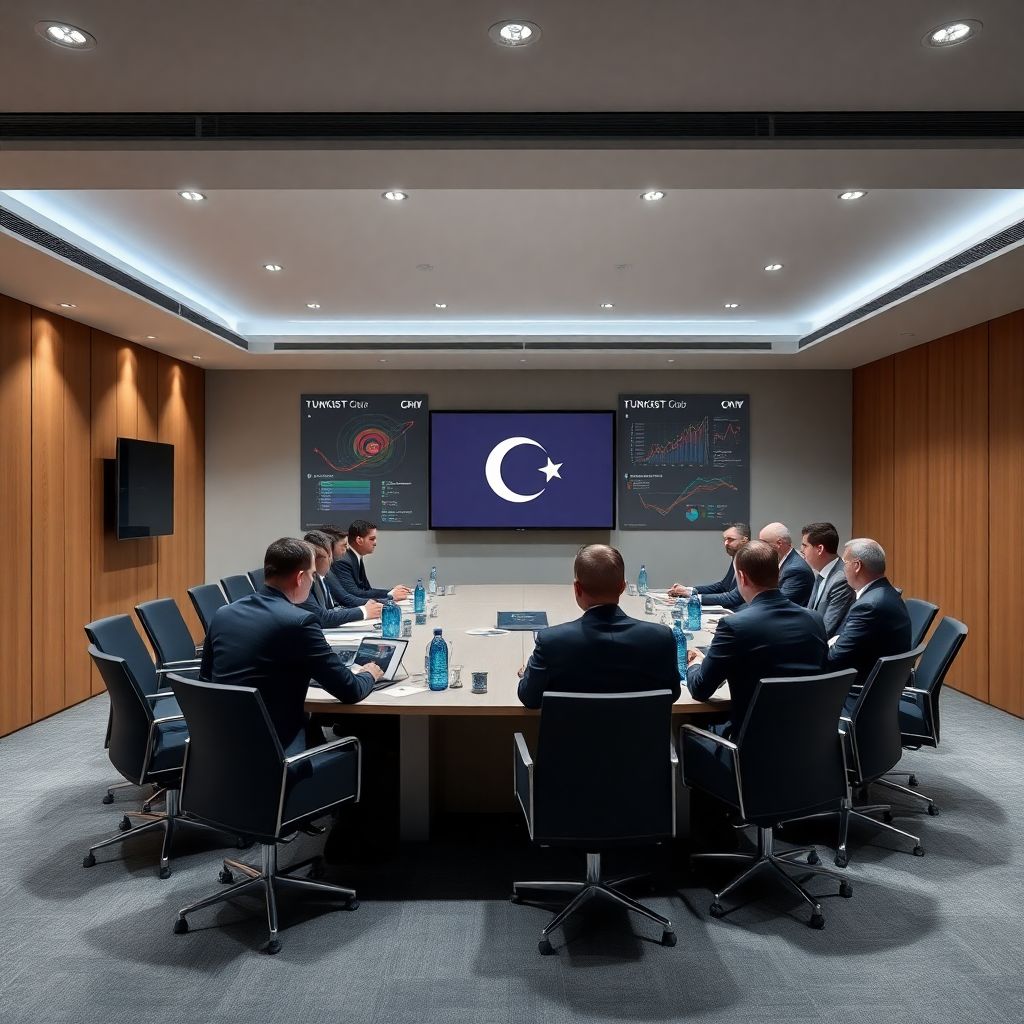
Turkey can realistically become a regular World Cup participant if the federation aligns coaching, youth development, sports science and governance around one clear target: qualifying in every cycle. This roadmap focuses on safe, practical steps: strengthening the current squad environment, rebuilding the pipeline, using data smarter, and giving coaches stable, long‑term structures.
Core milestones for Turkey’s World Cup consistency
- Stabilise coaching philosophy and selection criteria for at least one full World Cup cycle.
- Raise physical and tactical standards through centralised sports science and data support to clubs.
- Install a clear youth pathway from U15 to senior team with defined benchmarks at each age.
- Create a repeatable qualification game model tailored to European opponents and key away fixtures.
- Align federation, clubs and sponsors around long‑term funding instead of short tournament bonuses.
- Turn fan interest in Turkey World Cup qualifiers tickets and Turkey national team fan merchandise into predictable revenue for development.
Assessment: current squad, coaching and infrastructure gaps

This roadmap suits federation staff, club technical directors and analysts who want a structured, step‑by‑step plan rather than quick fixes. It is less useful if decision‑makers change every season or if there is no basic agreement on playing style for the Milli Takım.
Start with a calm audit instead of another overhaul. Focus on three fronts.
1. Current squad and selection
- Problem: Selection often reacts to short club form and public pressure.
- Solution: Define a stable core of players for key positions and objective selection criteria (physical data, tactical fit, consistency).
- Metric: Share of minutes played by the top 18 players over a full qualification campaign.
2. Coaching philosophy and staff structure
- Problem: Frequent head coach changes and inconsistent staff roles.
- Solution: Lock one main game idea (pressing height, build‑up risk level, defensive block) and retain core assistants and analysts across coaches.
- Metric: Number of major staff changes per four‑year cycle.
3. Infrastructure and support environment
- Problem: Fragmented data, inconsistent medical standards, limited integration with clubs.
- Solution: Centralise data, sports science, and medical protocols at federation level; offer shared dashboards and standards to clubs.
- Metric: Percentage of national‑team pool players monitored in a single integrated data system.
Immediate steps (0-24 months) to professionalize preparation
The short term is about tools, routines and communication, not new stadiums. These are the baseline requirements.
Core requirements and tools

- Unified data and video platform: One system covering domestic league, major European leagues, youth national teams and opponents.
- Sports science team: Full‑time federation staff for load management, recovery, travel planning and individual conditioning plans.
- Match preparation unit: Dedicated analysts for qualification opponents, plus a template briefing format for staff and players.
- Fan and revenue strategy: Structured approach to Turkey national football team jersey design, Turkey national team fan merchandise and Turkey World Cup odds betting sponsor integration.
Short-/medium-/long-term actions vs measurable targets
| Time horizon | Priority actions | Key performance indicators (KPIs) |
|---|---|---|
| 0-24 months (short term) |
|
|
| 3-6 years (medium term) |
|
|
| 7+ years (long term) |
|
|
Practical enablers in the next 24 months
- Coordinate with airlines on predictable, low‑stress flights to Turkey for football matches and away fixtures, optimising recovery windows.
- Integrate ticketing, fan experience and Turkey World Cup qualifiers tickets sales with performance analytics (e.g., atmosphere, home advantage).
- Negotiate centralised deals for technology (tracking, GPS, analytics) to reduce costs for clubs.
Building the pipeline (3-6 years): youth systems and domestic bridge programs
This section outlines a safe, realistic sequence of steps to transform youth development without destabilising clubs.
- Define a national game model for youth teams.
Agree on core principles: pressing intensity, build‑up patterns, use of full‑backs, and roles for key positions. Use the same language and diagrams across U15, U17, U19 and U21 teams.- Problem: Disconnected styles between youth and seniors.
- Solution: One national playbook, adapted by age but identical in concepts.
- Metric: Consistency of tactical behaviours seen in youth and senior match video.
- Standardise training curriculum with flexible club input.
Publish a recommended weekly structure for different age categories that clubs can adapt to their context without losing core principles.- Problem: Uneven technical and tactical education between regions.
- Solution: Shared drills, periodisation guidelines and physical benchmarks.
- Metric: More youth players arriving in camps already familiar with national exercises.
- Create regional high‑performance centres.
Instead of relying only on big‑city clubs, set up federation‑run centres where selected talents train a few times per month with enhanced coaching and sports science.- Problem: Talents outside major clubs lack exposure and elite training.
- Solution: Satellite centres feeding into youth national teams.
- Metric: Increased number of regional players called up to youth squads.
- Bridge U17-U21 to senior level with clear milestones.
Define thresholds for physical data, minutes at club level and tactical understanding required to move from one age group to the next.- Problem: Talented players stuck between youth and senior teams.
- Solution: Individual development plans including loan strategies and position‑specific work.
- Metric: Shorter average time from U19 debut to first senior cap.
- Use domestic competitions as testing grounds.
Cooperate with the league to incentivise minutes for young domestic players, possibly through squad rules or prize mechanisms agreed with clubs.- Problem: Limited competitive minutes for young players in pressure games.
- Solution: Encourage clubs to trust youth in key roles, not just late substitutions.
- Metric: More under‑defined‑age players accumulating full‑match minutes per season.
- Connect fan culture to youth development.
Link merchandise and match‑day experiences to emerging talents: promote youth players on the Turkey national football team jersey designs, and highlight academy graduates in marketing.- Problem: Youth squads are invisible compared to the senior team.
- Solution: Use Turkey national team fan merchandise and media content to make fans follow the entire pathway.
- Metric: Increased attendance and viewership of youth national matches.
Быстрый режим: compressed 3-6 year pipeline plan
- Publish one national game model and curriculum within a single season and share it across all academies.
- Launch at least two regional high‑performance centres and expand gradually based on demand.
- Set clear promotion criteria from U17 to U21 to senior, plus loan guidelines for key positions.
- Tie sponsor deals and media rights to visibility of youth matches and academy stories.
Qualification blueprint: tactical templates and opponent-specific planning
Use this checklist to verify that World Cup qualification planning is complete and repeatable, not improvised.
- There is a written primary game model plus at least one alternative shape for chasing or protecting results.
- For each qualification opponent, there is a living dossier including tendencies, set‑piece routines and key match‑ups.
- Staff can explain in simple terms how pressing height, build‑up risk and block depth change depending on venue and opponent rank.
- Matchweek routines (arrival, training content, video meetings) are standardised for both home and away qualifiers.
- Set‑pieces (offensive and defensive) are designed and rehearsed as a weapon, not an afterthought, with specific player roles.
- Contingency plans exist for injuries or suspensions in every key position, including pre‑planned role swaps.
- Psychological preparation is embedded: penalty strategies, dealing with hostile atmospheres, and managing refereeing frustrations.
- Analysts review not just results but performance indicators, so that narrow wins do not hide structural issues.
- Fan travel, atmosphere and Turkey World Cup qualifiers tickets strategy are aligned to maximise home advantage and manageable away support.
Performance backbone: sports science, data and injury-prevention systems
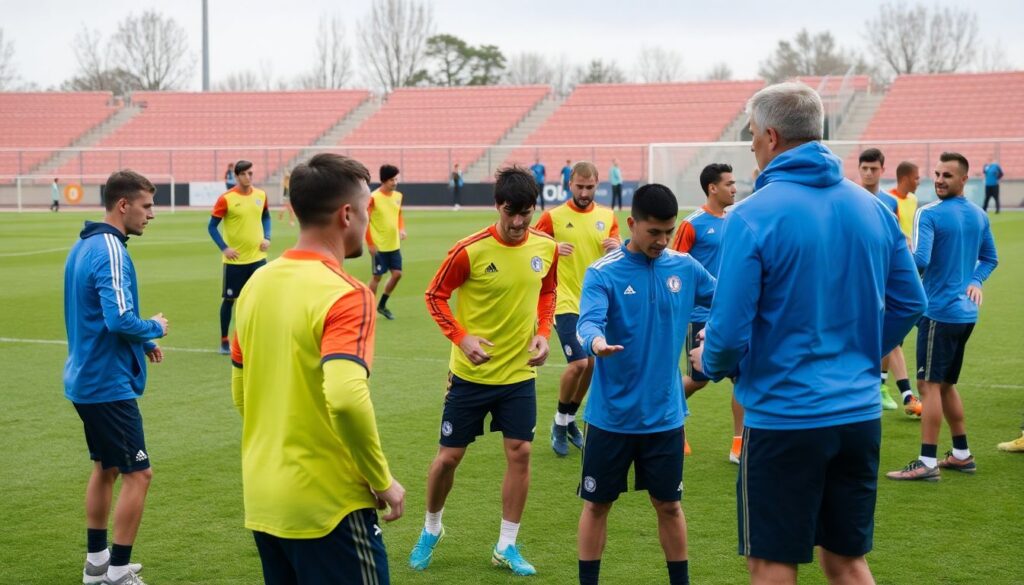
These are frequent mistakes that silently undermine qualification chances, even with good players and coaches.
- Relying on club fitness alone and not adjusting loads during national‑team camps.
- Ignoring individual injury histories and applying uniform training volume to all players.
- Focusing only on GPS distance data without linking it to tactical roles or match context.
- Compressing travel, media duties and commercial events into already tight recovery windows.
- Under‑investing in sleep, nutrition and jet‑lag protocols for long‑distance trips and flights to Turkey for football matches or away fixtures.
- Using video analysis only for opponents instead of also reviewing Turkey’s own physical and tactical output objectively.
- Failing to connect medical staff, conditioning coaches and analysts through shared platforms and regular meetings.
- Allowing sponsors or last‑minute marketing activations (e.g., jersey launches) to overload players just before key qualifiers.
- Not training high‑risk actions (sprints, accelerations, jumps) under controlled conditions, leading to game‑day overload and soft‑tissue injuries.
Institutional enablers: funding, federation governance and club cooperation
There is more than one way to build the institutional base. These options can be combined depending on political and financial realities.
- Federation‑centric model: The federation leads on data, coach education, youth curriculum and high‑performance centres, while clubs adopt recommended standards. This works when central leadership is stable and trusted.
- Club‑driven alliance: Big clubs and academies form a technical alliance, agree on shared principles, and the federation endorses and coordinates. This is useful when clubs control most resources and influence.
- Public-private partnership: Government, federation and major sponsors co‑fund infrastructure and long‑term contracts, linking investment to transparent development milestones rather than short‑term results.
- Commercial ecosystem focus: Build sustainable revenue from Turkey national football team jersey sales, Turkey World Cup odds betting partnerships (within regulations), Turkey national team fan merchandise and broadcasting, with a fixed share ring‑fenced for youth and sports science.
Quick answers on implementation, timelines and measurable targets
How long until Turkey can realistically qualify for consecutive World Cups?
With stable coaching, basic sports science structures and tactical clarity, targeting consecutive qualifications over two cycles is realistic. The key is keeping the same direction even when individual results fluctuate.
What is the first concrete step the federation should take in the next season?
Agree on a written game model and staff structure, then appoint or confirm a head coach whose philosophy fits that model. Parallel to this, launch a unified data and video platform linking clubs and national teams.
How can clubs be convinced to support youth pathway changes?
Show how shared curricula and regional centres reduce their costs and risk, then add tangible incentives such as exposure, transfer opportunities and potential bonuses tied to youth minutes and national‑team selection.
Do these changes require building new stadiums or training complexes?
No. The roadmap prioritises better use of current facilities, smarter scheduling, and centralised expertise. Physical infrastructure upgrades are helpful but not essential for the first 3-6 years.
What metrics should be tracked every season to stay on course?
Monitor minutes played by domestic‑developed players, injury rates in national‑team camps, stability of the coaching staff, progression of youth internationals to senior caps, and performance in key qualification matches.
How should fan engagement be used without distracting players?
Plan jersey launches, merchandise campaigns and sponsor activations away from critical preparation windows. Use digital channels and off‑season periods to build excitement without compressing players’ recovery and focus time.
Is copying another country’s model a good idea?
Use successful countries only as references. Adapt their principles to Turkey’s league structure, culture, and talent profile instead of copying details that may not fit local realities.