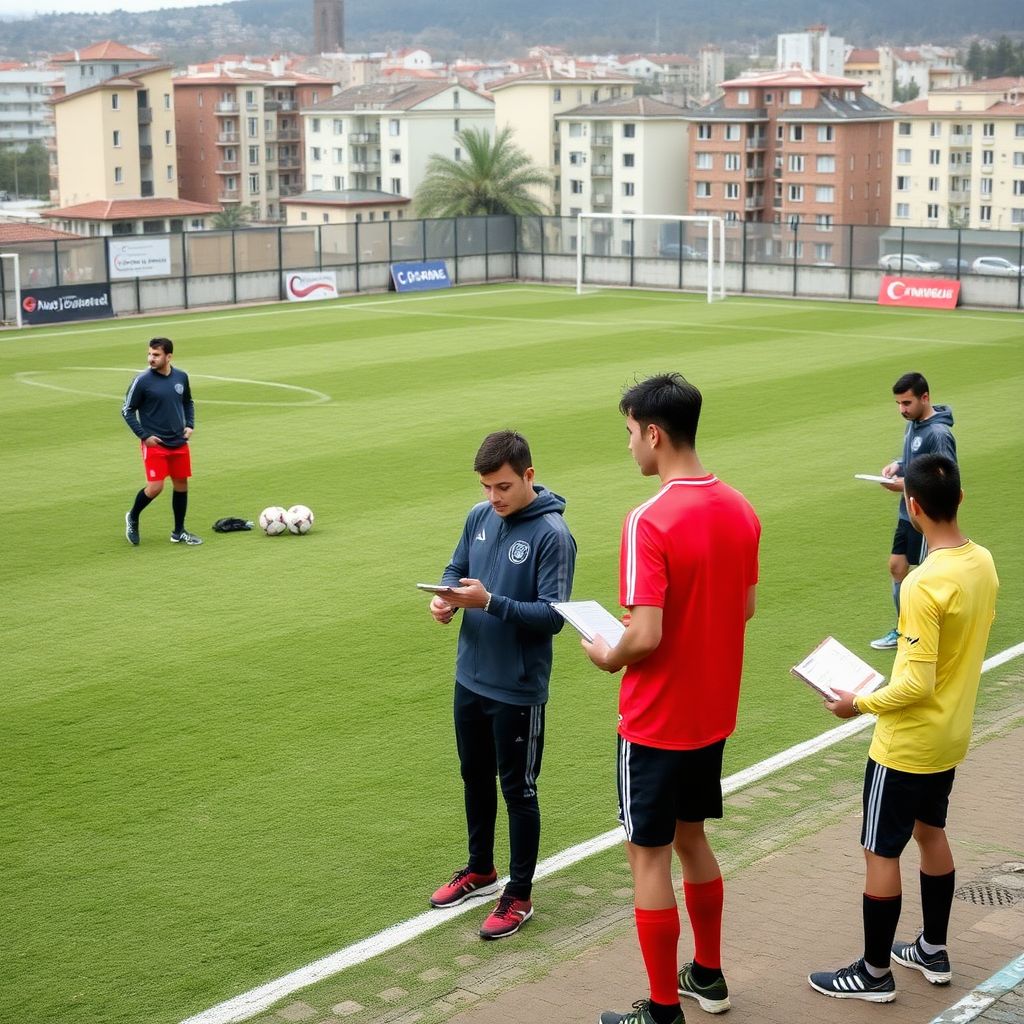
Even the biggest global stars often came from modest academies built on smart coaching, clear structures and patient development. Turkish clubs and local schools can copy these low-cost ideas: tighter individual planning, smarter scouting, holistic support and realistic pathways, instead of chasing expensive facilities or short-term transfer solutions.
Actionable lessons from star trajectories
- Prioritise consistent, high-quality coaching and clear game models over expensive infrastructure upgrades.
- Build individual development plans that track tactical, technical and psychological growth each season.
- Use low-cost video and data to analyse training and matches, not just to prepare for opponents.
- Create visible pathways from local school football into club academies and senior squads.
- Integrate education, language and life-skills to prepare players for opportunities locally and abroad.
- Develop partnerships for professional football trials for youth players instead of paying unreliable agents.
Case studies: global stars who emerged from modest academies
This approach suits Turkish clubs, belediye sports schools and regional academies that have limited budgets but strong coaching staff and community support. It is ideal for environments that can guarantee safe training spaces, basic equipment and regular competition but cannot invest heavily in buildings or marketing.
It is not a good fit for organisations expecting instant financial return from player sales or quick fame in European markets. If board members are unwilling to invest at least several seasons into a structured youth philosophy, or if coaches change constantly, many of the lessons from modest academies will fail in practice.
Many global stars grew up in small, disciplined environments rather than famous “brand” academies. These clubs focused on clear playing style, repetitive technical work, strong school links and psychological support at home. They built relationships for football academy scholarships abroad only after players had a strong base, not as a shortcut.
For Turkish context, the most useful models are provincial academies in Europe and South America that work with similar social realities: mixed education levels, limited facilities, and parents who need proof that football can coexist with school. Their success shows that the best youth football academies in Turkey do not need to copy big-spending giants, but rather their processes and standards.
Shared development patterns that produced elite pros
To reproduce those successes in Turkey, you need a set of basic tools, structures and agreements. Most are organisational, not financial, and can be implemented step by step across a district or club network.
- Clear long-term game model – A written document describing how all age groups should play with the ball, without the ball and in transition. It should guide session design and player profiles for each position.
- Age-grouped training curriculum – Structured plans for each age (U9, U11, U13, etc.), covering technical, tactical, physical and psychological targets. This can be a shared Google Drive or printed folders accessible to all staff.
- Coach education and alignment – Regular in-club workshops where head coaches demonstrate training sessions, share video and align terminology. Formal federation licences help, but internal alignment is more important.
- Monitoring tools and KPIs – Simple metrics like training attendance, minutes played per season, positional flexibility, technical benchmarks and school performance. Keep season-by-season records so you can track progress and justify selection decisions.
- School and family partnerships – Agreements with local schools to coordinate training and exams, plus parent meetings that explain expectations, study support and behaviour standards.
- External exposure channels – Trusted contacts for elite football training camps for young players, small joint tournaments, and reliable partners who occasionally organise professional football trials for youth players under safe conditions.
Low-cost coaching structures and training curricula that worked
Before applying the following steps in a Turkish youth system, consider these risks and limitations so you can adapt safely:
- Overloading players with too many training hours can harm health and school performance.
- Copying foreign drills without adapting to local facilities and cultural context can reduce engagement.
- Promising football academy scholarships abroad too early creates unrealistic expectations and pressure.
- Excessive competition focus at very young ages may lead to burnout and dropout.
- Insufficient coach education can turn a good syllabus into poor, boring sessions.
Use this step-by-step structure as a practical template that any Turkish club or municipality academy can adapt with minimal cost.
-
Define your club identity and age-specific goals
Write a short document explaining your playing style and how each age group will contribute to it. Keep language simple so all coaches, parents and players understand.
- Describe 3-4 key principles with the ball (e.g. build from the back, support the ball carrier).
- Describe 3-4 key principles without the ball (e.g. press as a unit, protect central areas).
- Clarify long-term goals: supplying your first team, local universities, or external clubs.
-
Build a weekly micro-structure for each age group
Instead of random drills, decide what each day of the week focuses on for every age group. Align this with school schedules and religious or family commitments in your area.
- For example, one day can prioritise technique, another small-sided games, and another match preparation.
- Limit total weekly load based on age to avoid injuries and protect academic performance.
- Schedule regular rest days and light, fun sessions to reduce burnout risk.
-
Design core technical themes per age bracket
Assign main technical topics to each development stage and repeat them across seasons with higher complexity. Use simple, reusable drills that work in small spaces with basic equipment.
- For younger players, prioritise ball mastery, 1v1 skills and basic passing-receiving.
- For middle ages, add position-specific skills, first touch under pressure and crossing/finishing.
- For older youth, integrate technical work into tactical situations and match-like intensity.
-
Integrate game understanding into every session
Even in modest academies, global stars learned tactics early through small-sided games and simple questions. Make sure every session ends with some game-based learning, not just drills.
- Use small-sided games with specific rules to highlight your game model (e.g. reward forward passes).
- Ask players to explain what they saw and how they solved situations.
- Record short clips on phones to review key moments together after training.
-
Create and maintain individual development plans (IDPs)
For each player, set a small number of clear, measurable objectives per season. Review them every few months with the player and parents to align expectations and reduce conflict.
- Include technical, tactical, physical and psychological items, plus school-related goals.
- Use simple rating scales and notes rather than complex software to reduce admin burden.
- Ensure that objectives are realistic for your training environment and match level.
-
Implement low-cost video and data feedback
You do not need expensive systems to benefit from analysis. Use phones or basic cameras to capture training and games, focusing on key learning themes rather than every action.
- Clip short examples of good and bad decisions to show players during team meetings.
- Track simple stats per season (minutes, positions played, goals, key defensive actions).
- Use these records to support selection decisions and show transparent pathways.
-
Plan safe and realistic exposure opportunities
Instead of random trips, build annual calendars with selected tournaments, joint sessions and trustworthy showcases. Link these to your development milestones rather than marketing promises.
- Partner with regional academies to organise joint festivals or mini-leagues.
- Collaborate with licensed agencies or clubs when considering professional football trials for youth players.
- Integrate occasional elite football training camps for young players only when players are ready technically and mentally.
Scouting, selection and retention strategies on limited budgets
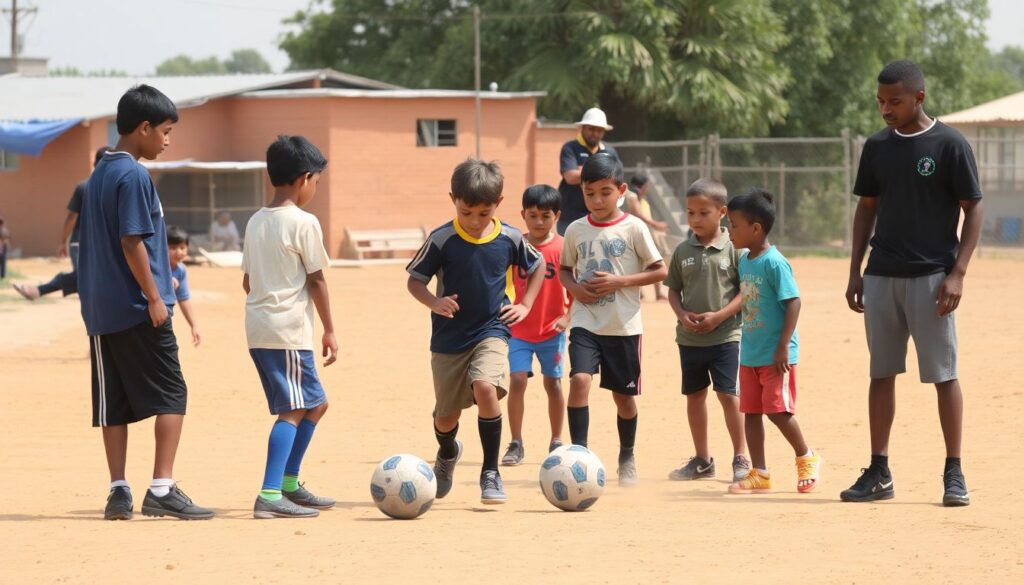
Use this checklist to test whether your modest academy is building a scouting and retention system similar to those that produced world stars.
- You scout consistently in local schools, amateur clubs and community tournaments, not only in big city events.
- Your selection criteria include attitude, learning capacity and family support, not just early physical maturity.
- You avoid over-concentrating on one birth year and actively search for late developers every season.
- There is a documented process for how to get scouted by European football clubs, including education and language preparation, not only match clips.
- You provide clear communication to parents about selection and deselection, with feedback and suggestions for next steps.
- Retention plans include scholarship or fee-reduction options for talented but financially limited players.
- Local networks with schools and municipalities feed a steady flow of trialists into your academy.
- When players leave, you track where they go and maintain relationships, creating potential future partnerships.
- You prioritise internal promotions from younger age groups rather than signing external players just before key competitions.
- Scouting trips and events are budgeted realistically, with clear goals and post-event evaluations.
Holistic player development: psychology, education and resilience
Many modest academies fail not because of training quality, but due to avoidable mistakes off the pitch. Avoid these common errors when adapting global lessons to Turkish youth systems.
- Ignoring school progress, leading to family resistance and players dropping out during exam years.
- Over-emphasising early results and trophies, which increases anxiety and reduces long-term learning.
- Allowing verbal abuse or humiliation as “motivation”, damaging confidence and trust.
- Failing to involve parents with regular meetings, so rumours and misinformation replace direct communication.
- Promising contracts or football academy scholarships abroad without realistic assessment or written agreements.
- Neglecting mental health, with no basic support for players facing pressure, social media issues or family problems.
- Not teaching basic life skills such as time management, nutrition, sleep habits and online behaviour.
- Overloading talented players with multiple teams and competitions without monitoring fatigue or injury risk.
- Leaving released players without guidance, harming the academy’s reputation and community trust.
- Ignoring cultural and religious realities in Turkey when designing schedules, nutrition and travel plans.
Practical roadmap for upgrading Turkish youth systems
There is no single path; different Turkish regions and clubs can choose from several safe, realistic models inspired by modest academies that produced world stars.
- Local community hub model – Ideal for belediye clubs and school partnerships in smaller cities. Focus on building one central training hub, shared curricula, and strong school links, with occasional regional tournaments for visibility.
- Club-led professional pathway model – Suitable for professional clubs already competing at national level. Create a vertically integrated system from U9 to first team, with clear internal promotion rules and strategic relationships for football academy scholarships abroad when players reach late-teen stages.
- Regional collaboration model – Best for areas where individual clubs are weak but the overall player base is strong. Form alliances between amateur clubs, schools and one anchor club to share coaches, facilities and a single long-term curriculum.
- Hybrid school-academy model – Works well in big cities with strong private or Anatolian high schools. Integrate timetable-friendly training, academic tutoring and planned exposure trips, plus structured participation in elite football training camps for young players and carefully selected international tournaments.
Concise answers to frequent implementation challenges
How can a small Turkish club start without extra budget?
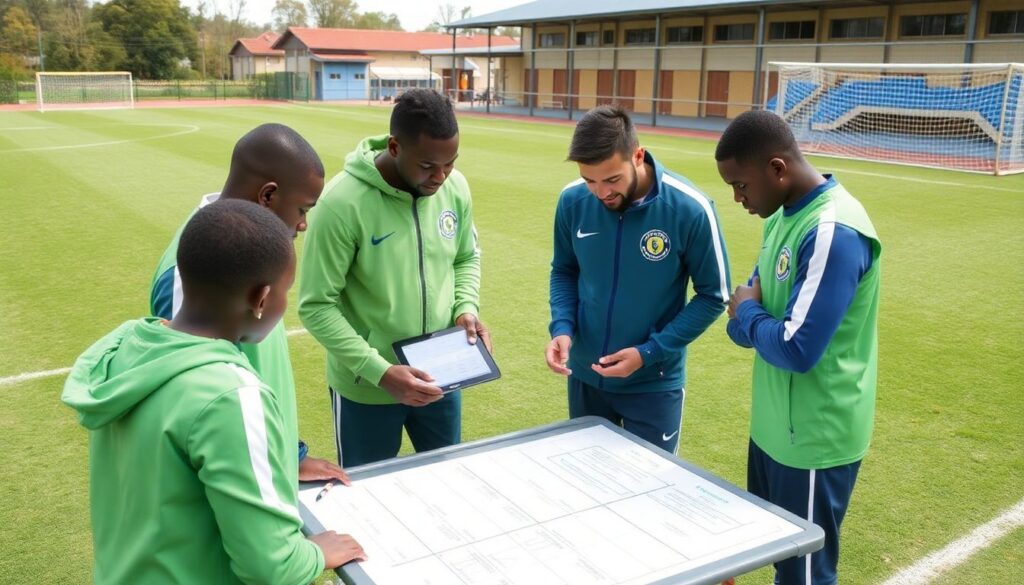
Begin by standardising your training week, sharing a simple game model and creating basic individual development plans. Use existing school pitches, volunteer staff and free digital tools before investing in new facilities or paid platforms.
What is a realistic timeline to see improvements in player quality?
You can expect clearer team structure and better training habits within one season. Visible changes in individual decision-making, resilience and tactical understanding usually require several full seasons of consistent work.
How should we work with parents who push too hard for early exposure?
Hold regular education sessions explaining long-term development, risks of early specialisation and safe options for professional football trials for youth players. Offer transparent criteria for external opportunities so parents can trust the process.
Do we need expensive technology to analyse matches?
No. Simple phone recordings and basic statistics are enough to start. Focus on capturing key learning situations, then discuss them with players in short, structured meetings rather than trying to film and code everything.
How can players from modest academies reach European clubs?
Build strong fundamentals first, then create a portfolio of match video, consistent school results and language skills. Connect with reputable partners who understand how to get scouted by European football clubs and avoid promises that bypass education and legal safeguards.
Is it necessary to copy the methods of the best-known academies in Europe?
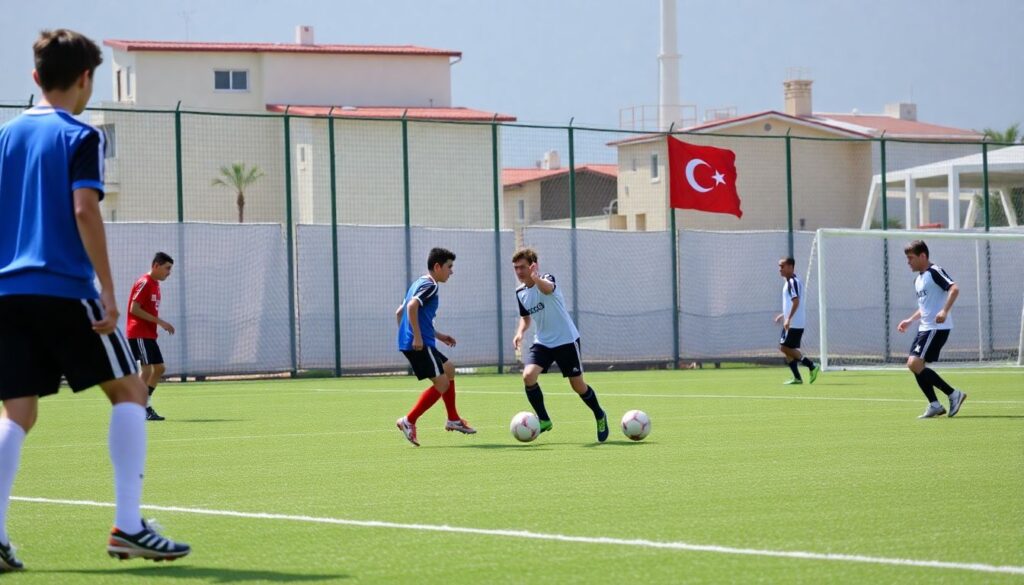
No. Adapt core principles-clear identity, structured curricula, holistic support-to Turkish realities. Observe the best youth football academies in Turkey and similar modest academies abroad, then combine their low-cost ideas instead of copying expensive details.
How do we prevent burnout in talented young players?
Monitor total weekly load across school, club and other activities, and schedule regular rest periods. Rotate positions and roles, keep some sessions fun and low-pressure, and pay attention to mood, sleep and motivation changes.