Why the Move to Europe’s Top 5 Leagues Is So Tricky for Turkish Players

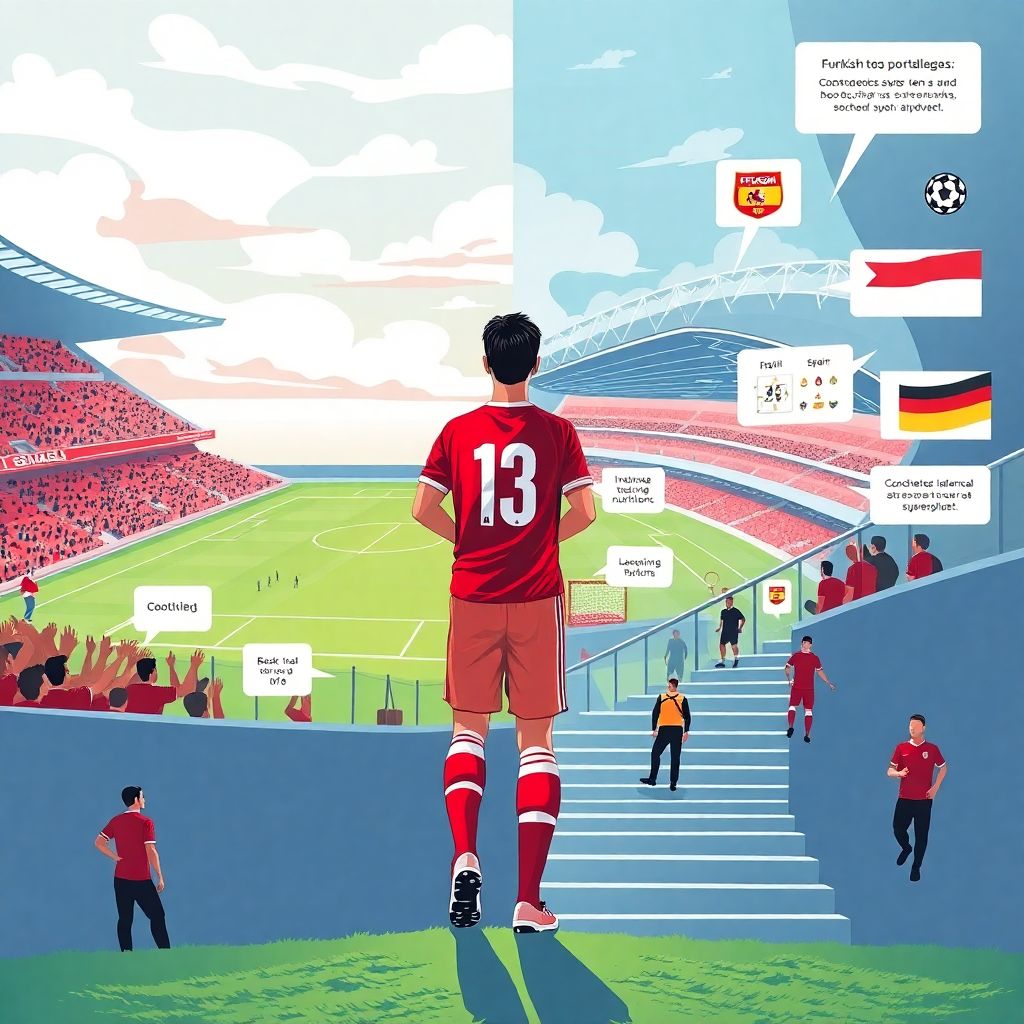
When you look at Turkish players in top European leagues, the pattern is messy: a few big hits, a lot of frustrating misses, and plenty of “what if” stories. The jump from Süper Lig to Premier League, La Liga, Serie A, Bundesliga or Ligue 1 isn’t just about talent; it’s about adapting to a completely different football ecosystem. Training intensity, tactics, lifestyle and media pressure all spike at once. If you’re a player, agent, coach or academy director, understanding this gap in detail is the difference between a short, painful loan spell and a stable five‑year contract. Let’s break it down in a practical, no‑nonsense way.
Real Cases: Who Actually Cracked It, and Who Didn’t?

Think about Çağlar Söyüncü and İlkay Gündoğan versus talents who arrived with hype and quietly faded. The success of Turkish players in Europe top 5 leagues usually comes when they move early, accept a smaller role at first, and grow into the tempo. Gündoğan polished his game in Germany before becoming a leader in England and Spain. On the flip side, some stars leave Turkey as finished products in their own minds, ignore feedback, and become rigid. If you’re advising a player, that mindset shift—“I’m back to being a learner”—is often more decisive than pure ability.
Main Hidden Traps: Beyond “Level of Football” Clichés
People love to say “the level is higher,” but that’s lazy. The real challenges for Turkish players moving to European leagues are micro, not macro: pressing triggers, off‑ball habits, nutrition control, and strict internal discipline. In Europe’s elite clubs, a winger who doesn’t track runners for 95 minutes gets benched, no matter how magical his dribbling looks. Some arrive from the Süper Lig where star status brings protection; suddenly they’re just squad player number 18. If you’re a young prospect, start developing those “boring” habits at home: defensive positioning, gym routines, game‑by‑game video analysis.
Why Some Turkish Footballers Fail in Europe (And How to Avoid It)
If you want a blunt checklist of why Turkish footballers fail in Europe, it often boils down to three things: late tactical education, weak language skills, and entourage drama. Coaches in the top 5 leagues won’t redesign a game plan around you; you either fit the system or you don’t play. Without English or another major language, meetings and subtle tactical instructions go over your head. Then add friends and relatives demanding instant playing time or transfers, and your focus gets shredded. The fix sounds simple but isn’t: arrive with a long‑term plan, not a “six‑month shop window” fantasy.
Realistic Pathways: Not Everyone Needs to Jump Straight to a Giant
One alternative that works well: using stepping‑stone clubs instead of chasing a big badge. Many of the best Turkish players in Premier League La Liga Serie A didn’t move straight from Istanbul to a superclub. They built their game at mid‑table teams or in Germany, where the culture and community were easier to handle. For players and agents, that means redefining “status”: a stable role at a mid‑tier Bundesliga side might be far more valuable than bench‑warming at a Champions League contender. The key metric shouldn’t be Instagram followers; it should be minutes played in your best position.
Non‑Obvious Solutions Clubs Can Use Immediately
If you work inside a European club recruiting from Turkey, there are a few underused tools. Start with an individual adaptation plan that goes beyond generic “integration.” Assign a bilingual mentor in the squad, arrange weekly tactical translation sessions, and design gym work tailored to Süper Lig profiles—where aerobic base is often decent but high‑intensity repeat sprints lag behind. Build in regular feedback loops: short, sharp video sessions focusing on one behaviour at a time. Instead of overwhelming a new signing with ten tactical demands, lock in one habit per week. This micro‑coaching drastically raises the odds of that transfer paying off.
Lifehacks for Players: How to Survive the First Season
For a Turkish player landing in England, Spain or Italy, the first season is about survival and credibility. A few practical lifehacks: arrive pre‑season in better shape than the fitness test requires; don’t use those first weeks just to “get fit.” Hire a local language tutor before the transfer is even announced. Keep your social circle tight: one agent, one family contact, one performance coach—no circus. And in training, over‑communicate tactically, even with basic words and gestures. Coaches trust players who talk, point, and show understanding, even if they’re not fluent yet. That trust buys you patience when you inevitably make mistakes.
Alternative Development Methods Before Moving Abroad
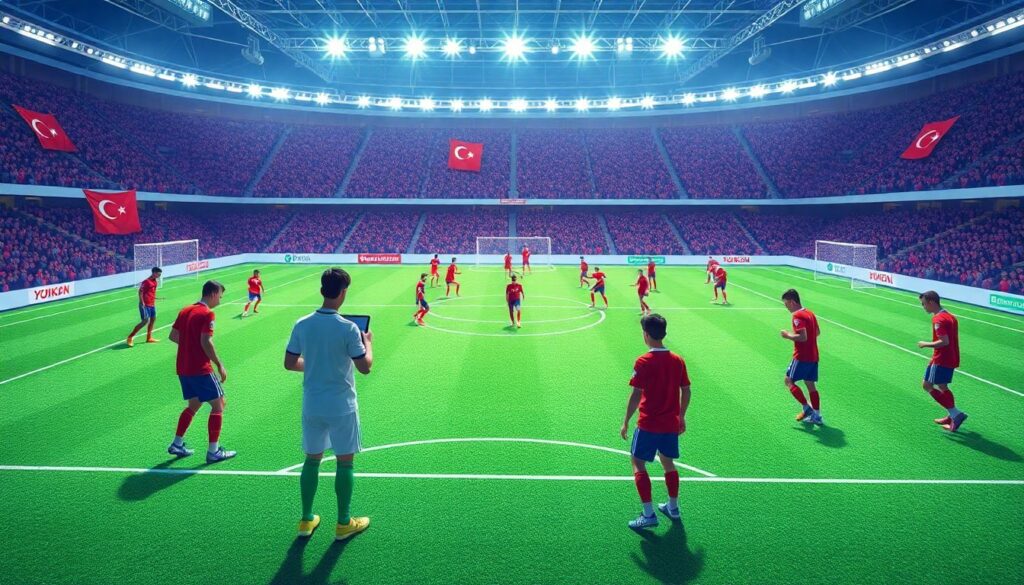
Academies in Turkey can prep players more intelligently. Instead of only copying match models from big European clubs, they should train behaviours that travel well: pressing standards, scanning before receiving, and building resilience through controlled adversity. For example, simulate away‑day intensity: hostile crowds, strict refereeing, no‑excuse fitness targets. Record training sessions and run mini video‑reviews where players explain decisions aloud—in English if possible. This way, when they join Turkish players in top European leagues, they’re already used to explaining their thinking to coaches and staff, not just playing on instinct or emotion.
Practical Checklist for Agents and Coaches
For professionals around the player, it helps to run through a clear, practical list before any move:
1. Is the coach’s system compatible with the player’s strengths and weaknesses?
2. Is there at least one staff member who speaks Turkish or a common language fluently?
3. Does the club have a proven track record with foreign youngsters?
4. Is there a realistic path to 1,500+ minutes in the first two seasons?
5. Has the player already lived away from home for at least a year?
Ticking most of these boxes massively improves the chance that the transfer turns into a case study for the success of Turkish players in Europe top 5 leagues, not another cautionary tale.
Turning Struggle into a Repeatable Success Model
If you zoom out, the pattern is clear: raw talent is not the issue. The gap lies in preparation, environment choice and daily behaviour. When a player accepts that Europe will challenge his ego, when a club invests early in language, tactics and physical adaptation, and when agents prioritise minutes over marketing, the odds flip. The goal now isn’t just to celebrate a few isolated stars, but to build a repeatable model that regularly delivers resilient, tactically sharp Turkish professionals who don’t just arrive in Europe—they stick, evolve and lead.