Is There Really a “Turkish Style” – Or Just a Myth?
When you zoom in on Turkey’s tactical identity, the first surprise is how hard it is to reduce it to a neat label like “catenaccio” or “tiki-taka”. Historically, Turkish teams have mixed emotional, high-tempo football with quite pragmatic structures, but the blend shifts dramatically between clubs and generations. Any honest Turkish football style analysis has to accept this tension: the game culture is ultra‑emotional and crowd‑driven, yet the tactical layer borrows heavily from Italy, Germany and, more recently, Spain. So the core question isn’t “Is there a style?” but “Which constant patterns survive all these imports and fashion trends?”
Historical DNA: Aggression, Transitions, Crowd-Driven Momentum
Look back at Galatasaray’s UEFA Cup win in 2000 or the national team’s World Cup 2002 and Euro 2008 runs and you see recurring traits. Structurally, those sides defended in fairly standard 4‑4‑2 / 4‑2‑3‑1 shapes, but the real edge came from explosive transition play, intense pressing waves and high emotional resilience. Momentum swings were weaponised: once the stadium ignited, the team attacked in surges with five‑six players, accepting defensive risk. This was less about positional play and more about synchronised chaos, powered by short passing combinations and aggressive second‑ball hunting.
Real Cases: From Galatasaray 2000 to Başakşehir’s Title
The Galatasaray of Fatih Terim and Mircea Lucescu built their success on compactness plus ruthless counters: Hagi dropping between the lines, wide midfielders narrowing to overload the half‑spaces, fullbacks bombing on to create 2v1s. Two decades later, Başakşehir’s 2019‑20 title run offered a contrasting model: slower tempo, rigid positional discipline and controlled rest defence, closer to Central European pragmatism than to the stereotype of Turkish football. This shows that “Turkishness” doesn’t lie in a specific shape, but in the willingness to fuse imported frameworks with locally accepted high‑risk phases when the game’s emotion demands it.
What Makes the Super Lig So Tactically Chaotic?
From the outside, a detailed Turkish Super Lig tactical analysis reveals apparent chaos: wild scorelines, huge home‑away performance gaps and constant managerial changes. Underneath, you can trace consistent structural issues. Lines often stretch vertically because midfields are built for creativity rather than control, pressing triggers are poorly synchronised, and rest defence is sacrificed to maintain attacking width. Add intense crowd pressure and title‑race anxiety, and you get matches that oscillate between cautious low blocks and frantic end‑to‑end battles within minutes. To fully grasp this environment, analysts really have to watch Turkish Super Lig live streaming with a focus on game states rather than formations.
Non-Obvious Tactical Patterns in Turkish Football
One hidden constant is the “emotional pressing button”: teams frequently decide to go ultra‑aggressive immediately after controversial refereeing moments, goals or big chances. This is rarely coded in pre‑match plans but is deeply embedded in team culture. Another pattern is asymmetric buildup: right‑footed playmakers gravitate to the left half‑space, with the opposite flank used mainly for depth runs. These structural habits shape chance creation much more than the officially listed system. Any serious Turkish football style analysis must therefore include behavioural triggers, not just chalkboard diagrams of 4‑3‑3 or 4‑2‑3‑1.
Case Study: Istanbul Giants vs Anatolian Clubs
The big Istanbul clubs historically relied on dominance through territory and individual duels, while many Anatolian teams specialized in vertical counter‑attacks. Recently, some provincial sides have flipped the script by investing in build‑up patterns and set‑piece sophistication, forcing the giants to defend deeper and longer than they are comfortable with. For example, ball‑playing centre‑backs in smaller clubs now often attract the first press to free their No. 6 behind the first line, exploiting the giants’ tendency to press man‑to‑man. This bottom‑up innovation pressures the traditional powers to evolve beyond pure talent advantage and crowd energy.
Coaching Methods: Why Importing Systems Isn’t Enough
Discussing the best Turkish football coaching methods, the problem isn’t tactical knowledge; many coaches are well‑versed in modern principles. The gap lies in adapting those principles to Turkish match rhythms and institutional instability. A coach might install complex positional play, but frequent board interference and transfer churn disrupt automatisms. Effective Turkish coaches therefore build modular game models: compact rest‑defence rules, clear pressing cues and 2‑3 core patterns in possession that survive player turnover. Instead of over‑detailing, they work on robust “if‑then” behaviours that hold under pressure, injuries and sudden tactical U‑turns from management.
Alternative Methods: Data, Micro-Cycles, and Cultural Fit
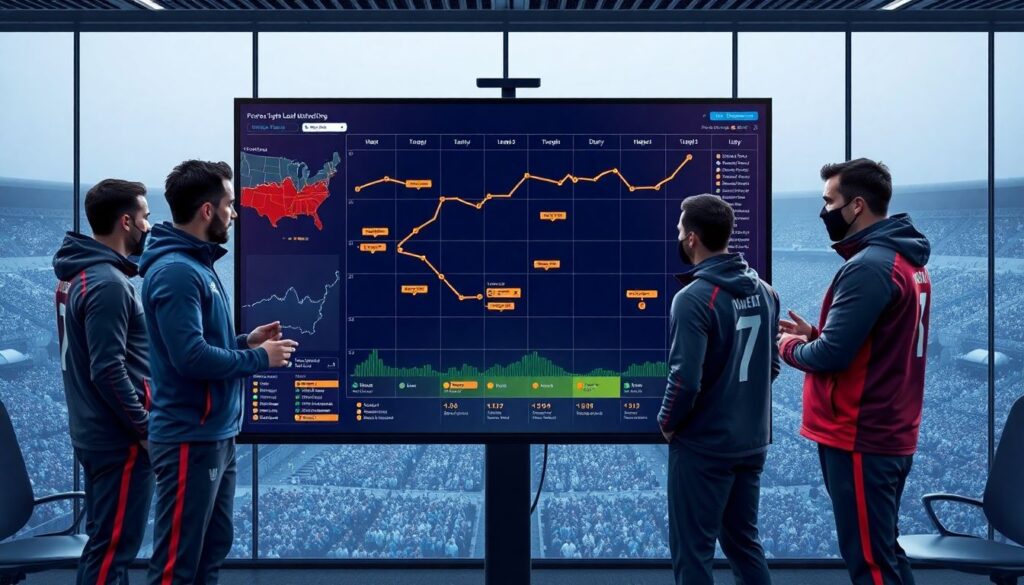
An emerging alternative is data‑driven micro‑cycle planning. Rather than copying European training templates, some staffs map the league’s specific load: travel stress, late‑night kickoffs, intense winter pitches. They then adjust weekly periodisation to peak for big‑game emotional spikes while reducing soft‑tissue injury risk. On the tactical side, simple metrics like “controlled entries conceded after our set pieces” reveal structural leakages in transition defence. Marrying this with video feedback helps players understand why a well‑meant forward run can destroy the team’s rest‑defence. These methods are less spectacular than slogans about “modern football”, but they produce more consistent outputs.
Lifehacks for Professionals Working in the Turkish Context
For analysts, coaches and scouts, the Turkish environment requires specific hacks rather than generic UEFA‑course wisdom. Instead of obsessing over formations, track three recurring variables: distance between lines, spacing of the double pivot in possession, and how quickly wingers transition from width to defensive compactness. A targeted Turkish football tactics online course that focuses on these “hinge behaviours” would be far more practical than a broad theory class. Also, pre‑plan scenario training around refereeing shocks and conceded goals, because emotional volatility isn’t a bug of the league; it is part of its competitive fabric and must be drilled.
Four Practical Adjustments for Coaches and Analysts
1. Calibrate pressing height to crowd energy: start medium block, then script when to jump into high press based on game state rather than minute mark.
2. Build two alternative buildup schemes (wide fullback vs inverted fullback) to avoid predictability against well‑prepared Anatolian sides.
3. In match analysis, tag “emotional events” (cards, VAR, crowd reaction) and correlate them with tactical breakdowns; redesign rules to be shock‑resistant.
4. Use set pieces as phase‑control tools, not just scoring chances: vary delivery and rest‑defence structure to freeze or accelerate tempo on demand.
How to Study Turkish Tactics in 2026

By 2026, resources for studying Turkish football are finally catching up with interest. Detailed platforms now offer integrated video and event data, making grassroots Turkish Super Lig tactical analysis accessible even for semi‑pro coaches abroad. The key, however, is not to binge on highlight reels but to rewatch full games from different tactical angles: once with focus on pressing, once on rest‑defence, once on role rotations in the half‑spaces. Combining this with interviews, training‑ground footage and local commentary helps decode why a decision that looks irrational analytically might be perfectly logical within the league’s cultural logic.
Future Outlook: Where Is the “Turkish Style” Heading?
Looking ahead from 2026, the likely trajectory is hybridisation rather than purification. Younger coaches educated in Europe bring structured pressing, compact mid‑blocks and set‑piece detail, while academies slowly improve their tactical education. At the same time, the league’s emotional intensity and crowd culture won’t disappear, ensuring that transitional, high‑tempo phases remain central. Expect more teams using 3‑2 rest‑defence shapes and inverted fullbacks to stabilise possession, but still willing to flip into all‑out attack when the stadium demands it. The distinct “Turkish style” of football may ultimately be defined not by a formation, but by how rational structures and emotional surges are deliberately combined.