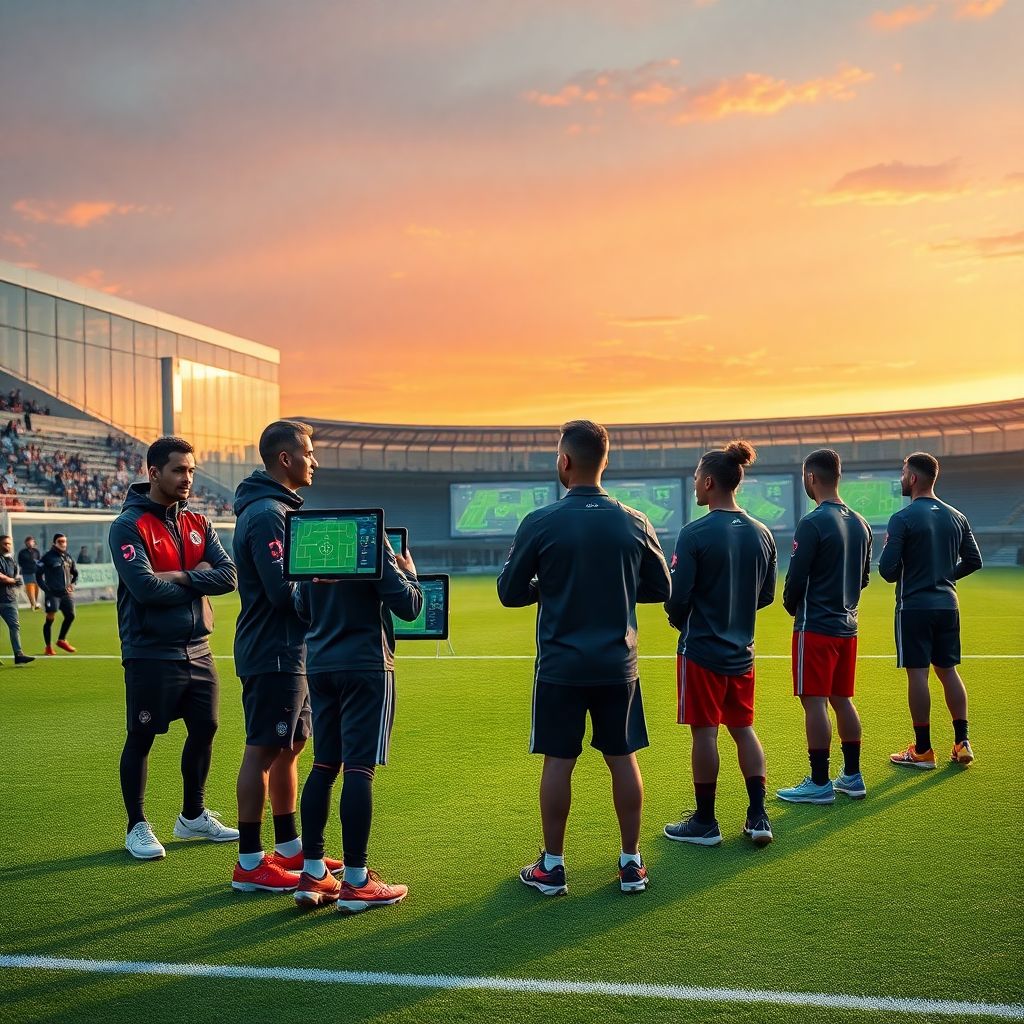
Coaching education has quietly become one of the strongest levers for changing Turkish football from the inside out. In 2026 we already see how better-trained coaches are reshaping academies, data departments and even fan expectations. Instead of relying only on raw talent and emotional motivation, clubs are investing in structured learning, mentorship models and evidence-based training methodology. That shift is slow and sometimes painful, but it is laying the groundwork for more sustainable success at both club and national-team level. The real question now is not whether coach education matters, but how deeply it will penetrate every tier of the Turkish game over the next decade.
Historical background of coaching education in Turkish football
For a long time coach education in Turkey was fragmented and personality-driven. Until the late 1990s, systematic Turkish football coach education programs were limited, and many managers built careers through former-player status rather than formal pedagogy. The Turkish FA gradually aligned with UEFA frameworks, but implementation lagged behind Western Europe. Grassroots courses were often theory-heavy, with little applied methodology, sports science or match analysis. The turning point came after Euro 2008 and the subsequent realization that tactical adaptability and player development systems mattered more than ad‑hoc motivation. Since then, every reform of licensing standards has increased pressure on clubs to integrate certified coaches from U7 to first team.
Core principles of modern coaching education
Modern coach education in Turkey now rests on several non‑negotiable principles: player-centered development, evidence-informed decision making and context-specific periodization. The best football academies for coaches in Turkey insist that trainees understand not only tactical models, but also motor learning, growth and maturation, and psychological load management. Instead of linear “fitness then ball work” sessions, instructors promote integrated game-based training, microcycles tailored to match congestion, and objective load monitoring. Another core principle is reflective practice: coaches are trained to analyze their own sessions via video, GPS and subjective wellness data, then adjust constraints and coaching cues accordingly. This creates a feedback loop where methodology is repeatedly stress‑tested in real competition environments.
• Focus on long-term player learning, not short-term match results
• Integration of sports science, analytics and psychology into daily work
• Continuous self-assessment through video, data and peer feedback
Practical implementation and learning pathways
On the ground, football coaching courses in Turkey have diversified and become more modular. Local federations and universities collaborate on blended formats that mix in-person practicums with online tactical analysis and sports science modules. Pathways now typically start with grassroots certificates, progress through national B and A levels, and then connect to UEFA coaching license Turkey requirements for elite roles. Elite clubs now operate internal coach academies where assistants, analysts and youth coaches rotate across age groups and departments. This horizontal exposure makes them more adaptable and less system-dependent. Importantly, internships at women’s teams and futsal squads are increasingly embedded, giving young coaches exposure to different game models and constraints-led teaching approaches.
• Rotational internships across academy age groups and women’s teams
• Shared video libraries and tactic boards for cross-club learning
• Mentorship structures pairing novice coaches with Pro-licensed staff
Certification systems and institutional frameworks
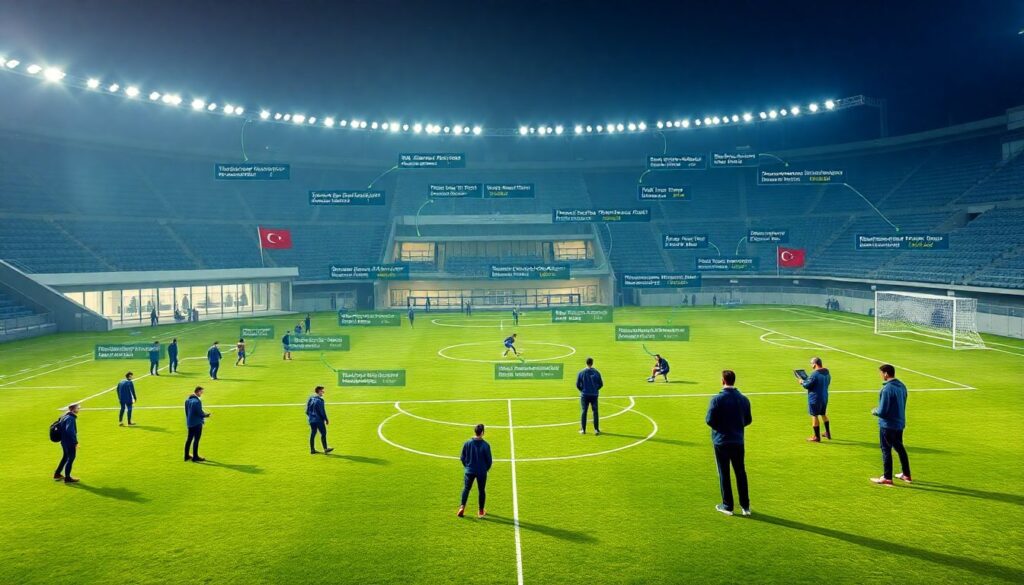
The ecosystem of professional football coaching certification Turkey is denser than it has ever been. Besides the Turkish FA, private institutes and university faculties of sport sciences offer specialized diplomas in performance analysis, youth development and goalkeeping methodology that stack with formal licenses. Many courses are delivered in English to facilitate mobility and access to international research. Advanced cohorts often work on capstone projects like designing club-wide game models or injury-prevention frameworks, which are then evaluated by mixed panels of academics and practitioners. At the elite level, UEFA badges and national licenses are now tightly linked, and renewal depends on documented continuous professional development, not just attendance at a one-off seminar.
Examples of systemic impact on clubs and players
The influence of structured education is increasingly visible in club operations. Several Süper Lig teams now recruit staff directly from Turkish football coach education programs, expecting graduates to arrive with fluency in video tagging, opposition scouting and age-appropriate coaching methodology. Academy training calendars show consistent microcycles from U13 to U19, using aligned terminology and shared principles of play. That coherence shortens the transition time to senior football and reduces tactical noise for prospects. We also see more individualized development plans, with coaches tracking each player’s technical, tactical and psycho-social progress across seasons. This data-driven continuity would be impossible without a workforce trained in measurement, documentation and longitudinal analysis.
Role of academies and learning hubs
In parallel, the best football academies for coaches in Turkey function as learning hubs rather than mere training centers. They host in‑house conferences, invite foreign experts and encourage coaches to present case studies, not just sit through lectures. Many collaborate with clubs in Europe to organize study visits where Turkish staff observe academy operations, session design and player review processes. These exchanges help local coaches benchmark their work against international standards. At the same time, academies are under pressure to prove impact: tracking how many graduates become head coaches, analysts or high-level youth coordinators. This outcome orientation is pushing programs to constantly refine curricula and select instructors with real field experience.
Frequent misconceptions about coach education
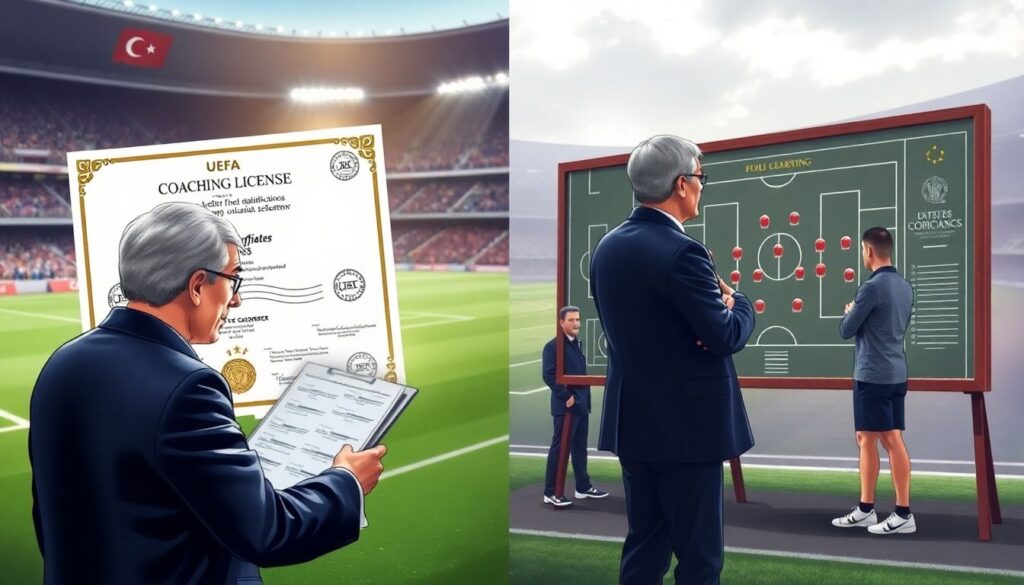
Despite progress, myths still slow down adoption. One misconception is that licenses guarantee competence, as if a UEFA coaching license Turkey automatically produced a tactically brilliant manager. In practice, licensing is a baseline, not a final verdict; applied learning and club environment still matter more. Another myth is that courses “kill creativity” by standardizing playing styles. In reality, robust education gives coaches a broader tactical vocabulary, enabling them to adapt and innovate instead of recycling clichés. There is also skepticism among some ex‑players who see education as a threat to experiential knowledge. Modern programs actually integrate playing experience, framing it with concepts like game principles, rest-defense structures and pitch geography, rather than dismissing it.
Access, equity and regional development
Access remains uneven across the country. Metropolitan areas enjoy dense networks of Turkish football coach education programs, while smaller cities and eastern regions often rely on sporadic workshops. This geographic gap influences talent development and tactical sophistication across leagues. In response, the federation and private providers have expanded regional centers and hybrid learning models, but infrastructural limitations persist. Online components solve only part of the problem, since practice-based assessment and live mentoring still require a physical pitch. Bridging this divide will be critical if Turkey wants a coherent national playing identity rather than isolated centers of excellence clustered around Istanbul, Ankara and Izmir. Policy decisions over the next five years will be decisive here.
Internationalization and career mobility
By 2026 more Turkish coaches than ever are working abroad, a direct byproduct of standardized certification. professional football coaching certification Turkey is increasingly recognized in the Gulf, Eastern Europe and parts of Asia, particularly when combined with UEFA badges. International placement creates a feedback loop: coaches bring back new training architectures, positional play frameworks and academy governance models. Meanwhile, foreign specialists in analytics, goalkeeping and conditioning are relocating to Turkish clubs, raising the bar for local staff. This cross‑pollination encourages domestic programs to update content quickly, for instance adding modules on non-linear pedagogy, ecological dynamics and advanced set-piece design that match what is happening in top European environments.
Forecast: where coaching education takes Turkish football next
Looking ahead from 2026, the impact of football coaching courses in Turkey is likely to be most visible in three areas: tactical maturity, player export markets and data integration. Over the next 5–8 years, expect more clubs to appoint young, highly educated head coaches who combine evidence-based training with clear game models. Turkish sides will probably shift toward more structured pressing and flexible build-up patterns, closing the gap to mid‑tier European leagues. As coach literacy in analytics improves, we’ll see more rational squad planning and individualized load management, potentially reducing soft-tissue injuries. Ultimately, systematic coach education won’t guarantee trophies, but it will give Turkish football a more resilient, modern infrastructure to compete globally.