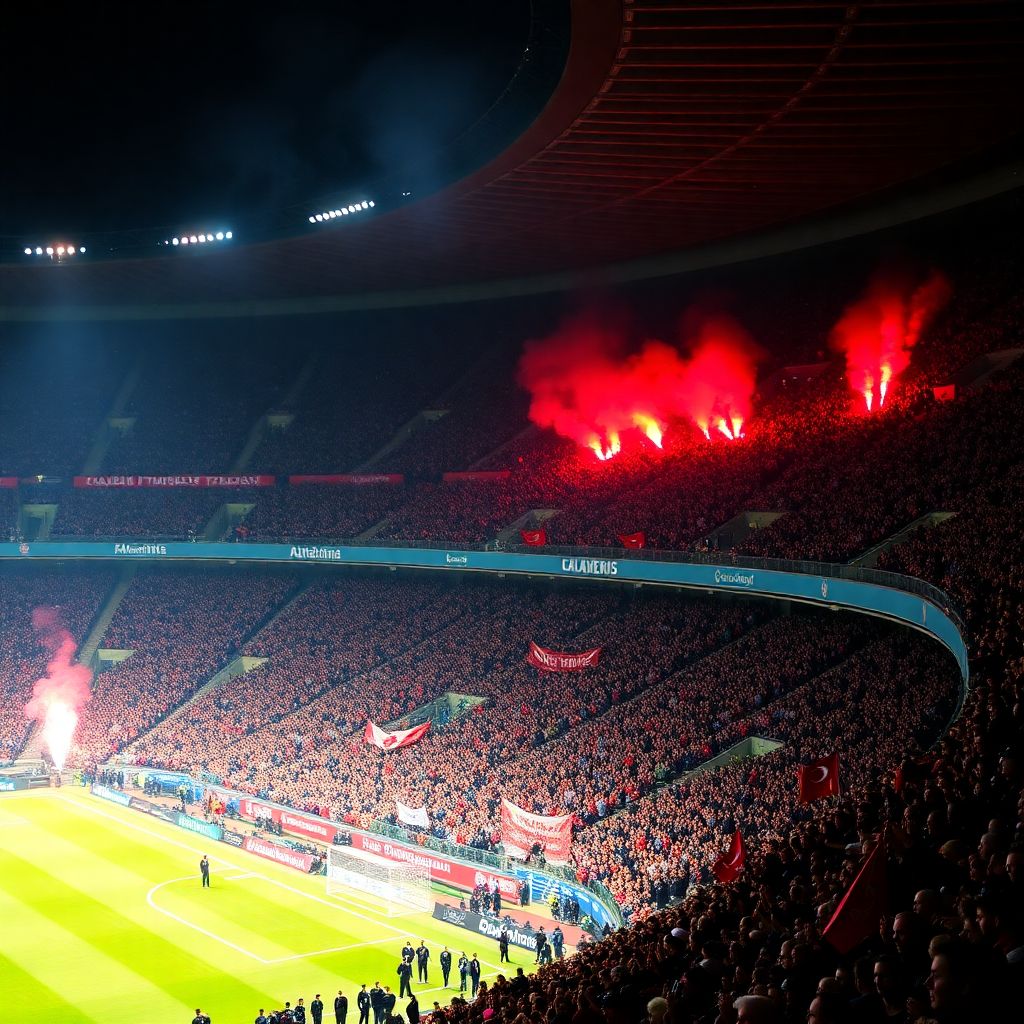
The best derbies in Turkish football are intense, historically loaded matches where club identity, city pride and fan culture collide. They combine loud atmospheres, colourful tifos and strong rivalries on and off the pitch. Even with limited budget or time, you can still experience them via cheaper tickets, stadium tours or curated media.
Criteria That Make a Turkish Derby Legendary
- Long, traceable rivalry history with clear turning points and iconic matches.
- Deep social meaning: class, neighbourhood, political or regional identity dimensions.
- Distinctive stadium atmosphere with organised ultras, chants and visual displays.
- Memorable players, coaches and high‑stakes title or cup battles.
- Regular narrative renewal: recent controversies, transfers or dramatic scorelines.
- Accessibility for fans through Turkish football derbies tickets, media coverage and stories.
Istanbul’s Pinnacle: Fenerbahçe vs Galatasaray – rivalry anatomy
The Istanbul derby between Fenerbahçe and Galatasaray is the reference point for discussing the best derbies in Turkish football. It is not only about league standings; it encapsulates east-west Istanbul, different social histories and more than a century of shared memories, arguments and symbolic victories.
At its core, this rivalry is defined by contrast. Fenerbahçe’s historical roots on the Asian side and Galatasaray’s origins closer to the old European centre have often been framed as competing urban identities. Generations of families grow up supporting one side, passing stories of famous wins and painful defeats to younger relatives.
Derby days typically influence the whole city. Public transport is crowded, cafés are full and non‑fans are also aware of the match. For those who cannot be in the stadium, an Istanbul derby Galatasaray Fenerbahce live stream or a packed sports bar often becomes a shared ritual, especially when tickets are too expensive or sold out.
One illustrative episode is a heated title‑deciding match where a late goal changed the champion and shaped how both sets of fans remember that entire season. These moments build a shared emotional archive that keeps the rivalry alive, even for people who only ever experience it through TV, radio or online highlights.
- Define the derby as a clash of identities, not only two teams.
- Use streams or public screenings if stadium access is limited.
- Learn a few historic matches to understand jokes and references among locals.
Beşiktaş vs Fenerbahçe – stadium rituals and matchday dynamics
Beşiktaş vs Fenerbahçe derbies highlight how stadium rituals shape the meaning of a rivalry. On Beşiktaş’s side, supporters are known for rhythmic chanting, coordinated songs and an emphasis on noise. Fenerbahçe’s followers respond with their own choreography, banners and away‑day traditions, especially when travelling across the Bosphorus.
- Pre‑match buildup: Hours before kick‑off, fans gather in neighbourhood squares and specific streets, singing, lighting flares and marching together toward the stadium. For visitors with limited budgets, simply walking with the crowd offers a free, powerful introduction to Turkish fan culture.
- Entrance and first chant: As players come out, supporters launch coordinated songs that often reference club history or famous victories in this specific derby. Knowing a few key lines allows newcomers to participate respectfully.
- In‑game rhythm: Noise levels typically rise during attacking phases, corners and controversial referee decisions. Ultras help maintain tempo, using drums and megaphones to keep the entire stand synchronised rather than chaotic.
- Half‑time dynamics: Instead of relaxing completely, some groups continue singing to show dominance over the visiting end. Neutral fans or tourists can use this time to observe choreography and learn chants for the second half.
- Post‑match exit: Police and stewards often separate home and away supporters when leaving, controlling routes and timing. Understanding this pattern helps budget travellers plan public transport or walking routes in advance.
- Alternative experience: When Turkish football derbies tickets are unavailable, visiting a fan bar in Beşiktaş or Kadıköy for this fixture can reproduce much of the sound and emotion without stadium costs.
- Arrive early to see the full ritual, from street marches to first chants.
- If you are on a budget, follow the crowd outside and watch from a nearby café.
- Respect police instructions after the game to avoid unnecessary tension.
Trabzonspor vs the Big Three – regional identity and national impact
Trabzonspor’s matches against Galatasaray, Fenerbahçe and Beşiktaş embody regional pride confronting the historic power of Istanbul. When people discuss the “Big Three”, Trabzonspor is often added as a fourth force because its supporters see their club as the authentic representative of Anatolia on the national stage.
One typical scenario is a high‑pressure league match in Trabzon, where the arrival of an Istanbul giant turns the city into a festival‑like environment. Streets are lined with claret and blue flags, and conversations across markets and cafés revolve around tactics, line‑ups and previous controversial meetings with that specific opponent.
Another common pattern appears when Trabzonspor plays away in Istanbul. For many fans, travelling such a long distance becomes a pilgrimage combining football with community. Groups save money for months, using shared buses and budget accommodation, showing how powerful these fixtures are for collective identity even when resources are limited.
For visitors, these games offer a different atmosphere compared with Istanbul derbies. They highlight regional songs, chants about Black Sea culture and a sense of “us versus the metropolis”. Reading a Galatasaray Fenerbahce Besiktas derbies history book often helps place Trabzonspor into the wider story of Turkish rivalries and why their successes carry symbolic weight.
- Use Trabzon matches against Istanbul clubs to explore regional-national dynamics.
- Consider one away trip on a supporter bus for a low‑cost, immersive experience.
- Contextualise what you see by learning broader derby history from books and documentaries.
Local derbies outside Istanbul – Kayseri, Sivas and provincial pride
Local derbies in provinces such as Kayseri and Sivas show that intense rivalries do not belong only to Istanbul. These fixtures often revolve around city honour, neighbourhood disputes and long‑running local narratives that rarely attract international media, but matter deeply to residents and regional fans.
From a visitor’s perspective, these matches provide more affordable and accessible alternatives. Stadiums are usually easier to enter, with lower demand and prices than the biggest Istanbul clashes. This makes them attractive for people who cannot secure or afford tickets for the high‑profile games but still want to experience live Turkish football tension.
At the same time, local derbies come with limitations. Facilities can be simpler, transport options fewer and English‑language information limited. Planning becomes important: checking local news, club websites or municipal announcements helps avoid schedule changes. Behaviour expectations can also be stricter in smaller communities, where everyone knows each other and outsiders are more visible.
Advantages of provincial derbies
- Lower cost of entry, food and travel compared with Istanbul fixtures.
- Closer contact with local supporters and community‑based traditions.
- Good alternative when planning the best Turkish football derbies tour Istanbul stadiums is unrealistic in time or budget.
Limitations and things to watch
- Less public information in English about kick‑off times and regulations.
- Reduced transport options late at night, especially after tense matches.
- Need for extra cultural sensitivity as a visible guest in a tight‑knit environment.
- Use provincial derbies as a budget‑friendly way into Turkish football culture.
- Prepare transport and accommodation early, especially in smaller cities.
- Observe how local traditions differ from Istanbul to deepen your understanding.
Matchday Atmosphere: chants, tifos, ultras and safety measures
Matchday atmosphere in Turkish derbies is famous for its intensity, yet often misunderstood. Chants, giant tifos and ultras activity can seem intimidating from outside, but most of the time they are highly organised, ritualised forms of support rather than uncontrolled chaos or violence.
- Myth: Every derby is dangerous by default. In reality, authorities apply strict controls, ticket restrictions and police presence, and most incidents are isolated. Choosing well‑reviewed sections and following steward instructions significantly reduces risk.
- Myth: Ultras are always violent. Many ultra groups focus primarily on coordinating songs, banners and tifos. Problems can occur, but generalising all groups as inherently violent ignores the creative and organisational side of their activity.
- Mistake: Ignoring local rules. Some stadiums restrict standing, flag sizes or pyrotechnics. Visitors who do not research or listen to announcements may create unnecessary conflict with stewards or nearby fans.
- Mistake: Over‑filming ultras. Constantly recording close‑up videos in ultra sections can be seen as disrespectful. It is usually better to ask someone near you or film from a little distance.
- Myth: You must be inside the ground to feel the atmosphere. For people with limited funds, watching outside fan zones, supporter pubs or public screens can deliver strong sound and emotion, especially during major title‑deciders.
- Mistake: Forgetting practical basics. Not checking entrance gates, banned items or ID requirements may leave you outside even with a valid ticket.
- Research stadium rules and arrival times before leaving accommodation.
- Decide whether you prefer calmer family stands or louder ultra sections.
- Have a backup plan: a nearby bar or fan zone if stadium entry fails.
Historical flashpoints: politics, transfers and moments that shaped rivalries
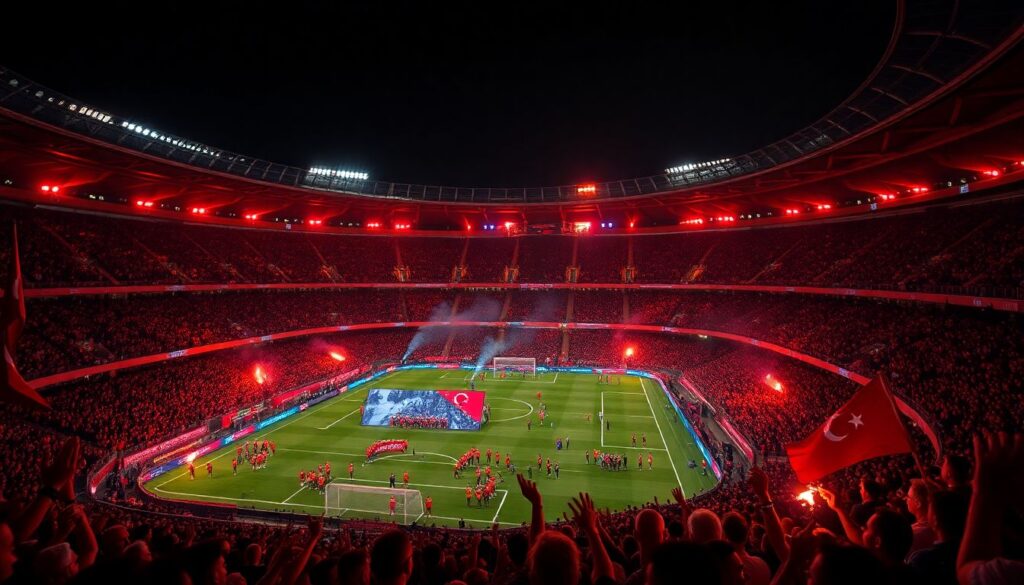
The strongest derbies in Turkey are built on specific flashpoints: controversial refereeing, political tensions, dramatic title races and high‑profile transfers between rival clubs. These moments give emotional weight to every new match, as fans constantly compare current events to earlier victories and perceived injustices.
Player transfers are a classic source of tension. When a beloved star moves from one rival to another, every touch of the ball in the next derby is heavily judged. Political context has also influenced perception, especially when club identities are linked, fairly or not, to particular social groups or neighbourhoods within Istanbul and beyond.
For newcomers, it can be useful to treat these flashpoints like “chapters” in a long story. By learning a few crucial matches and transfer sagas, you can understand why certain chants or banners appear. Some supporters even read a dedicated Galatasaray Fenerbahce Besiktas derbies history book before visiting, to decode references and better follow local conversations.
People who focus on betting odds Turkish Super Lig derbies sometimes overlook this historical layer. Yet, understanding context improves not only appreciation of the spectacle but also interpretation of how players and fans might emotionally respond under pressure, regardless of numbers or predictions.
- Identify three or four key historic events for each major derby you follow.
- Connect present‑day chants or tifos back to these events to decode their meaning.
- Use books and documentaries to deepen knowledge when you cannot attend in person.
Self‑check before planning your Turkish derby experience
- Have you chosen whether to prioritise Istanbul derbies or more affordable provincial clashes?
- Do you know at least a few historic moments for the derby you want to see?
- Have you planned alternatives like pubs, fan zones or tours in case tickets are unavailable?
- Are you familiar with basic stadium rules, routes and local supporter customs?
Quick Clarifications for Supporters and Newcomers
Which Turkish derby should I prioritise if I can only watch one live?
Most visitors choose Fenerbahçe vs Galatasaray because of its history and media coverage. However, if tickets are limited or expensive, a Beşiktaş vs Fenerbahçe or a strong provincial derby can provide a similarly intense experience at lower cost and with easier access.
How can I find and buy Turkish football derbies tickets safely?
Use official club ticketing platforms, league‑approved partners or club box offices rather than unverified resellers. Check dates and ID requirements early, and be ready to adjust to another derby or city if your first choice sells out quickly.
Is it possible to enjoy a derby atmosphere without entering the stadium?
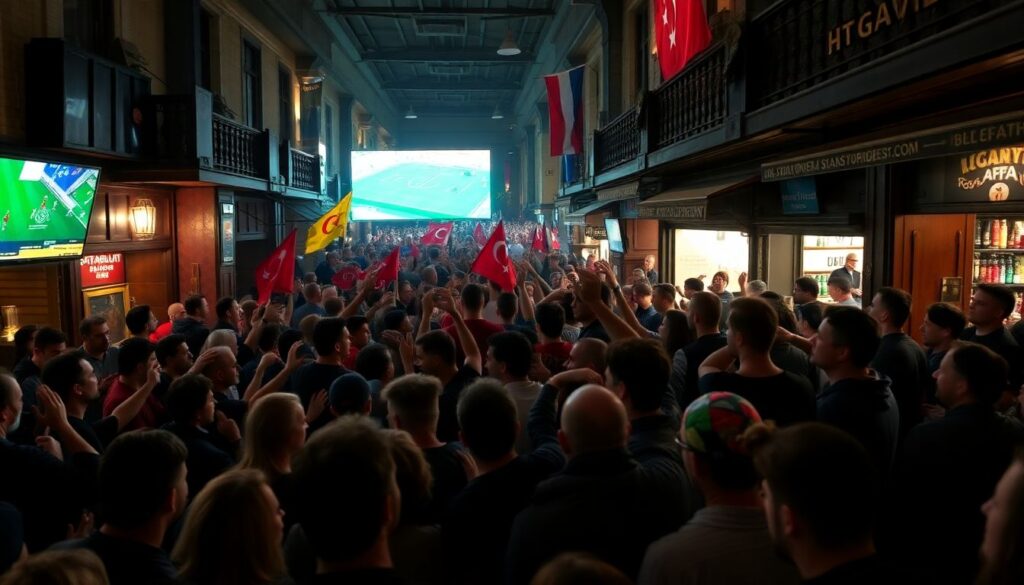
Yes. Many fans gather in bars, cafés and fan zones near stadiums, especially in Istanbul. Watching with locals, joining pre‑match marches and following the broadcast together can be an excellent low‑budget alternative to a seat inside the ground.
Are Istanbul derbies suitable for families and neutral visitors?
Family or neutral sections usually exist, though they may sell out quickly. Research stadium maps, choose calmer areas and avoid ultra sections if you are uncomfortable with constant standing, noise and pyrotechnics.
What if I am mainly interested in history instead of live matches?
You can explore stadium museums, club shops and local bookshops, and read a Galatasaray Fenerbahce Besiktas derbies history book or similar titles. Combined with documentaries and archived highlights, this offers a rich, low‑cost way to understand rivalries without attending a live game.
Do betting odds fully reflect what might happen in a Turkish derby?
Betting odds Turkish Super Lig derbies show probabilities estimated by bookmakers, but they cannot measure emotional intensity, crowd influence or historical pressure. Treat them as partial information, not as a complete explanation of what will occur on the pitch.
Can I combine sightseeing with derby experiences on a short trip?
Yes. Even without match tickets, you can join a best Turkish football derbies tour Istanbul stadiums, visit club museums, walk through fan neighbourhoods and plan evening viewing in local bars after daytime sightseeing.