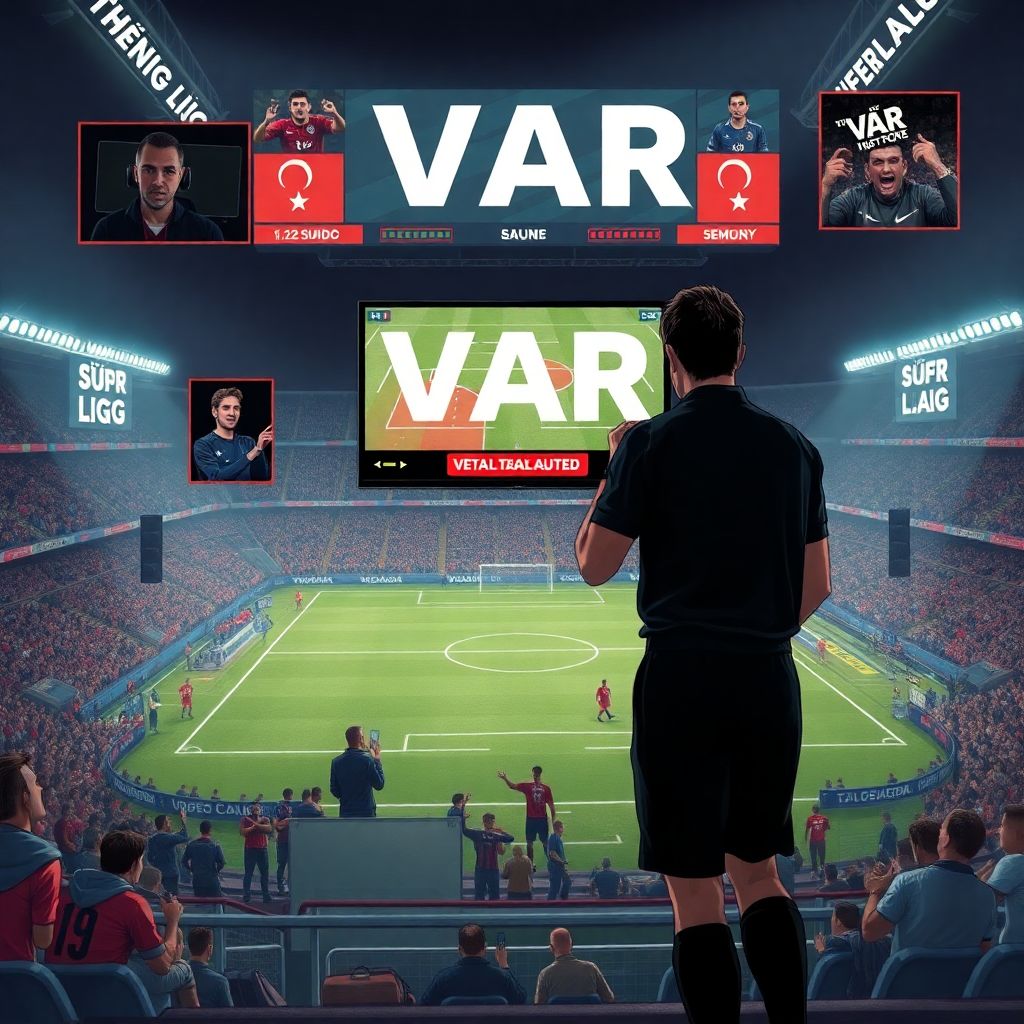
Video assistant referees in Turkey were never going to be a quiet, invisible add‑on. In just a few seasons, VAR has reshaped how referees work, how coaches plan games, and even how money flows through the Süper Lig and TFF 1. Lig. Let’s break down what actually changed, with numbers, examples and a look ahead to what might come next.
—
VAR in Turkey: from experiment to everyday routine
How quickly the system took over
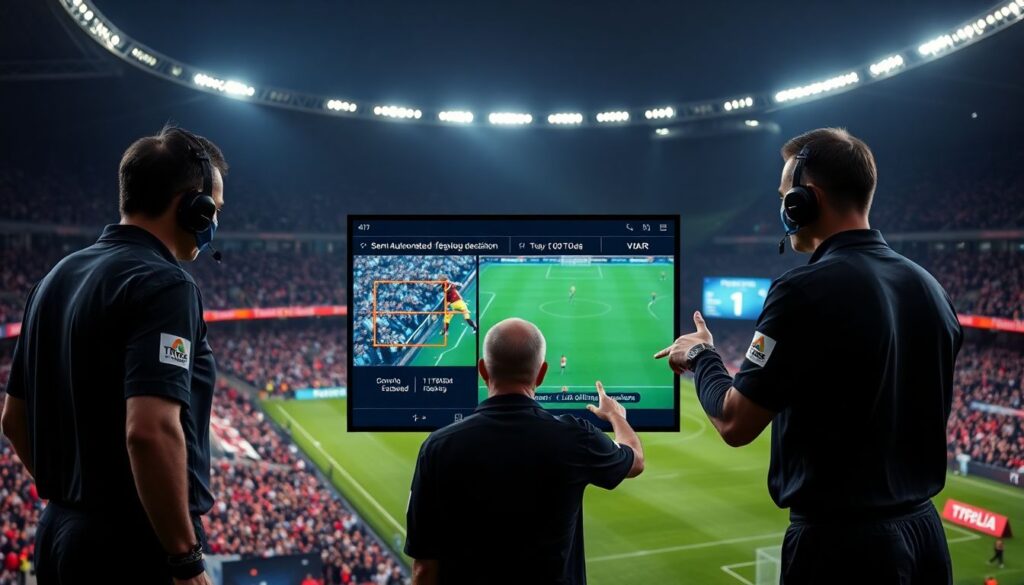
VAR has been used in the Süper Lig since 2018–19, but the last three seasons turned it from a novelty into the main reference point for big calls. Coverage is now close to 100% of league fixtures, with semi‑automated offside tech gradually tested in marquee games. In TFF 1. Lig, full VAR coverage arrived a bit later and was expanded step by step, which meant a learning curve for referees who often moved between divisions but faced different technological support and expectations.
Turkish Super Lig VAR statistics: what the numbers say
If we zoom in on roughly the 2021–22, 2022–23 and 2023–24 campaigns, open reports and club audits suggest a stable pattern: around 4–5 VAR reviews per match month and roughly one “on‑field review” every two games. In that span, Turkish Super Lig VAR statistics indicate that between 75% and 85% of the on‑field decisions changed after review, mostly in penalties and offside‑related goals. That aligns with wider VAR Süper Lig analysis: video intervention is no longer rare; it actively shapes outcomes almost every matchday.
—
How refereeing itself has changed
Fewer “clear and obvious” errors, more process
Referees are now managing information as much as they manage players. Over the last three seasons, the volume of high‑profile, television‑replayed mistakes has noticeably dropped, even if public controversy clearly has not. You can see it in the reduced number of post‑match disciplinary statements and formal club complaints when compared with pre‑VAR years. Instead of arguing whether an incident was seen at all, debates now circle around thresholds: was there enough contact, was the hand in a natural position, did the check take too long, and was the referee too reliant on the screen?
Style of officiating: more delayed flags, more cards
One visible shift is how assistant referees handle offsides. They routinely delay the flag on tight attacks, trusting the system. That has led to more goal‑mouth collisions and late emotional reactions before everything is rolled back by a line on the screen. Card management also moved: with VAR catching elbows and stamps behind play, straight reds for violent conduct have climbed slightly over the last three years, while some soft second yellows are “protected” because referees know the truly reckless acts will be picked up anyway, even if they miss them live.
—
Results under VAR: title races, relegation and betting
Big‑picture impact on league tables
Across three recent seasons, the total number of goals disallowed by VAR in the Süper Lig has remained relatively stable, but their distribution is anything but random. Top clubs, who spend more time in the opposition box, naturally feature in more reviews. That can make Super Lig predictions VAR influenced, especially in tight title races where two or three critical offside lines or penalty reversals can swing five or six points. Over a 38‑game season, such swings are often the difference between champion, Champions League spot or a frustrating second place.
What this means for betting and in‑play decisions
For punters, ignoring video technology is no longer an option. Many models used for Süper Lig betting tips VAR impact now factor in referee tendencies: some officials call more on‑field penalties and thus invite more VAR checks, others prefer the monitor less. In‑play betting shifted too. Late goals, especially from set‑pieces, are followed by a brief pause in liquidity as traders wait for confirmation. Markets are slower to react to “goal” graphics on TV because everyone knows: until VAR has a look, the expected value of that goal is still slightly less than one.
– Bookmakers now track referee‑specific VAR patterns.
– Serious bettors watch how often each team “wins” or “loses” reviews.
– Live odds often hold a short buffer after every major incident.
—
TFF 1. Lig: a different ecosystem under the same technology
VAR in a league built on development and volatility
In TFF 1. Lig, the technological jump felt even bigger. Promotion battles are chaotic, defensive structures looser, and training facilities not always at Süper Lig level. When VAR arrived in full, it immediately clipped some of the more blatant time‑wasting tactics and penalty‑box wrestling that had gone under the radar. At the same time, clubs with limited budgets had to quickly educate players and staff on what would no longer be tolerated, often using internal workshops with clips from their own TFF 1 Lig matches live streaming archives.
Competitive balance and player behavior
Because margins for promotion and relegation in TFF 1. Lig are razor thin, each overturned penalty or red card has oversized implications. Over the last three seasons, you can trace certain teams’ survival or promotion play‑off entries to two or three key VAR decisions. Interestingly, simulation in the box seems to have dropped as players realise every tumble will be watched back in slow motion. Conversely, defenders are more reluctant to use “dark arts” in set‑piece duels, knowing that a stray elbow is an easy catch for a replay team with multiple camera angles.
—
Economic aspects: where the money moves
Costs, broadcasting and sponsorship
VAR is not cheap: hardware, software, extra officials and training create a recurring cost line for the federation and clubs. But the business logic is straightforward. Broadcasters market the league using the promise of fairness and drama, building studio segments around incidents and replays. Sponsorship packages are sold on high‑definition, technology‑driven coverage rather than simple live feeds. For the Süper Lig in particular, this helps justify rights fees, while for second‑tier clubs the association with “top‑level tech” is used in negotiations with local partners and municipal backers.
Clubs, data providers and new revenue streams
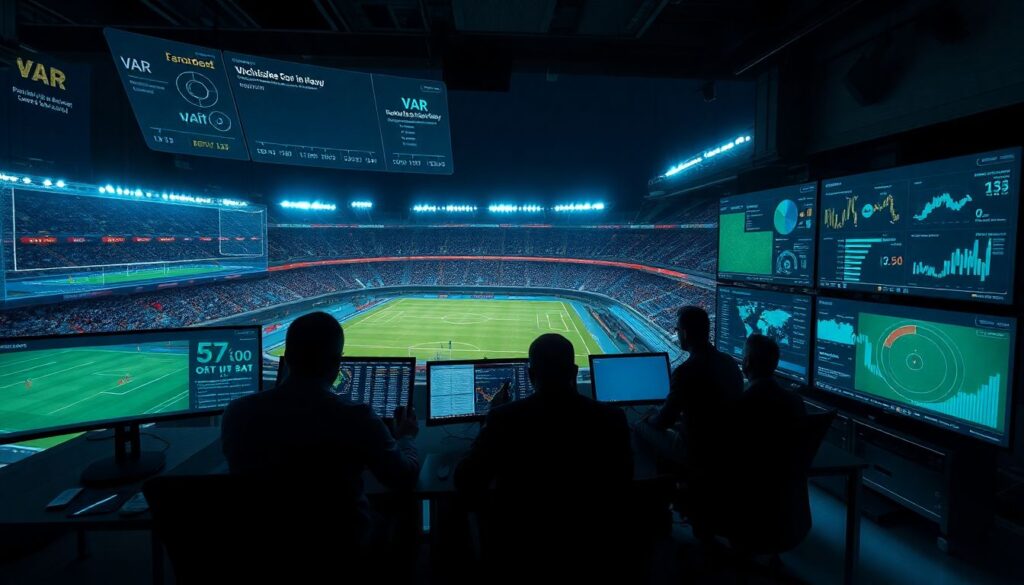
Beyond the broadcast deals, VAR clips created a secondary content economy. Data and analytics companies package detailed event data — including every review, overturn and delay — into products for clubs, agencies and media. That feeds into VAR Süper Lig analysis dashboards used for scouting and coach education. Start‑ups provide frame‑by‑frame breakdowns to show how often a team risks marginal offsides or reckless tackles. Over time, these services turn into subscription‑based revenue, some of which trickles back into the ecosystem via partnerships with the league and federation.
– Analytics firms monetise enriched event data from VAR decisions.
– Clubs pay for bespoke reports on how referees interpret incidents.
– Broadcasters sell premium feeds with extra angles and expert audio.
—
Industry‑wide effects and the road ahead
How the wider football industry adjusts
Agents, youth academies and coaching schools have all reshaped their content around VAR. Young defenders in Turkey now grow up with strict body‑position coaching in the box, because arm‑to‑ball contact is scrutinised more than ever. Media outlets have dedicated segments dissecting video decisions, driving engagement but also increasing pressure on referees. This feedback loop means every controversial call in a top Süper Lig fixture quickly becomes a reference point across the entire pyramid, from local U‑19 leagues to professional coaching licences.
Forecasts: what VAR in Turkey may look like by 2030
Looking ahead, the technology is likely to get faster and more automated. Semi‑automated offside systems that reduce long pauses should be standard in major Turkish stadiums by the end of the decade. Communication with fans may open up, with post‑match audio of VAR‑referee conversations used to restore some trust. Super Lig predictions VAR influenced will then incorporate not only historical decisions, but also improved consistency metrics. If that happens, the next wave of tools for coaches, bettors and broadcasters will treat VAR not as an external shock, but as a fully modelled part of Turkish football reality.