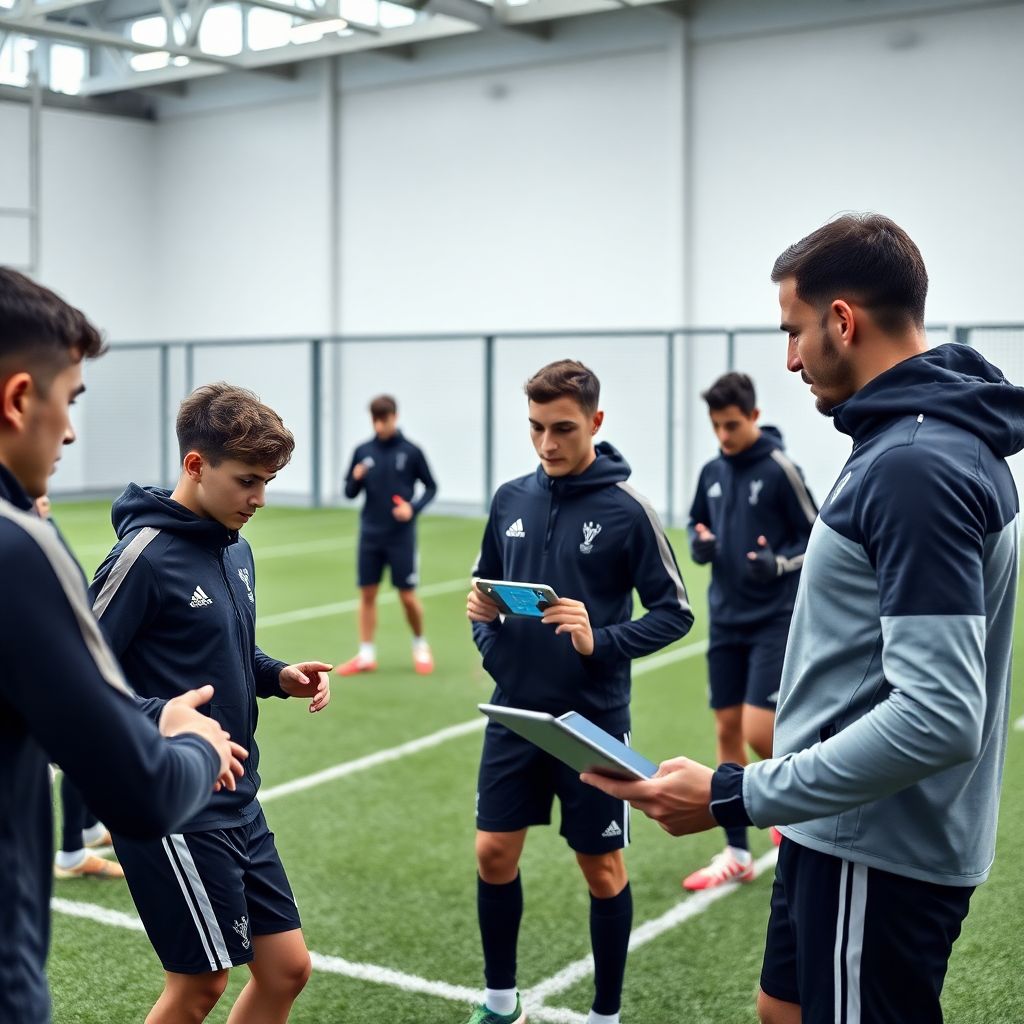
Süper Lig clubs scout and develop wonderkids through layered local scouting networks, data-supported evaluations, structured turkish super lig academy trials and long-term academy programs. They combine technical-tactical training, sports science, schooling and mental support, then graduate top talents via U19, reserve, loan and first-team pathways, using clear benchmarks at each age group.
Fundamental principles of Süper Lig talent identification and growth
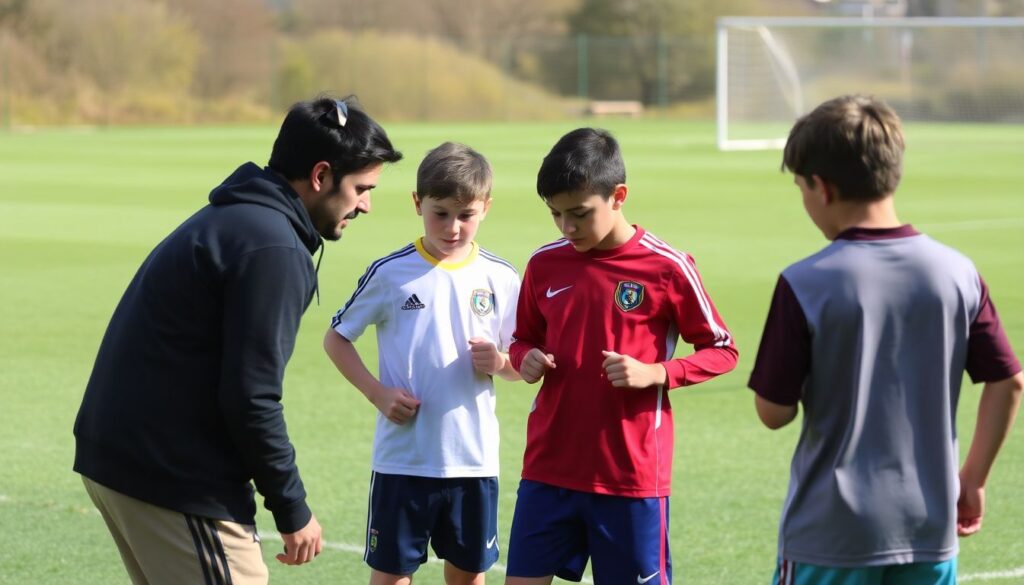
- Build wide regional scouting coverage, complemented by targeted super lig clubs youth scouting programs and trusted agent relationships.
- Use transparent entry routes: open trials, school partnerships and monitored grassroots clubs, not only agents.
- Design age-specific training blocks that connect directly to the club's game model and first-team style.
- Integrate sports science, load control and medical screening into weekly planning from U13 upwards.
- Protect education, mental health and family stability as much as technical development.
- Plan professionalization early: U17-U19 contract strategy, loans, minutes targets and positional profiling.
Scouting architecture: regional networks, agents and data in Turkey
This approach suits clubs that want a consistent pipeline of local wonderkids and foreign prospects, rather than buying finished players. It works best when there is patience for long-term development and a clear academy budget. It is not ideal for very small amateur clubs without staff, infrastructure or access to reliable competition.
Most super lig clubs youth scouting programs combine three main pillars:
- Regional scout networks – Local scouts cover school leagues, municipal pitches and amateur clubs in Istanbul, Ankara, Izmir and Anatolian regions. For example, Trabzonspor relies heavily on Black Sea region coverage, while Galatasaray maps Istanbul and Marmara tournaments.
- Structured trial events – Clubs host turkish super lig academy trials several times per year, usually by age group. Pre-selection often happens through video, local recommendations or prior observation, so the trial days themselves focus on confirmation, not initial discovery.
- Agents and intermediaries – For older ages (U16+), especially foreign players, scouts cross-check agent proposals with their own databases and video. Fenerbahçe, for instance, benchmark trialists against internal match and physical data before making offers.
- Data and video analysis – Even where budgets are modest, academies track simple metrics: minutes played, position history, key actions and growth trends. Top clubs use central video libraries from youth leagues and tournaments to compare players across regions.
- Club-to-club relationships – Süper Lig sides maintain links with strong grassroots clubs and school teams. Beşiktaş regularly monitors partner academies in Istanbul, while Anadolu clubs lean on a few trusted regional teams for consistent referrals.
Scouting architecture should be reviewed at least annually: which areas produce signings, which scouts consistently identify players who progress, and which events or partner clubs are no longer effective.
Recruitment pipeline: trials, youth contracts and cross-club partnerships
For families and players asking how to join super lig youth academy structures, the recruitment pathway usually follows a predictable pattern. To operate or navigate this safely and effectively, several ingredients are needed on both club and player sides.
- Clear eligibility and documentation
- Birth certificate or passport, residency permits where relevant, and parental consent for minors.
- For football academies in turkey for foreign players, additional immigration and schooling paperwork is required; reputable clubs explain this in advance and avoid any "cash-for-contract" promises.
- Structured trial entry points
- Open days advertised on club channels for younger ages (often U9-U12).
- Invitation-only assessments based on scouting reports or school tournaments for U13+.
- Cross-check that any turkish super lig academy trials you attend are listed on the official club website or federation channels.
- Assessment criteria and decision timelines
- Technical: first touch, passing quality, ball-striking, 1v1 ability.
- Tactical: positioning, pressing triggers, decision-making under pressure.
- Physical: coordination, speed, endurance relative to biological age.
- Mental: resilience, coachability, behaviour with teammates.
- Clubs should communicate yes/no/maybe decisions within a defined period (for example, after a 1-4 week trial block), not leave families waiting indefinitely.
- Youth contracts and registration
- Initial registration often covers local federation competition only.
- As players progress to U15-U17, clubs may offer scholarship-style agreements or youth professional deals with clear duration and benefits (training, equipment, accommodation, schooling links).
- Cross-club and school partnerships
- Many of the best football academies in turkey for kids maintain school partnerships to balance training volume with education.
- Some Süper Lig clubs have satellite academies in other cities; players may start locally and transfer to the main campus once they show consistent progress.
- Loans or temporary registrations with friendly amateur clubs can provide extra minutes for late developers.
Daily development program: technical drills, game models and age-specific progressions
This section outlines a safe, practical blueprint for how Süper Lig academies can structure day-to-day development of wonderkids, from foundation years up to U19. It can be adapted for different club sizes, as long as there is qualified coaching and appropriate safeguarding.
- Define age bands and weekly training frequency
Segment players into clear brackets (for example U8-U11, U12-U15, U16-U19) and set realistic weekly session targets, respecting school demands and rest. Many top Süper Lig academies cap double sessions for younger ages and enforce at least one full rest day per week.
- Align every session with the club game model
Start from the first-team style of play (build-up patterns, pressing intensity, preferred formations) and work backwards. Every drill should reinforce at least one principle: playing from the back, wide overloads, quick transitions or compact defending.
- Build technical foundations in early ages
For U8-U12, focus on ball mastery, 1v1 and small-sided games.
- Daily ball-contact blocks: dribbling with both feet, feints, turns, juggling.
- Small-sided formats (3v3, 4v4) to maximise touches and decisions.
- Fun constraints: weak-foot-only games, limited touches, directional possession.
- Example: Galatasaray school centers emphasise 1v1 duels and first touch in every foundation session.
- Introduce position-specific habits in middle ages
From U13-U15, add role-based work while keeping players flexible.
- Defenders: body shape, timing of challenges, line control, heading technique.
- Midfielders: scanning, receiving under pressure, switches of play, third-man runs.
- Attackers: movement in the box, timing of runs, finishing from different angles.
- Goalkeepers: footwork, distribution under pressure, starting positions.
- Example: Beşiktaş U14 sessions often include separate unit blocks for back four and front three before reintegration into 11v11.
- Integrate physical preparation safely
Use age-appropriate physical work that supports football actions, not bodybuilding.
- U8-U12: motor skills, coordination, basic speed and agility using bodyweight and games.
- U13-U15: introduction to strength basics, landing mechanics, change of direction.
- U16-U19: structured strength and conditioning with qualified staff, matched to growth and match load.
- Avoid heavy external loads before growth plates mature and always supervise gym work.
- Plan competitive exposure and minutes
Set clear targets for match minutes and competition levels per age group.
- Regular league fixtures plus internal friendlies or tournaments.
- Playing some games vs older opponents for high-potential players, balancing risk and learning.
- Use objective tracking: minutes, positions played, high-pressure matches.
- Example: Trabzonspor often move standout U17s into U19s and reserve teams with monitored minutes goals.
- Review progress with individual development plans (IDPs)
Create a simple IDP for each player, updated at least twice per season.
- Three to five key objectives: technical, tactical, physical and mental.
- Specific training actions: extra finishing sessions, video review blocks, position rotation.
- Joint reviews: coach, player and parent for younger ages.
- Example: İstanbul Başakşehir use video clips in IDP reviews to show concrete behaviours to repeat or change.
- Coordinate with school and home life
Align training timetables with school schedules and commuting time to avoid overload. For foreign players, ensure language classes and cultural orientation are built into weekly plans in football academies in turkey for foreign players.
Быстрый режим
- Set age bands and safe weekly session limits, with at least one full rest day.
- Anchor every drill to a clear game model principle (build-up, pressing, transitions or finishing).
- Prioritise ball mastery and small-sided games up to U12; add role habits and basic physical work from U13.
- Guarantee consistent match minutes and track them, using occasional older-age challenges for top talents.
- Maintain simple IDPs for each player and review them with families or guardians twice per season.
Sports science and medical oversight: injury prevention, load management and testing
Use this checklist to confirm whether your academy's sports science setup is protecting players while supporting peak performance.
- Pre-participation medical screening is completed before full training, with periodic re-checks for heart, joints and past injuries.
- Growth and maturation are monitored in adolescents, adjusting training volume for late and early developers.
- Session and match loads are tracked using simple tools (perceived exertion scales, GPS when available, training logs).
- Warm-up protocols include progressive running, mobility and ball-based activation, not only static stretches.
- Return-to-play decisions are made jointly by medical staff and coaches, never by players alone.
- Injury records are logged and reviewed to spot patterns (for example, repeated muscle strains in one team).
- Hydration and nutrition guidelines are communicated in age-appropriate language to players and parents.
- Concussion protocols are in place and respected in all training and matches.
- Gym work for youth players follows supervision, technique-first teaching and gradual load progression.
- Regular testing focuses on practical football-related measures (speed, change of direction, repeated sprints) rather than complex lab-only metrics.
Player welfare and education: mental coaching, schooling and cultural integration
Even many of the best football academies in turkey for kids fall into similar traps when it comes to welfare and education. Avoid these common mistakes.
- Overloading players with training and travel so school performance collapses.
- Ignoring mental health, assuming motivation and confidence will always stay high.
- Communicating only with players and not involving parents or guardians in key decisions at younger ages.
- Allowing a "star culture" where wonderkids receive exemptions from rules, discipline or schooling expectations.
- Failing to support foreign players with language classes, cultural guidance and simple everyday assistance (banking, transport, food).
- Providing no life skills education: financial basics, media behaviour, social media risks.
- Neglecting safe accommodation standards for players who live in club housing.
- Delaying honest conversations about realistic career paths outside top-level football.
- Using public criticism or humiliation as "motivation" instead of structured feedback.
- Leaving released players without transition support to new clubs, schools or alternative pathways.
Professionalization: loan pathways, first-team integration and market-ready profiling
Not every club can run a full academy or guarantee first-team spots. These alternative approaches can still support safe, effective development and give ambitious players a route into professional football.
- Partner with established academies instead of building your own
Smaller clubs can formalise relationships with reputable Süper Lig academies or strong regional centers. Players stay registered with their local team but access higher-level training blocks, camps or periodic assessments, borrowing best practice in return for having their progression monitored.
- Specialised development centres for late developers
Create or join programs focused on U17-U21 players who matured later physically or mentally. These centres offer targeted physical development, video-based tactical training and trials exposure without pretending to replace full academies.
- Education-first football schools with trial pathways
For many families, a strong school plus serious training is safer than pure academy life. Partner schools can provide high-level football with clear bridges into official club trials and competitions, reducing risk if a professional contract never arrives.
- Cross-border academy collaborations
Some clubs and private centres collaborate with foreign academies for camps, exchange visits or shared scouting. This can widen opportunities for foreign players and Turkish dual nationals while keeping registration and welfare standards consistent with federation rules.
Practical solutions to common scouting and development hurdles
How can players safely access Turkish Super Lig academy trials?
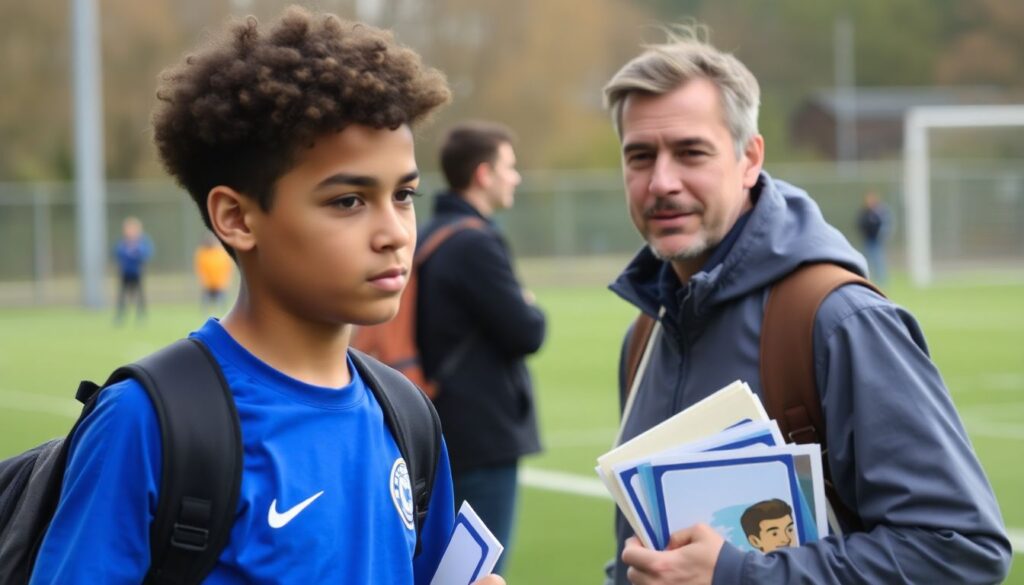
Use only trials advertised on official club channels or federation websites, and never pay agents just to "guarantee" a trial. Prepare recent match footage, basic documents and arrive with a parent or guardian if underage.
What should foreign players check before joining football academies in Turkey?
Confirm visa and residency requirements, schooling arrangements and who is legally responsible for you day to day. Verify that the academy is linked to a recognised club and that any fees cover clear services, not promises of contracts.
How early should kids enter structured Süper Lig-style academies?
Foundations can start at U8-U10 with fun, multi-sport activity and basic technique. The more serious, time-intensive commitment usually begins around U13+, when tactical learning, physical work and travel demands increase.
How do academies balance school and football safely?
They coordinate timetables with partner schools, cap weekly training volume and protect rest days. Parents, teachers and coaches should share information regularly so no one is surprised by falling grades or excessive fatigue.
What if a talented player is repeatedly overlooked by big clubs?
Focus on consistent performance in competitive matches, gather video, and target realistic-level clubs rather than only giants. Regional clubs and structured private centres with honest links to pro teams can be effective stepping stones.
How can clubs without big budgets still use sports science?
Start with simple tools: warm-up routines, basic injury logs, perceived exertion scales and periodic sprint tests. Partner with local universities or clinics for low-cost screening and involve at least one staff member trained in youth physical development.
What is a safe way to handle early "star" status in wonderkids?
Set the same behaviour standards for all players, provide individual support but avoid privileges that damage team culture. Use clear development plans, modest public exposure and balanced feedback to keep expectations realistic.