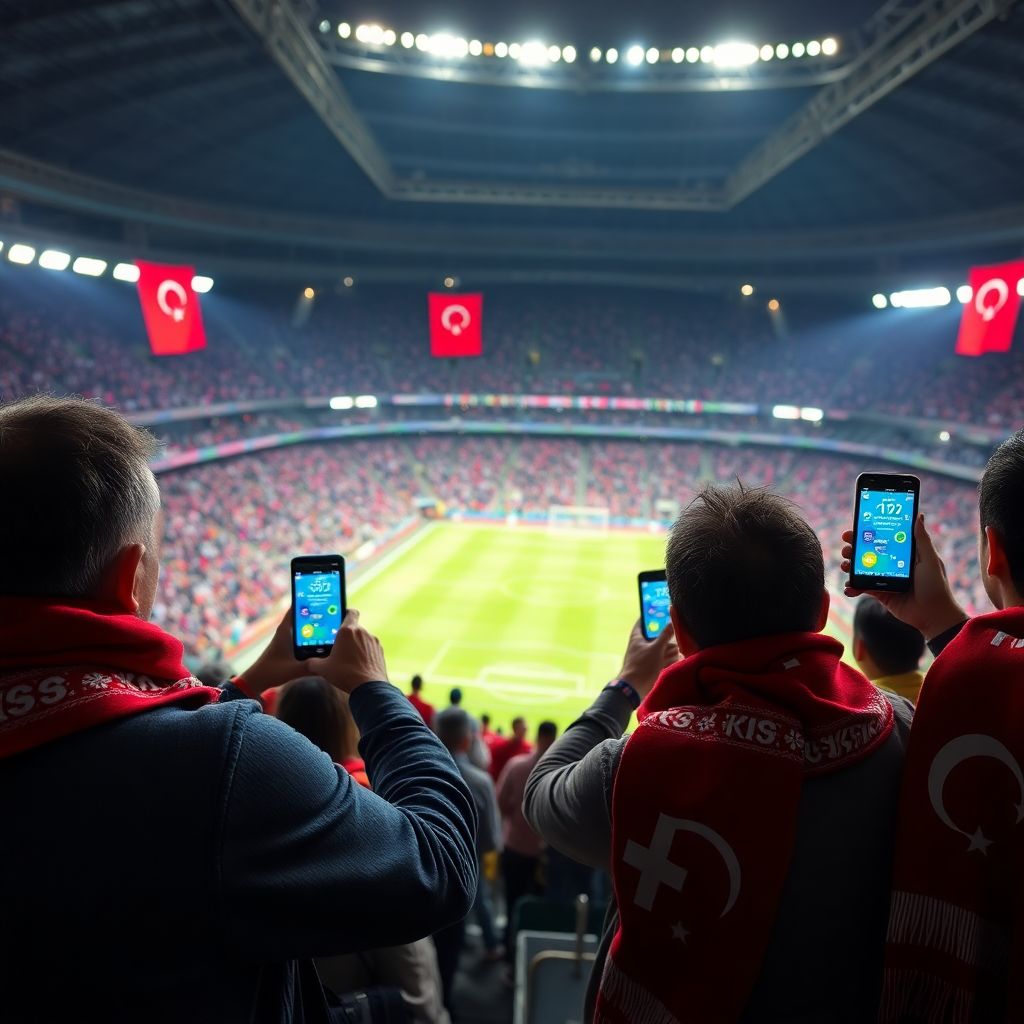
Social media has turned Turkish football fandom from a mainly stadium-based, local activity into a 24/7, networked culture. Chants move to hashtags, transfer debates happen on live streams, and even buying turkey football tickets online or official merchandise now depends on how clubs and communities use digital channels to shape emotions and identity.
Core shifts in Turkish football fandom
- Matchday rituals extend into permanent online activity across Twitter, Instagram, YouTube and TikTok.
- Local club identity is re-framed through global, multilingual fan communities and diaspora networks.
- Independent creators and ultras groups rival traditional media as opinion leaders and storytellers.
- Political and nationalist narratives spread faster, amplifying both solidarity and polarization.
- Revenue streams move online via turkey football tickets online, official merchandise and fan-driven crowdfunding.
- Clubs experiment with data and analytics, reacting to digital fan signals in real time.
From terraces to timelines: social platforms reshaping supporter rituals
In Turkey, the classic picture of fandom was the crowded terrace, local café and printed sports newspaper. Now, timelines and group chats are just as important. Fans follow live commentary, memes and tactical threads during the match, then continue arguments and celebrations long after the final whistle.
Streaming and access tools deepen this. turkish super lig live streaming, international highlights and the best vpn for watching turkish football abroad keep diaspora fans fully engaged. They mirror stadium emotions in WhatsApp groups, Discord servers and Twitter spaces, rebuilding the matchday experience online when they cannot be physically present.
Rituals that used to be strictly offline-writing banners, learning chants, debating line‑ups-are now crowd‑sourced through social media. Even purchase behaviour around turkey football tickets online or travel to away games is coordinated in fan forums and Telegram groups, often faster than any official channel can manage.
Quick checklist: how to align with new rituals
- Map the key platforms (Twitter, Instagram, YouTube, TikTok, WhatsApp) your specific fan base actually uses on matchday.
- Design content formats that fit each phase: build‑up, in‑game, post‑match and off‑season.
- Ensure ticketing, streaming and information links are easy to share inside chats and stories.
Fan identity and localism in the era of online communities
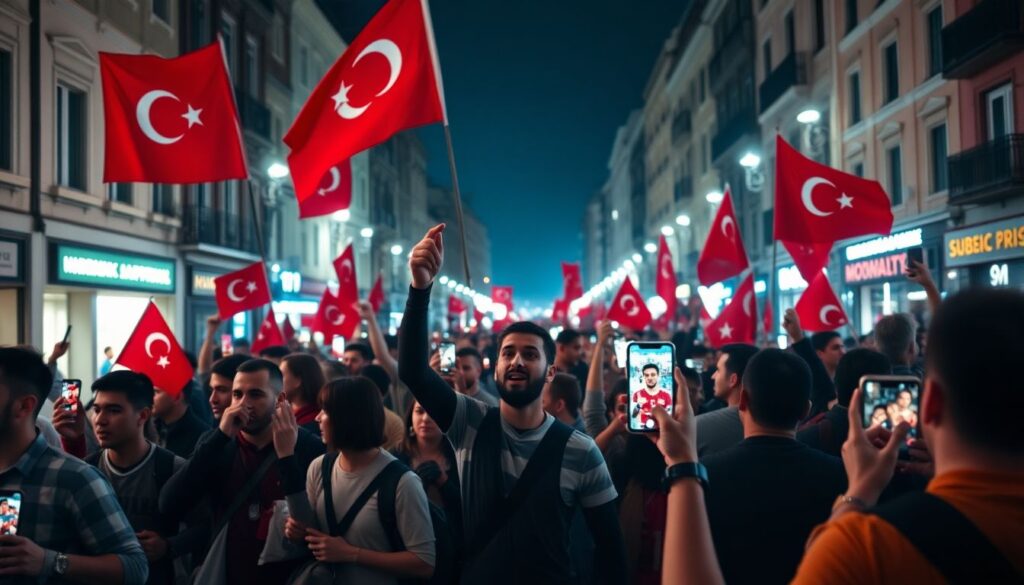
Digital tools do not erase localism in Turkey; they reconfigure it. Fan identity now combines neighbourhood, city and club traditions with online subcultures, memes and international influences. The result is layered: a Kadıköy, Konya or Trabzon identity carried into global timelines.
- Hyper‑local storytelling. Fans document marches, stadium choreography and chants on their phones. Short clips of district‑specific rituals circulate widely, turning local culture into shareable content.
- Translocal groups. Diaspora branches in Germany, the UK or the Gulf organize online watch‑alongs and coordinate chants for the next visit back home, sustaining identity between trips.
- Mixed‑language communities. English‑language accounts for major Istanbul clubs coexist with Turkish‑only ultra pages, allowing foreign fans to join without diluting local slang and codes.
- Micro‑identities. Inside one club, analytics or gaming‑focused subgroups emerge; some followers care more about data or fantasy leagues than old-school terrace culture, yet still wear the same colours.
- Offline‑online loops. Tifo ideas and slogans are drafted in group chats, tested as memes, then painted on banners, which in turn are photographed and recirculated online.
Quick checklist: respecting identity while going digital
- Highlight neighbourhood and local stories instead of publishing only polished, corporate content.
- Support at least one multilingual channel without erasing Turkish‑language spaces.
- Invite diaspora and regional fan groups into planning of campaigns and watch‑alongs.
Content creators, influencers and the new gatekeepers
Traditional sports media in Turkey no longer fully control the narrative. YouTube vloggers, Twitter tacticians, meme pages and podcast hosts have become gatekeepers of attention. Their clips travel faster than TV panels, and their language is closer to terrace humour and frustration.
- Matchday vlogs and fan cams. Creators show the journey to the stadium, street food, chants and emotional reactions. These videos often shape neutral fans' perception of a club more than official highlights.
- Live streams and spaces. Independent streamers comment on turkish super lig live streaming, run reaction shows immediately after the whistle and host Twitter spaces where thousands of fans debate referees and tactics.
- Tactical and analytics explainer accounts. Thread‑based analysts break down pressing schemes or transfer rumours, sometimes influencing how mainstream commentators frame the game.
- Merch and lifestyle influencers. Fashion and streetwear creators display official merchandise turkish football clubs alongside non‑official products, blurring the line between supporter gear and lifestyle branding.
- Club‑friendly and opposition voices. Some influencers stay close to the club line; others deliberately play the critical outsider. Both can shape transfer expectations, coach pressure and even board elections.
Quick checklist: working with new gatekeepers
- Map 10-20 key creators across YouTube, Twitter, Instagram and TikTok per club or city.
- Offer collaborations that keep their authentic tone instead of imposing corporate scripts.
- Share usable assets (clips, stats, visuals) so creators can build richer stories around the club.
Politics, nationalism and mobilization through football social media
Turkish football has always been political, but social media accelerates how quickly club rivalries, national pride or social causes turn into mass campaigns. Hashtags coordinate choreography, protest banners, charity drives or boycotts across cities and diasporas.
This amplification cuts both ways. It can mobilize impressive solidarity-for example, fundraising after disasters or coordinated blood donations-but it also increases harassment, polarization and rumor‑driven outrage. Understanding both sides is essential for clubs, fan groups and regulators.
Positive capacities of politicized digital fandom
- Rapid fundraising and logistics for community needs, including crowdfunded away trips and local charity initiatives.
- Amplification of anti‑racism, anti‑violence and inclusion messages via club and player accounts.
- Collective pressure on institutions for safer stadiums, fairer ticketing and better supporter rights.
Risks and limits when politics dominates online fan spaces
- Echo chambers where extreme narratives spread faster than nuance or verified information.
- Targeted harassment of players, journalists or dissenting fans, reducing open debate.
- Brand and sponsor risk when club messages are interpreted as partisan, even if unintentional.
- Fatigue among fans who mainly want football discussions, leading them to disengage or switch platforms.
Quick checklist: handling politicized conversations
- Define clear red lines on hate speech and coordinated harassment, and enforce them consistently.
- Prepare neutral, values‑based messages (safety, fairness, inclusion) rather than party‑political statements.
- Offer spaces focused purely on football talk alongside broader social conversations.
Monetization, merchandising and crowdfunding of fan initiatives
Money is moving where attention already is: online. From turkey football tickets online to digital memberships and limited‑run shirts, revenue strategies increasingly depend on social media marketing for football clubs in turkey. Fans learn about drops, discounts and campaigns through stories and posts, not newspapers.
At the same time, grassroots projects-ultras banners, away travel, independent fan media-are financed via crowdfunding platforms and direct donations. This can give supporters more autonomy but also creates new myths and common mistakes.
Common myths and pitfalls in digital monetization
- "Any viral post will automatically sell tickets." Attention without a clear path to purchase (links, local pricing, language) rarely converts into actual sales.
- "Fans prefer cheap knock‑offs to official gear." Many supporters want official merchandise turkish football clubs for emotional and collector value, but only if quality, design and access match expectations.
- "Crowdfunding replaces club investment." Fan donations work best for specific, transparent goals, not as a permanent substitute for responsible club budgeting.
- "One campaign fits all regions." Pricing, shipping and messaging that work in Istanbul may fail in Anatolian cities or among diaspora supporters.
- "Third‑party sellers are harmless." Unlicensed merchandise can damage both club revenue and trust if fans feel misled about quality or where their money goes.
Quick checklist: strengthening online revenue
- Make sure every campaign post includes a direct, mobile‑friendly link to buy or donate.
- Communicate clearly how revenues support club or community goals.
- Offer at least some products or bundles tailored to diaspora fans and regional incomes.
Data, analytics and how clubs respond to digital fan signals
Every like, comment, view and click is a data point. Turkish clubs are gradually learning to treat this as a continuous fan survey instead of vanity metrics. Patterns in engagement can indicate which players fans connect with, which kick‑off times they prefer, or how they feel about pricing.
Even a simple structure can help. Imagine a weekly routine where the media team exports engagement data, tags posts by topic (match, transfer, community, retail) and checks which segments respond. No complex code is required to start; consistent labeling and review already reveal trends.
// Pseudo‑workflow for a weekly fan-signal review
1. Export last 7 days of posts with impressions, likes, comments, clicks.
2. Tag each post: "match", "transfer", "ticketing", "merch", "community".
3. Compare engagement rates per tag.
4. Increase content in top 2 tags; fix messaging or timing in the weakest.
Clubs can then run small experiments: change how turkey football tickets online are promoted for one match, or adjust messaging about turkish super lig live streaming access. By watching how different segments (local vs diaspora, younger vs older platforms) respond, they iterate instead of guessing.
Quick checklist: building a basic fan analytics loop
- Standardize a few simple tags for every post and story you publish.
- Review engagement and click‑through weekly, looking for patterns rather than single "viral" posts.
- Run one small experiment per week and document the result before changing multiple variables.
Self‑audit checklist: algorithm to review your digital fan strategy
Use this short algorithm to check whether you are adapting properly to social‑media‑driven fan culture in Turkey.
- Map reality. List your top three fan platforms and describe how supporters actually behave there on matchdays, off‑season and during crises.
- Trace journeys. For one home game, follow the full path from first promo post to buying turkey football tickets online or finding turkish super lig live streaming info; note every friction point.
- Review voices. Identify which independent creators most shape opinion about your club; assess whether you engage them, ignore them or provoke conflict.
- Inspect revenue links. Count how many of your high‑reach posts include clear, working links to official merchandise turkish football clubs, ticketing or memberships.
- Adjust and repeat. Implement one change per week, monitor fan response with basic analytics, and document what you learned before running the next cycle.
Practical questions about engaging modern Turkish football fans
How should Turkish clubs balance stadium experience with online engagement?
Use social media to enhance, not replace, the stadium. Share choreographies, chants and behind‑the‑scenes content that make fans want to be there physically, while also offering live updates, highlights and discussions for those who cannot attend.
What is a realistic social media marketing goal for football clubs in Turkey?
Start with measurable goals tied to behaviour, not just follower counts: for example, more newsletter sign‑ups, higher click‑through on turkey football tickets online, or increased traffic to membership pages during key campaigns.
How can diaspora fans follow Turkish clubs effectively from abroad?
Combine official club accounts, reliable turkish super lig live streaming providers and, where necessary, the best vpn for watching turkish football abroad that complies with local laws and platform terms. Join diaspora‑run groups or forums to recreate the shared matchday atmosphere.
Should fan groups rely heavily on crowdfunding for their projects?
Crowdfunding works best for clearly defined initiatives-banners, away travel, community projects-where costs and outcomes are transparent. It should complement, not replace, sustainable funding from memberships, club support or partnerships.
How can independent creators avoid conflicts with clubs when using footage?
Stick to fair‑use friendly formats like short commentary clips, vlogs outside the stadium and original graphics. When in doubt, ask for guidelines from the club's media team and avoid re‑uploading full matches or paid streams.
What basic analytics should a small Turkish club track on social media?
Track reach, engagement rate, link clicks and conversions for tickets or merchandise. Tag posts by topic, then compare which categories reliably drive action rather than just likes.
Is it necessary to post in English as well as Turkish?
It is not mandatory, but one English‑language channel can help reach foreign and diaspora fans. Keep core local spaces in Turkish while using English selectively for major announcements and global campaigns.