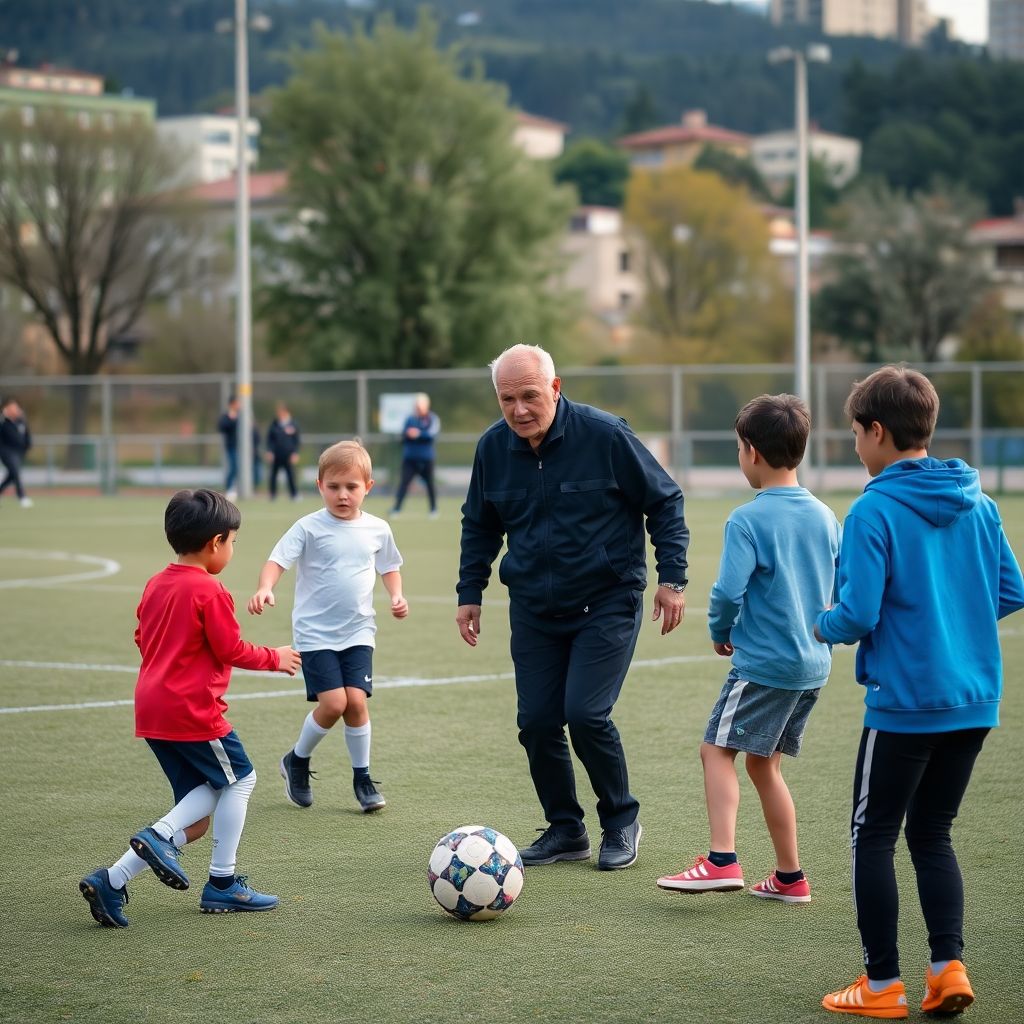
Grassroots football in Turkey grows fastest when local academies, school leagues, and community projects are planned as one ecosystem: clear age groups, safe facilities, certified coaches, and simple pathways from school teams into clubs. Start with a small pilot, use written agreements, track attendance and enjoyment, then scale city-wide.
Core Principles for Grassroots Football Development
- Design one connected pathway from school leagues into local clubs and community teams, not separate silos.
- Prioritise safe fields, first-aid readiness, and age-appropriate training loads for all children.
- Use qualified, child-centred coaches with basic Turkish FA or equivalent education, even in small projects.
- Start with a realistic pilot (one district or 2-4 schools) and scale only after evaluation.
- Keep costs transparent and low; offer scholarships where possible so talent is not blocked by fees.
- Engage parents, teachers, and municipalities early to secure facilities, volunteers, and long-term support.
- Measure simple KPIs: participation, retention, school attendance, and transitions into club/academy setups.
Mapping Turkey’s Local Academy Landscape: Models and Best Practices
This guide fits PE teachers, local club managers, municipalities, and NGOs who want to structure grassroots football in a Turkish city or district. It is less suitable if you aim for a pure commercial elite academy with no community focus or if you are not ready to coordinate with schools and parents.
Across the country, football academies in Turkey for youth follow a few recurring models you can use as references:
- Club-attached academies: Amateur or professional clubs with U8-U19 teams; usually the clearest route for how to join youth football academy in Turkey through trials or recommendations.
- Private academy businesses: Fee-based weekend and evening training, sometimes branded as the best soccer schools in Turkey for kids, operating in cities like Istanbul, Ankara, Izmir, Bursa, Antalya.
- Municipality and NGO programs: Low- or no-cost projects using public fields; often linked to broader social inclusion or health goals.
- School-based academies: Strong school teams with extra training and tournament calendars, sometimes cooperating with nearby clubs.
Before launching anything new, map what already exists within a 20-30 minute travel radius for your age groups:
- List nearby clubs and academies and their age categories.
- Check their training days/hours and fee structures.
- Identify gaps: girls’ teams, younger age groups, or safe access in low-income districts.
- Talk with school principals and PE teachers about demand and existing school teams.
This mapping prevents duplication and lets you design your academy or project as a bridge between schools, clubs, and community facilities, instead of another isolated activity.
Launching a Community Football Academy: Step-by-Step Checklist
Use this checklist to set up a safe, realistic grassroots academy or community project in Turkey that connects to school leagues and local clubs.
Essential requirements before starting
- Clear objective and age range
- Decide if the main aim is participation, talent ID, social inclusion, or a mix.
- Define specific age bands (for example U8-U10, U11-U13, U14-U16) and maximum group sizes.
- Facility access and safety standards
- Secure a pitch: school field, municipal astroturf, or club ground with written permission.
- Check lighting, safe goalposts (anchored), no broken glass, and safe access routes.
- Prepare a basic first-aid kit and emergency contacts; ensure at least one adult knows basic first aid.
- Coaching staff and safeguarding
- Recruit at least one licensed coach (TFF grassroots or higher) per 12-16 players.
- Define a simple child protection code: no one-to-one closed-room meetings, parent communication rules, reporting process.
- Run background checks as required by local regulations for adults working with minors.
- Equipment and kit basics
- Balls sized correctly per age, cones, bibs, small goals or mini-goals.
- Encourage players to bring shin pads and proper boots; have spare shin pads at the academy.
- Arrange a simple washing rota for bibs and basic cleaning rules for equipment.
- Budget plan and fee policy
- Estimate monthly costs: facility rental, coaches, equipment replacement, insurance.
- Decide on fees or free access; for low-income areas, seek sponsors before charging children.
- If fees are used, keep them transparent and written; consider scholarships and family discounts.
- Enrollment and communication
- Create simple registration forms (paper or online) for Turkish grassroots football programs enrollment, collecting emergency contacts and health information.
- Use WhatsApp groups or SMS lists for parents per age group, with clear communication rules.
- Explain schedules, cancellation rules, and behaviour expectations at the first parent meeting.
- Calendar and integration
- Plan weekly sessions and friendly matches aligned with school exam periods and holidays.
- Synchronise with school tournaments, local leagues, and even private football training camps in Turkey where relevant for extra exposure.
- Agree on how players will move between school teams and academy squads without overload.
As you launch, emphasise that your academy complements existing football academies in Turkey for youth and does not steal players; instead, it expands safe access and helps identify children who can progress to club environments.
Linking School Leagues with Local Clubs: Practical Integration Strategies
The core of a sustainable grassroots system is a formal, predictable link between school competitions and clubs or academies. Use these steps with local education authorities, club leaders, and municipalities.
- Define joint objectives with schools and clubs
Bring together school principals, PE teachers, and club/academy representatives to agree on what success looks like: participation levels, pathways for talented players, academic priorities, and behaviour standards.
- Write a one-page joint statement including player welfare and academic commitment.
- Clarify that school results and club results are equally respected.
- Map calendars and avoid schedule conflicts
Collect all known school league dates, exam periods, and club fixtures for the age groups involved.
- Use a shared digital calendar (for example a simple online calendar) accessible to PE teachers and club coaches.
- Block exam weeks as no extra matches periods to protect academics.
- Design a dual-registration system
Allow players to represent both their school and a local club without confusion about rights or obligations.
- Create a simple registration form where players list both school and club.
- Agree that clubs must release players for key school tournaments and schools should inform clubs of match loads.
- Set training load and match limits per age
To keep children safe, limit the number of weekly matches and high-intensity sessions across school and club environments.
- For younger ages, define a safe maximum of sessions and matches per week.
- Track player attendance at both school and club to prevent overload or burnout.
- Create shared talent ID days
Organise two or more dates per year when clubs observe school league matches or centralised festivals to identify players.
- Invite different clubs and even private football training camps in Turkey to watch, with clear rules on respectful approach to families.
- Ensure all selections or invitations go through parents and schools, not directly to children.
- Formalise cooperation through simple agreements
Write short, understandable cooperation agreements between schools and clubs so that staff changes do not destroy the relationship.
- Include: contact points, access to fields, priority dates, and data privacy rules for children’s information.
- Review agreements annually with all parties, including parent feedback.
- Monitor and adjust every season
After each season, review what worked and what caused stress, conflict, or injuries.
- Collect feedback from players, parents, teachers, and coaches with a short survey and 1-2 meetings.
- Adjust calendars, training plans, and communication channels based on this feedback.
Fast-Track Mode: Minimal Viable Integration in One School Year
- Pick 2-3 schools and 1-2 local clubs willing to cooperate as a pilot group.
- Create a shared calendar and dual-registration list for these players only.
- Run one joint festival per term where school and club coaches observe together.
- Review results at season end and decide whether to extend to more schools.
Coaching, Talent ID and Player Pathways for Intermediate Practitioners
Use this checklist to check whether your coaching, talent identification, and player pathways are working for your grassroots project.
- Training sessions are age-appropriate, with most of the time spent on the ball, not running without the ball.
- Coaches use positive, clear language and avoid shouting, insults, or punishment through excessive running.
- You have a simple written syllabus per age group (core techniques, basic game principles) shared with all coaches.
- At least once per season, players receive individual feedback: strengths, one focus for improvement, and school behaviour comments.
- Talent ID is ongoing during training and matches, not based on one trial day only.
- There is a documented pathway for promising players: from school team to community academy, and then into a local club age group.
- Parents understand that long-term development is more important than short-term match results.
- Girls-only or mixed sessions are available where culturally appropriate, with safe female role models if possible.
- Coaches have at least one learning opportunity per season (clinic, online course, or mentoring from a more experienced coach).
- Decisions about selection or promotion are explained to players and parents using clear, respectful language.
Sustainable Funding, Facility Use and Volunteer Management
Common mistakes in grassroots football projects in Turkey often come from money, field access, and people management rather than football quality. Avoid these pitfalls.
- Starting with an ambitious multi-city project without first testing a small pilot group and budget.
- Relying on a single sponsor or politician, so the project collapses when that person or budget disappears.
- Having no written facility agreement, leading to sudden loss of the pitch when school or municipal leadership changes.
- Underestimating maintenance costs for balls, cones, bibs, and goals; equipment quickly becomes unsafe or unusable.
- Running the program on unpaid, overworked volunteer coaches with no support or recognition, causing high turnover.
- Mixing money and trust poorly: no receipts, unclear fee handling, or mixing personal and project bank accounts.
- Ignoring neighbours, local residents, or other sports users, which can lead to complaints and lost field access.
- Failing to train volunteers in safeguarding and communication, creating risks for children and conflicts with parents.
- Not documenting basic processes (registration, payment rules, equipment tracking), so every season restarts from zero.
- Promising elite-level exposure or professional contracts when the project is actually participation-focused, damaging credibility.
Monitoring Outcomes: KPIs, Data Collection and Scaling Successful Projects
There are multiple ways to track success and scale community football projects; choose the version that matches your capacity and digital skills.
Option 1: Simple Paper-Based Tracking

Use paper registers and end-of-season summaries when digital access is limited or staff are not comfortable with spreadsheets.
- Track attendance per session and basic notes on injuries or behaviour.
- At season end, count total participants, average attendance, and number of players progressing to clubs or higher-level academies.
Option 2: Spreadsheet and Messaging Apps
Use a shared spreadsheet plus WhatsApp or similar tools when you have at least one organiser able to work with basic digital tools.
- Keep one file with participants, age, school, club, attendance, and simple KPIs (retention, progression, school attendance changes).
- Collect short feedback surveys from parents and players via messaging app links twice per season.
- Use this data to adjust schedules, fee structures, and communication strategies.
Option 3: Partnership with Existing Academies or Municipal Systems
Integrate your data with existing football academies or municipal sports systems when they already manage player databases and league registration.
- Align your KPIs with their existing indicators (participation, drop-out rates, competitive levels reached).
- Leverage their communication channels to promote Turkish grassroots football programs enrollment and share success stories.
- Use joint reports to argue for more field time, shared equipment budgets, or wider scaling to new districts.
Option 4: Collaboration with Private and School-Based Programs
In areas with strong private academies or intense school competition, collect basic shared statistics instead of building a new system alone.
- Coordinate with the best soccer schools in Turkey for kids in your area and with school sports coordinators to compare participation levels.
- Share anonymised numbers to show local authorities how many children are active, where gaps exist, and where extra community projects are needed.
Answers to Practical Implementation Challenges
How can parents safely navigate how to join youth football academy in Turkey?
Parents should check that any academy has qualified coaches, safe facilities, and clear safeguarding rules. Visiting a training session, talking with other parents, and reading the registration contract carefully will help ensure that the environment is both safe and development-focused.
What is a realistic starting size for a new community academy project?
Begin with one or two age groups and no more than a few dozen players so you can guarantee quality and safety. Once your staffing, calendar, and communication are stable, expand gradually to more age groups or additional locations.
How do school leagues benefit from cooperation with local clubs and academies?
Schools gain better coaching support, structured pathways for talented players, and shared facilities for training and matches. Clubs in turn access motivated players, clearer schedules, and stronger relationships with families and teachers.
What role can private football training camps in Turkey play in grassroots development?
Private camps can provide concentrated training in school holidays, exposure to different coaches, and sometimes links to larger clubs. They are most useful when they coordinate with a child’s main school and club so that total training load stays safe.
How can small towns without big clubs still build strong grassroots programs?
Small towns can combine school fields, municipal pitches, and volunteers into one community academy model. Focusing on safe, regular training and mini-leagues between nearby villages often gives children enough competition and enjoyment until they are ready to move to bigger centres.
What is the best way to communicate with parents about fees and expectations?
Explain fees, payment dates, and what is included at a parent meeting and in a written information sheet. Use a consistent channel (such as a WhatsApp group) for updates, and avoid discussing sensitive topics in front of children.
How do we avoid overloading children who play for both school and club teams?
Track total weekly minutes of training and matches across school and club contexts, and agree a shared maximum per age group. If a child is close to the limit, school and club coaches should coordinate to reduce intensity for a few days.