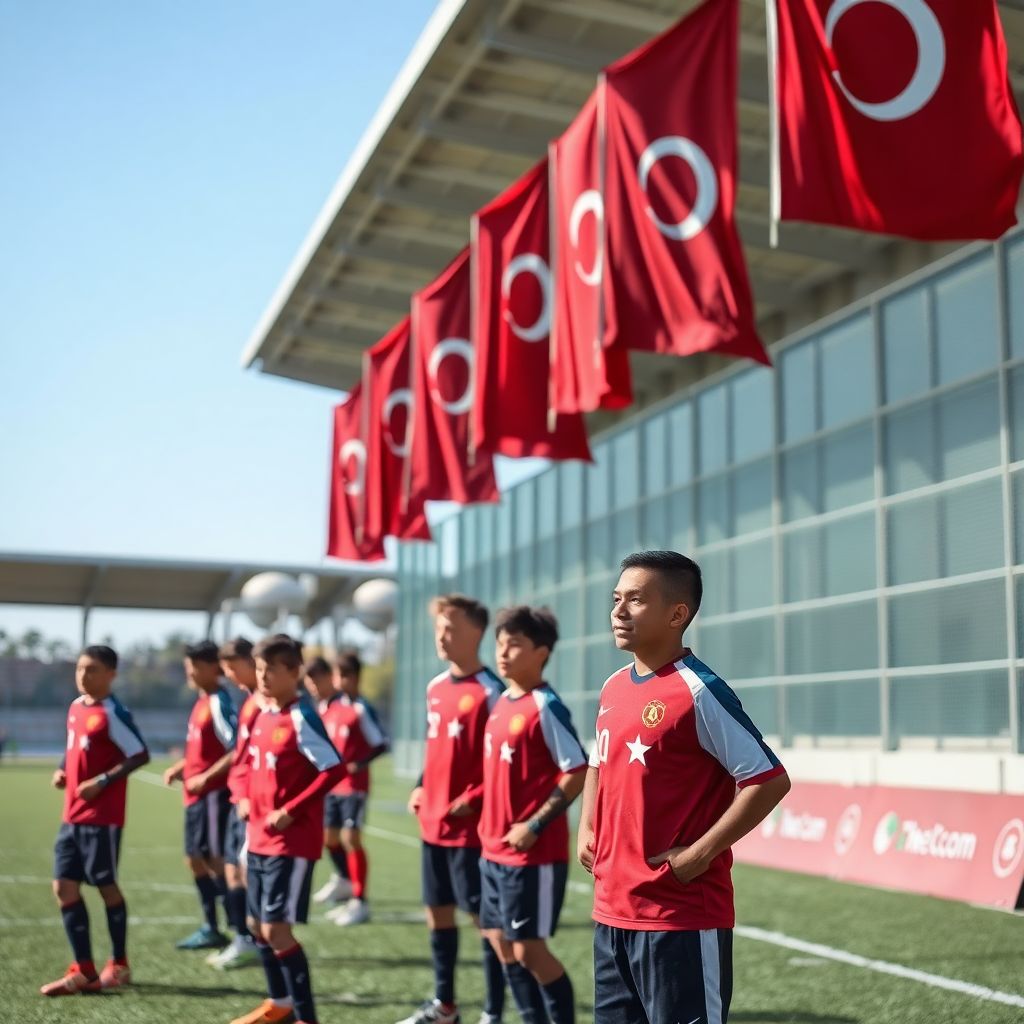
Golden generations of the Turkish National Team can be repeated, but only through deliberate, long-term work: modern academies, clear national playing style, strong club-country coordination, and professional governance. The focus must move from praying for a talented age group to building a system that regularly produces, protects, and peaks elite players.
Executive summary: core conclusions
- Past golden generations were not accidents; they combined strong domestic leagues, clear leaders, and coaches who trusted young talent.
- Repetition requires rebuilding the talent pipeline: academies, data-led scouting, and coherent youth-to-senior pathways.
- Clubs and federation must align on minutes management, positions, and schedules to protect key players.
- A stable tactical identity is more important than copying fashionable systems from one tournament to the next.
- Governance, finances, and league competitiveness directly shape whether another golden generation can succeed.
- A practical roadmap with milestones and simple metrics is more realistic than vague “vision” documents.
Historical peaks: Turkey’s past golden generations and the ingredients of their success
When people say “golden generation” for Turkey, they usually mean squads like the early 2000s team that reached the late stages of major tournaments. These teams mixed high-level European club experience with mentally strong local leaders and coaches who were brave enough to stick to a core group.
What made those peaks special was not only individual talent, but also context: a competitive Süper Lig, key players starting abroad, and a clear hierarchy in the dressing room. The national team had a recognisable style: aggressive, emotional, but also tactically disciplined against stronger opponents.
Similar stories exist with Belgium and Croatia. Belgium’s so‑called golden generation grew from a coordinated youth project across clubs, while Croatia repeatedly produces top players thanks to strong academies and a clear national “identity”: technically gifted, tactically smart, mentally tough in tournaments. Turkey can follow a comparable path, but adapted to local realities.
- Identify which exact years and squads you consider Turkey’s golden generations and list what made them different from “normal” teams.
- Separate individual brilliance (star players) from structural strengths (league level, coaching, scouting).
- Decide which of those ingredients can realistically be rebuilt in the next 5-10 years.
Talent pipeline overhaul: academies, grassroots programs and national scouting
A repeatable golden generation starts with a predictable talent pipeline, not last-minute naturalisations or emergency call-ups. The goal is to build a system where every age group has several players ready for top leagues, just as Belgium did with its academy reforms and Croatia did with clubs like Dinamo Zagreb and Hajduk Split.
- Standardised academy curriculum. Define a national training “minimum” by age: technical skills, position-specific habits, and physical benchmarks. Ensure Süper Lig and 1. Lig clubs align their academy programs with this framework.
- Regional hubs and grassroots tournaments. Build regional centres that support smaller clubs with coaching education and shared analytics. Use frequent regional tournaments to spot late developers and players outside big cities.
- Data-supported national scouting. Create a central database tracking youth players from U12 upwards: minutes, positions, injury history, and development notes. Belgium used centralised databases to avoid losing track of talents who moved abroad or dropped to smaller clubs.
- Clear steps from academy to pro minutes. Agree simple rules: by a certain age, top talents should be playing in specific league levels (e.g., U19, then loan in 1. Lig, then rotation roles in Süper Lig). The federation should monitor and nudge clubs when key prospects stagnate.
- Dual-national and diaspora strategy. Proactively track Turkish-origin players in Europe with a dedicated scouting cell, similar to how Croatia monitors its diaspora. Build relationships early; do not wait until they are locked by other national teams.
- Coach education and incentives. Upgrade youth coach licenses, and link federation rewards to the number of academy players progressing to professional contracts and national youth teams, not only to short-term match results.
- Audit current academies: facilities, coaches, playing philosophy, and track records of producing professionals.
- Launch or strengthen a centralised database that follows every U14+ talent, at home and abroad.
- Define target pathways (age vs. level) for top prospects and review them annually.
Club-country alignment: managing player development, minutes and scheduling
Without coordination between clubs and the federation, even great talents burn out, stagnate, or are misused. Belgium’s rise was helped by consistent communication between clubs, federation, and players; Croatia’s small pool makes cooperation a necessity. Turkey can borrow these habits to protect and maximise its core players.
- Minutes management for key players. Create shared plans for how many minutes core national team players should play per month, considering club and international matches. Use these plans to adjust rotation, especially before and after major tournaments.
- Position and role consistency. Align on primary positions for key talents. If a midfielder is developed as a deep playmaker, avoid switching him constantly between winger, No. 10, and full-back at club and country level.
- Information sharing on fitness and medical data. Establish secure channels where clubs share up-to-date fitness, load, and injury information with the national team staff. This allows smarter decisions on training intensity during international breaks.
- Scheduling and travel planning. Reduce unnecessary friendly matches in far-away locations that create fatigue without tactical value. Prioritise opponents whose style prepares Turkey for qualification rivals and tournament opponents.
- Unified communication with players. Ensure that both club and national coaches send the same messages about development priorities: body weight, tactical discipline, lifestyle. Mixed messages confuse players and slow progress.
- Commercial and fan alignment. Coordinate marketing around Turkey national football team tickets, matchdays, and fan experiences so that clubs and the federation benefit together instead of competing for attention.
- Map all key national team players and discuss development plans with their clubs at least twice per season.
- Track minutes, positions, and travel for each core player and adjust call-ups when risk is high.
- Review the annual friendly schedule and remove low-value, high-fatigue fixtures.
Coaching philosophy and tactical identity: building a repeatable system
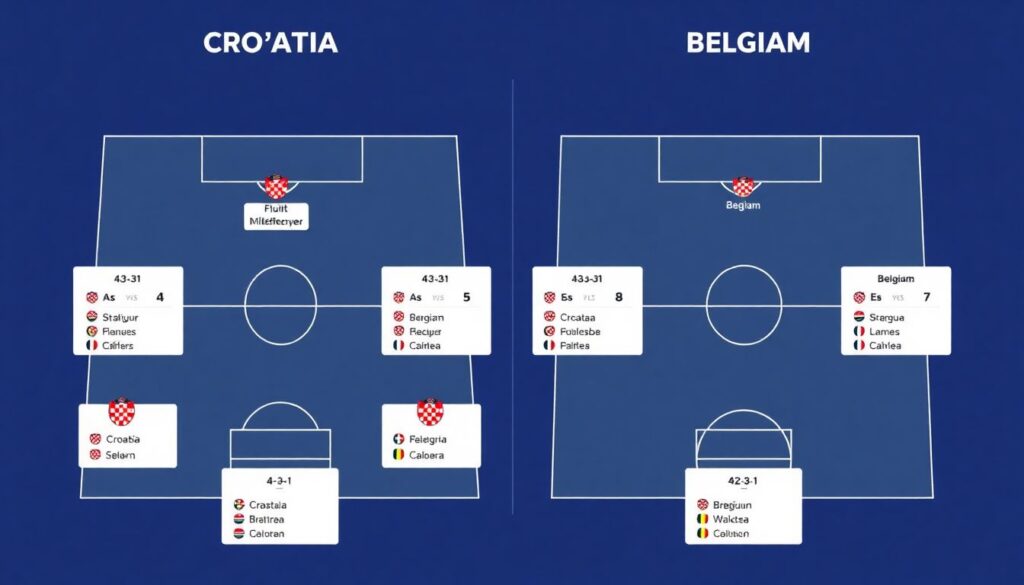
Golden generations flourish when they fit a stable tactical identity. Constantly changing systems with every coaching change kills continuity. Croatia’s long-term emphasis on technically strong midfielders and flexible 4‑3‑3/4‑2‑3‑1 shapes is a good model; Belgium similarly committed to proactive, possession-based football across age groups.
Turkey needs a simple, shared description of how the national team should play: typical formations, pressing intensity, build-up patterns, and role profiles for each position. Youth teams should be mini-versions of the senior team, not tactical laboratories that change every season.
Benefits of a clear tactical identity
- Faster integration of young players who already understand the system from youth teams.
- Better scouting and selection because coaches know exactly what profiles they need in each position.
- More consistent performance in tournaments, even when form or injuries force lineup changes.
- Stronger player market value when clubs see clear, repeatable skills that fit modern football.
Limitations and risks to manage
- Rigidity: refusing to adapt the system to fit a unique world-class talent can waste special players.
- Predictability: opponents can prepare detailed plans if Turkey never varies structures or pressing triggers.
- Over-coaching: younger age groups can become scared to improvise if tactics are taught as “do not make mistakes” instead of encouraging creativity.
- Write down a one-page description of Turkey’s desired playing style, including out-of-possession behavior.
- Ensure U17-U21 coaches use similar shapes and principles with room for minor adjustments.
- Review the identity after every major tournament, not after every disappointing friendly.
Institutional constraints: finance, governance and domestic league quality
Even the best generation of players can fail if institutions are weak. Financial instability in clubs, frequent leadership changes in the federation, and inconsistent refereeing all reduce the chance that a golden generation will reach its potential. Belgium and Croatia both improved governance and infrastructure alongside player development.
Turkey’s domestic league quality matters as much as individual stars. If the Süper Lig is tactically chaotic, over-physical, and financially unstable, players will struggle to adapt to high-level international football. Stable financial rules, transparent decision-making, and long-term investment in facilities help transform raw talent into winning teams.
- Short-termism in club management. Constant coaching changes and impulsive transfers block youth players and create tactical chaos.
- Over-focus on foreign stars. Chasing big-name signings may sell shirts in a Turkey national football team merchandise store, but it often slows the development of local talents in crucial positions.
- Ignoring governance and transparency. Without clear rules on club finances and fair enforcement, the league becomes unstable and less attractive to serious investors and coaches.
- Myth: “Once we find another superstar, everything will fix itself.” A single elite player cannot compensate for weak structures, as many talented individuals in unstable systems have shown.
- Myth: “We are unlucky in tournaments.” Repeated early exits are usually structural (fitness, tactics, mentality), not pure bad luck.
- Stabilise governance: limit leadership and coaching changes to clear, planned cycles.
- Set and enforce realistic financial rules for clubs to raise league quality.
- Measure domestic league progress by tactical level and youth minutes, not only star names.
Roadmap to repetition: actionable milestones, timelines and success metrics
A realistic roadmap treats a new golden generation as a 10-year project with clear checkpoints, not a miracle. Below is a simplified example of how Turkey could structure this, inspired by how Belgium mapped its youth reforms and Croatia maintained a steady flow of midfield talents.
Years 1-3: Build the foundations. Standardise academy curricula, launch the national scouting database, and align U17-U21 tactics with the senior style. Begin regular meetings with clubs about player development and minutes.
Years 4-6: Convert structure into players. Increase playing time for U21 and U23 players in Süper Lig and 1. Lig. Target qualification for youth tournaments and track how many players graduate from each U-team to the next level. Improve medical and analytics support for senior and youth squads.
Years 7-10: Peak and repeat. Aim for deep runs at major tournaments with a core group that has grown together. Track how many starters and key substitutes come through the reformed system. After each cycle, refine the pipeline, coaching education, and club-country cooperation.
Throughout this period, fan engagement also matters. Interest in how to live stream Turkey national football team matches, buy a Turkey national team jersey 2024 buy online, or check Turkey Euro 2024 odds and predictions shows demand; the federation and clubs should channel that energy into stable, long-term projects rather than only short campaigns to sell tickets.
- Set 3-year, 6-year, and 10-year targets for youth graduates, tournament results, and style of play.
- Review progress annually using simple metrics: minutes for young players, stability of coaching staff, and number of players in top European leagues.
- Link commercial growth (from Turkey national football team tickets and the Turkey national football team merchandise store) directly to investments in academies and coach education.
Self-check: is Turkey really building toward another golden generation?
- Can you describe, in one page, the national playing style and how it is taught across age groups?
- Are youth players tracked and supported through a clear pathway from U15 to the senior team?
- Do clubs and the federation regularly coordinate on player minutes, positions, and scheduling?
- Are governance, finances, and league quality improving in visible, measurable ways?
- Is fan and commercial energy being reinvested into long-term development, not just short-term campaigns?
Critical questions answered
What exactly is a “golden generation” for the Turkish National Team?
It is a cluster of players from similar age groups who, together, can compete with the best teams in the world. They usually combine club success, clear leaders, and a coach who builds a stable system around them.
Can another Turkish golden generation really be planned, or is it just luck?
Luck plays a role, but planning greatly increases the chances. Systematic youth development, clear tactical identity, and strong governance make it more likely that a group of talented players matures at the same time and is ready for top-level football.
How long would it realistically take Turkey to build another golden generation?
Building a new wave of elite players is a long-term process measured in years, not seasons. A serious plan should think in terms of roughly a decade, with early benefits appearing once academy reforms and club-country cooperation start working.
What role do Turkish clubs play in creating a new golden generation?
Clubs control daily training, minutes, and early tactical education. Without strong academies and coaches who trust young players, the national team will not receive enough ready-made talents to form a true golden generation.
Does playing in foreign leagues help Turkish players more than staying in the Süper Lig?
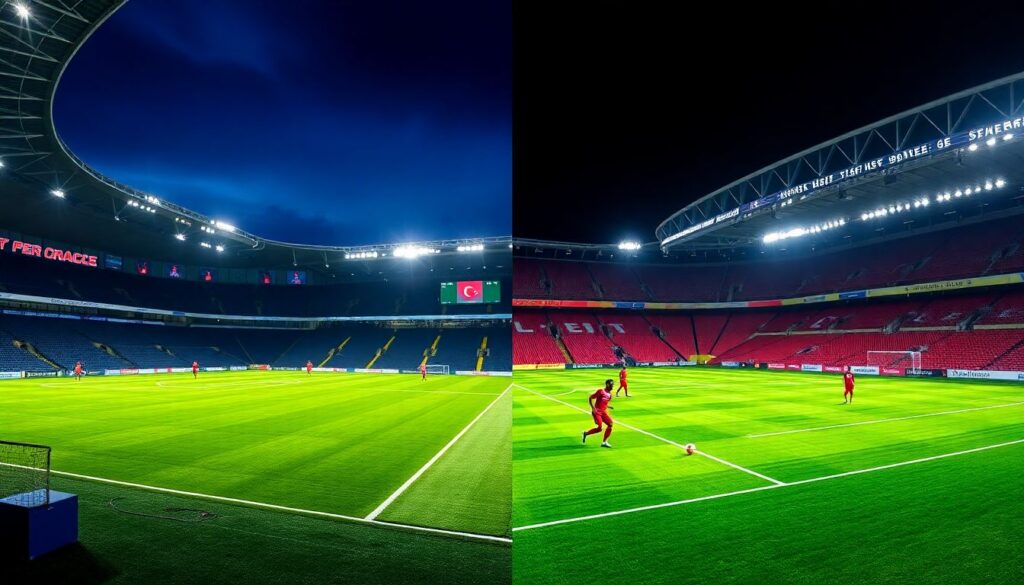
Both paths can work. Strong foreign leagues can raise tactical and physical levels, while a competitive Süper Lig with good coaching and stable clubs can also develop top players. The key is quality of environment, not just location.
How important are fans and commercial income for repeating a golden generation?
They are very important. Revenue from tickets, broadcasting, and merchandise can fund academies, facilities, and coach education. If this income is reinvested wisely, fan passion directly supports the long-term structures needed for another golden generation.
Should Turkey copy the model of Belgium or Croatia exactly?
No. Turkey should study these examples but adapt them. Demographics, league structure, and football culture differ. The right approach is to borrow useful principles-like unified youth curricula and strong governance-and design a uniquely Turkish version.